Kamil Perry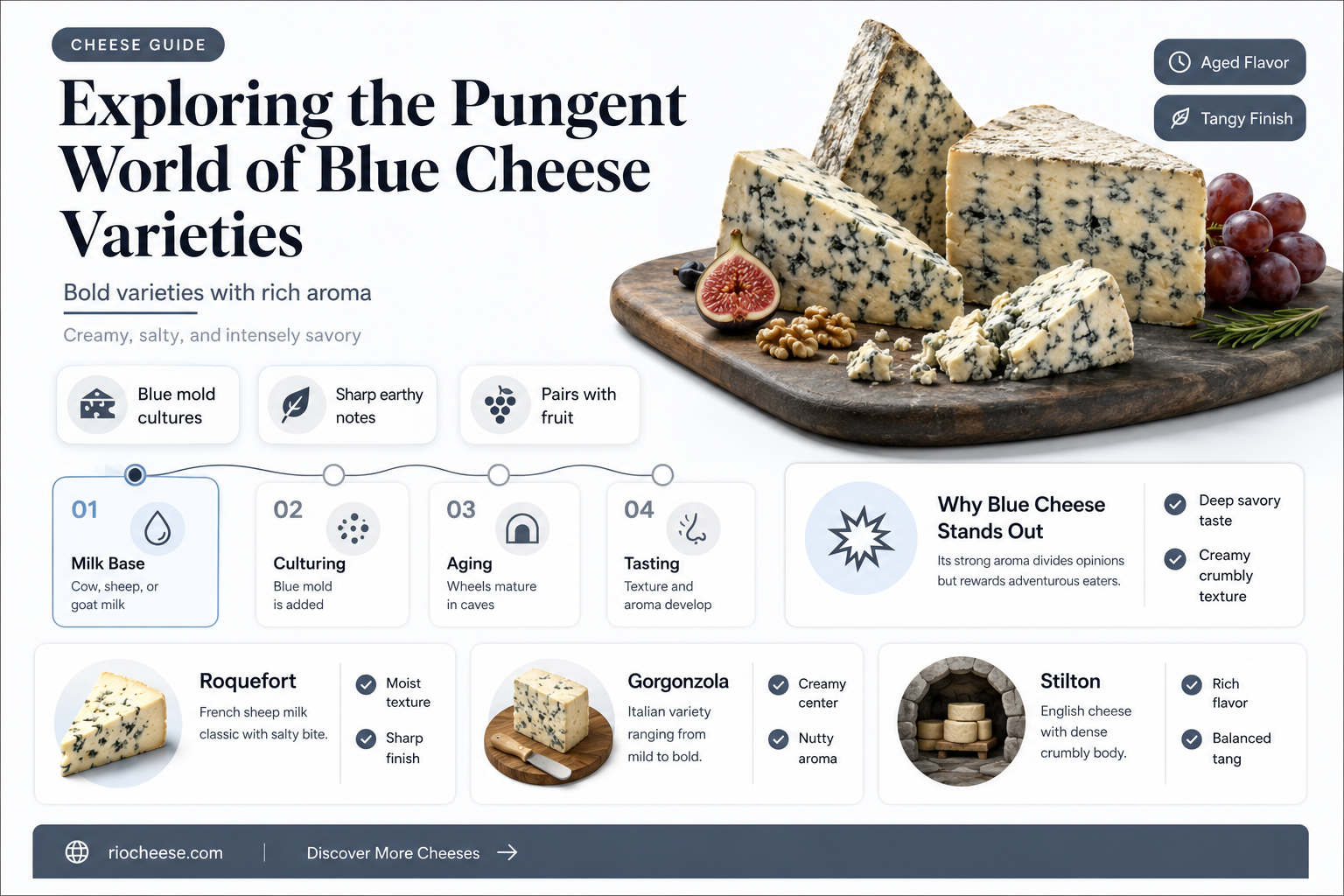
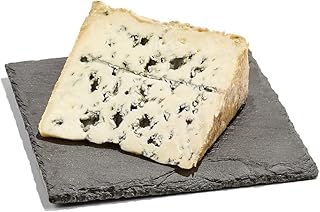
Blue cheese is a type of cheese that is characterized by its distinctive blue or green veins, which are created by the presence of the mold Penicillium roqueforti. This mold is intentionally introduced during the cheese-making process, and it gives blue cheese its unique flavor, aroma, and appearance. Blue cheese is typically made from cow's milk, sheep's milk, or goat's milk, and it can be found in various styles and intensities, ranging from mild and creamy to strong and pungent. Some popular varieties of blue cheese include Roquefort, Gorgonzola, and Stilton. Blue cheese is often used in salads, sandwiches, and as a garnish for various dishes, and it is prized for its bold and complex flavor profile.
Explore related products



What You'll Learn
- Origin of Blue Cheese: Discover the historical roots and geographical origins of blue cheese
- Types of Blue Cheese: Explore the various types of blue cheese, such as Roquefort, Gorgonzola, and Stilton
- Making Blue Cheese: Understand the process of creating blue cheese, including the role of Penicillium mold
- Nutritional Facts: Learn about the nutritional content of blue cheese, including fat, protein, and calcium
- Culinary Uses: Find out how blue cheese is used in cooking and as a condiment in various dishes

Origin of Blue Cheese: Discover the historical roots and geographical origins of blue cheese
Blue cheese, known for its distinctive pungent aroma and veined appearance, has a rich history that dates back thousands of years. The origins of blue cheese can be traced to ancient civilizations, where it was first discovered and cultivated. One of the earliest known producers of blue cheese was the Roquefort region in France, which has been producing this type of cheese since at least the 12th century. The unique climate and soil conditions of the Roquefort region provided the ideal environment for the growth of the Penicillium mold, which gives blue cheese its characteristic flavor and texture.
From France, the production of blue cheese spread to other parts of Europe, including Italy, Spain, and England. Each region developed its own unique varieties of blue cheese, with distinct flavors and textures. For example, Gorgonzola from Italy is known for its creamy texture and mild flavor, while Stilton from England is prized for its sharp, tangy taste.
The discovery of blue cheese is often attributed to chance, with the story of a shepherd leaving his bread and cheese in a cave and returning to find the cheese had been transformed by the mold. This accidental discovery led to the development of one of the world's most beloved and distinctive cheeses.
Today, blue cheese is produced in many countries around the world, with each region putting its own spin on this classic cheese. The United States, for example, is known for its production of blue cheeses such as Roquefort and Gorgonzola, as well as its own unique varieties like Maytag and Point Reyes.
In conclusion, the origin of blue cheese is a fascinating story that spans centuries and continents. From its humble beginnings in ancient France to its current status as a global culinary favorite, blue cheese continues to captivate cheese lovers with its bold flavors and intriguing history.
Exploring the Rich Flavor Profile of Cooper Sharp Cheese
You may want to see also
Explore related products


Types of Blue Cheese: Explore the various types of blue cheese, such as Roquefort, Gorgonzola, and Stilton
Roquefort, hailing from the south of France, is one of the most renowned types of blue cheese. Made from sheep's milk, it is known for its strong, pungent flavor and moist, crumbly texture. The cheese is aged in natural limestone caves, where the unique environment contributes to the development of its distinctive blue veins and robust taste. Roquefort is often enjoyed on its own or paired with sweet accompaniments like figs or honey to balance its intensity.
Gorgonzola, an Italian blue cheese, offers a milder alternative to Roquefort. Crafted from cow's milk, it features a creamy, slightly crumbly texture and a tangy, earthy flavor profile. Gorgonzola is versatile in its uses, making it a popular choice for salads, pasta dishes, and as a spread on crackers. Its blue veins are typically less pronounced than those in Roquefort, giving it a subtler appearance and taste.
Stilton, a quintessential English blue cheese, is celebrated for its rich, complex flavor and firm, crumbly texture. Made from cow's milk, Stilton is often described as having a nutty, slightly sweet taste with a hint of earthiness. It is traditionally aged in underground cellars, which contributes to the development of its blue veins and distinctive character. Stilton is a popular choice for cheese boards and pairs well with fruits like apples and pears, as well as with nuts and crackers.
Each of these blue cheeses boasts its own unique characteristics, from the bold and pungent Roquefort to the creamy and mild Gorgonzola, and the rich and complex Stilton. Exploring these varieties allows cheese enthusiasts to appreciate the diverse flavors and textures that blue cheese has to offer. Whether enjoyed on their own or incorporated into various dishes, these cheeses add a touch of sophistication and depth to any culinary experience.
Exploring the Cheesy Delights Inside Tortellini: A Culinary Journey
You may want to see also
Explore related products


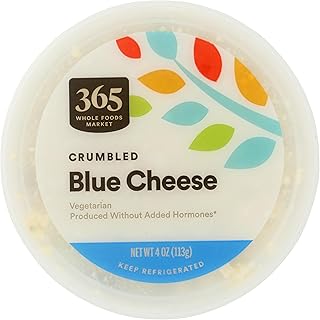


Making Blue Cheese: Understand the process of creating blue cheese, including the role of Penicillium mold
Blue cheese is a type of cheese that has been inoculated with Penicillium mold, a type of fungus that gives the cheese its distinctive blue veins and strong flavor. The process of making blue cheese involves several steps, including pasteurization, inoculation, aging, and packaging.
The first step in making blue cheese is pasteurization, which involves heating the milk to a high temperature to kill any harmful bacteria. Once the milk has been pasteurized, it is cooled and then inoculated with Penicillium mold spores. The mold spores are typically added to the milk in a controlled environment, such as a laboratory, to ensure that the cheese develops the desired flavor and texture.
After inoculation, the milk is left to coagulate, which means that it thickens and forms curds. The curds are then cut into small pieces and stirred to release the whey, which is the liquid that separates from the curds. The curds are then molded into wheels or blocks and left to age.
During the aging process, the Penicillium mold grows and spreads throughout the cheese, creating the characteristic blue veins. The cheese is typically aged for several weeks to several months, depending on the desired flavor and texture. The aging process takes place in a controlled environment, such as a cheese cave, where the temperature and humidity are carefully monitored.
Once the cheese has been aged, it is packaged and ready for consumption. Blue cheese can be eaten on its own, used in salads, or added to other dishes for a strong, pungent flavor.
It is important to note that while Penicillium mold is safe for consumption in blue cheese, it can be harmful if ingested in large quantities or if it is not properly controlled during the cheese-making process. As with any type of cheese, it is important to store blue cheese properly to prevent the growth of harmful bacteria.
The Perfect Cheese for French Onion Soup: A Gourmet's Guide
You may want to see also
Explore related products


Nutritional Facts: Learn about the nutritional content of blue cheese, including fat, protein, and calcium
Blue cheese is known for its distinctive flavor and texture, but it also packs a nutritional punch. One of the most notable aspects of blue cheese is its high fat content. A single ounce of blue cheese contains approximately 9 grams of fat, which is a significant portion of the daily recommended intake. However, it's important to note that not all fats are created equal. Blue cheese contains a good amount of monounsaturated and polyunsaturated fats, which are considered heart-healthy fats.
In addition to its fat content, blue cheese is also a good source of protein. An ounce of blue cheese provides about 6 grams of protein, making it a nutritious choice for those looking to boost their protein intake. Protein is essential for building and repairing tissues in the body, and it also plays a crucial role in maintaining muscle mass.
Blue cheese is also rich in calcium, a mineral that is vital for strong bones and teeth. An ounce of blue cheese contains about 150 milligrams of calcium, which is roughly 15% of the daily recommended intake. Calcium is particularly important for women, as they are at a higher risk of developing osteoporosis later in life.
When it comes to incorporating blue cheese into your diet, it's important to do so in moderation due to its high fat and calorie content. However, it can be a delicious and nutritious addition to salads, sandwiches, and other dishes. Just be sure to balance your intake of blue cheese with other healthy foods to maintain a well-rounded diet.
Exploring Eden Cheese: A Comprehensive Guide to Its Unique Qualities
You may want to see also
Explore related products


Culinary Uses: Find out how blue cheese is used in cooking and as a condiment in various dishes
Blue cheese, with its distinctive pungent flavor and creamy texture, is a versatile ingredient in the culinary world. It can be used in a variety of dishes, both as a main component and as a condiment, to add a bold and tangy taste. One popular use of blue cheese is in salads, where it can be crumbled over mixed greens, fruits, and nuts to create a flavorful and satisfying dish. The strong flavor of blue cheese pairs well with sweet and crunchy ingredients, making it a perfect addition to salads.
In addition to salads, blue cheese is often used in dressings and sauces. Its rich and creamy texture makes it an excellent base for dressings, and when combined with ingredients like mayonnaise, sour cream, and herbs, it can create a delicious and tangy sauce that can be used on sandwiches, burgers, and grilled meats. Blue cheese dressing is a popular choice for buffalo wings, adding a cool and creamy contrast to the spicy sauce.
Blue cheese is also a popular topping for pizzas and flatbreads. Its strong flavor can stand up to the heat of the oven and the other ingredients on the pizza, adding a unique and delicious taste. Blue cheese pizza often features a combination of sweet and savory ingredients, such as caramelized onions, figs, and prosciutto, which complement the tangy flavor of the cheese.
Another culinary use of blue cheese is in stuffed dishes. It can be mixed with other ingredients like breadcrumbs, herbs, and spices to create a flavorful stuffing for meats, vegetables, and pasta. Blue cheese stuffed mushrooms are a popular appetizer, where the cheese is mixed with breadcrumbs and herbs and then baked inside mushroom caps until golden and bubbly.
Finally, blue cheese can be used as a condiment on its own. It can be served on a cheese board with crackers, fruits, and nuts, or it can be used as a spread for sandwiches and wraps. The strong flavor of blue cheese makes it a perfect addition to any dish that needs a bold and tangy taste.
Delicious Pimento Cheese Sandwich: The Perfect Bread Pairing Guide
You may want to see also
Frequently asked questions
Blue cheese is a type of cheese that has been inoculated with Penicillium cultures, which are a type of mold. This mold gives the cheese its distinctive blue or green veins and a sharp, tangy flavor.
Blue cheese is made by introducing Penicillium mold to the cheese curds during the aging process. The mold grows and spreads throughout the cheese, creating the characteristic blue or green veins. The cheese is then aged for several weeks to months, during which time the mold imparts its flavor to the cheese.
Some common types of blue cheese include Roquefort, Gorgonzola, Stilton, and Bleu d'Auvergne. Each type of blue cheese has its own unique flavor profile and characteristics, depending on the specific mold cultures used and the aging process.
Blue cheese can be used in a variety of ways, including as a topping for salads, burgers, and sandwiches, or as an ingredient in dips, spreads, and dressings. It can also be crumbled over pasta dishes or used as a garnish for soups and stews. Blue cheese pairs well with fruits, nuts, and honey, and can be served as part of a cheese platter.