Patrick Oconnell
When it comes to pizza toppings, cheese plays a crucial role in enhancing the overall flavor and texture. The most common type of cheese used on pizzas is mozzarella, known for its excellent melting properties and mild, creamy taste. However, other varieties like cheddar, provolone, and gouda can also be used to add unique flavors and textures. The choice of cheese often depends on personal preference and the desired outcome of the pizza. For instance, mozzarella is ideal for a classic Margherita pizza, while a blend of cheddar and mozzarella can create a richer, more indulgent taste. Experimenting with different types of cheese can lead to exciting and delicious pizza creations.
Explore related products


What You'll Learn
- Mozzarella Varieties: Exploring different types of mozzarella cheese for pizza toppings
- Alternative Cheeses: Discovering unique cheese options like feta, goat cheese, or blue cheese
- Cheese Blends: Creating custom cheese mixes for a complex flavor profile on pizzas
- Vegan Cheese Options: Reviewing plant-based cheese alternatives for vegan pizza lovers
- Regional Cheese Specialties: Highlighting traditional cheeses from various regions perfect for pizza

Mozzarella Varieties: Exploring different types of mozzarella cheese for pizza toppings
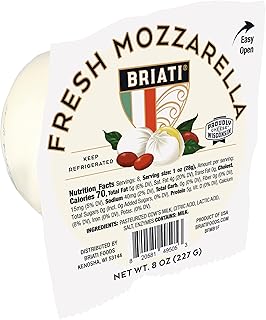
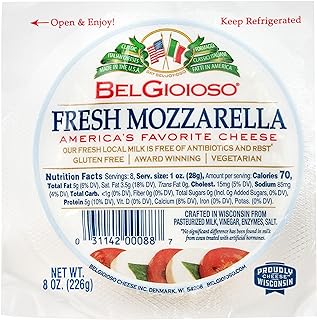
Fresh mozzarella, often referred to as "mozzarella di bufala," is made from buffalo milk and is prized for its creamy texture and rich flavor. This variety is typically sold in small balls or logs wrapped in plastic to maintain its moisture. When used on pizza, fresh mozzarella melts unevenly, creating pockets of gooey cheese that add a luxurious texture to each bite. It's best suited for pizzas that are cooked at high temperatures for a short duration, such as Neapolitan-style pizzas, to preserve its delicate structure and flavor.
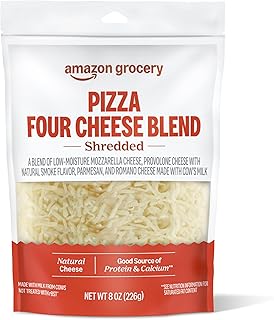
Low-moisture mozzarella, on the other hand, is made from cow's milk and has a firmer texture and milder flavor compared to its buffalo counterpart. This type of mozzarella is often pre-shredded and sold in bags at grocery stores. It melts more uniformly than fresh mozzarella, making it a popular choice for a wide range of pizza styles. Low-moisture mozzarella can withstand longer cooking times and lower temperatures, making it versatile for various pizza recipes.
A lesser-known variety is smoked mozzarella, which adds a savory, smoky flavor to pizzas. Smoked mozzarella can be made from either buffalo or cow's milk and is typically sold in blocks or slices. When used as a pizza topping, it adds depth and complexity to the flavor profile, pairing well with meats like prosciutto or vegetables like roasted red peppers.
Another option for pizza enthusiasts is burrata, a type of mozzarella that is filled with a mixture of cream and ricotta. Burrata has a soft, buttery texture and a rich, tangy flavor that elevates any pizza it's added to. It's best used sparingly, as its high moisture content can make pizzas soggy if overused. Burrata is often added to pizzas after they've been cooked to preserve its delicate texture and flavor.
Finally, for those looking to experiment with different flavors, there are various infused mozzarella options available. These can include mozzarella infused with herbs like basil or oregano, spices like red pepper flakes, or even fruits like sun-dried tomatoes. Infused mozzarella adds a unique twist to traditional pizza flavors and can be used to create signature pizza recipes.
In conclusion, the type of mozzarella used on a pizza can greatly impact its flavor and texture. From the creamy richness of fresh mozzarella to the smoky depth of smoked mozzarella, each variety offers a unique profile that can enhance the overall pizza experience. By exploring different types of mozzarella cheese, pizza enthusiasts can discover new flavor combinations and elevate their pizza-making skills.
Elevate Your Oysters Rockefeller: A Cheese Lover's Guide
You may want to see also
Explore related products



Alternative Cheeses: Discovering unique cheese options like feta, goat cheese, or blue cheese
Feta cheese, with its crumbly texture and tangy flavor, offers a delightful twist to traditional pizza toppings. This Greek cheese is made from sheep's or goat's milk and is often used in Mediterranean cuisine. When paired with pizza, feta adds a salty, slightly sour taste that complements ingredients like olives, tomatoes, and spinach. For a gourmet touch, try combining feta with caramelized onions and fresh herbs like basil or oregano.
Goat cheese, another alternative option, brings a creamy and slightly tangy flavor to the pizza. This cheese is versatile and can be used in various pizza recipes, from classic Margherita to more adventurous combinations. Goat cheese pairs well with sweet and savory toppings, such as figs, prosciutto, or arugula. Its soft texture melts beautifully, creating a rich and indulgent pizza experience.
Blue cheese, known for its strong and pungent flavor, is not for the faint of heart. This cheese is made from cow's, sheep's, or goat's milk and is characterized by its blue or green veins, which are created by the introduction of mold cultures. Blue cheese adds a bold, spicy kick to pizza and is best used sparingly. Combine it with ingredients like pears, walnuts, or honey for a sweet and savory contrast. For those who enjoy a strong cheese flavor, blue cheese can be a game-changer on pizza night.
When experimenting with alternative cheeses, it's essential to consider the melting properties and flavor profiles of each option. Feta and goat cheese melt differently than traditional mozzarella, so you may need to adjust your cooking time and temperature accordingly. Blue cheese, with its intense flavor, should be used in moderation to avoid overpowering the other ingredients. By exploring these unique cheese options, you can elevate your pizza game and discover new flavor combinations that will delight your taste buds.
Savoring the Perfect Pair: Cheese and Corned Beef Delight
You may want to see also
Explore related products




Cheese Blends: Creating custom cheese mixes for a complex flavor profile on pizzas
Cheese blends are a culinary art form that can elevate a pizza from ordinary to extraordinary. By combining different types of cheese, you can create a complex flavor profile that enhances the overall taste experience. The key to crafting the perfect cheese blend lies in understanding the unique characteristics of each cheese and how they complement one another.
When creating a custom cheese mix, it's essential to consider the melting properties, flavor intensity, and texture of each cheese. For example, mozzarella is a classic choice for pizza due to its excellent melting qualities and mild flavor, which serves as a perfect base for other cheeses. You might add a sharp cheddar for a tangy kick, or a creamy gouda for a rich, buttery note. Experimenting with different ratios of cheese can help you achieve the desired balance of flavors.
Another factor to consider is the moisture content of the cheeses. Cheeses with high moisture content, like fresh mozzarella or ricotta, can add a luscious texture to your blend, but they may also make the pizza soggy if used in excess. On the other hand, drier cheeses like parmesan or aged cheddar can provide a nice contrast and help absorb excess moisture.
To create a truly unique cheese blend, you might also consider incorporating non-traditional pizza cheeses, such as blue cheese, goat cheese, or even a touch of brie. These cheeses can add unexpected depth and complexity to your flavor profile, but it's important to use them sparingly to avoid overpowering the other ingredients.
Ultimately, the art of creating custom cheese blends for pizza is all about experimentation and personal preference. By understanding the basic principles of cheese blending and being willing to try new combinations, you can create a pizza that is truly one-of-a-kind.
Delicious Pairings: The Best Cheese for Your Pastrami Sandwich
You may want to see also
Explore related products




Vegan Cheese Options: Reviewing plant-based cheese alternatives for vegan pizza lovers
For vegan pizza enthusiasts, the quest for the perfect plant-based cheese alternative is an ongoing journey. While traditional dairy cheese remains a staple for many pizza lovers, the rise of veganism has led to a surge in innovative, dairy-free cheese options. These alternatives aim to replicate the creamy texture and rich flavor of conventional cheese, catering specifically to those who follow a plant-based diet or have dietary restrictions.
One popular vegan cheese option is cashew-based cheese, which is made by blending cashews with nutritional yeast, lemon juice, and spices. This type of cheese is known for its smooth, creamy consistency and mild flavor, making it a versatile choice for various pizza toppings. Another option is soy-based cheese, which is derived from soybeans and often fortified with calcium and vitamins. Soy cheese tends to have a firmer texture and a slightly nutty taste, providing a satisfying contrast to softer vegan cheese varieties.
Coconut oil-based cheese is another intriguing alternative, offering a unique blend of tropical flavors and a melt-in-your-mouth texture. This type of cheese is particularly popular among those who enjoy a richer, more indulgent pizza experience. Additionally, there are numerous nut-based cheese options, such as almond and hazelnut cheese, which provide a delightful crunch and a subtle sweetness that complements a wide range of pizza toppings.
When selecting a vegan cheese for pizza, it's essential to consider factors such as melting properties, flavor profile, and texture. Some vegan cheeses are specifically designed to melt well, creating a gooey, stretchy consistency that mimics traditional mozzarella. Others may have a more robust flavor, adding a unique twist to classic pizza recipes. Experimenting with different vegan cheese options can lead to exciting new flavor combinations and a satisfying pizza experience that caters to both vegans and non-vegans alike.
The Perfect Pairing: Which Cheese Elevates Your French Dip?
You may want to see also
Explore related products


Regional Cheese Specialties: Highlighting traditional cheeses from various regions perfect for pizza
Gouda, originating from the Netherlands, is a semi-hard cheese known for its rich, buttery flavor and smooth texture. It melts beautifully, making it an excellent choice for pizza toppings. Gouda comes in various aging stages, from young and mild to aged and robust, offering a range of flavors to suit different palates.
Feta, a brined curd white cheese from Greece, adds a tangy and salty kick to pizzas. Its crumbly texture and sharp flavor make it a unique topping that pairs well with Mediterranean ingredients like olives, tomatoes, and spinach. Feta is often used in combination with other cheeses to balance its strong taste.
From the United Kingdom, Cheddar is a popular choice for pizza due to its sharp, tangy flavor and excellent melting properties. Cheddar comes in various strengths, from mild to extra sharp, allowing for customization based on individual taste preferences. Its firm texture also makes it a great cheese for grating over pizzas.
Blue cheese, known for its pungent aroma and distinctive blue veins, is a bold choice for pizza toppings. Varieties like Gorgonzola from Italy or Roquefort from France offer a strong, tangy flavor that can overpower other ingredients. Blue cheese is often used sparingly and paired with milder cheeses or sweet toppings like figs or caramelized onions to balance its intensity.
Lastly, Fontina, a semi-soft cheese from Italy, is prized for its nutty flavor and creamy texture. It melts exceptionally well, creating a smooth, stretchy consistency that is perfect for pizzas. Fontina is often used in combination with other Italian cheeses like Parmesan or Pecorino Romano to add depth and complexity to the flavor profile.
Egg-cellent Pairings: A Guide to Cheesy Eggplant Permissions
You may want to see also
Frequently asked questions
The most popular cheese toppings for pizza include mozzarella, cheddar, parmesan, and provolone. Mozzarella is the classic choice due to its excellent melting properties and mild flavor, while cheddar adds a sharper taste. Parmesan is often sprinkled on top for a salty, umami boost, and provolone offers a creamy texture and mild flavor.
Yes, blue cheese can be used on pizza, but it's a matter of personal preference. Blue cheese has a strong, pungent flavor and a crumbly texture, which can add a unique taste to your pizza. It pairs well with sweet toppings like caramelized onions or figs to balance out its bold flavor.
For a vegetarian pizza, mozzarella is still the top choice due to its versatility and ability to complement a wide range of vegetable toppings. However, you can also experiment with other cheeses like feta, goat cheese, or fontina to add more depth and variety to your pizza.
When choosing the right cheese for your pizza toppings, consider the flavor profile and melting properties of the cheese. Mozzarella is a safe bet for most pizzas, but if you want to add more complexity, try combining different cheeses. For example, a blend of mozzarella, parmesan, and provolone can create a rich, savory flavor. Additionally, think about the other toppings you're using and how the cheese will complement or contrast with them.




![Mozzarella Shredded Cheese , This bag of cheese comes pre-shredded to save you prep time and easily blends with other flavors for a delicious meal every time. Use as pizza , pasta dishes, as a topping for salads, and more. Each bag is resealable to help lock in flavor. Made with milk from cows raised . No significant difference has been shown between milk derived from rbST-treated and non-rbST treated cows. [16 oz , 1 lb ] ..2 pk.](https://m.media-amazon.com/images/I/61aVvmr3DSL._AC_UL320_.jpg)


![Shredded Mozzarella & Provolone cheese is the perfect topping for pasta or homemade pizza. Add it to your dishes to bring a distinctive flavor. [ 32 oz, 2 lb ]](https://m.media-amazon.com/images/I/51vpEOUrKFL._AC_UL320_.jpg)