Kamil Perry
When assembling a charcuterie board, selecting the right cheese is crucial to complement the variety of meats and other accompaniments. A good charcuterie cheese should have a distinct flavor profile that pairs well with cured meats, crackers, and fruits. Popular choices include aged cheddars, which offer a sharp, tangy taste; creamy brie or camembert, which provide a rich, buttery texture; and hard cheeses like parmesan or pecorino, which add a salty, nutty dimension. Blue cheeses, such as gorgonzola or stilton, can also be excellent additions for those who enjoy a bold, pungent flavor. Ultimately, the best cheese for a charcuterie board depends on personal preference and the specific meats and other items being served.
Explore related products




What You'll Learn
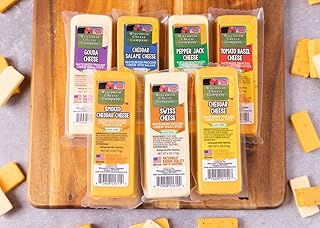
- Hard Cheeses: Ideal for pairing with cured meats, offering a sharp contrast in texture and flavor
- Soft Cheeses: Creamy and spreadable, complementing the rich flavors of charcuterie with a smooth mouthfeel
- Aged Cheeses: Providing a robust, complex flavor profile that enhances the savory notes of cured meats
- Fresh Cheeses: Light and mild, balancing the intensity of charcuterie with a refreshing taste
- Blue Cheeses: Pungent and tangy, adding a bold dimension to charcuterie boards with their distinctive veins

Hard Cheeses: Ideal for pairing with cured meats, offering a sharp contrast in texture and flavor
Hard cheeses are a quintessential component of any charcuterie board, particularly when paired with cured meats. Their firm texture and sharp flavor profile provide a delightful contrast to the rich, savory notes of meats like prosciutto, salami, and mortadella. When selecting hard cheeses for your charcuterie, consider varieties such as Parmesan, Pecorino Romano, or aged Gouda. These cheeses not only add a robust flavor but also a textural diversity that elevates the overall tasting experience.
One of the key reasons hard cheeses complement cured meats so well is their ability to cut through the fattiness of the meats. The sharpness of a well-aged hard cheese can balance the richness of the meat, making each bite more enjoyable and less overwhelming. Additionally, the firmness of hard cheeses makes them ideal for grating or shaving thinly, allowing them to meld seamlessly with the other components on the board.
When arranging your charcuterie, place the hard cheeses strategically to ensure they are easily accessible. Consider grating some of the cheese directly onto the board to create a visually appealing presentation and to make it easier for guests to enjoy. You can also pair hard cheeses with other accompaniments like olives, pickles, or fruit preserves to further enhance the flavor combinations.
In terms of serving, hard cheeses are best enjoyed at room temperature to fully appreciate their flavor and texture. If you're planning to serve them as part of a larger meal, consider incorporating them into dishes like pasta, salads, or sandwiches to add depth and complexity to the flavors.
Overall, hard cheeses are a versatile and essential element of any charcuterie board. Their unique characteristics make them an ideal pairing for cured meats, offering a sharp contrast in both texture and flavor that is sure to delight the palate.
Taco Cheese Dilemma: A Guide to the Perfect Melty Topping
You may want to see also
Explore related products


Soft Cheeses: Creamy and spreadable, complementing the rich flavors of charcuterie with a smooth mouthfeel
Soft cheeses, with their creamy and spreadable texture, play a pivotal role in balancing the rich flavors of a charcuterie board. Their smooth mouthfeel provides a delightful contrast to the savory, often salty cured meats. When selecting soft cheeses for charcuterie, it's essential to consider the intensity of flavors and the variety of textures to ensure a harmonious pairing.
One popular choice is Brie, a French soft cheese known for its mild, buttery flavor and velvety texture. It pairs exceptionally well with prosciutto and salami, as its creaminess complements the meats' saltiness. Another excellent option is Camembert, which has a slightly stronger flavor profile than Brie and a gooey texture that is perfect for spreading on crackers or bread. Its robust taste stands up well to the bold flavors of cured meats like chorizo or coppa.
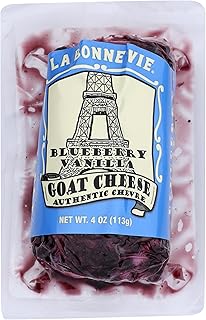
For those who prefer a milder option, goat cheese is a versatile choice. Its tangy flavor and creamy consistency make it an ideal match for a variety of charcuterie meats, from the delicate flavors of prosciutto to the more intense taste of salami. Goat cheese also adds a refreshing element to the board, cutting through the richness of the meats.
When incorporating soft cheeses into a charcuterie board, it's important to consider the serving temperature. Soft cheeses are best enjoyed at room temperature, as this allows their flavors to fully develop and their textures to become optimally creamy. Serving them too cold can result in a firmer texture and a less pronounced flavor.
In terms of presentation, soft cheeses can be spread directly onto crackers or bread, or they can be served in small wedges or balls. This allows guests to easily portion and enjoy the cheese alongside the charcuterie meats. Additionally, garnishing the cheese with fresh herbs or a drizzle of honey can enhance its flavor and add visual appeal to the board.
In conclusion, soft cheeses are an essential component of a well-rounded charcuterie board. Their creamy texture and mild to moderate flavors provide a perfect counterpoint to the rich, savory cured meats. By carefully selecting and presenting soft cheeses, one can create a charcuterie experience that is both visually appealing and delightfully flavorful.
Exploring the Perfect Cheese for Chile Rellenos: A Flavorful Journey
You may want to see also
Explore related products



Aged Cheeses: Providing a robust, complex flavor profile that enhances the savory notes of cured meats
Aged cheeses are a cornerstone of any sophisticated charcuterie board, offering a depth of flavor that perfectly complements the rich, savory notes of cured meats. The aging process, which can range from several months to several years, allows cheeses to develop a more intense and complex taste profile. This transformation is due to the breakdown of proteins and fats, which releases a variety of flavor compounds. For instance, aged cheddar, with its sharp, tangy taste, pairs exquisitely with the salty, umami-rich flavors of prosciutto or salami.
When selecting aged cheeses for a charcuterie board, it's essential to consider the balance of flavors. Harder, more aged cheeses like Parmesan or aged Gouda provide a robust, nutty flavor that can stand up to the bold taste of cured meats. On the other hand, softer aged cheeses like Brie or Camembert offer a creamy texture and a milder, earthy flavor that can provide a delightful contrast to the savory meats.
The pairing of aged cheeses with cured meats is not just about taste; it's also about texture. The crumbly texture of aged cheeses like blue cheese or aged Manchego adds a pleasant contrast to the smooth, tender slices of cured meats. This textural variety enhances the overall eating experience, making each bite more interesting and enjoyable.
In addition to their flavor and texture, aged cheeses also bring a sense of sophistication and elegance to a charcuterie board. Their rich, complex flavors and artisanal appearance elevate the presentation, making the board more visually appealing and inviting. When arranging a charcuterie board, it's a good idea to place aged cheeses strategically, perhaps at the center or at one end, to create a focal point that draws the eye and encourages guests to explore the different flavors and textures on offer.
In conclusion, aged cheeses are an essential component of any charcuterie board, providing a robust, complex flavor profile that enhances the savory notes of cured meats. By carefully selecting a variety of aged cheeses, you can create a balanced and sophisticated board that offers a delightful sensory experience for your guests.
The Curious Case of Backward-Made Cheese: A Dairy Dilemma
You may want to see also
Explore related products




Fresh Cheeses: Light and mild, balancing the intensity of charcuterie with a refreshing taste
Fresh cheeses, with their light and mild flavors, play a crucial role in balancing the rich intensity of charcuterie. These cheeses, often characterized by their soft texture and delicate taste, provide a refreshing contrast to the savory, sometimes spicy cured meats. Examples of fresh cheeses that pair well with charcuterie include mozzarella, feta, and goat cheese. Mozzarella, with its creamy texture and mild flavor, complements the bold taste of salami or prosciutto. Feta, slightly tangy and crumbly, pairs nicely with the fattiness of mortadella or chorizo. Goat cheese, known for its tangy and slightly sweet taste, can enhance the flavor profile of any charcuterie board.
When selecting fresh cheeses for charcuterie, it's important to consider the texture and flavor balance. Soft, creamy cheeses like mozzarella or burrata can offset the dryness of cured meats, while tangy cheeses like feta or goat cheese can cut through the richness. Additionally, the presentation of the cheese can add to the overall appeal of the charcuterie board. Slicing mozzarella into thin rounds or crumbling feta over the meats can create an inviting and visually appealing arrangement.
Fresh cheeses also offer a variety of health benefits. They are typically lower in fat and calories compared to aged cheeses, making them a healthier option for those looking to enjoy charcuterie without overindulging. Furthermore, fresh cheeses are often rich in protein and calcium, contributing to a balanced diet.
In conclusion, incorporating fresh cheeses into a charcuterie board is essential for achieving a harmonious balance of flavors and textures. Their light and mild taste provides a refreshing counterpoint to the intense flavors of cured meats, while their soft texture adds a pleasant contrast. By carefully selecting and presenting fresh cheeses, one can create a charcuterie board that is both delicious and visually appealing.
Exploring the Cheesy Delights Inside Tortellini: A Culinary Journey
You may want to see also
Explore related products


Blue Cheeses: Pungent and tangy, adding a bold dimension to charcuterie boards with their distinctive veins
Blue cheeses are a category of cheeses that have been inoculated with Penicillium cultures, resulting in the distinctive blue or green veins that run throughout the cheese. These veins are not just for show; they contribute to the cheese's unique flavor profile, which is often described as pungent, tangy, and bold. This makes blue cheeses a popular choice for charcuterie boards, as they can add a strong, distinctive flavor that complements the other items on the board.
When selecting a blue cheese for your charcuterie board, it's important to consider the intensity of the flavor. Some blue cheeses, like Gorgonzola, have a milder flavor that can be a good introduction for those who are new to blue cheeses. Others, like Roquefort, have a much stronger, more pungent flavor that can be overwhelming for some palates. It's also important to consider the texture of the cheese; some blue cheeses, like Stilton, have a creamy texture that can add a nice contrast to the firmer cheeses and meats on the board.
One of the benefits of blue cheeses is their versatility. They can be paired with a wide variety of foods, from fruits and nuts to meats and crackers. For example, a strong blue cheese like Roquefort pairs well with sweet figs and almonds, while a milder blue cheese like Gorgonzola can be paired with prosciutto and arugula. Blue cheeses can also be used in cooking, adding a rich, tangy flavor to dishes like pasta sauces and risottos.
When serving blue cheese on a charcuterie board, it's important to consider the presentation. The distinctive veins of blue cheese can be a beautiful addition to the board, so it's worth showcasing them. You can also crumble the cheese over other items on the board, like salads or pasta dishes, to add a burst of flavor.
In conclusion, blue cheeses are a unique and flavorful addition to any charcuterie board. With their distinctive veins and bold flavors, they can add a new dimension to your cheese selection. When choosing a blue cheese, consider the intensity of the flavor and the texture, and don't be afraid to experiment with different pairings to find the perfect combination for your palate.
The Ultimate Guide to Pizza Cheese: Beyond Mozzarella
You may want to see also
Frequently asked questions
Popular cheese choices for a charcuterie board include Brie, Cheddar, Gouda, Blue Cheese, and Goat Cheese. These cheeses offer a variety of textures and flavors that complement the meats and other accompaniments on the board.
Arrange the cheese on a charcuterie board by placing them in separate sections or wedges, allowing guests to easily identify and select their preferred cheese. It's also aesthetically pleasing to alternate between different shapes, sizes, and colors of cheese.
Common pairings for cheese on a charcuterie board include cured meats like prosciutto, salami, and ham, as well as fruits, nuts, olives, and crackers. The key is to balance the flavors and textures of the cheese with complementary ingredients.
Yes, soft cheeses like Brie, Camembert, and Goat Cheese can be included on a charcuterie board. They add a creamy texture and rich flavor that pairs well with the other ingredients. Just be sure to serve them at room temperature for the best taste and texture.