Patrick Oconnell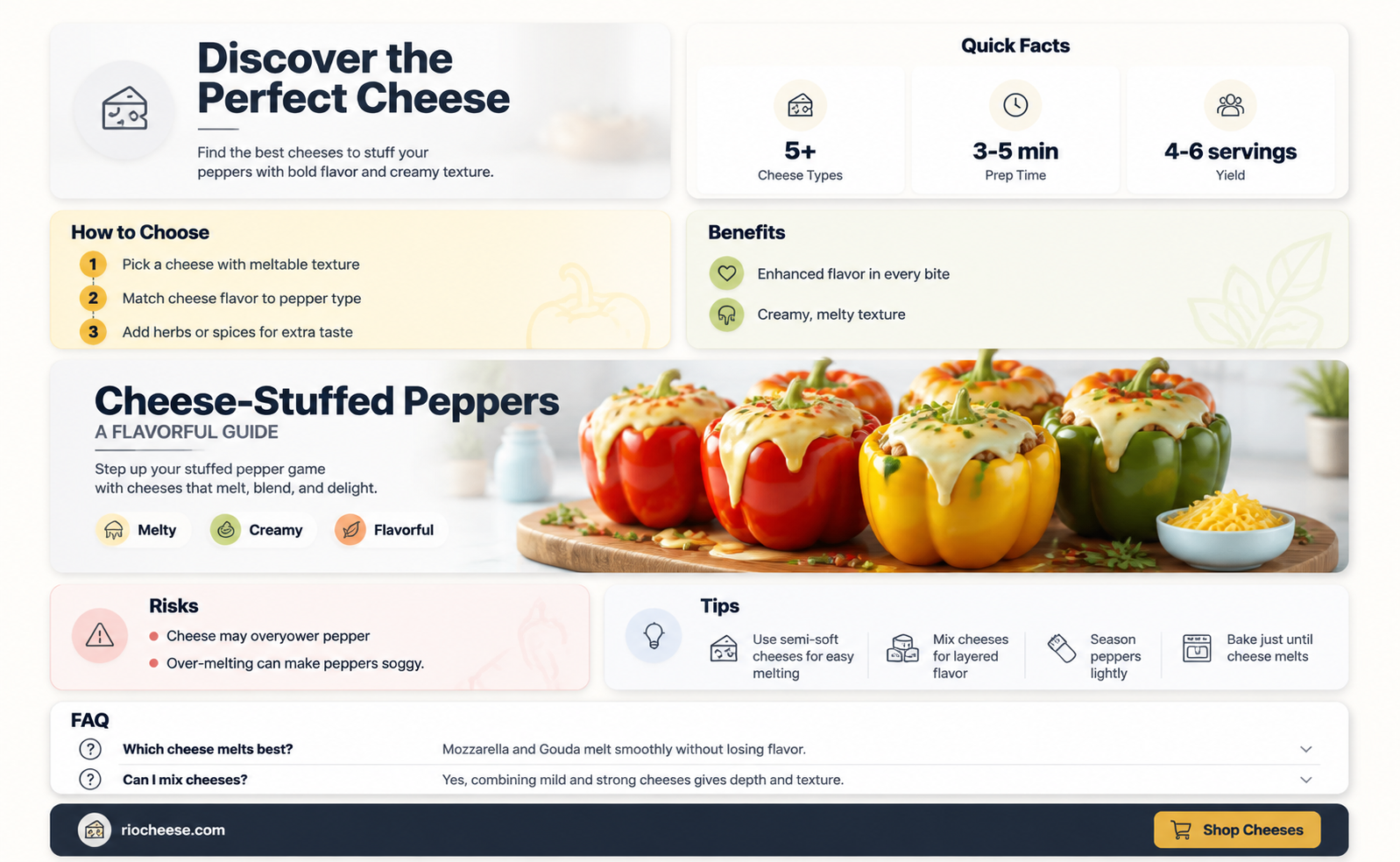
When it comes to selecting the best cheese for stuffed peppers, several factors come into play, including flavor compatibility, melting properties, and personal preference. The ideal cheese should complement the sweet and slightly tangy taste of the peppers while melting smoothly to create a creamy, cohesive filling. Popular choices include mozzarella, which melts well and has a mild flavor, and cheddar, which offers a sharper taste and good melting qualities. Other options like Monterey Jack, provolone, or a blend of cheeses can also work well, depending on individual taste. Ultimately, the best cheese for stuffed peppers is one that balances flavor and texture to enhance the overall dish.
Explore related products


What You'll Learn
- Cheese Melting Properties: Choose cheeses that melt well for a gooey, stretchy texture when heated
- Flavor Complementarity: Select cheeses that complement the sweet, slightly bitter taste of bell peppers
- Moisture Content: Opt for cheeses with moderate moisture to prevent the peppers from becoming too soggy
- Cultural Variations: Explore different cheeses used in various cuisines for stuffed peppers, like feta in Greek dishes
- Nutritional Considerations: Consider the fat and calorie content of the cheese for a balanced meal

Cheese Melting Properties: Choose cheeses that melt well for a gooey, stretchy texture when heated
When selecting cheese for stuffed peppers, it's crucial to consider its melting properties to achieve that desirable gooey and stretchy texture. Cheeses with high moisture content and lower melting points are ideal for this purpose. For instance, mozzarella is a popular choice due to its excellent melting qualities and mild flavor that complements the sweetness of bell peppers without overpowering them.
Another great option is Monterey Jack, which melts smoothly and has a slightly tangy taste that pairs well with the earthy flavors of stuffed peppers. If you're looking for a cheese with a bit more character, try using a blend of mozzarella and cheddar. The cheddar will add a sharper flavor and a beautiful golden color to your dish while still maintaining a good melt.
It's important to note that not all cheeses are created equal when it comes to melting. Cheeses like feta or goat cheese, while delicious, do not melt well and would not be suitable for this recipe. When in doubt, consult the cheese's label or ask your local cheesemonger for advice on the best melting cheeses for your stuffed pepper dish.
In terms of technique, make sure to shred or finely chop your cheese before adding it to the stuffed peppers. This will help it melt more evenly and quickly. Also, consider preheating your oven to a high temperature for a short period to give the cheese a quick, intense melt without overcooking the peppers.
Remember, the key to achieving that perfect melt is to choose the right cheese and use the proper technique. With these tips in mind, you'll be well on your way to creating a delicious and visually appealing stuffed pepper dish that will impress your family and friends.
Explore related products




Flavor Complementarity: Select cheeses that complement the sweet, slightly bitter taste of bell peppers
The art of pairing cheese with bell peppers lies in balancing flavors. Bell peppers possess a unique sweetness with a hint of bitterness, which can be beautifully complemented by the right cheese. For a harmonious flavor profile, consider cheeses that offer a mild to moderate sharpness, as they can cut through the sweetness of the peppers without overpowering them.
One excellent choice is a semi-soft cheese like Fontina, which melts well and provides a creamy texture that pairs nicely with the crispness of bell peppers. Its mild, nutty flavor enhances the natural sweetness of the peppers. Another option is Gouda, particularly a younger Gouda that hasn't developed a strong flavor yet. This cheese has a smooth, creamy texture and a subtle sweetness that complements the peppers' taste.
If you prefer a firmer cheese, try a mild Cheddar. It offers a slight sharpness that can balance the sweetness of the peppers, and its firm texture holds up well when melted. For those who enjoy a bit more tang, a light blue cheese like Gorgonzola Dolce can add an interesting dimension. Its mild, sweet, and slightly tangy flavor can enhance the complexity of the dish without overwhelming the delicate taste of the bell peppers.
When selecting cheese for stuffed peppers, it's also important to consider the melting properties. Cheeses that melt smoothly, like Fontina and Gouda, will create a more cohesive and visually appealing dish. Experiment with different combinations to find the perfect balance of flavors and textures that suits your palate.
Explore related products



Moisture Content: Opt for cheeses with moderate moisture to prevent the peppers from becoming too soggy
When selecting cheese for stuffed peppers, moisture content is a critical factor to consider. Cheeses with high moisture content, such as fresh mozzarella or feta, can release excess liquid during baking, causing the peppers to become soggy and the filling to lose its structure. On the other hand, cheeses with very low moisture content, like aged cheddar or Parmesan, may not melt as smoothly and can result in a drier, less cohesive filling.
To strike the right balance, opt for cheeses with moderate moisture content, typically ranging from 30% to 40%. Examples include Monterey Jack, provolone, or Gouda. These cheeses melt well without releasing too much liquid, ensuring that the stuffed peppers maintain their shape and texture. Additionally, their mild flavors complement the natural sweetness of the peppers without overpowering them.
When preparing the cheese for stuffing, it's essential to grate or finely chop it to ensure even melting and distribution throughout the filling. Mixing the cheese with other ingredients, such as breadcrumbs, herbs, and spices, can also help absorb excess moisture and enhance the overall flavor profile.
In terms of cooking time and temperature, be mindful that cheeses with moderate moisture content may require slightly longer baking times to achieve the desired level of melting and browning. Preheating the oven to around 375°F (190°C) and baking the stuffed peppers for 20-25 minutes should result in perfectly melted cheese and tender peppers.
By carefully considering the moisture content of the cheese and following these preparation tips, you can create delicious stuffed peppers with a perfectly balanced filling that's both flavorful and satisfying.
Explore related products


Cultural Variations: Explore different cheeses used in various cuisines for stuffed peppers, like feta in Greek dishes
Feta cheese, a staple in Greek cuisine, is a popular choice for stuffed peppers due to its tangy and salty flavor. This cheese is often crumbled and mixed with herbs, spices, and other ingredients to create a flavorful filling. In addition to feta, other cheeses commonly used in Greek dishes include kefalotyri and graviera, which can also be used in stuffed peppers for a rich and creamy taste.
Moving to Italian cuisine, ricotta cheese is a favorite for stuffed peppers. Its mild flavor and creamy texture make it a versatile ingredient that can be mixed with a variety of other fillings, such as spinach, mushrooms, and herbs. Parmesan cheese is another popular choice in Italian dishes, often grated and sprinkled on top of stuffed peppers for a savory and umami flavor.
In Mexican cuisine, queso fresco is a popular choice for stuffed peppers. This cheese has a mild flavor and a crumbly texture, making it a great addition to spicy fillings. Oaxaca cheese is another option, known for its stringy texture and mild flavor, which can add a unique twist to traditional stuffed pepper recipes.
For a more exotic option, consider using paneer cheese in Indian-inspired stuffed peppers. Paneer has a mild flavor and a firm texture, making it a great choice for fillings that include spices and herbs. It can also be crumbled and mixed with other ingredients for a more complex flavor profile.
When choosing the best cheese for stuffed peppers, it's important to consider the flavor profile and texture of the cheese, as well as the other ingredients in the filling. Experimenting with different cheeses from various cuisines can lead to exciting and delicious new recipes.
Explore related products



Nutritional Considerations: Consider the fat and calorie content of the cheese for a balanced meal
When selecting cheese for stuffed peppers, it's crucial to consider the nutritional implications of your choice. The fat and calorie content of cheese can significantly impact the overall healthiness of the dish. For a balanced meal, opt for cheeses that are lower in saturated fat and calories. Part-skim mozzarella, for instance, is an excellent choice as it provides the desired melt and flavor without the high fat content. Another option is reduced-fat cheddar, which offers a rich taste while keeping the calorie count in check.
It's also important to consider portion sizes. While cheese can be a delicious addition to stuffed peppers, it should be used in moderation. A good rule of thumb is to limit the cheese to about a quarter to a third of the total filling. This allows you to enjoy the cheesy goodness without overdoing it on the calories.
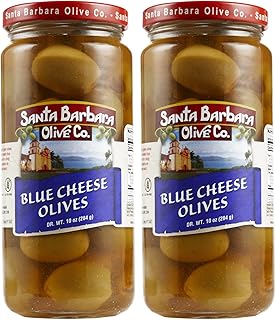
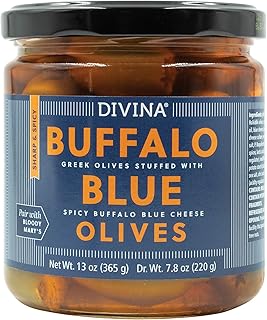
In addition to fat and calorie content, it's worth noting the protein content of different cheeses. Cheeses like feta and blue cheese are not only lower in fat but also provide a good amount of protein, making them a nutritious choice for stuffed peppers.
When it comes to preparation, be mindful of the cooking method. Baking the stuffed peppers instead of frying them can help reduce the overall fat content of the dish. You can also experiment with different seasonings and herbs to enhance the flavor without adding extra calories.
In summary, choosing the right cheese for stuffed peppers involves balancing taste with nutritional considerations. By opting for lower-fat cheeses, controlling portion sizes, and using healthier cooking methods, you can create a delicious and nutritious meal.
Frequently asked questions
The best cheese for stuffed peppers often depends on personal preference, but popular choices include mozzarella, cheddar, and Monterey Jack due to their melting properties and flavor profiles.
Consider the flavor profile you desire. Mozzarella offers a mild, creamy taste; cheddar provides a sharper, tangier flavor; and Monterey Jack gives a semi-sharp, buttery taste. Also, think about how well the cheese melts, as this can affect the texture of your stuffed peppers.
Absolutely! Mixing cheeses can create a unique flavor blend. Combining mozzarella with cheddar or Monterey Jack can balance the sharpness and creaminess, enhancing the overall taste of your stuffed peppers.
Besides choosing the right cheese, consider the type of pepper (green, red, yellow, etc.), the filling (meat, rice, vegetables), and the cooking method (baking, grilling, roasting). Each of these elements can influence the final taste and texture of your stuffed peppers.