Kamil Perry
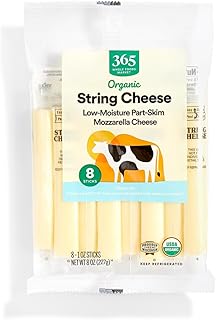
A serving of cheese refers to a recommended portion size that provides a balanced amount of nutrients without overindulging. Typically, a serving of cheese is about 1 ounce (28 grams), which is roughly the size of a pair of dice or a small handful. This serving size contains approximately 100-120 calories, 6-8 grams of protein, and 8-10 grams of fat, depending on the type of cheese. Understanding serving sizes is crucial for maintaining a healthy diet and managing calorie intake, especially when consuming calorie-dense foods like cheese.
Explore related products



What You'll Learn
- Portion Sizes: Recommended serving sizes for different types of cheese, varying by country and dietary guidelines
- Nutritional Content: Overview of the nutritional benefits and drawbacks of consuming cheese, including calories, fat, and protein
- Types of Cheese: Brief descriptions of popular cheese varieties and their typical serving methods
- Culinary Uses: Ways cheese is used in cooking and as a condiment, from melting to grating
- Dietary Considerations: Information on lactose intolerance, dairy allergies, and vegan cheese alternatives for those with dietary restrictions

Portion Sizes: Recommended serving sizes for different types of cheese, varying by country and dietary guidelines
The recommended serving sizes for different types of cheese can vary significantly depending on the country and dietary guidelines being followed. For instance, the United States Department of Agriculture (USDA) suggests a serving size of 1 ounce (28 grams) for most cheeses, which is roughly the size of a pair of dice. However, the European Union's guidelines recommend a serving size of 30 grams for hard cheeses and 25 grams for soft cheeses. These differences highlight the importance of understanding portion sizes in the context of one's specific dietary needs and cultural norms.
When it comes to portion control, it's essential to consider the nutritional content of the cheese being consumed. Hard cheeses, such as cheddar or Swiss, tend to be higher in protein and lower in fat compared to soft cheeses like brie or camembert. As a result, the recommended serving sizes for hard cheeses are often slightly larger than those for soft cheeses. Additionally, some dietary guidelines may take into account the specific nutritional profile of a cheese, such as its calcium content or the presence of beneficial bacteria, when determining appropriate serving sizes.
In practice, measuring out precise portions of cheese can be challenging, especially when dealing with irregularly shaped or crumbly varieties. To simplify portion control, many nutritionists recommend using visual cues, such as comparing the size of a cheese serving to a familiar object like a deck of cards or a small apple. Another practical tip is to pre-portion cheese servings and store them in individual containers or bags, making it easier to stick to recommended serving sizes when snacking or preparing meals.
It's also worth noting that portion sizes can vary based on age, gender, and activity level. For example, children and adolescents may require smaller portions due to their developing bodies, while athletes or individuals with higher energy needs may benefit from larger servings. Pregnant or breastfeeding women may also need to adjust their cheese intake to meet their increased nutritional demands.
In conclusion, understanding and adhering to recommended serving sizes for cheese is crucial for maintaining a balanced diet and ensuring adequate nutrient intake. By considering factors such as country-specific guidelines, nutritional content, and individual dietary needs, one can make informed choices about portion sizes and enjoy cheese as part of a healthy and varied diet.
Delicious Pairings: What to Serve with Raclette Cheese
You may want to see also
Explore related products


Nutritional Content: Overview of the nutritional benefits and drawbacks of consuming cheese, including calories, fat, and protein
Cheese is a nutrient-dense food that offers several health benefits, but it also comes with some drawbacks due to its high calorie and fat content. One of the primary benefits of cheese is its high protein content. Protein is essential for building and repairing tissues, and it also plays a crucial role in maintaining muscle mass and bone health. A one-ounce serving of cheese typically contains around 6-7 grams of protein, which is a significant amount considering its relatively small serving size.
In addition to protein, cheese is also a good source of calcium, which is vital for strong bones and teeth. It also contains other important nutrients like vitamin A, vitamin B12, and riboflavin. However, cheese is also high in saturated fat, which has been linked to an increased risk of heart disease when consumed in excess. A one-ounce serving of cheese can contain anywhere from 5-10 grams of saturated fat, depending on the type of cheese.
The calorie content of cheese is another important consideration. Cheese is relatively high in calories, with a one-ounce serving typically containing around 100-120 calories. This can add up quickly if you're not careful about portion sizes. However, it's worth noting that cheese can also help you feel full and satisfied, which may help you eat less overall.
When it comes to choosing the healthiest type of cheese, it's important to consider both the fat and calorie content. Some of the lower-fat cheese options include part-skim mozzarella, reduced-fat cheddar, and feta. However, even these lower-fat options can still be high in calories, so it's important to watch your portion sizes.
In conclusion, cheese can be a nutritious addition to a balanced diet, but it's important to be mindful of its high calorie and fat content. By choosing lower-fat options and watching your portion sizes, you can enjoy the benefits of cheese without overdoing it on the calories and saturated fat.
Delicious Pairings: What to Serve with Beer Cheese Dip
You may want to see also
Explore related products


Types of Cheese: Brief descriptions of popular cheese varieties and their typical serving methods
Cheese is a versatile and beloved food item that comes in a wide variety of types, each with its own unique flavor profile and serving methods. Understanding the different types of cheese and how they are typically served can enhance your culinary experience and help you make informed choices when selecting cheese for your meals.
Hard cheeses, such as Parmesan and Cheddar, are often grated or shredded and used as toppings for pasta dishes, salads, and soups. These cheeses have a robust flavor that can stand up to high temperatures and add a savory depth to a variety of dishes. Parmesan, for example, is a staple in Italian cuisine and is often used to add umami flavor to sauces and risottos. Cheddar, on the other hand, is a popular choice for American dishes like macaroni and cheese and grilled cheese sandwiches.
Soft cheeses, such as Brie and Camembert, are typically served at room temperature and are often used as spreads or toppings for crackers and bread. These cheeses have a creamy texture and a mild, buttery flavor that pairs well with fruits, nuts, and honey. Brie, for instance, is a French cheese that is often served with grapes and walnuts, while Camembert is a popular choice for cheese boards and can be baked whole for a gooey, indulgent treat.
Blue cheeses, such as Roquefort and Gorgonzola, are known for their strong, pungent flavor and are often used in small quantities to add a bold taste to dishes. These cheeses are typically served crumbled or sliced and can be used in salads, dressings, and sauces. Roquefort, a French blue cheese, is often used in Caesar salad dressing, while Gorgonzola, an Italian blue cheese, is a popular choice for pizza and pasta dishes.
Fresh cheeses, such as Mozzarella and Feta, are often used in salads, sandwiches, and as toppings for pizza. These cheeses have a mild flavor and a soft, moist texture that pairs well with a variety of ingredients. Mozzarella, for example, is a staple in Italian cuisine and is often used in Caprese salads and Margherita pizzas. Feta, a Greek cheese, is known for its tangy flavor and is often used in Mediterranean dishes like Greek salads and stuffed grape leaves.
When serving cheese, it's important to consider the type of cheese and its flavor profile. Hard cheeses are best served grated or shredded, while soft cheeses are often served at room temperature and can be spread or sliced. Blue cheeses are typically served crumbled or sliced, and fresh cheeses can be used in a variety of ways, depending on their texture and flavor. By understanding the different types of cheese and their typical serving methods, you can elevate your culinary creations and enjoy the rich, diverse world of cheese.
Delightful Pairings: Elevate Your Cheese and Crackers Game
You may want to see also
Explore related products


Culinary Uses: Ways cheese is used in cooking and as a condiment, from melting to grating
Cheese is a versatile ingredient that can be used in a multitude of culinary applications. One of the most common uses is melting cheese, which can be achieved by heating it until it reaches a smooth, gooey consistency. This technique is often used in dishes like grilled cheese sandwiches, macaroni and cheese, and cheese-topped pizzas. When melting cheese, it's important to use a low to medium heat to prevent burning and to stir frequently to ensure even melting.
Grating cheese is another popular method of preparation, which involves shredding the cheese into fine or coarse pieces using a grater or food processor. Grated cheese can be used as a topping for salads, soups, and pasta dishes, or as an ingredient in recipes like cheese sauces and casseroles. Hard cheeses like Parmesan and Pecorino Romano are particularly well-suited for grating, as they have a firm texture that holds up well when shredded.
In addition to melting and grating, cheese can also be used as a condiment to add flavor and texture to a variety of dishes. Soft cheeses like Brie and Camembert can be spread onto crackers or bread, while blue cheeses like Roquefort and Gorgonzola can be crumbled over salads or used as a garnish for soups and stews. Cheese can also be used to make sauces, dips, and spreads, which can be served as appetizers or used as accompaniments to main dishes.
When using cheese in cooking, it's important to consider the flavor profile and texture of the cheese, as well as the dish it will be paired with. For example, a mild cheese like mozzarella may be a good choice for a delicate pasta dish, while a strong, pungent cheese like blue cheese may be better suited for a hearty stew or robust salad. By understanding the different ways cheese can be used in cooking and as a condiment, home cooks can unlock a world of culinary possibilities and elevate their dishes to new heights.
Pairing Perfection: A Guide to Cheese and Wine Harmony
You may want to see also
Explore related products



Dietary Considerations: Information on lactose intolerance, dairy allergies, and vegan cheese alternatives for those with dietary restrictions
For individuals with lactose intolerance, consuming dairy products can lead to digestive discomfort, including bloating, gas, and diarrhea. This condition occurs due to a deficiency in lactase, the enzyme responsible for breaking down lactose, the primary sugar in dairy. Those affected may need to limit or avoid dairy consumption altogether.
Dairy allergies, on the other hand, are immune system reactions to dairy proteins, such as casein and whey. Symptoms can range from mild, like hives and itching, to severe, like anaphylaxis. Individuals with dairy allergies must strictly avoid all dairy products and may require epinephrine injections in case of accidental exposure.
Vegan cheese alternatives offer a solution for both lactose intolerant and dairy allergic individuals, as well as those following a vegan diet. These alternatives are typically made from plant-based ingredients like nuts, seeds, and soy. Popular options include almond cheese, cashew cheese, and soy cheese. When choosing a vegan cheese, it's essential to check the ingredient list for potential allergens and to select a product that aligns with one's dietary needs and preferences.
In terms of serving size, vegan cheeses generally follow the same guidelines as traditional dairy cheese. A standard serving is about 1 ounce (28 grams), which provides approximately 100 calories. However, it's crucial to note that vegan cheeses can vary significantly in nutritional content, so it's important to read labels and choose options that are fortified with essential nutrients like calcium and vitamin B12.
For those with dietary restrictions, it's also important to be mindful of cross-contamination when consuming vegan cheese alternatives. Many vegan cheeses are produced in facilities that also process dairy products, which can pose a risk for individuals with severe dairy allergies. Always check with the manufacturer to ensure that the product is safe for consumption.
In conclusion, dietary considerations play a significant role in choosing cheese alternatives. By understanding the differences between lactose intolerance and dairy allergies, and by selecting appropriate vegan cheese options, individuals with dietary restrictions can enjoy a variety of cheese-like products without compromising their health or dietary needs.
Delicious Sides to Complement Your Philly Cheese Steak
You may want to see also
Frequently asked questions
A serving of cheese is typically 1 ounce (28 grams), which is about the size of a pair of dice or a small handful.
The calorie content varies depending on the type of cheese, but on average, a 1-ounce serving of cheese contains around 100-120 calories.
Examples of a 1-ounce serving of cheese include a slice of cheddar, a small wedge of brie, a tablespoon of crumbled feta, or a few cubes of mozzarella.
No, the serving size can vary slightly depending on the type of cheese. For instance, a serving of a denser cheese like cheddar might be smaller than a serving of a softer cheese like brie.
You can estimate a 1-ounce serving of cheese by using visual cues such as comparing it to the size of a pair of dice, a small handful, or a tablespoon for crumbled cheeses.