Randy Chandler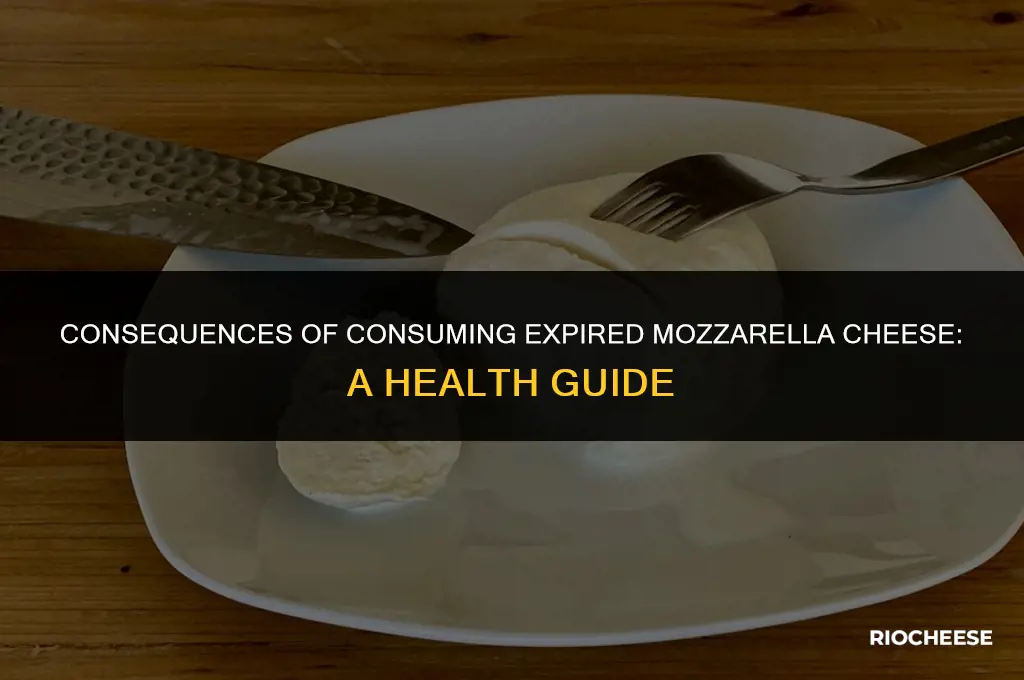
Eating expired mozzarella cheese can pose health risks. When cheese passes its expiration date, it may begin to spoil, leading to the growth of harmful bacteria such as Listeria monocytogenes, which can cause foodborne illnesses. Symptoms of food poisoning from contaminated cheese can include nausea, vomiting, diarrhea, fever, and abdominal cramps. In severe cases, it can lead to more serious health complications, especially for vulnerable populations like the elderly, pregnant women, and individuals with weakened immune systems. It's crucial to check the expiration date on cheese packaging and discard any cheese that has expired to prevent potential health hazards.
Explore related products


What You'll Learn
- Food Safety Concerns: Eating expired mozzarella can pose food safety risks due to potential bacterial growth
- Spoilage Signs: Look for mold, sliminess, or an off smell, which indicate the cheese has spoiled
- Health Risks: Consuming spoiled cheese may lead to food poisoning, including symptoms like nausea and diarrhea
- Storage Guidelines: Properly storing mozzarella can extend its shelf life and prevent premature spoilage
- Alternatives and Substitutes: If mozzarella is expired, consider using alternative cheeses or dairy products in your recipe

Food Safety Concerns: Eating expired mozzarella can pose food safety risks due to potential bacterial growth
Consuming expired mozzarella cheese can lead to foodborne illnesses due to the potential growth of harmful bacteria. As the cheese ages past its expiration date, the risk of contamination increases, particularly from bacteria like Listeria monocytogenes, which can cause severe health issues. It's crucial to understand the signs of spoilage in mozzarella, such as an off smell, slimy texture, or mold growth, to prevent accidental ingestion of unsafe cheese.
The bacterial growth in expired mozzarella can result in food poisoning symptoms ranging from mild to severe. These symptoms may include nausea, vomiting, diarrhea, abdominal cramps, and fever. In severe cases, especially for vulnerable populations like the elderly, young children, or those with weakened immune systems, foodborne illnesses can lead to hospitalization or even death. Therefore, it's essential to err on the side of caution and discard any mozzarella cheese that is past its expiration date or shows signs of spoilage.
To minimize the risk of foodborne illnesses, it's important to practice proper food storage and handling techniques. Mozzarella cheese should be stored in the refrigerator at a temperature below 40°F (4°C) and consumed within a week of opening. If you need to store mozzarella for a longer period, consider freezing it, as this can help slow down bacterial growth. However, even frozen cheese should be consumed within a reasonable timeframe to ensure its safety and quality.
In addition to proper storage, it's crucial to handle mozzarella cheese hygienically to prevent cross-contamination. Always wash your hands before handling food, and use clean utensils and cutting boards. If you're unsure about the safety of a particular food item, it's better to discard it than risk your health. Remember, food safety is a critical aspect of maintaining good health and preventing the spread of foodborne illnesses.
Exploring the Vegetarian Dilemma: Is Cheese Pizza Off-Limits?
You may want to see also
Explore related products


Spoilage Signs: Look for mold, sliminess, or an off smell, which indicate the cheese has spoiled
Mold is one of the most common signs that mozzarella cheese has spoiled. It typically appears as fuzzy, discolored patches on the surface of the cheese. The mold can be white, green, blue, or black, and it may spread rapidly if left unchecked. Sliminess is another indicator of spoilage, as the cheese may become soft and wet to the touch. This texture change is often accompanied by a strong, unpleasant odor that can range from sour to pungent.
If you notice any of these spoilage signs, it's crucial to discard the cheese immediately. Consuming spoiled mozzarella can lead to foodborne illnesses, including symptoms like nausea, vomiting, diarrhea, and stomach cramps. In severe cases, it may even result in hospitalization. To prevent spoilage, always store mozzarella cheese in the refrigerator at a temperature below 40°F (4°C) and consume it within a week of purchase.
When examining the cheese for spoilage, it's essential to inspect all surfaces thoroughly. Mold can sometimes be hidden in crevices or beneath the cheese, so it's important to check the entire block or package. If you're unsure whether the cheese has spoiled, it's better to err on the side of caution and discard it. Remember, the risk of foodborne illness is not worth the potential benefit of consuming questionable cheese.
In addition to mold and sliminess, an off smell is a significant indicator of spoilage. Fresh mozzarella cheese should have a mild, slightly salty aroma. If the cheese emits a strong, unpleasant odor, it's likely that bacteria have begun to grow, leading to spoilage. This off smell may be accompanied by a change in the cheese's texture, becoming softer or more liquid than usual.
To avoid the risks associated with consuming spoiled mozzarella cheese, it's essential to be vigilant about checking for spoilage signs before eating. By regularly inspecting the cheese for mold, sliminess, and off smells, you can ensure that you're consuming a safe and enjoyable product. Always prioritize food safety and discard any cheese that shows signs of spoilage without hesitation.
Grilled Cheese Delights: A Guide to Post-Wisdom Teeth Removal Snacking
You may want to see also
Explore related products


Health Risks: Consuming spoiled cheese may lead to food poisoning, including symptoms like nausea and diarrhea
Consuming spoiled cheese, including expired mozzarella, poses significant health risks. The primary concern is food poisoning, which can manifest through a range of unpleasant symptoms. These symptoms typically include nausea, vomiting, diarrhea, abdominal cramps, and fever. In severe cases, food poisoning can lead to dehydration, electrolyte imbalances, and even hospitalization.
The risk of food poisoning from expired mozzarella cheese is particularly high due to the growth of harmful bacteria such as Salmonella, E. coli, and Listeria. These bacteria can multiply rapidly in the favorable conditions provided by the cheese's environment, especially if it has been left at room temperature for an extended period.
It is crucial to note that the severity of symptoms and the risk of complications can vary depending on several factors. These include the individual's overall health, age, immune system function, and the amount and type of bacteria ingested. Pregnant women, young children, the elderly, and individuals with weakened immune systems are at a higher risk of severe illness.
To mitigate these risks, it is essential to practice proper food storage and handling techniques. Mozzarella cheese should be stored in the refrigerator at a temperature below 40°F (4°C) and consumed within a reasonable timeframe after purchase. If the cheese has been left out for more than two hours, or if it shows signs of spoilage such as an off odor, slimy texture, or mold growth, it should be discarded immediately.
In conclusion, the health risks associated with consuming expired mozzarella cheese are serious and should not be underestimated. By being vigilant about food storage and handling practices, individuals can significantly reduce their risk of food poisoning and related complications.
The Surprising Truth About Expired String Cheese: Safe or Not?
You may want to see also
Explore related products
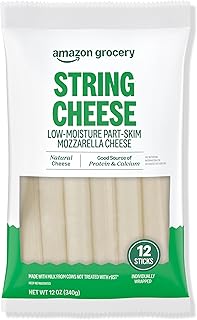


Storage Guidelines: Properly storing mozzarella can extend its shelf life and prevent premature spoilage
Proper storage of mozzarella cheese is crucial in extending its shelf life and preventing premature spoilage. Mozzarella, like many dairy products, is susceptible to bacterial growth and mold development when not stored correctly. To ensure that your mozzarella remains fresh and safe to consume, it is essential to follow specific storage guidelines.
Firstly, mozzarella should always be stored in the refrigerator. The ideal temperature range for storing mozzarella is between 35°F and 40°F (1.6°C and 4.4°C). Storing the cheese at temperatures higher than this can accelerate bacterial growth, leading to spoilage. It is also important to keep the cheese away from strong-smelling foods, as mozzarella can absorb odors easily.
When storing mozzarella, it is best to keep it in its original packaging until you are ready to use it. The packaging is designed to protect the cheese from contaminants and maintain its freshness. If you have already opened the package, you should wrap the remaining cheese tightly in plastic wrap or aluminum foil to prevent air from reaching it. Air exposure can cause the cheese to dry out and become less palatable.
Another important aspect of proper mozzarella storage is to avoid washing the cheese before storing it. Washing mozzarella can introduce moisture, which can promote mold growth. Instead, you should only wash the cheese right before using it. If you notice any mold or signs of spoilage, it is best to discard the cheese immediately to prevent the spread of harmful bacteria.
In summary, proper storage of mozzarella cheese involves keeping it refrigerated at the correct temperature, storing it in its original packaging or tightly wrapped, and avoiding washing it until you are ready to use it. By following these guidelines, you can extend the shelf life of your mozzarella and ensure that it remains safe and enjoyable to eat.
Can Chickens Safely Enjoy Moldy Cheese? A Poultry Diet Guide
You may want to see also
Explore related products


Alternatives and Substitutes: If mozzarella is expired, consider using alternative cheeses or dairy products in your recipe
If you find yourself with expired mozzarella, don't fret—there are several alternatives and substitutes you can use in your recipes. One excellent option is provolone, which has a similar mild flavor and melts beautifully, making it a great choice for pizzas and casseroles. Another substitute is Monterey Jack, which also melts well and has a slightly richer taste that can enhance your dishes.
For those looking for a non-dairy option, vegan mozzarella made from plant-based ingredients like coconut oil or cashews can be a suitable alternative. These vegan cheeses have come a long way in terms of taste and texture, and they can be used in a variety of recipes without compromising on flavor.
When substituting expired mozzarella, it's important to consider the moisture content of the alternative cheese. Mozzarella has a high moisture content, which contributes to its stretchy texture when melted. If you're using a drier cheese like cheddar or Parmesan, you may need to adjust the recipe by adding a bit more liquid or oil to achieve the desired consistency.
In addition to cheese substitutes, you can also experiment with other dairy products like ricotta or cottage cheese in certain recipes. For example, if you're making a lasagna, you could use ricotta as a layer instead of mozzarella, or mix cottage cheese with eggs and seasonings for a tasty filling.
Remember, when using alternatives to expired mozzarella, the key is to match the flavor profile and melting properties as closely as possible to ensure your dish turns out delicious. Don't be afraid to get creative and try new combinations—you might just discover a new favorite ingredient!
The Surprising Truth About Rats and Their Cheese Cravings
You may want to see also
Frequently asked questions
Eating expired mozzarella cheese can lead to foodborne illnesses. The cheese may develop harmful bacteria such as Salmonella or Listeria, which can cause symptoms like nausea, vomiting, diarrhea, and fever. It's important to always check the expiration date and store cheese properly to minimize the risk of foodborne illnesses.
Mozzarella cheese that has gone bad may exhibit several signs. It could develop an off odor, become slimy or moldy, or show discoloration. If the cheese has been stored improperly or is past its expiration date, it's best to discard it to avoid potential health risks.
It's generally not recommended to use expired mozzarella cheese in cooking. While cooking can kill some bacteria, it may not eliminate all harmful pathogens. Additionally, the quality and texture of the cheese may have deteriorated, affecting the taste and consistency of your dish. It's best to use fresh, properly stored cheese for cooking to ensure both safety and quality.