Patrick Oconnell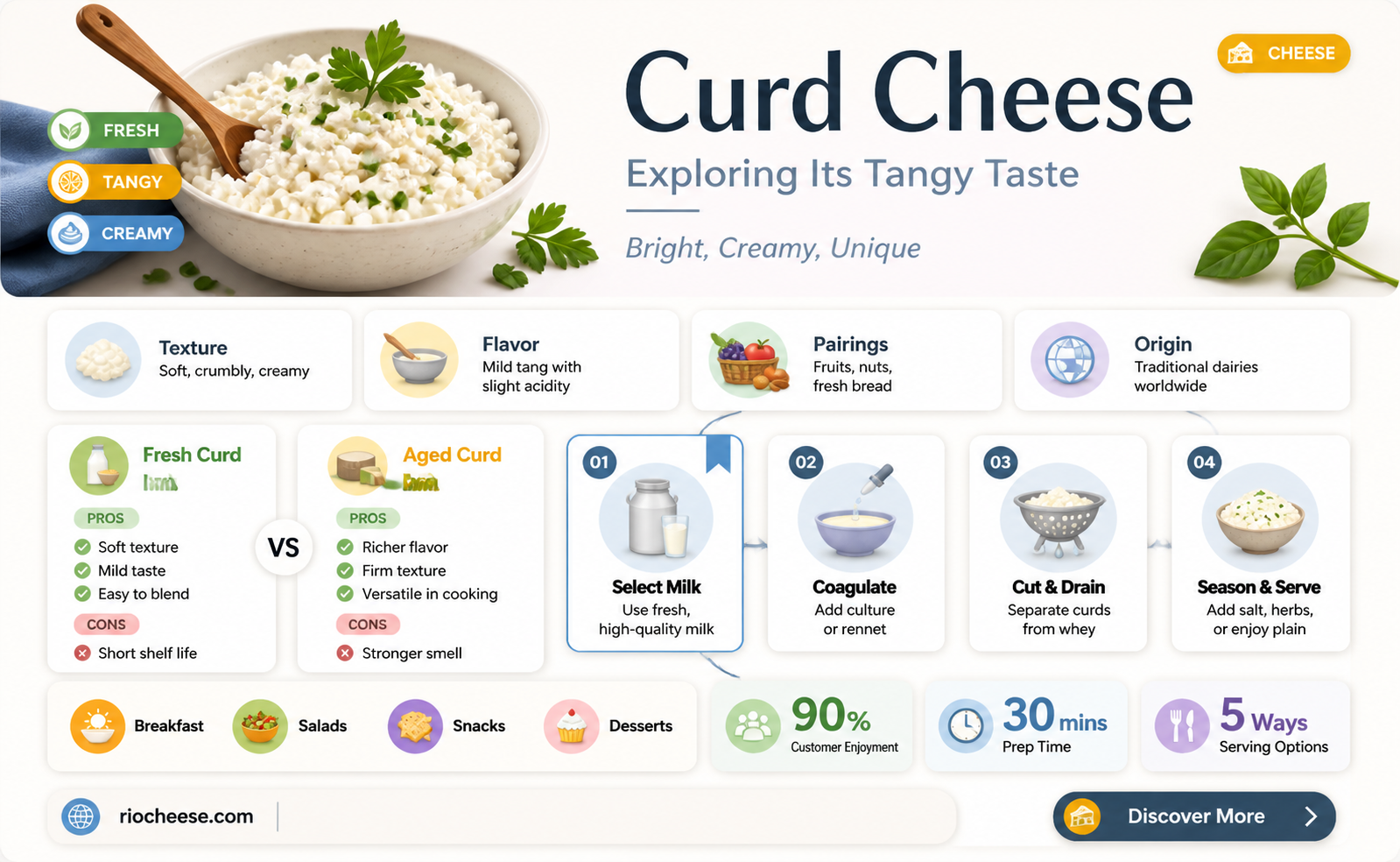
Curd cheese, also known as fresh cheese or white cheese, encompasses a variety of cheeses that are typically soft, moist, and mild in flavor. The taste of curd cheese can vary depending on the specific type and production method, but generally, it has a creamy and slightly tangy flavor profile. Fresh curd cheese often has a delicate, milky taste with a hint of acidity, while aged curd cheeses may develop more pronounced flavors, ranging from sharp and zesty to rich and buttery. The texture of curd cheese is usually smooth and spreadable, making it a versatile ingredient in both sweet and savory dishes.
Explore related products


What You'll Learn
- Texture: Creamy, crumbly, or smooth Discover the mouthfeel of curd cheese
- Flavor Profile: Mild, tangy, or sharp Explore the taste nuances of curd cheese
- Production Process: How does the making of curd cheese impact its flavor and texture
- Culinary Uses: From savory dishes to sweet treats, how is curd cheese used globally
- Varieties: Different types of curd cheese and their unique characteristics

Texture: Creamy, crumbly, or smooth? Discover the mouthfeel of curd cheese
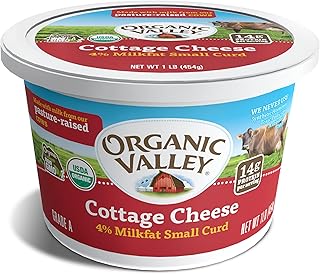
The texture of curd cheese is a defining characteristic that can vary significantly depending on the type and preparation method. Fresh curd cheese, often referred to as cottage cheese, typically has a creamy and slightly lumpy texture. This is due to the curds being loosely bound together, creating a soft and moist mouthfeel. As curd cheese ages and undergoes further processing, its texture can transform. Aged curd cheeses, such as feta or paneer, tend to become firmer and crumblier, offering a more robust and sometimes slightly grainy texture when bitten into.
The smoothness or creaminess of curd cheese is often associated with its moisture content. Higher moisture curd cheeses will naturally have a smoother, more spreadable consistency, while lower moisture varieties will be firmer and more crumbly. This variation in texture is part of what makes curd cheese such a versatile ingredient in cooking and baking, as it can provide different sensory experiences depending on the dish.
When exploring the mouthfeel of curd cheese, it's also important to consider the role of fat content. Full-fat curd cheeses tend to have a richer, creamier texture compared to their low-fat counterparts. The fat globules in the cheese contribute to a smoother mouthfeel and can also enhance the overall flavor profile.
In addition to the inherent texture of the curd cheese itself, the way it is served can also impact its mouthfeel. For example, curd cheese that is served chilled will have a firmer texture compared to the same cheese at room temperature. Similarly, the addition of other ingredients, such as herbs, spices, or liquids, can alter the texture of curd cheese, making it more moist or crumbly depending on the combination.
Understanding the texture of curd cheese can help you better appreciate its culinary applications. Whether you're using it as a spread, in a salad, or as part of a cooked dish, the mouthfeel of curd cheese plays a crucial role in the overall dining experience. By selecting the right type of curd cheese for your needs and considering how its texture will interact with other ingredients, you can create dishes that are not only flavorful but also texturally appealing.
Exploring the Rich Flavor Profile of Cotija Cheese: A Taste Journey
You may want to see also
Explore related products


Flavor Profile: Mild, tangy, or sharp? Explore the taste nuances of curd cheese
Curd cheese, a dairy product made by curdling milk and then draining the whey, offers a diverse range of flavors that can vary significantly based on the type of milk used, the curdling agent, and the aging process. The flavor profile of curd cheese can be broadly categorized into three main types: mild, tangy, and sharp.
Mild curd cheeses are typically made from cow's milk and have a subtle, creamy flavor. They are often soft and spreadable, making them ideal for use in dips, spreads, or as a base for other ingredients. Examples of mild curd cheeses include cottage cheese and ricotta. These cheeses are usually low in fat and have a delicate taste that doesn't overpower other flavors in a dish.
Tangy curd cheeses, on the other hand, have a more pronounced flavor that can range from slightly acidic to moderately sharp. They are often made from goat's or sheep's milk, which naturally contains more lactic acid than cow's milk. The tanginess can also be enhanced by the use of specific curdling agents or by allowing the cheese to age for a longer period. Examples of tangy curd cheeses include feta and goat cheese. These cheeses are versatile and can be used in salads, marinades, or as a topping for various dishes.
Sharp curd cheeses have a strong, pungent flavor that can be quite intense. They are typically aged for an extended period, which allows the development of more complex flavors and a firmer texture. Examples of sharp curd cheeses include blue cheese and aged cheddar. These cheeses are often used in small quantities to add a bold flavor to dishes or as a standalone cheese for tasting.
The taste nuances of curd cheese can be further explored by considering the specific production methods and regional variations. For instance, some curd cheeses are made using traditional methods that involve natural curdling agents like rennet, while others may use microbial or chemical agents. Additionally, the aging process can vary from a few days to several months, each stage bringing out different flavor characteristics.
In conclusion, the flavor profile of curd cheese is a fascinating subject that encompasses a wide range of tastes and textures. Whether mild, tangy, or sharp, each type of curd cheese offers unique culinary possibilities and can be used to enhance a variety of dishes. By understanding the nuances of curd cheese flavors, one can better appreciate the diversity and richness of this dairy product.
Exploring the Flavor Profile of Cottage Cheese: A Comprehensive Guide
You may want to see also
Explore related products


Production Process: How does the making of curd cheese impact its flavor and texture?
The production process of curd cheese significantly impacts its flavor and texture. The journey from milk to cheese involves several critical steps, each influencing the final product's characteristics. The process begins with the selection of high-quality milk, which is then heated to a specific temperature to prepare it for coagulation. The addition of rennet or other coagulating agents initiates the curdling process, where the milk proteins denature and form curds.
The curds are then cut into smaller pieces and stirred gently to release whey, a liquid byproduct that contains lactose and other soluble components. This step is crucial as it affects the cheese's moisture content and ultimately its texture. The curds are then drained and pressed to expel excess whey, forming a solid mass.
During the aging process, the cheese is stored in a controlled environment where it undergoes enzymatic and microbial transformations. These reactions contribute to the development of the cheese's unique flavor profile and texture. The duration and conditions of aging vary depending on the type of cheese being produced, with some cheeses aged for only a few weeks while others are matured for several years.
The final product's flavor and texture are also influenced by the cheese's fat content, which can range from low to high depending on the type of milk used and the production method. Cheeses with higher fat content tend to have a richer flavor and creamier texture, while lower-fat cheeses are often firmer and less pungent.
In conclusion, the production process of curd cheese is a complex interplay of factors that collectively determine its flavor and texture. From the selection of milk to the aging process, each step plays a vital role in shaping the final product's characteristics. Understanding these processes can help cheese enthusiasts appreciate the craftsmanship and artistry involved in creating their favorite cheeses.
Exploring the Rich Flavor Profile of Cuajada Cheese
You may want to see also
Explore related products



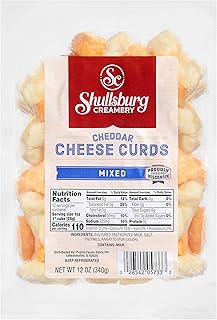
Culinary Uses: From savory dishes to sweet treats, how is curd cheese used globally?
Curd cheese, with its mild and slightly tangy flavor, serves as a versatile ingredient in a myriad of culinary applications worldwide. In savory dishes, it is often used as a filling for pastries, such as in the Polish "zapiekanka" or the Russian "blini". It can also be crumbled over salads, soups, and casseroles to add a creamy texture and subtle flavor. For instance, in India, paneer, a type of curd cheese, is a staple in many vegetarian curries and is also used in making the popular dish, palak paneer.
In addition to its savory uses, curd cheese is a key component in many sweet treats. In Eastern Europe, it is commonly used in desserts like the Hungarian "túrós palacsinta" (a type of pancake filled with curd cheese and jam) or the Romanian "papanasi" (a type of doughnut filled with curd cheese and topped with jam or honey). In the Middle East, curd cheese is often used in sweet pastries such as the Turkish "kunefe" or the Syrian "awameh".
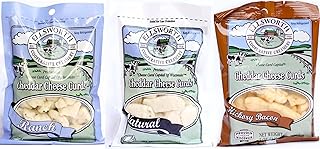
Curd cheese also finds its place in various types of cheeses around the world. For example, in the United States, curd cheese is a primary ingredient in the production of cheddar cheese. In Germany, it is used to make the traditional "Handkäse" or "Harzer Käse". In Italy, curd cheese is a key component in the production of cheeses like ricotta and mozzarella.
Moreover, curd cheese is often used in beverages. In India, lassi, a popular yogurt-based drink, is sometimes made with curd cheese. In Russia, curd cheese is used to make the traditional drink, "kefir". In Turkey, ayran, a yogurt-based drink, is often made with curd cheese.
In conclusion, curd cheese, with its mild and slightly tangy flavor, is a versatile ingredient that is used in a variety of culinary applications worldwide, from savory dishes and sweet treats to the production of various types of cheeses and beverages. Its adaptability and unique taste make it a beloved ingredient in many global cuisines.
Exploring the Rich Flavor Profile of Creamy Havarti Cheese
You may want to see also
Explore related products





Varieties: Different types of curd cheese and their unique characteristics
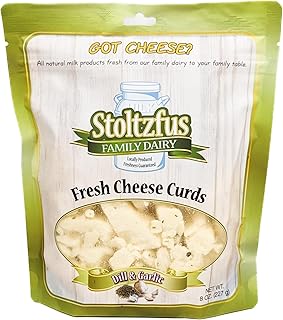
Fresh curd cheese, often simply referred to as curd, is a soft, moist cheese that is typically white or off-white in color. It has a mild, slightly tangy flavor and a crumbly texture that can range from soft and spreadable to firmer and more crumbly depending on the type and how it's been prepared. Fresh curd cheese is often used as a base for other cheeses, such as cheddar or mozzarella, but it can also be enjoyed on its own or used in a variety of recipes.
One of the most well-known types of curd cheese is cottage cheese, which is made by curdling milk with an acid such as vinegar or lemon juice. Cottage cheese has a soft, creamy texture and a mild, slightly tangy flavor. It's often eaten on its own or used in recipes such as dips, spreads, and salads. Another type of curd cheese is paneer, which is a fresh cheese commonly used in Indian cuisine. Paneer has a firm, crumbly texture and a mild, slightly nutty flavor. It's often used in dishes such as curries, stir-fries, and grilled or fried as a meat substitute.
Ricotta cheese is another type of curd cheese that is commonly used in Italian cuisine. It has a soft, creamy texture and a mild, slightly sweet flavor. Ricotta cheese is often used in dishes such as lasagna, cannoli, and cheesecake. Feta cheese is a type of curd cheese that is commonly used in Greek cuisine. It has a firm, crumbly texture and a salty, tangy flavor. Feta cheese is often used in dishes such as salads, sandwiches, and baked goods.
There are many other types of curd cheese, each with its own unique characteristics and uses. Some other examples include farmer's cheese, which is a type of curd cheese that is commonly used in Eastern European cuisine, and queso fresco, which is a type of curd cheese that is commonly used in Mexican cuisine. The taste and texture of curd cheese can vary greatly depending on the type and how it's been prepared, so it's important to experiment with different varieties to find the ones that you enjoy the most.
Exploring the Rich Flavors of Cotswold Cheese: A Taste Journey
You may want to see also
Frequently asked questions
Curd cheese has a mild, slightly tangy flavor with a creamy and smooth texture.
Compared to other cheeses, curd cheese is less salty and has a milder flavor profile, making it versatile for various dishes.
Curd cheese is generally savory with a subtle tanginess, though some varieties may have a slightly sweet undertone.
Curd cheese is often used in dishes like cottage pie, lasagna, and cheesecake, as well as being enjoyed on its own or with fruit.
Yes, curd cheese can be used as a substitute for other mild cheeses in recipes, providing a similar texture and a slightly different flavor.