Patrick Oconnell
Paneer and cottage cheese are two dairy products that are often compared due to their similar appearance and texture. However, they have distinct differences in terms of their production process, flavor, and culinary uses. Paneer is a type of fresh cheese that is commonly used in South Asian cuisine, particularly in Indian dishes. It is made by curdling milk with an acid, such as lemon juice or vinegar, and then draining the whey. Cottage cheese, on the other hand, is a popular dairy product in Western countries, made by curdling milk with an acid and then draining the whey, similar to paneer. However, cottage cheese is typically made from cow's milk, while paneer can be made from cow's, buffalo's, or goat's milk. The flavor of paneer is mild and slightly sweet, while cottage cheese has a tangy and salty taste. In terms of culinary uses, paneer is often used in savory dishes, such as curries and stir-fries, while cottage cheese is commonly consumed as a snack or used in sweet dishes, such as desserts and smoothies.
Explore related products


What You'll Learn
- Nutritional Comparison: Calories, protein, fat, and lactose content differences between paneer and cottage cheese
- Texture and Taste: How the mouthfeel and flavor profiles of paneer and cottage cheese differ
- Production Process: The methods used to make paneer versus cottage cheese, highlighting key differences
- Culinary Uses: Typical dishes and recipes where paneer or cottage cheese is used, showcasing their versatility
- Cultural Significance: The roles of paneer and cottage cheese in different cuisines and dietary traditions

Nutritional Comparison: Calories, protein, fat, and lactose content differences between paneer and cottage cheese
Paneer and cottage cheese, while both dairy products, exhibit distinct nutritional profiles that set them apart. Calorically, paneer is more energy-dense than cottage cheese. A 100-gram serving of paneer contains approximately 330 calories, whereas the same amount of cottage cheese has around 90-100 calories. This significant difference is primarily due to the higher fat content in paneer. Paneer is made from whole milk and retains most of the milk fat, resulting in a fat content of about 20-25 grams per 100 grams. In contrast, cottage cheese is typically made from low-fat or non-fat milk, leading to a much lower fat content of around 2-5 grams per 100 grams.
In terms of protein, both paneer and cottage cheese are excellent sources, but paneer slightly edges out cottage cheese. A 100-gram serving of paneer provides about 18-20 grams of protein, while cottage cheese offers around 11-12 grams. The protein in paneer is also more easily digestible due to the presence of enzymes that break down lactose, making it a better option for those with lactose intolerance.
Lactose content is another key area of difference. Paneer has a very low lactose content, typically less than 1 gram per 100 grams, making it suitable for individuals who are lactose intolerant. Cottage cheese, on the other hand, contains more lactose, usually around 3-4 grams per 100 grams, which may cause digestive issues for some people.
In summary, while both paneer and cottage cheese are nutritious dairy products, they differ significantly in their calorie, fat, protein, and lactose content. Paneer is higher in calories and fat but also provides more protein and is lower in lactose, making it a distinct choice for those looking for a richer, more protein-dense dairy option that is also lactose-friendly.
Discover the Best Places to Buy Dry Cottage Cheese
You may want to see also
Explore related products




Texture and Taste: How the mouthfeel and flavor profiles of paneer and cottage cheese differ
Paneer and cottage cheese, while both dairy products, exhibit distinct differences in texture and taste that set them apart. Paneer, a staple in Indian cuisine, is known for its firm, crumbly texture and mild, slightly nutty flavor. It is made by curdling milk with an acid, such as lemon juice or vinegar, and then pressing the curds into a solid form. This process results in a cheese that holds its shape well and has a dry, slightly grainy mouthfeel. Paneer is often used in savory dishes, such as curries and stir-fries, where its texture and flavor can absorb and complement the surrounding ingredients.
In contrast, cottage cheese is a softer, fresher cheese with a creamy, slightly lumpy texture and a mild, tangy flavor. It is made by curdling milk with an acid, similar to paneer, but the curds are not pressed as firmly, resulting in a cheese that is more moist and delicate. Cottage cheese is often eaten on its own or used in sweet dishes, such as desserts and smoothies, where its soft texture and subtle flavor can add richness and creaminess.
The differences in texture between paneer and cottage cheese are primarily due to the degree of pressing and the moisture content. Paneer is pressed more firmly, resulting in a drier, firmer cheese, while cottage cheese is less pressed, allowing it to retain more moisture and a softer texture. In terms of taste, paneer has a slightly nutty, savory flavor, while cottage cheese has a milder, tangier taste. These differences make each cheese suitable for different culinary applications and personal preferences.
When comparing the two cheeses, it is important to consider their intended uses in cooking and their individual flavor profiles. Paneer is a versatile cheese that can be used in a variety of savory dishes, while cottage cheese is better suited for sweet dishes or as a standalone snack. Understanding the unique characteristics of each cheese can help in making informed decisions when selecting ingredients for recipes or when exploring new flavor combinations.
Transform Your Cottage Cheese: A Guide to Creamy Perfection
You may want to see also
Explore related products

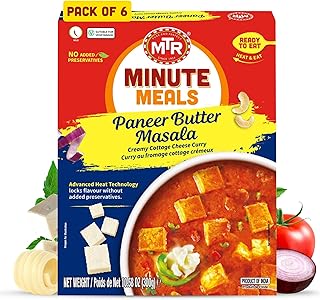

![Small Curd 2% Milkfat Cottage Cheese , delicious, creamy, and packed with protein. Enjoyed on its own, as a side dish, a snack or an ingredient in a variety of recipes, low fat cheese is extremely versatile , Hand cut curds in a rich creamy dressing for a delicious cultured dairy experience , With protein and calcium, each serving of 2% Milkfat has 13g protein and 100 calories .. [ 32 oz , 2 lb ]](https://m.media-amazon.com/images/I/51XxK9r9diL._AC_UL320_.jpg)


Production Process: The methods used to make paneer versus cottage cheese, highlighting key differences
Paneer and cottage cheese are both popular dairy products, but their production processes differ significantly. Paneer is a type of Indian cheese made by curdling milk with an acid, such as lemon juice or vinegar. The curds are then drained and pressed into a solid block. This process is relatively simple and does not require any aging or additional ingredients. Cottage cheese, on the other hand, is made by curdling milk with an acid and then draining the curds. However, unlike paneer, cottage cheese is not pressed into a solid block. Instead, it is left in small curds and often mixed with cream or milk to create a smoother texture.
One key difference between the production processes of paneer and cottage cheese is the use of rennet. Rennet is an enzyme that helps to curdle milk and is commonly used in the production of many types of cheese. However, paneer is typically made without rennet, as it is not necessary for the curdling process. Cottage cheese, on the other hand, is often made with rennet, which helps to create a firmer curd.
Another difference between the two production processes is the temperature at which the milk is curdled. Paneer is typically made by heating the milk to a high temperature, which helps to denature the proteins and create a firmer curd. Cottage cheese, on the other hand, is often made by heating the milk to a lower temperature, which results in a softer curd.
The production processes of paneer and cottage cheese also differ in terms of the amount of time required. Paneer can be made relatively quickly, as it does not require any aging or additional steps. Cottage cheese, on the other hand, often requires a longer production time, as the curds need to be drained and the cheese may need to be aged.
In summary, while both paneer and cottage cheese are made by curdling milk with an acid, their production processes differ significantly in terms of the use of rennet, the temperature at which the milk is curdled, and the amount of time required. These differences result in two distinct dairy products with unique textures and flavors.
Exploring Cottage Cheese: A Gluten-Free Delight for Health Enthusiasts
You may want to see also
Explore related products



Culinary Uses: Typical dishes and recipes where paneer or cottage cheese is used, showcasing their versatility
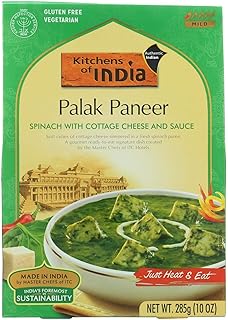
Paneer, a staple in Indian cuisine, is a versatile ingredient used in a variety of dishes, from savory to sweet. One of the most common uses of paneer is in curries, where it is cubed and cooked in rich, flavorful sauces. For example, Paneer Tikka Masala is a popular dish where paneer is marinated in spices, grilled, and then simmered in a creamy tomato-based sauce. Another beloved dish is Palak Paneer, where paneer is combined with spinach and spices to create a hearty, nutritious curry.
In addition to curries, paneer is also used in a variety of snacks and appetizers. Paneer Pakoras, for instance, are a popular street food where paneer is coated in chickpea flour batter and deep-fried until crispy. Paneer can also be used in salads, like the Paneer Salad, where it is crumbled over a bed of fresh vegetables and dressed with a tangy vinaigrette.
Cottage cheese, on the other hand, is a common ingredient in Western cuisine and is often used in breakfast dishes, salads, and desserts. One of the most classic uses of cottage cheese is in Cottage Cheese Pancakes, where it is mixed with flour, eggs, and spices to create a protein-packed breakfast option. Cottage cheese is also a key ingredient in many salad recipes, like the Cottage Cheese and Fruit Salad, where it is combined with fresh fruit and a light dressing.
In desserts, cottage cheese is often used as a healthier alternative to cream cheese or ricotta. For example, Cottage Cheese Cheesecake is a popular dessert where cottage cheese is blended with cream cheese, sugar, and eggs to create a rich, creamy filling. Cottage cheese can also be used in savory dishes, like the Cottage Cheese and Herb Dip, where it is mixed with herbs and spices to create a flavorful appetizer.
Both paneer and cottage cheese are incredibly versatile ingredients that can be used in a wide range of dishes. While they have different origins and flavor profiles, they both offer a variety of culinary possibilities that make them popular choices in their respective cuisines.
Protein Power: Cottage Cheese Flatbread Nutrition Uncovered
You may want to see also
Explore related products


Cultural Significance: The roles of paneer and cottage cheese in different cuisines and dietary traditions
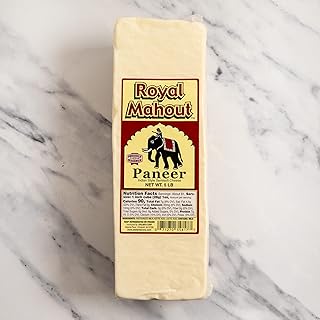
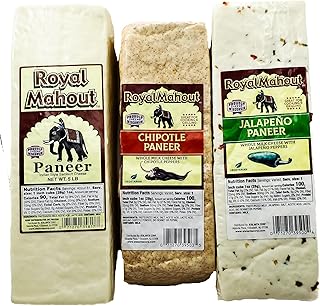
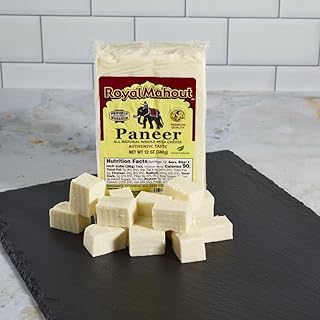
Paneer and cottage cheese, while similar in appearance and texture, play distinct roles in various cuisines and dietary traditions around the world. Paneer, a staple in Indian cuisine, is often used in savory dishes such as curries, stir-fries, and grilled preparations. Its firm texture and mild flavor make it a versatile ingredient that can absorb the rich spices and flavors of Indian cooking. In contrast, cottage cheese is a common ingredient in Western diets, frequently consumed as a snack, in salads, or as a topping for fruits and vegetables. It is known for its creamy texture and is often associated with health and wellness due to its high protein content and low-calorie count.
In Indian culture, paneer is not only a culinary staple but also holds cultural significance. It is a key ingredient in many traditional dishes served during festivals and special occasions. For example, during the festival of Makar Sankranti, paneer is often used in sweets such as paneer laddu and paneer barfi. Additionally, paneer is a popular choice for vegetarians and vegans in Indian cuisine, providing a valuable source of protein in a diet that often relies heavily on plant-based foods.
Cottage cheese, on the other hand, has a strong presence in European and American cuisines. In Eastern European countries, it is a common ingredient in dishes such as pierogi and blintzes. In the United States, cottage cheese is often consumed as a standalone snack or incorporated into recipes for dips, spreads, and desserts. Its association with health and fitness has made it a popular choice among athletes and those looking to maintain a balanced diet.
While both paneer and cottage cheese are made from milk and have similar production processes, their cultural significance and culinary uses are distinct. Paneer is deeply rooted in Indian culinary traditions and is celebrated for its versatility and ability to enhance the flavors of various dishes. Cottage cheese, with its creamy texture and health benefits, has found a place in Western diets as a nutritious and convenient food option. Understanding the unique roles of these two dairy products in different cuisines and dietary traditions can help us appreciate their cultural significance and culinary value.
Delicious Daisy Cottage Cheese with Fruit: Your Ultimate Buying Guide
You may want to see also
Frequently asked questions
While paneer and cottage cheese are both fresh cheeses made from milk, they are not exactly the same. Paneer is a type of cheese commonly used in South Asian cuisine, particularly in Indian dishes. It is made by curdling milk with an acid like lemon juice or vinegar and then draining the whey. Cottage cheese, on the other hand, is a fresh cheese popular in Western countries, made by curdling milk with an acid and then draining the whey, similar to paneer. However, cottage cheese often has a softer texture and a milder flavor compared to paneer, which can be firmer and have a slightly tangy taste.
Paneer can often be substituted for cottage cheese in recipes, especially in dishes where the cheese is not the primary ingredient. However, it's important to note that paneer has a firmer texture and a slightly different flavor profile than cottage cheese, so the substitution may alter the final taste and texture of the dish. In recipes where the texture of the cheese is crucial, such as in cheesecake or certain desserts, it's best to stick with the cheese called for in the recipe.
Paneer is commonly used in South Asian cuisine, particularly in Indian dishes. It can be cubed and added to curries, grilled or pan-fried for snacks, or used in desserts like paneer tikka or paneer jalebi. Cottage cheese, on the other hand, is popular in Western countries and can be eaten on its own as a snack, added to salads, used in dips and spreads, or incorporated into desserts like cheesecake or cottage cheese pancakes. Both cheeses are versatile ingredients that can be used in a variety of dishes.