 Bushra Griffith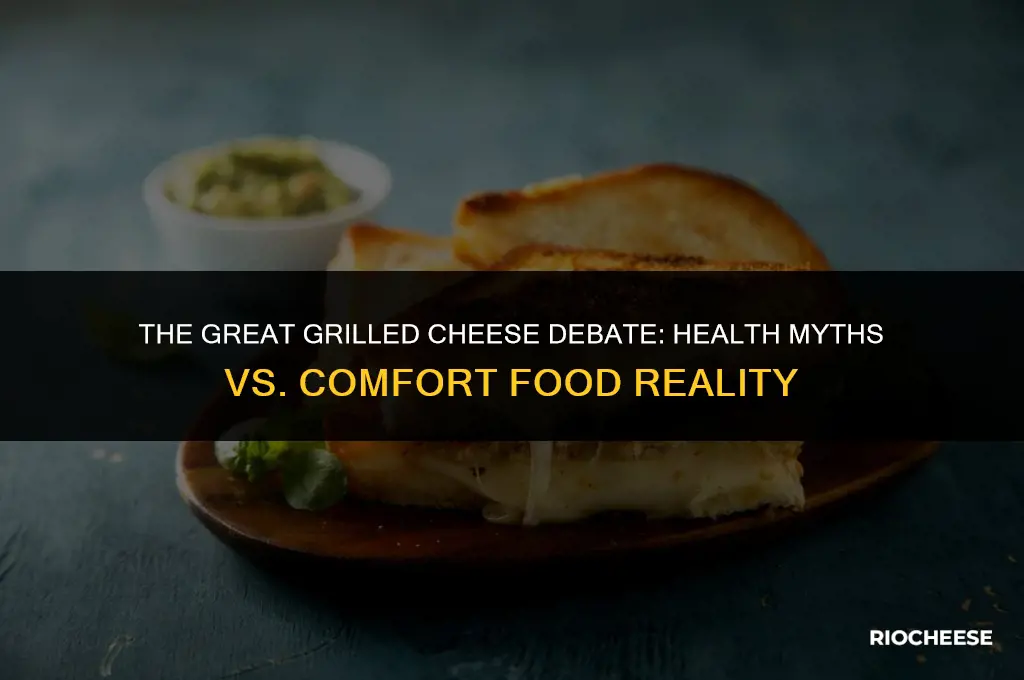
Grilled cheese sandwiches are a beloved comfort food for many, but their nutritional value often comes into question. While they can be a source of protein and calcium from the cheese, they are also typically high in calories, saturated fat, and sodium. The bread, often white or processed, can contribute to a higher glycemic index, potentially causing blood sugar spikes. However, moderation is key, and incorporating whole grain bread or adding vegetables can improve the nutritional profile. Ultimately, whether grilled cheese is 'bad' depends on individual dietary needs and how often it is consumed as part of a balanced diet.
Explore related products


What You'll Learn
- Nutritional Content: Grilled cheese can be high in calories, saturated fats, and sodium, contributing to health issues if consumed excessively
- Cholesterol Levels: The combination of cheese and butter in grilled cheese can raise cholesterol levels, potentially increasing heart disease risk
- Lactose Intolerance: Individuals with lactose intolerance may experience digestive discomfort due to the high lactose content in cheese
- Gluten Sensitivity: The bread in grilled cheese contains gluten, which can cause adverse reactions in people with celiac disease or gluten sensitivity
- Environmental Impact: The production of cheese and bread can have significant environmental impacts, including greenhouse gas emissions and resource consumption

Nutritional Content: Grilled cheese can be high in calories, saturated fats, and sodium, contributing to health issues if consumed excessively
Grilled cheese sandwiches, a beloved comfort food for many, can be a significant source of calories, saturated fats, and sodium. These nutritional components, when consumed in excess, can contribute to various health issues such as obesity, heart disease, and hypertension. A single grilled cheese sandwich made with two slices of white bread and two ounces of cheddar cheese can contain approximately 350 calories, 20 grams of fat (of which 10 grams are saturated), and 600 milligrams of sodium. These values can vary depending on the type of bread and cheese used, as well as any additional ingredients like butter or meat.
The high calorie content in grilled cheese sandwiches primarily comes from the combination of bread and cheese, both of which are calorie-dense foods. Saturated fats, found abundantly in cheese and butter, can raise LDL (bad) cholesterol levels, increasing the risk of cardiovascular diseases. Sodium, used as a preservative in processed cheeses and breads, can lead to high blood pressure and other related health problems when consumed in large quantities.
To mitigate these health risks, it is essential to practice moderation and balance in one's diet. Limiting the frequency of grilled cheese consumption, opting for whole-grain bread, and choosing lower-fat cheese varieties can help reduce the calorie, saturated fat, and sodium intake. Additionally, incorporating more fruits, vegetables, and lean proteins into one's meals can provide essential nutrients while promoting overall health and well-being.
In conclusion, while grilled cheese sandwiches can be a tasty and satisfying meal option, their high nutritional content necessitates mindful consumption. By making informed choices and maintaining a balanced diet, individuals can enjoy this classic comfort food without compromising their health.
Exploring the Nutritional Value of Avocado Grilled Cheese
You may want to see also
Explore related products


Cholesterol Levels: The combination of cheese and butter in grilled cheese can raise cholesterol levels, potentially increasing heart disease risk
The combination of cheese and butter in grilled cheese sandwiches can significantly raise cholesterol levels, posing a potential risk for heart disease. This is primarily due to the high saturated fat content found in both ingredients. Saturated fats are known to increase low-density lipoprotein (LDL) cholesterol, often referred to as "bad" cholesterol, which can lead to the buildup of plaque in the arteries and subsequently increase the risk of cardiovascular diseases.
A single grilled cheese sandwich made with butter can contain a substantial amount of saturated fat. For instance, 1 tablespoon of butter contains approximately 7 grams of saturated fat, and some recipes call for even more butter to achieve a crispy texture. Cheese, while a good source of protein and calcium, also contributes to the saturated fat content. Hard cheeses like cheddar, commonly used in grilled cheese, can have higher levels of saturated fat compared to softer cheeses.
It's important to note that while grilled cheese can be a tasty comfort food, moderation is key. Consuming it occasionally as part of a balanced diet is unlikely to cause significant harm. However, for individuals with high cholesterol or those at risk for heart disease, it may be advisable to limit the frequency of grilled cheese consumption or to make healthier modifications, such as using whole-grain bread, reducing the amount of cheese, or substituting butter with a healthier oil like olive oil.
In addition to dietary modifications, regular physical activity and maintaining a healthy weight can also help manage cholesterol levels and reduce the risk of heart disease. It's always a good idea to consult with a healthcare professional for personalized advice on managing cholesterol and maintaining heart health.
The Ultimate Guide to Perfectly Grilled Cheese Sandwiches
You may want to see also
Explore related products



Lactose Intolerance: Individuals with lactose intolerance may experience digestive discomfort due to the high lactose content in cheese
Individuals with lactose intolerance may experience digestive discomfort due to the high lactose content in cheese. This condition occurs when the body lacks sufficient lactase, the enzyme responsible for breaking down lactose, the primary sugar in dairy products. As a result, consuming cheese and other dairy items can lead to symptoms such as bloating, gas, abdominal pain, and diarrhea.
The severity of lactose intolerance can vary widely among individuals. Some people may be able to tolerate small amounts of lactose without experiencing symptoms, while others may react strongly to even trace amounts. This variability makes it challenging to provide a one-size-fits-all approach to managing lactose intolerance. However, there are several strategies that individuals can employ to minimize their symptoms while still enjoying cheese and other dairy products.
One approach is to choose cheeses that are lower in lactose. For example, aged cheeses such as cheddar, Swiss, and Parmesan typically contain less lactose than softer, fresher cheeses like mozzarella and feta. Additionally, some dairy products are available in lactose-free or low-lactose versions, which can be a good option for individuals with lactose intolerance.
Another strategy is to consume dairy products in smaller portions or to spread them out throughout the day. This can help to reduce the overall amount of lactose consumed at any one time, making it easier for the body to digest. Some individuals may also find it helpful to take lactase supplements, which can aid in the digestion of lactose.
It's important to note that lactose intolerance is not the same as a milk allergy. While both conditions can cause digestive symptoms, a milk allergy is an immune response to the proteins in milk, whereas lactose intolerance is a digestive issue related to the sugar content. Individuals with lactose intolerance may still be able to consume some dairy products without experiencing symptoms, whereas those with a milk allergy must avoid all dairy products to prevent an allergic reaction.
In conclusion, individuals with lactose intolerance may experience digestive discomfort due to the high lactose content in cheese, but there are several strategies that can help to minimize symptoms. By choosing lower-lactose cheeses, consuming dairy products in smaller portions, and considering lactase supplements, individuals with lactose intolerance can still enjoy cheese and other dairy products without significant discomfort.
Delicious DIY: Creating the Perfect Grilled Cheese Bar at Home
You may want to see also
Explore related products



![Goodles Shella Good Aged White Cheddar and Shells Pasta - Nutrient Packed with Real Cheese, Fiber, Protein, Prebiotics, Plants, & Vegetables | Non-GMO, Organic Ingredients [Shella Good, 6 oz. 1 Pack]](https://m.media-amazon.com/images/I/71VMu-NnBHL._AC_UL320_.jpg)

Gluten Sensitivity: The bread in grilled cheese contains gluten, which can cause adverse reactions in people with celiac disease or gluten sensitivity
For individuals with gluten sensitivity or celiac disease, the bread in grilled cheese can be a significant concern. Gluten, a protein found in wheat, barley, and rye, can trigger adverse reactions in those with these conditions. Symptoms can range from mild discomfort to severe health issues, including digestive problems, fatigue, and even long-term complications like malnutrition and osteoporosis.
It's crucial for those with gluten sensitivity to be aware of the ingredients in their food. Grilled cheese, typically made with wheat bread, is not naturally gluten-free. However, there are alternatives available. Using gluten-free bread can make this classic comfort food accessible to those who need to avoid gluten. It's also important to note that cross-contamination can occur if gluten-free bread is prepared on surfaces or with utensils that have come into contact with gluten-containing foods.
When dining out, individuals with gluten sensitivity should communicate their needs clearly with restaurant staff. Many establishments now offer gluten-free options, but it's essential to verify that the bread used is indeed gluten-free and that proper precautions have been taken to avoid cross-contamination.
In summary, while grilled cheese can be problematic for those with gluten sensitivity, there are ways to enjoy this beloved dish safely. By being proactive and informed, individuals can make choices that protect their health while still allowing them to indulge in their favorite foods.
Savoring Health: The Truth About Grilled Cheese and Fat Content
You may want to see also
Explore related products




Environmental Impact: The production of cheese and bread can have significant environmental impacts, including greenhouse gas emissions and resource consumption
The production of cheese and bread, key components of a classic grilled cheese sandwich, can have substantial environmental impacts. Cheese production, in particular, is a significant contributor to greenhouse gas emissions, primarily due to the methane produced by cows during digestion. This methane, a potent greenhouse gas, is released into the atmosphere, contributing to climate change. Additionally, the process of cheese-making requires large amounts of water and energy, further straining natural resources.
Bread production also has its environmental challenges. The cultivation of wheat, a primary ingredient in bread, often involves the use of pesticides and fertilizers, which can lead to soil degradation and water pollution. Furthermore, the baking process consumes energy, and the transportation of bread from bakeries to stores and eventually to consumers adds to the carbon footprint.
When considering the environmental impact of a grilled cheese sandwich, it's essential to think about the entire lifecycle of its ingredients, from farm to table. This includes the resources used in packaging and the energy consumed during cooking. Simple actions, such as choosing locally sourced ingredients, reducing food waste, and using energy-efficient cooking methods, can help mitigate these environmental impacts.
In conclusion, while enjoying a grilled cheese sandwich, it's crucial to be mindful of the environmental costs associated with its production. By making informed choices and adopting sustainable practices, we can help reduce the ecological footprint of this beloved comfort food.
Melt into Fun: Hosting the Ultimate Grilled Cheese Party
You may want to see also
Frequently asked questions
Grilled cheese can be part of a balanced diet, but it's important to consider the ingredients and preparation method. Whole grain bread and moderate amounts of cheese can provide nutritional benefits, while excessive butter or processed cheese can increase calorie and saturated fat intake.
The frequency of eating grilled cheese depends on your overall diet and health goals. As an occasional treat, it's unlikely to cause harm, but consuming it daily may lead to an imbalanced diet due to its high calorie and fat content.
Healthier alternatives to traditional grilled cheese include using whole grain bread, reducing the amount of cheese, incorporating vegetables like spinach or tomatoes, and using healthier fats like olive oil instead of butter.
Yes, grilled cheese can provide nutritional benefits such as protein, calcium, and vitamins from the cheese, as well as fiber and B vitamins from whole grain bread. However, it's important to balance these benefits with the potential drawbacks of high calorie and fat content.
Absolutely! Adding ingredients like sliced vegetables (such as bell peppers, onions, or mushrooms), lean meats (like turkey or chicken), or avocado can increase the nutritional value of your grilled cheese by providing additional vitamins, minerals, and healthy fats.


![Goodles Cheddy Mac Creamy Cheddar and Macaroni Pasta - Nutrient Packed with Real Cheese, Fiber, Protein, Prebiotics, Plants, & Vegetables | Non-GMO, Organic Ingredients [Cheddy Mac, 6 oz. 1 Pack]](https://m.media-amazon.com/images/I/71WpxmocD7L._AC_UL320_.jpg)


