 Kamil Perry
When it comes to dietary restrictions and preferences, understanding the ingredients and processing methods of food products is crucial. For individuals who are lactose intolerant or follow a dairy-free diet, knowing whether certain foods contain lactose is essential. Grated Parmesan cheese, a popular topping for pasta dishes, salads, and more, is often a point of curiosity in this regard. The question of whether grated Parmesan cheese is lactose-free is not straightforward, as it depends on several factors, including the specific type of Parmesan cheese and the processing methods used.
Explore related products


What You'll Learn
- Lactose Content in Parmesan: Understanding the lactose levels in aged cheeses like Parmesan
- Lactose Intolerance and Cheese: How individuals with lactose intolerance react to Parmesan cheese
- Aging Process and Lactose: The impact of the aging process on lactose content in Parmesan
- Nutritional Information: Examining the nutritional label of Parmesan cheese for lactose content
- Alternative Cheeses: Exploring lactose-free cheese options for those sensitive to lactose

Lactose Content in Parmesan: Understanding the lactose levels in aged cheeses like Parmesan
Aged cheeses like Parmesan undergo a natural process during maturation that significantly reduces their lactose content. This transformation is primarily due to the activity of lactase enzymes present in the cheese, which break down lactose into simpler sugars like glucose and galactose. As a result, Parmesan cheese contains very low levels of lactose, typically less than 0.01 grams per 100 grams of cheese. This makes it a suitable option for individuals with lactose intolerance who still wish to enjoy the rich flavor and nutritional benefits of cheese.
The lactose content in Parmesan can vary slightly depending on factors such as the specific production process, the age of the cheese, and the type of milk used. However, in general, aged hard cheeses like Parmesan are known for their minimal lactose levels. For comparison, fresh cheeses like mozzarella or cream cheese contain much higher amounts of lactose, often ranging from 2 to 5 grams per 100 grams of cheese.
It's important to note that while Parmesan cheese is low in lactose, it is not completely lactose-free. Individuals with severe lactose intolerance may still experience symptoms if they consume large quantities of Parmesan. Additionally, some manufacturers may produce lactose-free versions of Parmesan cheese, which are specifically designed to contain no detectable levels of lactose. These products are typically labeled as "lactose-free" or "suitable for lactose intolerant individuals."
In summary, Parmesan cheese is a low-lactose option that can be enjoyed by many people with lactose intolerance. Its unique aging process and natural enzymatic activity make it a flavorful and nutritious choice for those looking to minimize their lactose intake. However, for individuals with severe lactose intolerance, it's essential to monitor portion sizes and consider lactose-free alternatives when available.
Exploring the Solubility of Grated Parmesan Cheese: A Culinary Insight
You may want to see also
Explore related products


Lactose Intolerance and Cheese: How individuals with lactose intolerance react to Parmesan cheese
Individuals with lactose intolerance often find themselves navigating a complex dietary landscape, especially when it comes to dairy products like cheese. Parmesan cheese, known for its rich flavor and versatility in cooking, poses a particular challenge. Despite being lower in lactose compared to some other cheeses, Parmesan still contains trace amounts of this sugar, which can be problematic for those with lactose intolerance.
The reaction to Parmesan cheese among lactose intolerant individuals can vary widely. Some may experience mild symptoms such as bloating or gas, while others might face more severe gastrointestinal issues like abdominal pain or diarrhea. These reactions depend on the individual's level of lactose intolerance and the amount of Parmesan cheese consumed. It's important to note that lactose intolerance is not an allergy but rather an inability to digest lactose properly due to a deficiency in lactase, the enzyme responsible for breaking down lactose in the digestive system.
For those who enjoy the taste of Parmesan and wish to incorporate it into their diet, there are a few strategies to consider. One approach is to consume Parmesan in small quantities, allowing the body to adjust and potentially minimizing adverse reactions. Another option is to look for lactose-free or reduced-lactose Parmesan cheese, which is specifically processed to remove or reduce the lactose content. Additionally, taking lactase supplements before consuming Parmesan can help some individuals digest the lactose more effectively.
It's also worth exploring alternative cheeses that are naturally lower in lactose or lactose-free, such as aged cheddar, Swiss, or goat cheese. These options can provide similar flavors and textures to Parmesan without the associated lactose content. Ultimately, individuals with lactose intolerance should consult with a healthcare professional or a registered dietitian to develop a personalized dietary plan that balances their nutritional needs with their lactose tolerance levels.
In conclusion, while Parmesan cheese is not entirely lactose-free, there are ways for lactose intolerant individuals to enjoy it in moderation or find suitable alternatives. By understanding their own tolerance levels and exploring different options, those with lactose intolerance can still savor the flavors of cheese without compromising their digestive health.
Exploring Vegan Options: Is Go Veggie Parmesan Cheese Vegan?
You may want to see also
Explore related products


Aging Process and Lactose: The impact of the aging process on lactose content in Parmesan
The aging process plays a crucial role in determining the lactose content of Parmesan cheese. As Parmesan ages, the lactose within it undergoes a natural breakdown, facilitated by the enzymes present in the cheese. This enzymatic activity converts lactose into simpler sugars, such as glucose and galactose, which are then further metabolized or evaporated during the aging process. Consequently, aged Parmesan cheese typically contains significantly lower levels of lactose compared to its younger counterparts.
The duration of the aging process directly influences the extent of lactose reduction. Parmesan cheese that has been aged for a longer period, often referred to as "Parmigiano-Reggiano," tends to have a much lower lactose content. This is because the extended aging period allows for more thorough enzymatic activity and evaporation of the lactose. In contrast, younger Parmesan cheeses, which have not undergone as much aging, retain more of their original lactose content.
It is important to note that while the aging process does reduce lactose levels, it does not completely eliminate lactose from Parmesan cheese. Individuals with severe lactose intolerance may still experience symptoms when consuming aged Parmesan, although the severity of these symptoms may be lessened compared to consuming younger, higher-lactose cheeses.
In summary, the aging process significantly impacts the lactose content of Parmesan cheese, with longer aging periods resulting in lower lactose levels. This makes aged Parmesan a more suitable option for individuals with lactose intolerance, although it is not entirely lactose-free.
Exploring the Vegetarian Status of Coles Parmesan Cheese
You may want to see also
Explore related products

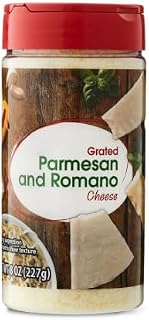


Nutritional Information: Examining the nutritional label of Parmesan cheese for lactose content
To determine if grated Parmesan cheese is lactose-free, we need to examine its nutritional label closely. The nutritional information provides a detailed breakdown of the cheese's components, including its lactose content. Lactose is a type of sugar found in milk and dairy products, and individuals with lactose intolerance may need to avoid or limit their intake of foods containing lactose.
When looking at the nutritional label of Parmesan cheese, we should focus on the carbohydrate section. Lactose is classified as a carbohydrate, and it will be listed under this category. The label will typically specify the amount of lactose per serving, usually measured in grams. If the label indicates that there is 0 grams of lactose per serving, then the grated Parmesan cheese can be considered lactose-free.
However, it's important to note that some nutritional labels may not explicitly list lactose as a separate ingredient. In such cases, we need to look for other indicators. For example, if the label mentions that the cheese contains "milk" or "whey," it is likely to contain lactose, as these ingredients are derived from milk. Additionally, some labels may include a statement indicating that the product is "lactose-free" or suitable for individuals with lactose intolerance.
In conclusion, examining the nutritional label of grated Parmesan cheese is crucial to determine its lactose content. By carefully analyzing the carbohydrate section and looking for specific indicators, we can make an informed decision about whether the cheese is suitable for those with lactose intolerance or dietary restrictions.
Unveiling the Truth: Is Frigo Parmesan Cheese Authentic?
You may want to see also
Explore related products
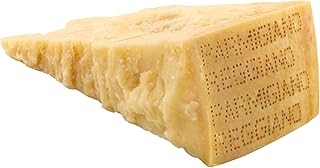
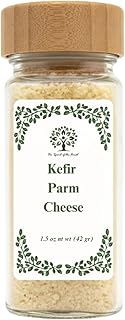


Alternative Cheeses: Exploring lactose-free cheese options for those sensitive to lactose
For individuals with lactose intolerance, the quest for flavorful cheese alternatives can be a challenging one. Fortunately, the market has responded with a variety of lactose-free options that cater to diverse palates and culinary needs. One such alternative is lactose-free Parmesan cheese, which offers the rich, umami flavor of traditional Parmesan without the lactose content that can cause digestive discomfort.
Lactose-free Parmesan cheese is typically made by substituting the lactose in regular Parmesan with a lactose-free ingredient, such as corn syrup or another type of sugar. This process allows the cheese to maintain its distinctive taste and texture while becoming suitable for those with lactose sensitivity. When grated, lactose-free Parmesan can be used as a topping for pasta dishes, salads, and other recipes where a sprinkle of Parmesan would traditionally be added.
In addition to lactose-free Parmesan, there are several other cheese alternatives available for those with lactose intolerance. Vegan cheeses, made from plant-based ingredients like nuts, seeds, and soy, offer a cruelty-free and lactose-free option. These cheeses can be found in a variety of styles, from soft and spreadable to hard and sliceable, and can be used in much the same way as traditional dairy cheeses.
Another option for lactose-sensitive individuals is to choose aged cheeses, which naturally contain less lactose than their fresher counterparts. Cheeses like aged cheddar, Gouda, and Swiss have lower lactose levels due to the fermentation process, which breaks down much of the lactose. However, it's important to note that these cheeses may still contain some lactose, so individuals with severe lactose intolerance should exercise caution.
When exploring lactose-free cheese options, it's essential to read labels carefully and look for certifications that indicate the product is truly lactose-free. Additionally, some individuals may find that they can tolerate small amounts of lactose, so experimenting with different types and amounts of cheese can help determine personal tolerance levels.
In conclusion, the availability of lactose-free Parmesan cheese and other alternative cheeses has made it possible for those with lactose intolerance to enjoy the flavors and textures of cheese without the associated digestive issues. By understanding the different options available and making informed choices, individuals can find a lactose-free cheese that suits their taste preferences and dietary needs.
The Truth About Parmesan: Is Fresh Cheese Fattening?
You may want to see also
Frequently asked questions
Generally, Parmesan cheese is considered to be lactose-free because the fermentation process breaks down most of the lactose. However, individuals with severe lactose intolerance should still exercise caution.
Parmesan cheese is made by fermenting cow's milk with specific bacterial cultures. During fermentation, these bacteria convert lactose into lactic acid, which gives the cheese its characteristic flavor and reduces its lactose content significantly.
Yes, other hard cheeses like Pecorino Romano, aged Gouda, and aged Cheddar also have low lactose content due to the fermentation process. These cheeses are often well-tolerated by individuals with lactose intolerance.
Grated Parmesan cheese is a versatile ingredient commonly used to add flavor to various dishes. It can be sprinkled over pasta, salads, and soups, or used as a topping for pizzas and casseroles. Additionally, it can be incorporated into sauces, dips, and dressings to enhance their taste.


![Freshly grated, award-winning Grated Parmesan Cheese parmesan cheese is made with fresh milk gathered from local Wisconsin farmers. Aged for more than 10 months, it features a sweet, nutty flavor and tantalizing aroma that make it a tempting addition to a range of recipes. [ 16 oz , 1 lb ]](https://m.media-amazon.com/images/I/51aeKf2K17L._AC_UL320_.jpg)


