Andy Montoya
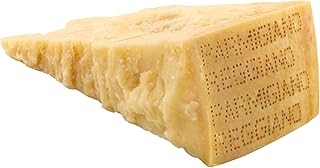
Grana Padano is a popular Italian hard cheese known for its rich flavor and versatility in cooking. For individuals with lactose intolerance, the suitability of Grana Padano in their diet is a common question. The cheese undergoes an aging process that typically reduces its lactose content significantly. While it may not be completely lactose-free, the levels are often low enough to be tolerated by many people with lactose intolerance. However, it's essential to note that the lactose content can vary depending on the specific production methods and aging duration.
Explore related products


What You'll Learn
- Grana Padano Cheese Composition: Understanding the ingredients and production process of Grana Padano cheese
- Lactose Content in Cheese: Exploring how lactose is typically present in cheeses and its role
- Lactose Intolerance and Cheese: Discussing the implications of lactose intolerance for cheese consumption
- Grana Padano as a Lactose-Free Option: Investigating whether Grana Padano cheese is suitable for those avoiding lactose
- Alternative Lactose-Free Cheeses: Listing other cheese options that are known to be lactose-free for dietary considerations

Grana Padano Cheese Composition: Understanding the ingredients and production process of Grana Padano cheese
Grana Padano cheese is a renowned Italian hard cheese, celebrated for its rich flavor and versatility in culinary applications. The composition of Grana Padano is primarily based on cow's milk, which is the fundamental ingredient contributing to its creamy texture and distinctive taste. The production process involves several key steps, starting with the selection of high-quality milk from cows that are fed a specific diet to ensure the milk's nutritional profile aligns with the cheese's requirements.
The milk is then heated and mixed with rennet, an enzyme that facilitates the coagulation process, leading to the formation of curds. These curds are subsequently pressed and shaped into large wheels, which are aged for a minimum of 12 months. During the aging process, the cheese develops its characteristic granular texture and complex flavor profile, influenced by the environmental conditions and the care taken by the cheesemakers.
One of the critical aspects of Grana Padano's composition is its lactose content. Lactose is a sugar found in milk, and its presence in cheese can vary depending on the aging process. In the case of Grana Padano, the extended aging period allows for the breakdown of lactose, resulting in a cheese that is generally considered to be lactose-free. This makes it a suitable option for individuals who are lactose intolerant or prefer to avoid lactose in their diet.
However, it is essential to note that while Grana Padano is typically lactose-free, there can be variations depending on the specific batch and production method. Some manufacturers may use different techniques or ingredients that could affect the lactose content. Therefore, it is always advisable for individuals with lactose intolerance to check the label or consult with the manufacturer to ensure the cheese meets their dietary needs.
In summary, Grana Padano cheese is a delicious and versatile Italian cheese made from cow's milk, with a production process that involves coagulation, pressing, shaping, and aging. Its lactose content is generally low due to the extended aging period, making it a suitable choice for those who are lactose intolerant. However, it is crucial to verify the lactose content of each specific batch to ensure it aligns with individual dietary requirements.
Exploring Gluten-Free Options: Is Flora Parmesan Cheese Safe for Celiacs?
You may want to see also
Explore related products


Lactose Content in Cheese: Exploring how lactose is typically present in cheeses and its role
Cheese is a dairy product made from milk, and lactose is a natural sugar found in milk. During the cheese-making process, lactose is partially broken down by enzymes, but the extent of this breakdown varies depending on the type of cheese and the aging process. Hard cheeses, like Grana Padano, typically have lower lactose content compared to soft cheeses because the aging process allows for more lactose to be fermented and broken down.
Grana Padano cheese is an Italian hard cheese that is aged for a minimum of 12 months. The aging process involves the action of enzymes and bacteria that break down lactose into simpler sugars, which are then further metabolized. This results in a cheese that is generally well-tolerated by individuals with lactose intolerance. However, it is important to note that while Grana Padano cheese has lower lactose content than many other cheeses, it is not completely lactose-free.
The lactose content in cheese can vary widely depending on the type of cheese and the specific production methods used. For example, some cheeses may be made with the addition of lactase enzymes to further reduce lactose content. Other cheeses may be made from milk that has been treated to remove lactose. It is important for individuals with lactose intolerance to be aware of the lactose content in different types of cheese and to choose cheeses that are appropriate for their dietary needs.
In conclusion, while Grana Padano cheese is not completely lactose-free, it does have lower lactose content than many other types of cheese due to its aging process. This makes it a good option for individuals with lactose intolerance who still want to enjoy cheese as part of their diet. However, it is important to be aware of the lactose content in different types of cheese and to choose cheeses that are appropriate for individual dietary needs.
Discovering the Truth: Is Frigo Cheese Heads String Cheese Gluten-Free?
You may want to see also
Explore related products


Lactose Intolerance and Cheese: Discussing the implications of lactose intolerance for cheese consumption
Lactose intolerance is a common digestive issue that affects millions of people worldwide. It occurs when the body lacks the enzyme lactase, which is necessary to break down lactose, a sugar found in milk and dairy products. For individuals with lactose intolerance, consuming cheese can be problematic, as it often contains significant amounts of lactose.
The implications of lactose intolerance for cheese consumption are multifaceted. Firstly, individuals with lactose intolerance may experience uncomfortable symptoms such as bloating, gas, diarrhea, and stomach cramps after consuming cheese. These symptoms can range from mild to severe, depending on the individual's level of lactose intolerance and the amount of cheese consumed.
Secondly, lactose intolerance can limit the types of cheese that individuals can enjoy. Cheeses with lower lactose content, such as aged cheeses like Grana Padano, may be more tolerable for some individuals. However, even these cheeses may still contain enough lactose to cause symptoms in more sensitive individuals.
Thirdly, lactose intolerance can impact the nutritional intake of individuals who avoid cheese due to their condition. Cheese is a rich source of calcium, protein, and other essential nutrients. Individuals with lactose intolerance may need to find alternative sources of these nutrients or consider taking supplements to ensure they meet their dietary needs.
Lastly, lactose intolerance can have social and cultural implications for cheese consumption. In many cultures, cheese is a staple food and is often served at social gatherings and events. Individuals with lactose intolerance may need to navigate these situations carefully, either by avoiding cheese altogether or by finding lactose-free alternatives.
In conclusion, lactose intolerance can have significant implications for cheese consumption, affecting individuals' health, nutrition, and social interactions. It is important for individuals with lactose intolerance to be aware of their condition and to make informed choices about their diet to ensure they can enjoy a variety of foods while managing their symptoms.
Exploring Finlandia Swiss Cheese: Lactose-Free Delight or Dairy Dilemma?
You may want to see also
Explore related products




Grana Padano as a Lactose-Free Option: Investigating whether Grana Padano cheese is suitable for those avoiding lactose
Grana Padano cheese, a renowned Italian hard cheese, is often sought after for its rich flavor and versatility in culinary applications. However, for individuals with lactose intolerance or those following a lactose-free diet, the suitability of Grana Padano becomes a matter of investigation. The cheese is made from cow's milk, which is a common source of lactose, a sugar that some people have difficulty digesting due to a deficiency in lactase enzyme.
To determine whether Grana Padano can be considered a lactose-free option, it is essential to understand the cheese-making process and the factors that influence lactose content. During the production of Grana Padano, the milk is fermented with specific bacterial cultures that help break down lactose into lactic acid. This process significantly reduces the lactose content in the final product. Additionally, the aging process, which can last from 9 to 24 months, further contributes to the breakdown of any remaining lactose.
Studies have shown that aged hard cheeses like Grana Padano typically contain very low levels of lactose, often less than 0.01 grams per 100 grams of cheese. This minimal amount is generally considered safe for most lactose-intolerant individuals. However, it is important to note that the lactose content can vary depending on the specific batch and aging process, so it is advisable for those with severe lactose intolerance to check with the manufacturer or consult a healthcare professional.
In conclusion, while Grana Padano cheese is not completely lactose-free, its low lactose content makes it a suitable option for many individuals who are avoiding lactose. The cheese's unique production and aging processes contribute to its reduced lactose levels, allowing those with mild to moderate lactose intolerance to enjoy its distinctive flavor and texture without significant digestive discomfort.
Exploring Galbani Part Skim Ricotta: A Gluten-Free Delight?
You may want to see also
Explore related products


Alternative Lactose-Free Cheeses: Listing other cheese options that are known to be lactose-free for dietary considerations
For individuals with lactose intolerance or those following a lactose-free diet, finding suitable cheese alternatives is crucial. While Grana Padano cheese is not lactose-free, there are several other cheese options that are known to be lactose-free. These alternatives can provide similar flavors and textures, making them suitable replacements in various recipes and dietary plans.
One popular lactose-free cheese alternative is Lactaid cheese. Lactaid is a brand that offers a range of lactose-free dairy products, including cheese. Their cheese is made from real milk but has the lactose removed, making it a suitable option for those with lactose intolerance. Another option is vegan cheese, which is made from plant-based ingredients such as nuts, seeds, and soy. Vegan cheese is naturally lactose-free and can be a good choice for those who are also avoiding animal products.
Additionally, some types of aged cheeses are known to be lower in lactose, making them more tolerable for some individuals. Cheeses like Parmesan, Pecorino Romano, and aged Gouda have lower lactose levels due to the aging process, which breaks down some of the lactose. However, it's important to note that these cheeses may still contain some lactose and may not be suitable for everyone with lactose intolerance.
When choosing lactose-free cheese alternatives, it's important to consider the specific dietary needs and preferences of the individual. Some lactose-free cheeses may have different textures or flavors compared to traditional cheeses, so it may be necessary to experiment with different options to find the best fit. Additionally, it's important to check the labels and ingredients of any cheese alternative to ensure that it meets the individual's dietary requirements.
In conclusion, there are several lactose-free cheese alternatives available for those with lactose intolerance or those following a lactose-free diet. Options range from lactose-removed dairy cheeses to plant-based vegan cheeses and aged cheeses with lower lactose levels. By considering individual dietary needs and preferences, it's possible to find suitable cheese alternatives that can be enjoyed as part of a balanced and healthy diet.
Exploring Gluten-Free Options: Is Food Club Cheese Safe for Celiacs?
You may want to see also
Frequently asked questions
Grana Padano cheese is not completely lactose-free, but it contains very low levels of lactose due to the aging process, which makes it easier to digest for many people with lactose intolerance.
Grana Padano cheese is made from cow's milk that is heated and mixed with rennet to form curds. The curds are then drained, pressed, and aged for a minimum of 12 months, during which time the lactose is broken down, resulting in a hard, granular cheese.
Grana Padano cheese is a good source of protein, calcium, and vitamins A and B12. It also contains conjugated linoleic acid (CLA), which has been linked to various health benefits, including improved immune function and reduced body fat.
Grana Padano cheese can be used in a variety of dishes, such as grating over pasta, salads, and soups, or shaving thin slices for sandwiches and appetizers. It can also be melted and used as a topping for pizzas and casseroles.
Grana Padano and Parmesan cheese are both hard, aged Italian cheeses, but they have some differences in terms of production and flavor. Grana Padano is made from cow's milk and aged for a minimum of 12 months, while Parmesan is made from a mixture of cow's and sheep's milk and aged for a minimum of 18 months. Grana Padano has a milder, nuttier flavor compared to the sharper, more pungent taste of Parmesan.