Kamil Perry
Gouda cheese, a popular variety originating from the Netherlands, is known for its rich, buttery flavor and smooth texture. It's commonly used in sandwiches, salads, and as a snack on its own. For individuals with gluten intolerance or celiac disease, it's essential to know whether Gouda cheese is safe to consume. The good news is that Gouda cheese is naturally gluten-free, as it's made from cow's milk and does not contain any wheat, barley, or rye products. However, it's crucial to be cautious about cross-contamination during processing or if the cheese is sold in a deli that also handles gluten-containing products. Always check the packaging or ask the vendor to ensure the cheese is gluten-free.
Explore related products


What You'll Learn
- Gouda Cheese Ingredients: Typically made from cow's milk, salt, and rennet; no gluten-containing ingredients
- Gluten-Free Diet: Individuals with celiac disease or gluten sensitivity must avoid gluten, found in wheat, barley, and rye
- Cheese Processing: The process of making gouda cheese does not involve any gluten-containing additives or cross-contamination
- Nutritional Information: Gouda cheese is a good source of protein, calcium, and vitamins, making it a healthy gluten-free option
- Cross-Contamination Risk: Although gouda cheese itself is gluten-free, it's essential to check for potential cross-contamination during production

Gouda Cheese Ingredients: Typically made from cow's milk, salt, and rennet; no gluten-containing ingredients
Gouda cheese, a popular variety originating from the Netherlands, is traditionally crafted from cow's milk, salt, and rennet. Rennet, an enzyme complex derived from the stomach lining of ruminant mammals, plays a crucial role in the cheese-making process by facilitating the coagulation of milk proteins. This results in the formation of curds, which are then separated from the whey and aged to develop the characteristic flavor and texture of Gouda cheese.
One of the key aspects that make Gouda cheese appealing to a wide range of consumers is its gluten-free nature. Gluten, a protein found in wheat, barley, and rye, is absent from the primary ingredients used in Gouda cheese production. This makes it a suitable option for individuals with celiac disease or gluten sensitivity who must adhere to a strict gluten-free diet.
However, it is essential to note that while the main ingredients of Gouda cheese do not contain gluten, there is a possibility of cross-contamination during the production process. For instance, if the cheese is aged on wooden shelves that have previously been used to store gluten-containing products, there is a risk of gluten transfer. Additionally, some manufacturers may use additives or flavorings that contain gluten. Therefore, it is advisable for individuals with severe gluten intolerance to check with the manufacturer or look for certifications that guarantee the cheese is gluten-free.
In summary, Gouda cheese is typically made from cow's milk, salt, and rennet, which are all gluten-free ingredients. However, due to potential cross-contamination or the use of gluten-containing additives, it is crucial for individuals with gluten sensitivity to verify the gluten-free status of the cheese before consumption.
Crunching on Flavor: Are Fritos Chili Cheese Chips Gluten-Free?
You may want to see also
Explore related products




Gluten-Free Diet: Individuals with celiac disease or gluten sensitivity must avoid gluten, found in wheat, barley, and rye
Individuals with celiac disease or gluten sensitivity must adhere to a strict gluten-free diet, which involves avoiding foods containing wheat, barley, and rye. This dietary restriction can significantly impact their daily food choices, including dairy products like cheese. Gouda cheese, a popular variety originating from the Netherlands, is typically made from cow's milk and aged for various periods, resulting in different textures and flavors.
The primary concern for those following a gluten-free diet is whether Gouda cheese contains gluten. The good news is that Gouda cheese itself does not contain gluten, as it is made solely from milk and bacterial cultures. However, there are some caveats to consider. During the aging process, Gouda cheese may be stored in facilities that also handle gluten-containing products, potentially leading to cross-contamination. Additionally, some manufacturers may use gluten-containing ingredients in their rinds or during the waxing process to enhance flavor or appearance.
To ensure that Gouda cheese is safe for consumption on a gluten-free diet, individuals should look for specific labeling or certifications indicating that the product is gluten-free. Many reputable cheese manufacturers now offer gluten-free options, clearly marked on the packaging. It is also advisable to check with the manufacturer directly or consult with a knowledgeable cheesemonger who can provide information on the specific production processes and potential gluten exposure.
In summary, while Gouda cheese itself does not contain gluten, individuals with celiac disease or gluten sensitivity should exercise caution due to potential cross-contamination or added gluten-containing ingredients. By choosing certified gluten-free options or verifying the production process, those following a gluten-free diet can safely enjoy the rich flavors and textures of Gouda cheese.
Exploring Gouda: A Journey into Dairy-Free Cheese Alternatives
You may want to see also
Explore related products


Cheese Processing: The process of making gouda cheese does not involve any gluten-containing additives or cross-contamination
The process of making Gouda cheese is inherently gluten-free, as it does not involve any gluten-containing additives or cross-contamination. Gouda cheese is made from cow's milk, which is naturally free of gluten. The cheese-making process involves several steps, including pasteurization, fermentation, and aging, none of which introduce gluten into the product.
During pasteurization, the milk is heated to a high temperature to kill any harmful bacteria. This process does not involve any gluten-containing substances. After pasteurization, the milk is cooled and then fermented using specific bacterial cultures. These cultures are carefully selected to ensure that they do not contain any gluten. The fermentation process converts the lactose in the milk into lactic acid, which helps to preserve the cheese and gives it its characteristic flavor.
Once the milk has been fermented, it is coagulated using rennet, an enzyme that helps to separate the curds from the whey. The curds are then washed and pressed to remove any remaining whey. This process is also gluten-free, as rennet and other enzymes used in cheese-making are derived from sources that do not contain gluten.
After the curds have been pressed, they are aged in a controlled environment. During this time, the cheese develops its characteristic texture and flavor. The aging process does not involve any gluten-containing substances, and the cheese is regularly tested to ensure that it remains gluten-free.
In conclusion, the process of making Gouda cheese is completely gluten-free, from the initial pasteurization of the milk to the final aging of the cheese. This makes Gouda cheese a safe and delicious option for people with gluten intolerance or celiac disease.
Exploring Gluten-Free Options: Is Food Club Cheese Safe for Celiacs?
You may want to see also
Explore related products


![Gouda Cheese is an award winning and beloved cheese. Imported from the Netherlands this young cheese carries over the rooted traditions of Dutch cheesemaking. Made with whole milk, it has a rich, buttery and slightly sweet flavor. It slices, shreds, and melts very well. It is excellent on a cheeseboard, in a casserole, as a topping or used in sauces and soups. [ 16 oz , 1 lb ]](https://m.media-amazon.com/images/I/51LRAJrwo+L._AC_UL320_.jpg)


Nutritional Information: Gouda cheese is a good source of protein, calcium, and vitamins, making it a healthy gluten-free option
Gouda cheese, renowned for its rich flavor and smooth texture, offers a plethora of nutritional benefits that make it an excellent addition to a gluten-free diet. As a good source of protein, calcium, and various vitamins, Gouda cheese can contribute significantly to overall health and well-being.
Protein is an essential macronutrient that plays a crucial role in building and repairing tissues, supporting immune function, and maintaining healthy skin, hair, and nails. Gouda cheese contains approximately 25 grams of protein per 100 grams, making it a valuable protein source for individuals following a gluten-free diet, who may sometimes struggle to meet their protein needs due to the exclusion of certain grains and processed foods.
Calcium is another vital nutrient abundant in Gouda cheese. This mineral is essential for strong bones and teeth, proper muscle function, and nerve transmission. A 100-gram serving of Gouda cheese provides around 700 milligrams of calcium, which is roughly 70% of the recommended daily intake for adults. For those on a gluten-free diet, incorporating calcium-rich foods like Gouda cheese can help prevent deficiencies, as some gluten-free products may be lower in calcium than their gluten-containing counterparts.
In addition to protein and calcium, Gouda cheese is also a good source of vitamins A, B12, and K2. Vitamin A is important for vision, immune function, and skin health, while vitamin B12 plays a key role in red blood cell formation, nerve function, and DNA synthesis. Vitamin K2, on the other hand, is crucial for blood clotting and bone health. These vitamins are often found in animal-derived foods, making Gouda cheese a nutritious choice for those following a gluten-free diet who may need to ensure they are getting adequate amounts of these essential nutrients.
Moreover, Gouda cheese is naturally gluten-free, as it is made from cow's milk and does not contain any wheat, barley, or rye. This makes it a safe and delicious option for individuals with celiac disease or gluten sensitivity. When choosing Gouda cheese, it is essential to check the label to ensure that it has not been cross-contaminated with gluten during the production process.
In conclusion, Gouda cheese is not only a flavorful and versatile ingredient but also a nutritious one. Its high protein, calcium, and vitamin content make it an excellent choice for those following a gluten-free diet, providing essential nutrients that may sometimes be challenging to obtain from other sources. By incorporating Gouda cheese into their meals, individuals can enjoy its delicious taste while reaping the numerous health benefits it offers.
Delicious and Safe: Is Five Cheese Marinara Gluten-Free?
You may want to see also
Explore related products


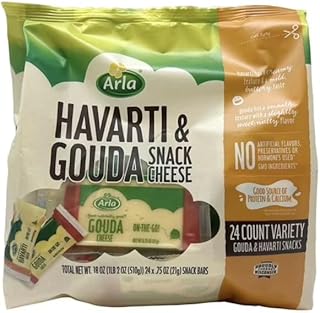
Cross-Contamination Risk: Although gouda cheese itself is gluten-free, it's essential to check for potential cross-contamination during production
Gouda cheese, a popular dairy product known for its rich flavor and smooth texture, is inherently gluten-free. However, the production process poses a risk of cross-contamination, which can be a significant concern for individuals with celiac disease or gluten sensitivity. Cross-contamination occurs when gluten-containing substances come into contact with gluten-free products, potentially transferring gluten to the final product.
The risk of cross-contamination in gouda cheese production primarily arises from the use of shared equipment, utensils, and facilities. For instance, if a cheese-making facility also processes gluten-containing products like wheat-based crackers or bread, there is a chance that gluten residues could be transferred to the cheese. Additionally, the use of natural rinds or molds in the aging process could introduce gluten if these materials have been previously used with gluten-containing products.
To mitigate the risk of cross-contamination, it is essential for cheese manufacturers to implement strict hygiene protocols and segregation measures. This includes thoroughly cleaning and sanitizing equipment and utensils between uses, using separate facilities for gluten-free and gluten-containing products, and ensuring that workers are trained to handle gluten-free products safely. Furthermore, manufacturers should conduct regular testing to verify that their products meet gluten-free standards.
Consumers who are concerned about cross-contamination should look for certifications from reputable organizations that verify the gluten-free status of the product. They can also contact the manufacturer directly to inquire about their production processes and cross-contamination prevention measures. By taking these precautions, individuals with gluten sensitivities can safely enjoy the delicious taste of gouda cheese without worrying about potential health risks.
Exploring Giant Brand Parmesan: A Gluten-Free Cheese Option?
You may want to see also
Frequently asked questions
Yes, Gouda cheese is naturally gluten-free as it is made from cow's milk and does not contain any wheat or gluten-containing ingredients.
Generally, people with celiac disease can consume Gouda cheese, but they should always check the label to ensure it hasn't been cross-contaminated with gluten during processing.
The main ingredient in Gouda cheese is cow's milk, which is fermented and aged to create the cheese's distinct flavor and texture.
Gouda cheese is made by fermenting cow's milk with specific bacterial cultures, then separating the curds from the whey. The curds are pressed into molds, salted, and aged for several months to develop the cheese's characteristic taste.
The primary potential source of gluten in Gouda cheese production is cross-contamination during processing. If the cheese is produced in a facility that also processes gluten-containing products, there is a risk of gluten contamination. Always check the label to ensure the cheese is certified gluten-free.

![Edam Ball , Made the traditional way and has been enjoyed by generations. Made with part skim milk, it is more firm than gouda with a rich, buttery flavor and a smooth, creamy texture. Versatile, it can be sliced for sandwiches, shred for baking dishes, or cubed for salads. [ 30 oz , 1.8 lb ]](https://m.media-amazon.com/images/I/51HmT+t9haL._AC_UL320_.jpg)