Frederic Melton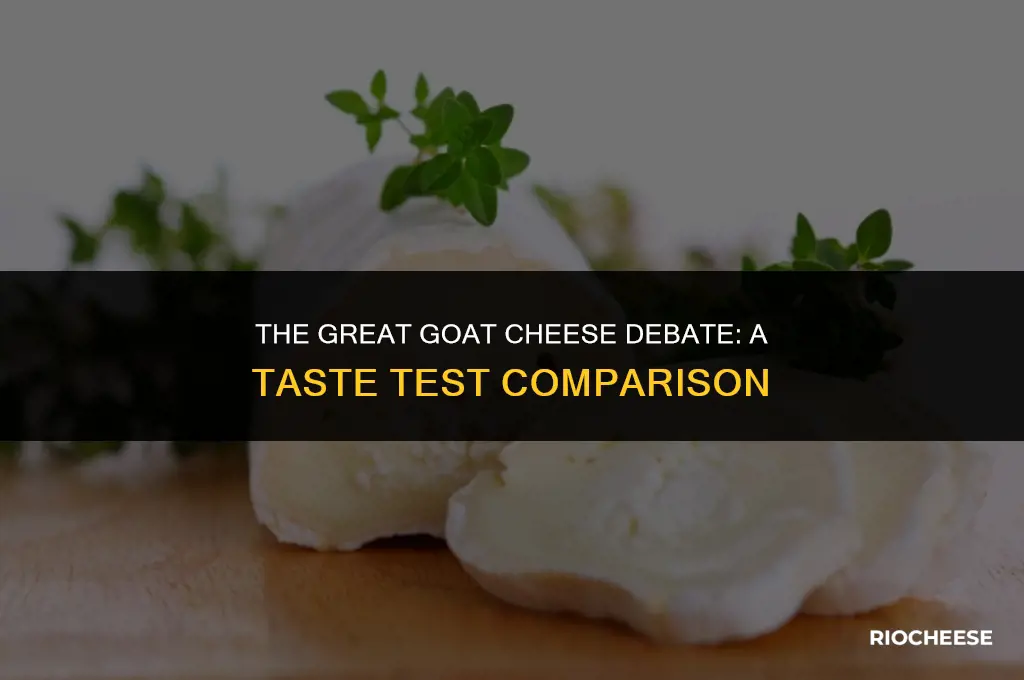
Goat cheese, with its distinct tangy flavor and creamy texture, has become a popular choice among cheese enthusiasts. But is it better than other types of cheese? This question sparks a lively debate in the culinary world. Some argue that goat cheese's unique taste and versatility make it a superior option, while others prefer the rich, familiar flavors of traditional cheeses like cheddar or mozzarella. In this exploration, we'll delve into the characteristics that make goat cheese stand out and examine the various factors that contribute to its perceived quality.
Explore related products




What You'll Learn
- Nutritional Comparison: Goat cheese vs. cow cheese - which is healthier
- Taste Test: How do the flavors of goat and cow cheese differ
- Texture Analysis: Comparing the creaminess and crumbly nature of goat cheese to cow cheese
- Culinary Uses: Best dishes for goat cheese vs. cow cheese - a chef's perspective
- Environmental Impact: The sustainability of goat cheese production compared to cow cheese

Nutritional Comparison: Goat cheese vs. cow cheese - which is healthier?
Goat cheese and cow cheese are both popular dairy products, but they differ significantly in their nutritional profiles. One key difference is in their fat content. Goat cheese typically contains less saturated fat than cow cheese, which can be beneficial for heart health. Saturated fats are known to raise LDL cholesterol levels, a risk factor for cardiovascular disease. Therefore, choosing goat cheese over cow cheese could be a healthier option for those looking to manage their cholesterol intake.
Another important aspect to consider is the protein content. Both types of cheese are good sources of protein, but goat cheese tends to have slightly less protein per serving compared to cow cheese. Protein is essential for muscle repair and growth, so if you're looking to increase your protein intake, cow cheese might be the better choice. However, the difference in protein content is relatively small, and both cheeses can be part of a balanced diet.
In terms of vitamins and minerals, goat cheese has higher levels of certain nutrients like vitamin B12 and phosphorus. Vitamin B12 is crucial for nerve function and the production of red blood cells, while phosphorus plays a key role in bone health. On the other hand, cow cheese is richer in calcium, which is also important for bone health. Therefore, if you're looking to boost your calcium intake, cow cheese might be preferable.
It's also worth noting that goat cheese is often easier to digest than cow cheese due to its lower lactose content. Lactose intolerance is a common issue, and those who experience it may find goat cheese to be a more comfortable option. Additionally, goat cheese has a distinct flavor profile that some people prefer over the taste of cow cheese.
Ultimately, the choice between goat cheese and cow cheese depends on your individual dietary needs and preferences. If you're looking to reduce your saturated fat intake and don't mind slightly less protein, goat cheese could be the healthier choice. However, if you need to increase your calcium and protein intake, cow cheese might be more suitable. Both types of cheese can be part of a healthy diet when consumed in moderation.
Heart Health and Goat Cheese: Separating Facts from Fiction
You may want to see also
Explore related products




Taste Test: How do the flavors of goat and cow cheese differ?
The distinct flavors of goat and cow cheese are a result of several factors, including the animals' diets, the cheese-making process, and the specific bacteria used in fermentation. Goat cheese tends to have a tangier, more acidic taste due to the higher concentration of caprylic and capric fatty acids in goat's milk. These fatty acids contribute to the characteristic sharpness and slightly bitter aftertaste that many people associate with goat cheese. In contrast, cow cheese generally has a milder, creamier flavor profile, thanks to the higher fat content and lower acidity of cow's milk. The type of bacteria used in the fermentation process also plays a crucial role in shaping the final taste. For instance, some goat cheeses may have a stronger, more pungent flavor if aged with specific molds or bacteria, while cow cheeses can range from mild and buttery to sharp and tangy depending on the aging process.
When conducting a taste test to compare the flavors of goat and cow cheese, it's essential to consider the specific varieties being sampled. For example, a soft, fresh goat cheese like chevre will have a very different taste and texture compared to an aged, hard goat cheese like pecorino. Similarly, a mild cheddar cow cheese will taste quite distinct from a sharp, aged gouda. To ensure a fair comparison, it's best to select cheeses that are similar in texture and aging time. This allows the taster to focus on the subtle differences in flavor without being overwhelmed by contrasting textures or intensities.
One effective method for conducting a taste test is to prepare a cheese platter with a variety of goat and cow cheeses, each labeled with its name and type. This allows participants to sample each cheese in a controlled environment and make notes on their impressions. It's helpful to provide palate cleansers like crackers, bread, or water to help tasters distinguish between the different flavors. Additionally, encouraging participants to describe the cheeses using specific terms like "tangy," "creamy," "sharp," or "mild" can help to standardize the evaluation process and make it easier to compare results.
In terms of practical applications, understanding the flavor differences between goat and cow cheese can be beneficial for both culinary professionals and home cooks. For instance, a chef may choose to use goat cheese in a salad dressing to add a tangy, acidic element, while opting for cow cheese in a creamy pasta sauce to achieve a richer, more mellow flavor. Similarly, a home cook may decide to experiment with different types of cheese in their recipes to create unique flavor combinations that cater to their personal preferences or those of their guests.
Ultimately, the question of whether goat cheese is better than cow cheese comes down to individual taste preferences. Some people may prefer the bold, tangy flavors of goat cheese, while others may favor the milder, creamier taste of cow cheese. By conducting a taste test and exploring the various types of cheeses available, individuals can develop a deeper appreciation for the complexities of cheese flavors and make informed decisions about which cheeses to incorporate into their diets.
Can Cats Eat Goat Cheese? A Feline Nutrition Guide
You may want to see also
Explore related products
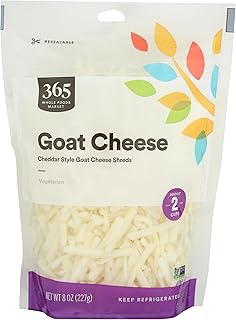


Texture Analysis: Comparing the creaminess and crumbly nature of goat cheese to cow cheese
The texture of goat cheese is markedly different from that of cow cheese, offering a unique culinary experience. Goat cheese tends to have a crumbly, tangy texture that contrasts with the creamy, smooth consistency often found in cow cheeses. This difference is due to the lower fat content in goat's milk, which results in a cheese that is lighter and less dense. When comparing the two, one might notice that goat cheese breaks apart more easily, while cow cheese tends to hold its shape better.
In terms of creaminess, cow cheese generally takes the lead. Cheeses like Brie or Camembert are known for their rich, velvety textures that spread easily. Goat cheese, on the other hand, usually has a drier, firmer texture that doesn't melt as smoothly. However, there are exceptions; some goat cheeses, like the French Bucheron, are semi-soft and can offer a creamier texture that rivals that of cow cheese.
The crumbly nature of goat cheese can be an advantage in certain dishes. For instance, it adds a delightful textural contrast when crumbled over salads or pasta dishes. The tanginess of goat cheese also complements a variety of flavors, making it a versatile ingredient in both sweet and savory recipes. Cow cheese, with its milder flavor and creamier texture, is often preferred in dishes where a smooth, rich consistency is desired, such as in gratins or as a spread on crackers.
Ultimately, the choice between goat cheese and cow cheese comes down to personal preference and the specific requirements of a recipe. While cow cheese may be favored for its creaminess, goat cheese offers a unique crumbly texture and tangy flavor that can enhance a wide range of dishes. Both types of cheese have their own merits and can be used interchangeably in many culinary applications, providing cooks with a delightful array of options to explore.
The Environmental Impact of Goat Cheese: A Sustainable Dairy Choice?
You may want to see also
Explore related products
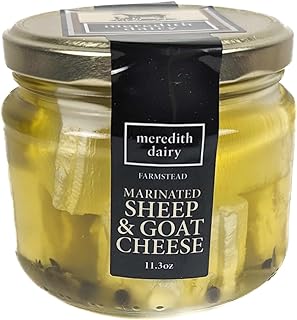


Culinary Uses: Best dishes for goat cheese vs. cow cheese - a chef's perspective
Goat cheese and cow cheese each have their own unique flavor profiles and culinary applications. As a chef, I often find myself reaching for goat cheese when I want to add a tangy, slightly sweet element to a dish. Its creamy texture and crumbly consistency make it a versatile ingredient that can be used in a variety of ways. One of my favorite dishes to make with goat cheese is a goat cheese and sun-dried tomato tart. The tanginess of the goat cheese pairs perfectly with the sweetness of the sun-dried tomatoes, creating a harmonious balance of flavors.
On the other hand, cow cheese is often milder and creamier than goat cheese, making it a great choice for dishes where a more subtle cheese flavor is desired. I particularly enjoy using cow cheese in pasta dishes, as its creamy texture can help to create a rich, velvety sauce. A classic example of this is a carbonara, where the cow cheese is combined with eggs, pancetta, and black pepper to create a decadent, comforting dish.
When it comes to choosing between goat cheese and cow cheese, it really depends on the specific dish and the desired flavor profile. For example, if I'm making a salad, I might opt for goat cheese to add a tangy kick, whereas if I'm making a creamy soup, cow cheese might be a better choice. Ultimately, both types of cheese have their own unique qualities that can be used to enhance a wide range of dishes.
As a chef, I believe that the key to using cheese effectively in cooking is to understand its flavor profile and texture, and to choose the right type of cheese for the specific dish you're making. Whether you prefer the tanginess of goat cheese or the creaminess of cow cheese, there's no denying that both types of cheese can add depth and complexity to a wide range of culinary creations.
Goat Cheese: A Surprising Addition to Your Diet?
You may want to see also
Explore related products

![Organic Goat Cheese is a healthy alternative to cow's milk cheese. Made in Wisconsin from locally sourced fresh goat's milk, the cheese can be enjoyed on its own, in a salad or heated in other dishes. [ 11 oz , 0.68 lb ]](https://m.media-amazon.com/images/I/41+dpFjDq0L._AC_UL320_.jpg)


Environmental Impact: The sustainability of goat cheese production compared to cow cheese
Goat cheese production has a significantly lower environmental impact compared to cow cheese production. This is primarily due to the fact that goats require less land, water, and feed to produce the same amount of milk. Goats are also more efficient at converting feed into milk, which reduces the overall resource consumption. Additionally, goat milk contains higher levels of nutrients, such as calcium and protein, which means that less milk is needed to produce the same amount of cheese.
One of the key factors contributing to the sustainability of goat cheese production is the lower methane emissions from goats compared to cows. Methane is a potent greenhouse gas that is produced during the digestion process of ruminant animals. Goats produce less methane per unit of milk produced, which makes them a more environmentally friendly option. Furthermore, goat cheese production often involves smaller-scale, local farming operations, which can reduce the carbon footprint associated with transportation and distribution.
In contrast, cow cheese production is a major contributor to greenhouse gas emissions, deforestation, and water pollution. Large-scale dairy farming operations often require vast amounts of land for grazing and feed production, which can lead to habitat destruction and loss of biodiversity. Additionally, the use of synthetic fertilizers and pesticides in feed production can contribute to water pollution and soil degradation.
When considering the environmental impact of cheese production, it is important to also take into account the packaging and distribution processes. Goat cheese is often sold in smaller, more sustainable packaging options, such as glass jars or biodegradable containers. This reduces the amount of plastic waste generated compared to cow cheese, which is often sold in larger, single-use plastic containers.
In conclusion, goat cheese production is a more sustainable option compared to cow cheese production due to its lower environmental impact, reduced resource consumption, and smaller-scale farming operations. By choosing goat cheese over cow cheese, consumers can make a positive impact on the environment and support more sustainable agricultural practices.
Unveiling the Truth: Goat Cheese's Impact on Your Skin Health
You may want to see also
Frequently asked questions
Goat cheese is often considered easier to digest than cow cheese due to its lower lactose content. Many people who are lactose intolerant find that they can consume goat cheese without experiencing the same digestive issues they have with cow cheese.
Goat cheese can be a good choice for weight loss because it is generally lower in calories and fat compared to many other types of cheese. However, it's important to consume all types of cheese in moderation as part of a balanced diet.
Goat cheese contains less saturated fat than some other cheeses, which may make it a better choice for heart health. Additionally, it is a good source of calcium and other nutrients that are beneficial for overall health. However, it's important to note that the impact of cheese on heart health can vary depending on individual dietary needs and overall consumption patterns.