Patrick Oconnell
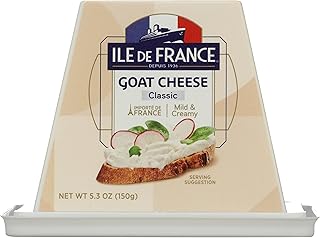
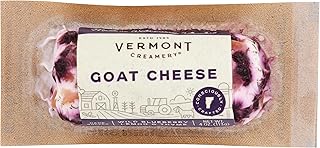
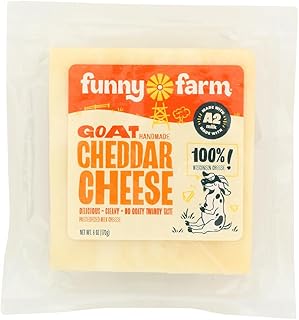
Goat and sheep cheese are often considered alternatives to traditional cow's milk dairy products. However, they are not inherently dairy-free. Both goat and sheep cheese are made from the milk of their respective animals, which means they still contain lactose and other dairy components. Despite this, some individuals who are lactose intolerant or have dairy allergies may find goat and sheep cheese to be more digestible than cow's milk cheese due to differences in the protein structure and fat content. For those strictly avoiding dairy for dietary or ethical reasons, it's important to note that goat and sheep cheese do not fit the criteria for a dairy-free diet.
Explore related products


What You'll Learn
- Dairy Content in Goat and Sheep Cheese: Understanding the presence of lactose and dairy proteins
- Lactose Intolerance and Cheese: How individuals with lactose intolerance react to goat and sheep cheese
- Dairy Allergies vs. Lactose Intolerance: Differentiating between dairy allergies and lactose intolerance in relation to cheese
- Nutritional Benefits of Goat and Sheep Cheese: Exploring the nutritional advantages of these cheeses compared to cow's milk cheese
- Dairy-Free Alternatives: Discovering other cheese options for those who are lactose intolerant or have dairy allergies

Dairy Content in Goat and Sheep Cheese: Understanding the presence of lactose and dairy proteins
Goat and sheep cheeses are often considered alternatives to traditional cow's milk cheeses, particularly for individuals who are lactose intolerant or have dairy allergies. However, it's essential to understand that these cheeses still contain dairy proteins and lactose, albeit in varying amounts.
Lactose is a sugar found in milk and dairy products, and its presence in goat and sheep cheeses can vary depending on the specific type and production method. Generally, goat and sheep cheeses contain less lactose than cow's milk cheeses, which can make them a more suitable option for those with lactose intolerance. However, it's crucial to note that lactose-free goat and sheep cheeses are not completely devoid of lactose; they typically contain small amounts that may still cause issues for some individuals.
Dairy proteins, such as casein and whey, are also present in goat and sheep cheeses. These proteins can trigger allergic reactions in individuals with dairy allergies. While goat and sheep cheeses may contain different types or amounts of dairy proteins compared to cow's milk cheeses, they are still considered dairy products and can cause adverse reactions in sensitive individuals.
It's important to read labels and consult with manufacturers or healthcare professionals to determine the suitability of goat and sheep cheeses for specific dietary needs. Some individuals may be able to tolerate small amounts of lactose or dairy proteins, while others may need to avoid these cheeses altogether.
In conclusion, while goat and sheep cheeses may be lower in lactose and contain different types of dairy proteins than cow's milk cheeses, they are not entirely dairy-free. Individuals with lactose intolerance or dairy allergies should exercise caution and consult with a healthcare professional before incorporating these cheeses into their diet.
Exploring Fresh Mozzarella: Is It Truly Dairy-Free?
You may want to see also
Explore related products


Lactose Intolerance and Cheese: How individuals with lactose intolerance react to goat and sheep cheese
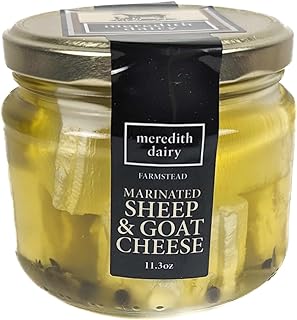
Individuals with lactose intolerance often find themselves navigating a complex dietary landscape, especially when it comes to dairy products. While cow's milk is a well-known source of lactose, goat and sheep cheese present a unique case. These cheeses are made from the milk of goats and sheep, respectively, which contain less lactose than cow's milk. However, the lactose content can still vary depending on the specific type of cheese and the production process.
For those with lactose intolerance, the reaction to goat and sheep cheese can differ significantly from person to person. Some individuals may be able to tolerate these cheeses without any issues, while others may still experience symptoms such as bloating, gas, and diarrhea. The severity of these symptoms can range from mild to severe, depending on the individual's level of lactose intolerance and the amount of cheese consumed.
It's important to note that the lactose content in goat and sheep cheese can vary based on factors such as the age of the cheese and the specific breed of goat or sheep used. Generally, aged cheeses tend to have lower lactose content as the lactose is broken down during the aging process. Additionally, some breeds of goats and sheep produce milk with naturally lower lactose levels.
Individuals with lactose intolerance who wish to consume goat and sheep cheese should do so with caution. It may be helpful to start with small amounts and gradually increase consumption to gauge tolerance. Keeping a food diary can also be beneficial in tracking symptoms and identifying any patterns or triggers. In some cases, individuals may need to avoid goat and sheep cheese altogether or opt for lactose-free alternatives.
In conclusion, while goat and sheep cheese may be lower in lactose than cow's milk products, they are not necessarily dairy-free. Individuals with lactose intolerance should approach these cheeses with caution and monitor their symptoms closely to determine their personal tolerance levels.
Exploring the Intersection of Gluten-Free and Vegan Cheese Options
You may want to see also
Explore related products


Dairy Allergies vs. Lactose Intolerance: Differentiating between dairy allergies and lactose intolerance in relation to cheese
Dairy allergies and lactose intolerance are two distinct conditions that can make consuming cheese problematic for some individuals. While both conditions involve an adverse reaction to dairy products, they differ significantly in their underlying causes, symptoms, and management strategies.
A dairy allergy is an immune system response to proteins found in milk and other dairy products, including cheese. This type of allergy can cause a range of symptoms, from mild hives and itching to severe anaphylaxis, which can be life-threatening. Individuals with a dairy allergy must avoid all dairy products, including goat and sheep cheese, as even small amounts can trigger a reaction.
Lactose intolerance, on the other hand, is a digestive disorder characterized by the inability to digest lactose, the primary sugar found in milk and other dairy products. This condition occurs when the small intestine does not produce enough lactase, the enzyme responsible for breaking down lactose. Symptoms of lactose intolerance typically include bloating, gas, abdominal pain, and diarrhea, and they can vary in severity depending on the individual's level of lactase deficiency. Unlike a dairy allergy, lactose intolerance does not involve an immune system response, and it does not require complete avoidance of dairy products. Instead, individuals with lactose intolerance may be able to tolerate small amounts of lactose or opt for lactose-free dairy alternatives.
When it comes to cheese, the distinction between dairy allergies and lactose intolerance becomes particularly important. Hard cheeses, such as cheddar and Swiss, contain lower levels of lactose than soft cheeses, such as brie and camembert, making them a better option for individuals with lactose intolerance. However, all cheeses contain dairy proteins, which means that they are not suitable for individuals with a dairy allergy. Goat and sheep cheese, while often lower in lactose than cow's milk cheese, still contain dairy proteins and therefore are not considered dairy-free.
In conclusion, understanding the differences between dairy allergies and lactose intolerance is crucial for individuals who experience adverse reactions to dairy products. While lactose intolerance may allow for some flexibility in consuming cheese, a dairy allergy requires strict avoidance of all dairy products, including goat and sheep cheese.
Exploring Dietary Options: Is Frigo Cheese Gluten-Free?
You may want to see also
Explore related products


Nutritional Benefits of Goat and Sheep Cheese: Exploring the nutritional advantages of these cheeses compared to cow's milk cheese
Goat and sheep cheeses offer several nutritional benefits when compared to cow's milk cheese, making them an attractive option for those looking to diversify their dairy intake. One of the primary advantages is their lower lactose content, which can be beneficial for individuals with lactose intolerance. This lower lactose level also contributes to a slightly different flavor profile, often described as tangier and more robust.
In terms of fat content, goat and sheep cheeses generally contain less saturated fat than cow's milk cheese. This can be advantageous for heart health, as lower saturated fat intake is associated with a reduced risk of cardiovascular disease. Additionally, the fat in goat and sheep cheeses is often more easily digestible, which can be beneficial for those with sensitive stomachs.
Protein-wise, goat and sheep cheeses are comparable to cow's milk cheese, providing a good source of this essential nutrient. However, the protein in these cheeses is often more bioavailable, meaning it can be more easily absorbed and utilized by the body. This can be particularly beneficial for athletes or individuals looking to increase their protein intake.
Another notable advantage of goat and sheep cheeses is their higher content of certain vitamins and minerals. For example, these cheeses are often richer in vitamin B12, which is crucial for nerve function and the production of red blood cells. They also tend to contain more magnesium, a mineral important for bone health and muscle function.
When considering the nutritional benefits of goat and sheep cheeses, it's important to note that they are not entirely dairy-free. While they may be a better option for those with lactose intolerance or looking to reduce their saturated fat intake, they still contain dairy proteins and fats. Therefore, individuals with severe dairy allergies or those following a strict vegan diet should avoid these cheeses.
In conclusion, goat and sheep cheeses offer a range of nutritional benefits compared to cow's milk cheese, including lower lactose and saturated fat content, higher bioavailability of protein, and increased levels of certain vitamins and minerals. These advantages make them a valuable addition to a balanced diet, particularly for those looking to diversify their dairy intake or manage specific dietary needs.
Exploring the Myth: Is Gluten-Free Cheese Always Dairy-Free?
You may want to see also
Explore related products


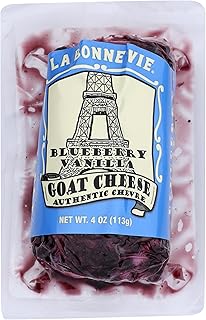

Dairy-Free Alternatives: Discovering other cheese options for those who are lactose intolerant or have dairy allergies
For individuals who are lactose intolerant or have dairy allergies, the quest for dairy-free alternatives often leads them to explore a variety of cheese options. While goat and sheep cheese are not technically dairy-free as they still contain lactose, albeit in smaller amounts, there are other alternatives available that cater specifically to those with dairy restrictions. One such option is vegan cheese, which is made from plant-based ingredients like nuts, seeds, and soy. These cheeses can mimic the taste and texture of traditional dairy cheeses quite closely, making them a popular choice for those looking to avoid lactose.
Another alternative is lactose-free cheese, which is made from cow's milk but has had the lactose removed through a process involving lactase enzymes. This type of cheese is ideal for those who still want to enjoy the taste of traditional dairy cheese without the digestive discomfort associated with lactose. Additionally, there are cheeses made from coconut milk or almond milk, which are completely dairy-free and suitable for vegans and those with severe dairy allergies.
When exploring dairy-free cheese alternatives, it's important to consider the nutritional content and ingredients of each option. Some vegan cheeses may be high in saturated fats or contain additives that are not suitable for everyone. Lactose-free cheeses, while lower in lactose, still contain some amount of lactose and may not be suitable for those with severe lactose intolerance or dairy allergies. Coconut milk and almond milk cheeses, on the other hand, are typically lower in saturated fats and are a good source of healthy fats and nutrients.
In conclusion, while goat and sheep cheese may not be the ideal choice for those who are lactose intolerant or have dairy allergies, there are a variety of dairy-free alternatives available that can cater to different tastes and dietary needs. By exploring options like vegan cheese, lactose-free cheese, and cheeses made from coconut milk or almond milk, individuals can find a suitable alternative that allows them to enjoy the taste and texture of cheese without the associated digestive discomfort.
Deliciously Safe: Unraveling the Gluten-Free Mystery of Frigo Light String Cheese
You may want to see also
Frequently asked questions
No, goat and sheep cheese are not considered dairy-free as they are made from the milk of goats and sheep, respectively.
Some people might think goat and sheep cheese are dairy-free because they are often easier to digest than cow's milk cheese, and they have a different taste and texture. However, they still contain lactose and other dairy components.
Some dairy-free alternatives to goat and sheep cheese include vegan cheese made from plant-based ingredients like nuts, seeds, and soy, as well as lactose-free cheese made from cow's milk that has had the lactose removed.
People with lactose intolerance may be able to consume goat and sheep cheese in moderation, as they typically contain lower levels of lactose than cow's milk cheese. However, it is important for individuals with lactose intolerance to monitor their symptoms and consult with a healthcare professional to determine what foods are safe for them to consume.