Kamil Perry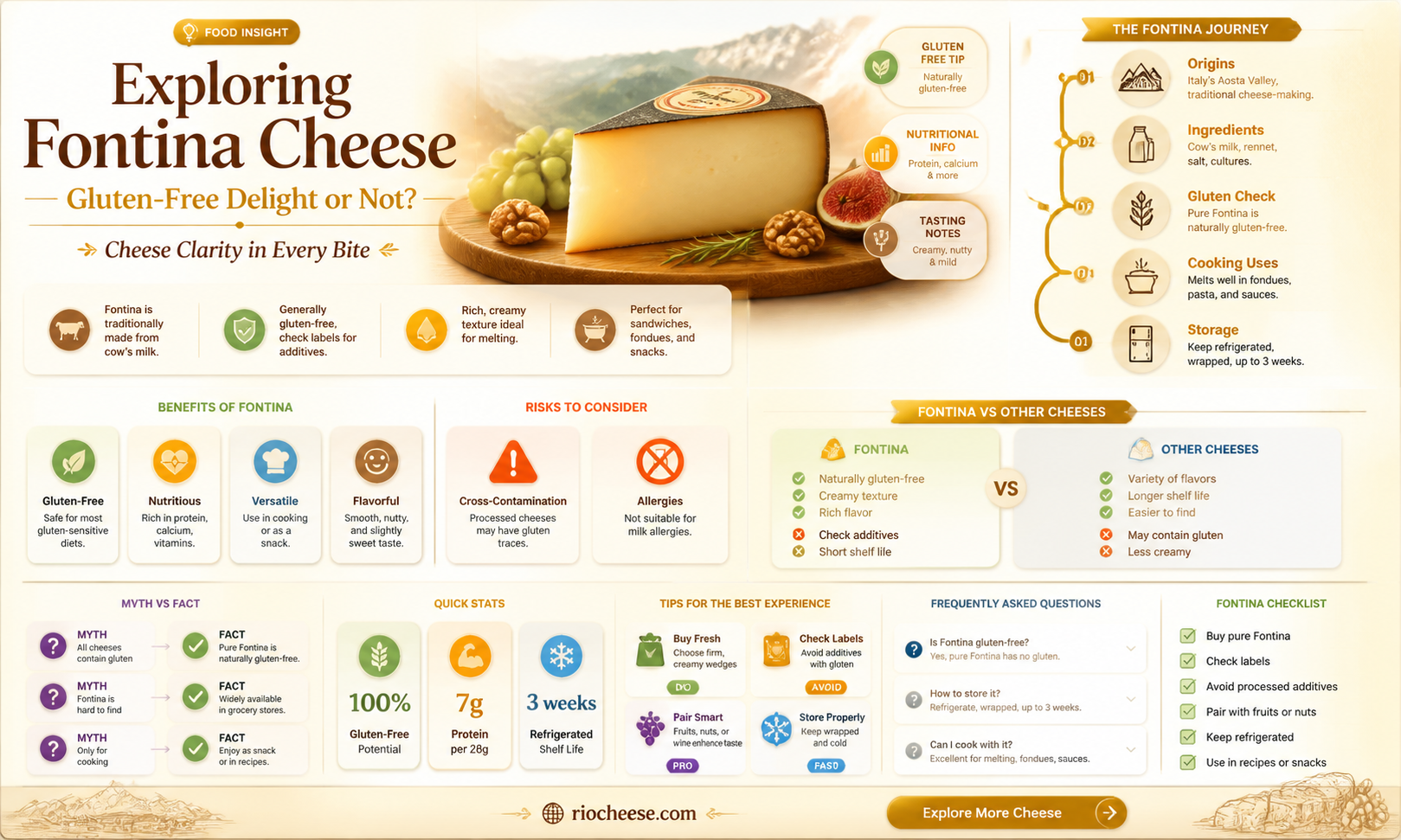
Fontina cheese, a popular Italian variety known for its creamy texture and mild flavor, is often used in cooking and as a table cheese. For individuals with gluten intolerance or celiac disease, it's essential to know whether this cheese is safe to consume. The good news is that pure, unadulterated Fontina cheese is naturally gluten-free. However, it's crucial to check the packaging and ingredient list, as some manufacturers may add gluten-containing additives or use gluten-based rennet during the cheese-making process. Always opt for certified gluten-free products to ensure safety.
Explore related products


What You'll Learn
- Fontina Cheese Composition: Understanding the ingredients and production process of Fontina cheese
- Gluten Presence in Cheeses: Exploring whether cheeses typically contain gluten and why
- Fontina Cheese Varieties: Different types of Fontina cheese and their potential gluten content
- Gluten-Free Diet Considerations: How individuals with gluten intolerance or celiac disease can consume cheese
- Certification and Labeling: Importance of checking labels and certifications for gluten-free products

Fontina Cheese Composition: Understanding the ingredients and production process of Fontina cheese
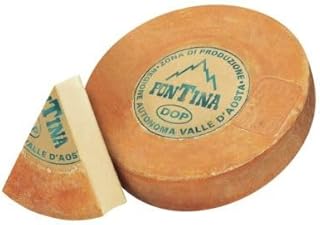
Fontina cheese is a semi-soft Italian cheese known for its rich, buttery flavor and smooth texture. It is made primarily from cow's milk, which is the first and most crucial ingredient in its composition. The milk used in Fontina cheese production typically comes from specific breeds of cows, such as the Valdostana or the Simmental, which are known for their high-quality milk.
The production process of Fontina cheese involves several key steps. First, the cow's milk is heated to a temperature of around 35-40°C (95-104°F). Then, a starter culture of lactic acid bacteria is added to the milk, which helps to ferment the lactose and convert it into lactic acid. This process gives Fontina cheese its characteristic tangy flavor.
After the fermentation process, rennet is added to the milk, which causes it to coagulate and form curds. The curds are then cut into small pieces and stirred gently to release excess whey. The curds are then molded into wheels and pressed to remove any remaining whey.
The aging process is a critical component of Fontina cheese production. The cheese wheels are aged in a cool, humid environment for a minimum of three months, during which time they develop their distinctive flavor and texture. The aging process also allows the cheese to become gluten-free, as any traces of gluten from the cow's diet are broken down and eliminated during this time.
In terms of its gluten-free status, Fontina cheese is generally considered to be safe for individuals with gluten intolerance or celiac disease. However, it is always important to check the label and confirm with the manufacturer, as some brands may use gluten-containing ingredients in their production process.
Overall, understanding the composition and production process of Fontina cheese can help individuals make informed decisions about whether or not it is suitable for their dietary needs. By focusing on the specific ingredients and steps involved in making Fontina cheese, we can gain a deeper appreciation for this delicious and versatile Italian cheese.
Exploring Fontina Cheese: Dairy-Free or Not?
You may want to see also
Explore related products


Gluten Presence in Cheeses: Exploring whether cheeses typically contain gluten and why
Cheeses, in their purest form, are typically made from milk and do not naturally contain gluten. Gluten is a protein found in grains such as wheat, barley, and rye. However, during the cheese-making process, there are several points at which gluten could potentially be introduced. For instance, some cheeses are aged on wooden barrels that may have previously held gluten-containing products, or they might be processed in facilities that also handle gluten. Additionally, some cheeses may have gluten-containing additives or flavorings.
Fontina cheese, specifically, is an Italian cheese made from cow's milk. Traditional Fontina cheese is gluten-free, as it is made without any grain-based ingredients. However, it is essential to note that cross-contamination can occur during production if the cheese is made in a facility that also processes gluten-containing products. Therefore, while Fontina cheese itself does not contain gluten, there is a risk of gluten presence due to cross-contamination.
For individuals with celiac disease or gluten sensitivity, it is crucial to verify the gluten-free status of any cheese they consume. This can be done by checking the label for any gluten-containing ingredients or contacting the manufacturer directly to inquire about their production processes and potential for cross-contamination. Some cheeses may be explicitly labeled as gluten-free, which indicates that they have been tested and meet specific gluten-free standards.
In conclusion, while cheeses like Fontina are generally gluten-free, there is always a risk of gluten presence due to cross-contamination during production. It is essential for individuals with gluten sensitivities to be vigilant and verify the gluten-free status of any cheese they consume.
Exploring Finlandia Swiss Cheese: Lactose-Free Delight or Dairy Dilemma?
You may want to see also
Explore related products


![Italian Cheese Board , The Cheese Board offers four of our most popular award-winning cheeses-Mild Provolone, Fontina, Parmesan and Asiago. Made from local milk in the great state of Wisconsin. All of the cheeses are gluten free and made with no antibiotics. [ 28 oz , 1.75 lb ]](https://m.media-amazon.com/images/I/51kwZ4FNsML._AC_UL320_.jpg)

Fontina Cheese Varieties: Different types of Fontina cheese and their potential gluten content
Fontina cheese is a popular Italian cheese known for its rich, creamy flavor and versatility in cooking. However, for individuals with gluten intolerance or celiac disease, it's essential to understand the potential gluten content in different varieties of Fontina cheese.
There are several types of Fontina cheese, each with its own unique characteristics and production methods. The most common varieties include Fontina Valdostana, Fontina Piemontese, and Fontina Romana. Fontina Valdostana is the original and most well-known variety, originating from the Aosta Valley in Italy. It's made from cow's milk and aged for at least three months. Fontina Piemontese is produced in the Piedmont region and has a slightly milder flavor than Valdostana. Fontina Romana, on the other hand, is made from sheep's milk and has a stronger, more pungent taste.
The potential gluten content in Fontina cheese varies depending on the production process. Traditionally, Fontina cheese is made using animal rennet, which is naturally gluten-free. However, some modern production methods may use microbial or fungal rennet, which could potentially contain gluten. Additionally, cross-contamination can occur if the cheese is produced in a facility that also processes gluten-containing products.
To ensure that Fontina cheese is gluten-free, it's crucial to check the label or contact the manufacturer directly. Some brands may explicitly state that their Fontina cheese is gluten-free, while others may not provide this information. In general, it's safer to choose Fontina cheese made using traditional methods and animal rennet, as these are less likely to contain gluten.
In conclusion, while Fontina cheese can be a delicious addition to many dishes, it's essential for individuals with gluten intolerance or celiac disease to be aware of the potential gluten content in different varieties. By choosing the right type of Fontina cheese and verifying its gluten-free status, these individuals can safely enjoy this tasty Italian cheese.
Savoring Five Guys: Is the Extra Bacon and Cheese Worth It?
You may want to see also
Explore related products
![Italian Cheese Board , The Cheese Board offers four of our most popular award-winning cheeses-Mild Provolone, Fontina, Parmesan and Asiago. Made from local milk in the great state of Wisconsin. All of the cheeses are gluten free and made with no antibiotics. [ 28 oz , 1.75 lb ]](https://m.media-amazon.com/images/I/619-BQABcAL._AC_UL320_.jpg)


Gluten-Free Diet Considerations: How individuals with gluten intolerance or celiac disease can consume cheese
Individuals with gluten intolerance or celiac disease must be vigilant about their dietary choices to avoid adverse health effects. Cheese, while often considered a safe food, can pose risks if it contains gluten or has been cross-contaminated during production. Fontina cheese, specifically, is a type of Italian cheese made from cow's milk and is generally considered gluten-free. However, it's crucial to verify this with the manufacturer, as some cheeses may contain gluten due to added ingredients or processing methods.
When consuming cheese on a gluten-free diet, it's essential to focus on whole, unprocessed cheeses, as these are less likely to contain gluten. Additionally, individuals should be cautious of cheese products that may contain hidden sources of gluten, such as cheese sauces, processed cheese slices, or cheese-based snacks. It's also important to consider the potential for cross-contamination during food preparation, especially in shared kitchens or when eating out.
To ensure a safe and enjoyable cheese-eating experience, individuals with gluten intolerance or celiac disease should research and create a list of trusted cheese brands that explicitly state their gluten-free status. They should also communicate their dietary needs to restaurant staff and ask about the ingredients and preparation methods used in cheese dishes. By taking these precautions, individuals can confidently incorporate cheese into their gluten-free diet while minimizing the risk of gluten exposure.
Exploring Dairy-Free Delights: Is Follow Your Heart Cheese Soy-Free?
You may want to see also
Explore related products



Certification and Labeling: Importance of checking labels and certifications for gluten-free products
Navigating the world of gluten-free products can be challenging, especially when it comes to dairy items like cheese. While some cheeses are naturally gluten-free, others may contain gluten due to cross-contamination or added ingredients. This is where certification and labeling become crucial for consumers with gluten sensitivities or celiac disease.
When shopping for gluten-free cheese, it's essential to look for products that have been certified by reputable organizations such as the Gluten-Free Certification Organization (GFCO) or the Celiac Support Association (CSA). These certifications ensure that the product meets strict gluten-free standards and has undergone rigorous testing. Additionally, checking labels for any mention of gluten-containing ingredients or potential cross-contamination risks can help consumers make informed decisions.
For example, Fontina cheese, a popular Italian variety, is typically made from cow's milk and does not inherently contain gluten. However, some brands may use gluten-containing enzymes during the cheese-making process or store the cheese in facilities that also process gluten-containing products. By checking labels and certifications, consumers can identify brands that prioritize gluten-free practices and avoid potential risks.
It's also important to note that some cheeses may be labeled as "gluten-free" but still contain small amounts of gluten due to loopholes in labeling regulations. This is why certification from a trusted organization is so valuable, as it provides an extra layer of assurance for consumers.
In conclusion, when it comes to ensuring that cheese is gluten-free, certification and labeling are key. By doing their due diligence and seeking out certified products, consumers can enjoy their favorite cheeses without worrying about gluten contamination.
Delicious and Safe: Is Five Cheese Marinara Gluten-Free?
You may want to see also
Frequently asked questions
Yes, Fontina cheese is naturally gluten-free as it is made from cow's milk and does not contain any wheat or gluten-containing ingredients.
Generally, people with celiac disease can consume Fontina cheese since it does not contain gluten. However, it's always best to check with a healthcare provider for personalized dietary advice.
No, traditional Fontina cheese does not contain any gluten-containing additives. It is made primarily from milk, salt, and rennet.
To verify if a specific brand of Fontina cheese is gluten-free, you should check the product label for any gluten-containing ingredients or contact the manufacturer directly for confirmation.