 Bushra Griffith
Blue cheese, known for its strong flavor and distinctive blue veins, is a type of cheese that has been aged with cultures of the mold Penicillium roqueforti. When considering whether blue cheese is keto-friendly, it's essential to look at its nutritional profile. The ketogenic diet emphasizes high-fat, moderate-protein, and low-carbohydrate foods. Blue cheese is high in fat and protein, which aligns well with keto dietary requirements. However, it also contains some carbohydrates, albeit in smaller amounts compared to many other foods. For those following a strict keto diet, it's crucial to monitor portion sizes and ensure that the overall daily carb intake remains within the desired limits. Additionally, some types of blue cheese may have added sugars or fillers, so it's important to choose varieties that are free from these additives to maintain a keto-friendly diet.
Explore related products


What You'll Learn
- Nutritional Profile: Blue cheese is high in fat and protein, making it suitable for a ketogenic diet
- Carbohydrate Content: It contains minimal carbs, which is ideal for maintaining ketosis
- Calorie Density: Blue cheese is calorie-dense, so portion control is essential for weight management
- Health Benefits: It offers benefits like improved bone health and potential anti-inflammatory properties
- Incorporation Tips: Add blue cheese to salads, use as a topping for keto-friendly dishes, or enjoy as a snack

Nutritional Profile: Blue cheese is high in fat and protein, making it suitable for a ketogenic diet
Blue cheese, known for its strong flavor and distinctive blue veins, is a type of cheese that has been aged with cultures of the mold Penicillium roqueforti. This aging process not only gives blue cheese its unique taste and appearance but also enhances its nutritional profile, making it a suitable choice for those following a ketogenic diet.
The ketogenic diet, often referred to as the keto diet, is a high-fat, low-carbohydrate diet that has been shown to help people lose weight and improve certain health conditions. The diet works by putting the body into a state of ketosis, where it burns fat for fuel instead of carbohydrates. To achieve this state, individuals must consume foods that are high in fat and low in carbs.
Blue cheese fits well into this dietary plan due to its high fat and protein content. A 100-gram serving of blue cheese contains approximately 34 grams of fat and 22 grams of protein, with only 2 grams of carbohydrates. This makes it an excellent choice for those looking to increase their fat intake while keeping their carb consumption low.
In addition to its macronutrient profile, blue cheese is also rich in micronutrients. It is a good source of calcium, phosphorus, and zinc, and contains vitamins A, B12, and K. These nutrients are important for maintaining overall health and can help support the body's functions while in a state of ketosis.
However, it is important to note that blue cheese is also high in sodium, with a 100-gram serving containing around 1,700 milligrams. Individuals following a ketogenic diet should be mindful of their sodium intake, as excessive consumption can lead to health issues such as high blood pressure and heart disease.
In conclusion, blue cheese can be a delicious and nutritious addition to a ketogenic diet, providing a good source of fat, protein, and essential micronutrients. However, it is important to consume it in moderation due to its high sodium content. As with any dietary change, it is always recommended to consult with a healthcare professional before making significant alterations to your diet.
Delicious Blue Cheese Olives: A Simple Stuffing Guide
You may want to see also
Explore related products


Carbohydrate Content: It contains minimal carbs, which is ideal for maintaining ketosis
Blue cheese, known for its strong flavor and creamy texture, is a popular choice among cheese enthusiasts. However, for those following a ketogenic diet, the carbohydrate content of foods is a crucial consideration. The good news is that blue cheese contains minimal carbs, making it an ideal option for maintaining ketosis.
To understand why blue cheese is keto-friendly, it's essential to look at its nutritional profile. A 1-ounce serving of blue cheese typically contains less than 1 gram of carbohydrates. This low carb content is due to the cheese's high fat and protein content, which are the primary macronutrients in a ketogenic diet.
Maintaining ketosis requires limiting carbohydrate intake to induce a metabolic state where the body burns fat for fuel instead of glucose. Blue cheese's minimal carb content makes it a suitable choice for those aiming to stay within their daily carb limits. In fact, it can be a flavorful addition to a keto meal plan, providing a satisfying and nutrient-dense option for snacking or incorporating into recipes.
When selecting blue cheese for a ketogenic diet, it's important to choose a high-quality variety that is free from added sugars or fillers. Reading labels and opting for full-fat, unprocessed blue cheese will ensure that you're getting the most keto-friendly option available.
In summary, blue cheese's low carbohydrate content makes it an excellent choice for those following a ketogenic diet. Its rich flavor and creamy texture can enhance keto meals without compromising dietary goals. By choosing a high-quality blue cheese and monitoring portion sizes, individuals can enjoy this delicious cheese while maintaining ketosis.
Exploring the Richness of Roka Blue Cheese: A Gourmet's Delight
You may want to see also
Explore related products
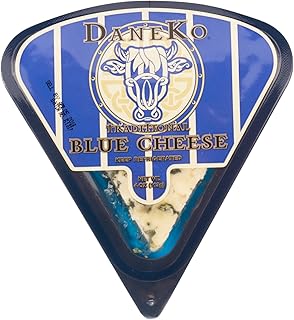


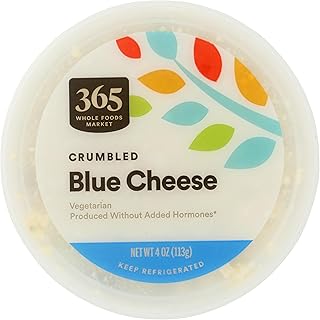


Calorie Density: Blue cheese is calorie-dense, so portion control is essential for weight management
Blue cheese, with its rich flavor and creamy texture, is a beloved addition to many diets. However, its high calorie density can make it a challenging choice for those managing their weight. Calorie density refers to the number of calories in a given volume of food, and blue cheese ranks high on this scale due to its fat content and concentrated flavor.
For individuals following a ketogenic diet, which emphasizes high-fat, low-carbohydrate foods, blue cheese can be a suitable option in moderation. The keto diet relies on inducing a state of ketosis, where the body burns fat for fuel instead of carbohydrates. Blue cheese, being high in fat and low in carbs, aligns well with these dietary requirements.
However, the key to incorporating blue cheese into a keto-friendly diet lies in portion control. Due to its high calorie density, consuming large amounts of blue cheese can lead to excessive calorie intake, potentially hindering weight loss efforts. To enjoy blue cheese while maintaining a ketogenic diet, it's essential to be mindful of serving sizes and balance it with other nutrient-dense, low-calorie foods.
A practical approach to managing portion sizes is to use blue cheese as a flavor enhancer rather than a main component of a meal. For example, crumbling a small amount of blue cheese over a salad or using it as a topping for grilled meats can add a burst of flavor without significantly increasing calorie intake. Additionally, pairing blue cheese with foods high in fiber and protein, such as vegetables and lean meats, can help promote satiety and reduce overall calorie consumption.
In conclusion, while blue cheese can be a delicious and keto-friendly addition to a balanced diet, its high calorie density necessitates careful portion control. By being mindful of serving sizes and incorporating blue cheese into meals in a measured way, individuals can enjoy its rich flavor while maintaining their weight management goals.
Decoding Dairy: The Truth About Blue Cheese and Goat Cheese
You may want to see also
Explore related products


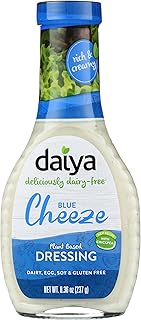
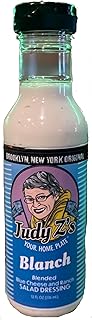
Health Benefits: It offers benefits like improved bone health and potential anti-inflammatory properties
Blue cheese, known for its distinctive flavor and aroma, is often scrutinized for its nutritional value, particularly in the context of specific diets like keto. While it is generally high in fat and low in carbohydrates, making it a potential fit for a ketogenic diet, its health benefits extend beyond just macronutrient ratios. One of the key advantages of incorporating blue cheese into your diet is its positive impact on bone health. This is primarily due to its high calcium content, which is essential for maintaining strong bones and preventing osteoporosis. Additionally, blue cheese contains vitamin K2, which plays a crucial role in directing calcium to where it is needed most in the body, further enhancing its bone-strengthening properties.
Another significant health benefit of blue cheese is its potential anti-inflammatory properties. Chronic inflammation is linked to various health issues, including heart disease, diabetes, and certain types of cancer. Blue cheese contains compounds that may help reduce inflammation, such as antioxidants and polyphenols. These substances can help neutralize free radicals in the body, which are unstable molecules that can cause oxidative stress and contribute to inflammation. Furthermore, the fermentation process involved in making blue cheese produces peptides that have been shown to have anti-inflammatory effects.
When considering the keto-friendliness of blue cheese, it is also important to note its impact on gut health. The fermentation process not only contributes to its unique flavor but also produces beneficial bacteria that can support a healthy gut microbiome. A balanced gut microbiome is crucial for overall health, including digestion, immune function, and even mental health. Moreover, the probiotics found in blue cheese can help improve nutrient absorption, which is particularly beneficial when following a restrictive diet like keto, where ensuring adequate nutrient intake is essential.
In summary, blue cheese offers several health benefits that make it a valuable addition to a ketogenic diet. Its high calcium and vitamin K2 content support bone health, while its anti-inflammatory properties can help mitigate chronic inflammation. Additionally, the probiotics produced during fermentation contribute to a healthy gut microbiome, which is vital for overall well-being. When consumed in moderation as part of a balanced keto diet, blue cheese can be both delicious and nutritious.
The Perfect Pairing: Blue Cheese and Buffalo Wings Explained
You may want to see also
Explore related products




Incorporation Tips: Add blue cheese to salads, use as a topping for keto-friendly dishes, or enjoy as a snack
Blue cheese is a versatile ingredient that can be easily incorporated into a keto-friendly diet. One of the simplest ways to enjoy blue cheese on keto is by adding it to salads. The strong, tangy flavor of blue cheese pairs well with a variety of vegetables, such as spinach, kale, or mixed greens. To make a keto-friendly salad, start with a base of leafy greens, add your favorite vegetables, and top with crumbled blue cheese. For an extra boost of flavor, you can also add nuts or seeds, such as walnuts or pumpkin seeds, which are low in carbs and high in healthy fats.
Another way to incorporate blue cheese into your keto diet is by using it as a topping for keto-friendly dishes. Blue cheese can be used to add a burst of flavor to a variety of dishes, such as grilled chicken, steak, or fish. Simply sprinkle crumbled blue cheese over your protein of choice and let it melt slightly. You can also use blue cheese as a topping for keto-friendly vegetables, such as roasted broccoli or cauliflower. The creamy, tangy flavor of blue cheese complements the natural flavors of these vegetables, making them even more delicious.
Blue cheese can also be enjoyed as a snack on its own. If you're craving something savory and satisfying, simply grab a small wedge of blue cheese and enjoy it as is. You can also pair blue cheese with low-carb crackers or celery sticks for a more substantial snack. When choosing blue cheese, look for varieties that are low in carbs and high in fat, such as Roquefort or Gorgonzola. These types of blue cheese are perfect for a keto-friendly diet and can be enjoyed in a variety of ways.
When incorporating blue cheese into your keto diet, it's important to be mindful of portion sizes. While blue cheese is low in carbs, it is also high in calories and fat. To stay within your keto macros, limit your portion sizes to about 1-2 ounces per serving. Additionally, be sure to choose high-quality blue cheese that is made from grass-fed or pasture-raised cows. This will ensure that you're getting the best possible nutritional profile from your blue cheese.
In conclusion, blue cheese is a delicious and versatile ingredient that can be easily incorporated into a keto-friendly diet. Whether you're adding it to salads, using it as a topping for keto-friendly dishes, or enjoying it as a snack, blue cheese is a great way to add flavor and variety to your keto meals. Just be sure to choose high-quality blue cheese and be mindful of portion sizes to stay within your keto macros.
Exploring the Subtle Flavors: A Guide to the Mildest Blue Cheeses
You may want to see also
Frequently asked questions
Yes, blue cheese is generally considered keto friendly. It is high in fat and low in carbohydrates, which aligns with the macronutrient requirements of a ketogenic diet.
While blue cheese is keto friendly, it should be consumed in moderation due to its high calorie and fat content. A typical serving size is about 1 ounce (28 grams).
Blue cheese is rich in protein, calcium, and vitamins such as vitamin B12 and vitamin K. It also contains conjugated linoleic acid (CLA), which may have health benefits.
Some people may find blue cheese too high in calories or fat for their dietary needs. Additionally, it can be high in sodium, which may be a concern for those monitoring their salt intake.


