Andy Montoya
A grilled ham and cheese sandwich is a popular comfort food that combines savory flavors and satisfying textures. While it can be a delicious and filling meal option, its healthiness depends on various factors such as the ingredients used, portion size, and cooking method. To determine whether a grilled ham and cheese sandwich is healthy, it's essential to consider the nutritional content of its components, including the bread, cheese, ham, and any additional ingredients like butter or condiments. By examining these elements, one can make informed choices to create a more balanced and nutritious version of this classic sandwich.
Explore related products


What You'll Learn
- Nutrient Content: Grilled ham and cheese sandwiches provide protein, calcium, and vitamins, but also contain sodium and saturated fats
- Calorie Count: A typical grilled ham and cheese sandwich can range from 300 to 600 calories, depending on ingredients and portion size
- Bread Choices: Whole grain bread adds fiber and nutrients, while white bread offers less nutritional value but may be lower in calories
- Cheese and Ham Varieties: Leaner ham and lower-fat cheese options can make the sandwich healthier, while processed meats and high-fat cheeses increase calorie and sodium content
- Cooking Methods: Grilling with minimal butter or oil can help reduce the fat content, making the sandwich a healthier option compared to frying

Nutrient Content: Grilled ham and cheese sandwiches provide protein, calcium, and vitamins, but also contain sodium and saturated fats
Grilled ham and cheese sandwiches are a popular comfort food that can provide several essential nutrients. Protein, calcium, and various vitamins are among the beneficial components found in this sandwich. The protein primarily comes from the ham and cheese, which are both good sources of this macronutrient. Calcium is abundant in cheese, contributing to bone health. Additionally, the sandwich can offer vitamins such as B12 from the ham and vitamin D from the cheese, which are crucial for energy production and immune function, respectively.
However, it's important to consider the less healthy aspects of grilled ham and cheese sandwiches. Sodium content can be high due to the processed nature of ham and the presence of salt in cheese. Excessive sodium intake is linked to hypertension and cardiovascular diseases. Saturated fats, found in cheese and potentially in the butter used for grilling, can also be a concern. High consumption of saturated fats is associated with increased LDL cholesterol levels, which may lead to heart disease.
To make a grilled ham and cheese sandwich healthier, one could consider using whole-grain bread instead of white bread to increase fiber intake. Choosing a leaner cut of ham or using turkey bacon as an alternative can reduce the sodium and saturated fat content. Additionally, opting for a lower-fat cheese or using a smaller portion can help manage calorie and fat intake. Balancing the sandwich with a side of fresh vegetables or a salad can further enhance its nutritional profile by adding vitamins, minerals, and fiber.
In conclusion, while grilled ham and cheese sandwiches can provide some valuable nutrients, they also contain elements that should be consumed in moderation. By making mindful ingredient choices and balancing the meal with healthier options, one can enjoy this classic sandwich in a more nutritious way.
Deliciously Safe: Serving Grilled Cheese to Your Little One
You may want to see also
Explore related products

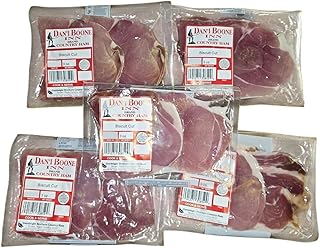
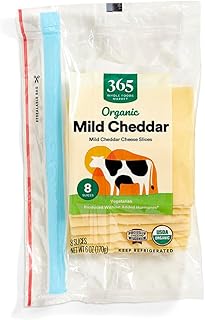


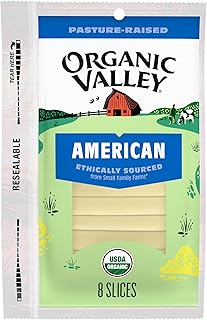
Calorie Count: A typical grilled ham and cheese sandwich can range from 300 to 600 calories, depending on ingredients and portion size
The calorie count of a typical grilled ham and cheese sandwich can vary significantly, ranging from 300 to 600 calories depending on the ingredients used and the portion size. This wide range highlights the importance of understanding the nutritional content of each component in the sandwich to make informed dietary choices.
To break down the calorie count, consider the main ingredients: bread, ham, cheese, and any additional condiments or spreads. Whole grain bread generally has more fiber and nutrients compared to white bread, but it also tends to be higher in calories. Similarly, the type of ham used can greatly impact the calorie and fat content, with leaner cuts like turkey ham being a lower-calorie option compared to traditional pork ham. Cheese is another significant contributor to the calorie count, with full-fat varieties like cheddar or Swiss adding more calories than lower-fat options like part-skim mozzarella or reduced-fat cheddar.
In addition to the main ingredients, condiments and spreads can also add to the overall calorie count. Mayonnaise, for example, is high in calories and fat, while mustard or hummus can be lower-calorie alternatives. It's also important to consider the cooking method, as grilling the sandwich in butter or oil can add extra calories.
When assessing the healthiness of a grilled ham and cheese sandwich, it's essential to consider not only the calorie count but also the balance of macronutrients (protein, carbohydrates, and fats) and the presence of micronutrients (vitamins and minerals). A sandwich made with whole grain bread, lean ham, and reduced-fat cheese can provide a good balance of nutrients while still being satisfying and delicious.
In conclusion, the calorie count of a grilled ham and cheese sandwich can vary widely based on the ingredients and portion size. By making mindful choices about the components of the sandwich and considering the overall nutritional profile, it's possible to enjoy this classic comfort food as part of a healthy and balanced diet.
Mastering the Art of Smoking Cheese on a Rec Tec Grill
You may want to see also
Explore related products


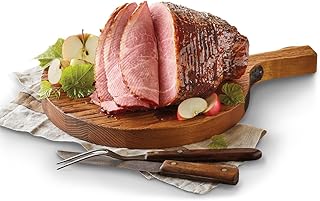
Bread Choices: Whole grain bread adds fiber and nutrients, while white bread offers less nutritional value but may be lower in calories
When considering the health implications of a grilled ham and cheese sandwich, the choice of bread is a crucial factor. Whole grain bread is often touted for its higher fiber content and additional nutrients, which can contribute to a more balanced diet. Fiber is essential for digestive health and can help regulate blood sugar levels, while the nutrients found in whole grains, such as B vitamins and minerals, support overall well-being.
On the other hand, white bread, which is made from refined flour, offers less nutritional value. The refining process removes the bran and germ layers of the grain, which contain many of the nutrients and fiber. However, white bread may be lower in calories compared to whole grain bread, which can be a consideration for those watching their caloric intake.
In the context of a grilled ham and cheese sandwich, the choice between whole grain and white bread can significantly impact the nutritional profile of the meal. Opting for whole grain bread can increase the fiber and nutrient content, potentially making the sandwich a more healthful option. Conversely, choosing white bread may reduce the calorie count but at the expense of nutritional value.
It's also important to consider portion sizes and the other ingredients in the sandwich. While whole grain bread can add health benefits, these can be offset by excessive amounts of cheese or processed meats like ham. Moderation and balance are key to making a grilled ham and cheese sandwich a healthier choice.
In summary, the bread choice in a grilled ham and cheese sandwich plays a significant role in its nutritional value. Whole grain bread offers more fiber and nutrients, while white bread is lower in calories but less nutritious. By making informed choices about the type of bread and other ingredients, it's possible to enjoy a grilled ham and cheese sandwich as part of a balanced diet.
Perfectly Portable Grilled Cheese: Lunchtime Wrapping Tips
You may want to see also
Explore related products


$100.99


Cheese and Ham Varieties: Leaner ham and lower-fat cheese options can make the sandwich healthier, while processed meats and high-fat cheeses increase calorie and sodium content
Choosing leaner ham and lower-fat cheese varieties can significantly enhance the nutritional profile of a grilled ham and cheese sandwich. Opting for lean cuts of ham, such as those labeled as "lean" or "extra lean," reduces the saturated fat and calorie content compared to standard or processed hams. Similarly, selecting cheeses that are lower in fat, like part-skim mozzarella or reduced-fat cheddar, can decrease the overall fat and calorie intake without sacrificing flavor.
On the other hand, processed meats and high-fat cheeses can increase the calorie and sodium content of the sandwich. Processed meats often contain added preservatives and higher levels of sodium, which can contribute to increased blood pressure and other health issues when consumed in excess. High-fat cheeses, while rich in flavor, can also add a substantial amount of saturated fat and calories, potentially leading to weight gain and other health concerns if not consumed in moderation.
When constructing a healthier grilled ham and cheese sandwich, it's essential to balance the ingredients. Using whole-grain bread instead of white bread can increase the fiber content and provide additional nutrients. Adding vegetables, such as lettuce, tomato, or spinach, can further enhance the sandwich's nutritional value by introducing vitamins, minerals, and antioxidants.
In summary, making mindful choices about the type of ham and cheese used in a grilled ham and cheese sandwich can make it a healthier option. By selecting leaner meats, lower-fat cheeses, and incorporating whole grains and vegetables, one can enjoy a delicious and satisfying meal while maintaining a balanced diet.
Elevate Your Grilled Cheese: Creative Ways to Add Flavor and Fun
You may want to see also
Explore related products


Cooking Methods: Grilling with minimal butter or oil can help reduce the fat content, making the sandwich a healthier option compared to frying
Grilling is a popular cooking method that can significantly reduce the fat content of foods, making it a healthier alternative to frying. When preparing a grilled ham and cheese sandwich, using minimal butter or oil is key to keeping the calorie and fat content low. This method allows the natural flavors of the ham and cheese to shine through while providing a satisfying, crispy texture to the bread.
To grill a ham and cheese sandwich with minimal fat, start by preheating your grill or grill pan over medium heat. Lightly coat the bread with a small amount of olive oil or cooking spray, focusing on the areas that will come into direct contact with the grill. This will help prevent sticking and add a subtle flavor without overwhelming the sandwich with fat.
Next, assemble the sandwich by layering your choice of ham and cheese between the bread slices. For an even healthier option, consider using whole-grain bread and lean ham, such as turkey or chicken ham. Place the sandwich on the preheated grill and cook for 2-3 minutes per side, or until the bread is golden brown and the cheese is melted.
One of the benefits of grilling is that it allows excess fat to drip away from the food, reducing the overall fat content. This is particularly true when using minimal butter or oil in the cooking process. Additionally, grilling imparts a smoky flavor to the sandwich that can enhance its taste without the need for additional condiments or sauces, which may contain hidden sugars and fats.
In conclusion, grilling a ham and cheese sandwich with minimal butter or oil is a simple and effective way to create a healthier version of this classic comfort food. By focusing on the cooking method and making smart ingredient choices, you can enjoy a delicious and satisfying meal without compromising your health goals.
Mastering the Art of Smoking Cheese on a Pit Boss Pellet Grill
You may want to see also
Frequently asked questions
A grilled ham and cheese sandwich can be part of a balanced diet, but its healthiness depends on the ingredients and preparation method. Opting for whole-grain bread, lean ham, and moderate cheese can enhance its nutritional value.
Healthier variations include using whole-grain bread, turkey or chicken breast instead of ham, and incorporating vegetables like spinach, tomato, or avocado. Additionally, using a small amount of low-fat cheese and a light spread of mustard or hummus can further improve its health profile.
To make a grilled ham and cheese sandwich more nutritious, consider adding vegetables for extra fiber and vitamins, choosing lean protein sources, and using whole-grain bread for more complex carbohydrates. Limiting the amount of cheese and opting for healthier fats, such as avocado, can also contribute to a more balanced meal.
A grilled ham and cheese sandwich can provide essential nutrients like protein, calcium, and vitamins, especially when made with lean ham, whole-grain bread, and a variety of vegetables. It can be a satisfying and convenient meal option that, when prepared healthily, contributes to overall dietary balance.