 Patrick Oconnell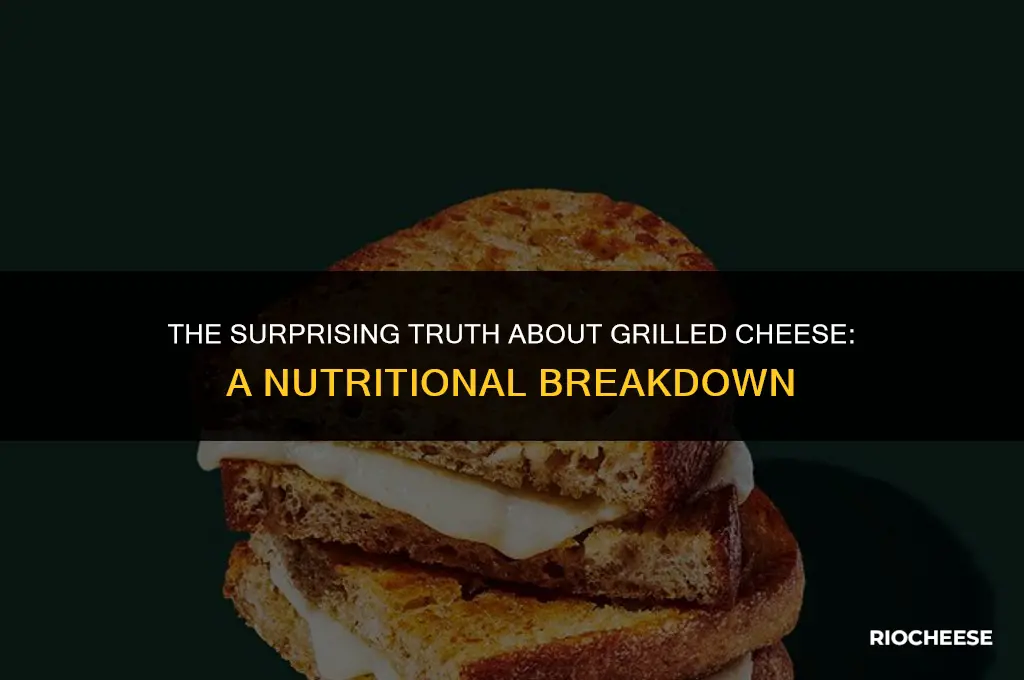
Grilled cheese sandwiches are a beloved comfort food, but their nutritional value often comes into question. While they can be a source of protein and calcium from the cheese, they are also typically high in calories, saturated fat, and sodium. The bread, often white or sourdough, contributes refined carbohydrates and minimal fiber. When grilled with butter, additional saturated fat and calories are added. Consuming grilled cheese in moderation as part of a balanced diet is key, but relying on them too frequently could lead to health concerns such as weight gain and increased risk of heart disease.
Explore related products


What You'll Learn
- Caloric Content: Grilled cheese sandwiches can be high in calories due to bread and cheese
- Fat Content: They often contain significant amounts of saturated fats, mainly from cheese and butter
- Sodium Levels: High sodium content is common, especially if processed cheeses or salted bread is used
- Nutrient Balance: Grilled cheese lacks essential nutrients like fiber, vitamins, and minerals, making it less balanced
- Healthier Alternatives: Options like whole grain bread, reduced-fat cheese, and added vegetables can make it healthier

Caloric Content: Grilled cheese sandwiches can be high in calories due to bread and cheese
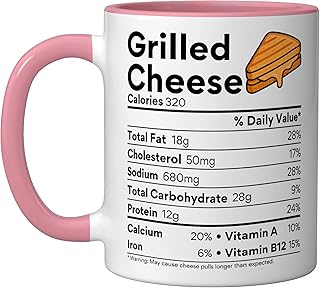
Grilled cheese sandwiches are a beloved comfort food, but their caloric content can be a cause for concern. The primary contributors to the high calorie count are the bread and cheese used in their preparation. A standard grilled cheese sandwich made with two slices of white bread and two slices of American cheese can contain anywhere from 250 to 350 calories, depending on the specific ingredients and portion sizes. This calorie count can be even higher if additional ingredients such as bacon, tomato, or avocado are included.
The bread used in grilled cheese sandwiches is typically white bread, which is made from refined flour and contains a high amount of carbohydrates. These carbohydrates are quickly converted into glucose by the body, leading to a rapid spike in blood sugar levels. This can be problematic for individuals with diabetes or those who are trying to manage their blood sugar levels. Additionally, white bread is often low in fiber and nutrients, which can contribute to feelings of hunger and overeating.
The cheese used in grilled cheese sandwiches is also a significant contributor to the high calorie count. Cheese is a dense source of calories, with a single slice of American cheese containing around 70-100 calories. Cheese is also high in saturated fat, which has been linked to an increased risk of heart disease when consumed in excess. Furthermore, cheese can be high in sodium, which can contribute to high blood pressure and other health issues.
To reduce the caloric content of grilled cheese sandwiches, there are several strategies that can be employed. One option is to use whole grain bread instead of white bread, which contains more fiber and nutrients and can help to keep blood sugar levels stable. Another option is to use a lower-fat cheese, such as part-skim mozzarella or reduced-fat cheddar. Additionally, using a smaller portion size or cutting the sandwich in half can help to reduce the overall calorie count.
In conclusion, while grilled cheese sandwiches can be high in calories due to the bread and cheese used in their preparation, there are ways to make them healthier without sacrificing taste. By using whole grain bread, lower-fat cheese, and controlling portion sizes, it is possible to enjoy this comfort food while still maintaining a balanced diet.
Mastering the Art of Smoking Cheese on a Traeger Grill
You may want to see also
Explore related products



Fat Content: They often contain significant amounts of saturated fats, mainly from cheese and butter
Grilled cheese sandwiches are a beloved comfort food, but their fat content is a significant concern. The primary sources of saturated fats in these sandwiches are cheese and butter, both of which are used liberally to achieve the desired taste and texture. Saturated fats are known to contribute to increased levels of LDL cholesterol, often referred to as "bad" cholesterol, which can lead to cardiovascular diseases.
The amount of saturated fat in a grilled cheese sandwich can vary widely depending on the type and quantity of cheese used, as well as the amount of butter applied during the grilling process. For instance, using a high-fat cheese like cheddar or American can significantly increase the saturated fat content compared to using a lower-fat cheese like part-skim mozzarella. Additionally, the method of preparation can impact the fat content; using more butter to achieve a crispier exterior will add more saturated fats to the sandwich.
To put this into perspective, a typical grilled cheese sandwich made with two slices of cheddar cheese and two tablespoons of butter can contain upwards of 20 grams of saturated fat. This is a substantial portion of the recommended daily intake, which is generally advised to be no more than 20-30 grams per day for an average adult.
Reducing the fat content of a grilled cheese sandwich can be achieved through several methods. One approach is to use a lower-fat cheese or a cheese alternative, such as reduced-fat cheddar or a plant-based cheese substitute. Another strategy is to use less butter during the grilling process or to opt for a healthier fat source, like olive oil. Additionally, choosing whole-grain bread instead of white bread can increase the fiber content of the sandwich, which may help to mitigate some of the negative effects of the saturated fats.
In conclusion, while grilled cheese sandwiches are undeniably delicious, their high saturated fat content is a health concern that should not be overlooked. By making mindful choices about the ingredients and preparation methods, it is possible to enjoy this classic comfort food in a more health-conscious way.
Melt into Fun: Hosting the Ultimate Grilled Cheese Party
You may want to see also
Explore related products


Sodium Levels: High sodium content is common, especially if processed cheeses or salted bread is used
High sodium content is a significant concern when it comes to grilled cheese sandwiches, particularly if processed cheeses or salted bread is used. Processed cheeses often contain high levels of sodium as a preservative, and salted bread can also contribute to the overall sodium content. Consuming high amounts of sodium can lead to various health issues, including high blood pressure, heart disease, and stroke.
To reduce the sodium content in a grilled cheese sandwich, one can opt for unsalted bread or whole grain bread, which typically has lower sodium levels. Additionally, choosing a cheese that is lower in sodium, such as fresh mozzarella or provolone, can also help. It's important to note that even natural cheeses can contain sodium, so it's essential to check the labels and choose the lowest sodium option available.
Another way to reduce sodium intake is to limit the amount of cheese used in the sandwich. Using a thinner layer of cheese or opting for a smaller portion can significantly decrease the sodium content. Furthermore, incorporating other ingredients, such as vegetables or lean proteins, can help balance out the sodium levels and provide additional nutrients.
It's also worth considering the cooking method when preparing a grilled cheese sandwich. Using a non-stick pan or cooking spray instead of butter can reduce the overall fat and calorie content, which can be beneficial for those watching their sodium intake. Additionally, grilling the sandwich instead of frying it can help remove excess oil and reduce the overall sodium content.
In conclusion, while grilled cheese sandwiches can be a tasty and comforting meal, it's essential to be mindful of the sodium content, especially if processed cheeses or salted bread is used. By making simple substitutions and adjustments, one can enjoy a grilled cheese sandwich while still maintaining a healthy sodium intake.
Delicious DIY: Creating the Perfect Grilled Cheese Bar at Home
You may want to see also
Explore related products


Nutrient Balance: Grilled cheese lacks essential nutrients like fiber, vitamins, and minerals, making it less balanced
Grilled cheese sandwiches are a staple comfort food for many, but they often fall short in providing a balanced mix of essential nutrients. One of the primary deficiencies is fiber, which is crucial for digestive health and satiety. The bread and cheese in a typical grilled cheese sandwich are low in fiber, leading to a meal that may not adequately support healthy digestion or help you feel full for long.
In addition to fiber, grilled cheese sandwiches are often lacking in essential vitamins and minerals. The cheese provides some calcium and vitamin D, but it is typically low in other important nutrients like vitamin C, iron, and potassium. The bread, especially if it is white bread, offers minimal nutritional value beyond carbohydrates. This imbalance can contribute to nutrient deficiencies if grilled cheese is consumed frequently as part of an overall diet.
To improve the nutrient balance of a grilled cheese sandwich, consider incorporating more whole foods into the meal. For example, adding a side salad with a variety of vegetables can provide essential vitamins, minerals, and fiber. Alternatively, using whole grain bread instead of white bread can increase the fiber content and offer more nutrients. Including a serving of fruit or a small portion of nuts can also help to round out the meal and provide a more balanced mix of nutrients.
It is important to note that while grilled cheese sandwiches can be part of a healthy diet in moderation, they should not be relied upon as a primary source of nutrition. By being mindful of portion sizes and incorporating other nutrient-dense foods into your meals, you can enjoy the comfort of a grilled cheese sandwich without compromising your overall nutritional balance.
Elevate Your Grilled Cheese: Creative Ways to Add a Kick
You may want to see also
Explore related products


Healthier Alternatives: Options like whole grain bread, reduced-fat cheese, and added vegetables can make it healthier
Grilled cheese sandwiches are a beloved comfort food, but they can be high in calories, saturated fat, and sodium. However, by making a few simple swaps, you can enjoy a healthier version of this classic dish without sacrificing flavor. One easy alternative is to use whole grain bread instead of white bread. Whole grain bread is higher in fiber and nutrients, which can help you feel fuller for longer and provide sustained energy.
Another option is to choose reduced-fat cheese or a cheese alternative made from plant-based ingredients. These options can significantly reduce the amount of saturated fat and calories in your grilled cheese sandwich. Additionally, you can add vegetables like spinach, tomato, or bell peppers to your sandwich for extra nutrients and fiber. Not only do vegetables add color and texture, but they also help to balance out the richness of the cheese.
When preparing your healthier grilled cheese, consider using a non-stick pan or a sandwich maker to reduce the amount of oil or butter needed. You can also experiment with different seasonings and herbs, such as garlic powder, paprika, or dried basil, to add flavor without adding extra calories. By making these simple changes, you can enjoy a delicious and satisfying grilled cheese sandwich that is both comforting and nutritious.
The Perfect Grilled Cheese: A Step-by-Step Guide
You may want to see also
Frequently asked questions
A typical grilled cheese sandwich made with two slices of white bread and two slices of American cheese can contain around 300-400 calories.
The fat content of a grilled cheese sandwich can vary, but on average, it contains about 15-20 grams of fat, with a significant portion being saturated fat due to the cheese and butter used.
Yes, a grilled cheese sandwich does provide some nutritional benefits. It contains protein from the cheese, and if whole grain bread is used, it can also provide dietary fiber. Additionally, cheese is a source of calcium and vitamins A and B12.
The cooking method can significantly impact the healthiness of a grilled cheese sandwich. If it's pan-fried with a lot of butter, it will be higher in calories and fat. Grilling or baking the sandwich with less butter can make it a slightly healthier option.
Absolutely! To make a healthier version of a grilled cheese sandwich, you can use whole grain bread, reduce the amount of cheese, and opt for a lower-fat cheese variety. You can also use a non-stick pan or grill the sandwich instead of frying it in butter. Adding vegetables like spinach or tomato can increase the nutritional value as well.


