Patrick Oconnell
Raclette cheese, originating from the Swiss Alps, is a versatile and flavorful cheese that has gained popularity worldwide for its unique taste and melting properties. Traditionally used in the dish of the same name, raclette cheese is now enjoyed in various culinary applications, from sandwiches and salads to baked potatoes and pasta dishes. Its semi-soft texture and rich, slightly nutty flavor make it an excellent choice for both savory and sweet recipes. Whether you're a cheese enthusiast or looking to experiment with new flavors, learning how to use raclette cheese can elevate your cooking and introduce you to a world of delicious possibilities.
Explore related products


What You'll Learn
- Selecting Raclette Cheese: Choose a high-quality, full-fat raclette for optimal melting and flavor
- Preparing the Cheese: Cut the raclette into thin slices or grate it for even melting
- Heating Methods: Use a raclette grill, pan, or oven to melt the cheese evenly
- Pairing Suggestions: Serve with potatoes, bread, meats, and vegetables for a complete meal
- Tips and Tricks: Ensure the cheese is at room temperature before melting for better texture

Selecting Raclette Cheese: Choose a high-quality, full-fat raclette for optimal melting and flavor
Raclette cheese, renowned for its excellent melting properties and rich flavor, is a staple in many culinary traditions, particularly in Swiss and French cuisine. When selecting raclette cheese, it's crucial to choose a high-quality, full-fat variety to ensure optimal melting and flavor. Full-fat raclette typically contains around 45% fat, which contributes to its creamy texture and ability to melt smoothly.
One key factor to consider when selecting raclette cheese is the age of the cheese. Younger raclettes, often labeled as "Raclette Valaisanne," tend to have a milder flavor and a softer texture, making them ideal for melting. As raclette ages, it develops a stronger, more pungent flavor and a firmer texture. While aged raclettes can still be used for melting, they may not yield the same smooth, creamy consistency as their younger counterparts.
Another important aspect to consider is the origin of the cheese. Raclette cheese from the Valais region of Switzerland is highly regarded for its quality and flavor. This region's unique climate and grazing conditions contribute to the distinctive taste of the cheese. When possible, opt for raclette cheese that is labeled as "AOP Raclette Valaisanne" to ensure you are getting an authentic product from this renowned region.
In addition to age and origin, it's essential to pay attention to the cheese's appearance and texture. High-quality raclette cheese should have a smooth, even rind and a firm, yet slightly springy texture. Avoid cheeses with cracks, mold, or an uneven rind, as these may indicate poor quality or improper storage.
Finally, when selecting raclette cheese, consider the intended use. If you plan to use the cheese for melting, as in traditional raclette dishes or grilled sandwiches, a younger, full-fat raclette is your best choice. However, if you prefer a stronger, more robust flavor for dishes like salads or pasta, an aged raclette may be more suitable.
By carefully considering these factors, you can select the perfect raclette cheese for your culinary needs, ensuring a delicious and satisfying experience.
Unveiling Taco Bell's Secret Cheese Sauce Recipe
You may want to see also
Explore related products


Preparing the Cheese: Cut the raclette into thin slices or grate it for even melting
To ensure optimal melting and flavor distribution, it's crucial to prepare raclette cheese properly. The ideal method involves cutting the raclette into thin, uniform slices. This allows the cheese to melt evenly and quickly, preventing any parts from becoming too greasy or remaining solid. If you prefer a more rustic approach, grating the raclette is also an effective technique. Grating creates small, thin shreds that will melt uniformly, making it perfect for dishes where a smooth, even texture is desired.
When slicing or grating raclette, it's important to use a sharp knife or grater to avoid crushing the cheese, which can affect its melting properties. Additionally, ensure that your hands and utensils are clean and free of any oils or residues that could interfere with the cheese's texture and flavor.
For those looking to elevate their raclette experience, consider experimenting with different types of raclette cheese. There are various varieties available, each with its own unique flavor profile and melting characteristics. Some popular options include traditional Swiss raclette, French raclette from the Savoie region, and even artisanal raclettes infused with herbs or spices.
In terms of storage, keep your raclette cheese in a cool, dry place, preferably in the refrigerator. Wrap it tightly in plastic wrap or aluminum foil to prevent it from drying out or absorbing odors from other foods. When you're ready to use the raclette, remove it from the refrigerator and let it come to room temperature for about 30 minutes to enhance its melting qualities.
Remember, the key to enjoying raclette cheese is in its preparation. By taking the time to properly slice or grate it, you'll be rewarded with a deliciously melted, flavorful cheese that's perfect for a variety of dishes.
Unveiling Taco Bell's Secret Nacho Cheese Recipe
You may want to see also
Explore related products


Heating Methods: Use a raclette grill, pan, or oven to melt the cheese evenly
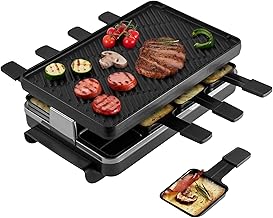
To achieve the perfect melt with raclette cheese, it's essential to master the heating technique. A raclette grill is the traditional choice, offering a dedicated surface that evenly distributes heat. Simply place the cheese on the grill and watch it melt to a creamy consistency. For those without a raclette grill, a non-stick pan on medium heat is an excellent alternative. The key is to avoid high temperatures, which can cause the cheese to burn before it melts properly.
If you prefer a hands-off approach, an oven can also be used. Preheat to 350°F (175°C) and place the cheese on a baking sheet lined with parchment paper. Cover with aluminum foil to trap the heat and moisture, ensuring an even melt. Check after 10-15 minutes, as oven temperatures can vary. The goal is to achieve a smooth, melted texture without any browned or crispy areas.
Regardless of the method, it's crucial to monitor the cheese closely as it melts. Stir or flip the cheese occasionally to ensure even heating and prevent sticking or burning. Once melted, the cheese should be smooth and stretchy, perfect for draping over potatoes, vegetables, or bread.
Remember, the quality of the melt can significantly impact the overall raclette experience. Take the time to experiment with different heating methods and temperatures to find the perfect technique for your taste preferences and equipment. With practice, you'll be able to achieve a consistently delicious melt that elevates your raclette dishes to new heights.
Exploring Culinary Delights: A Guide to Using Ballard Cheese
You may want to see also
Explore related products


Pairing Suggestions: Serve with potatoes, bread, meats, and vegetables for a complete meal
Raclette cheese, with its rich and creamy texture, pairs exceptionally well with a variety of foods, making it a versatile ingredient for a complete meal. One classic pairing is with potatoes, which can be boiled, mashed, or roasted to create a hearty side dish that complements the cheese's savory flavor. For a more rustic approach, serve raclette with crusty bread, such as a baguette or sourdough, allowing the cheese to melt slightly over the warm bread for a comforting and satisfying bite.
When it comes to meats, raclette cheese can elevate a simple dish to a gourmet experience. Try pairing it with thinly sliced cured meats, like prosciutto or salami, for a charcuterie board that is sure to impress. Alternatively, raclette can be melted over grilled chicken or steak for a decadent twist on a classic meal. For a lighter option, serve raclette with a variety of fresh vegetables, such as cherry tomatoes, bell peppers, or zucchini, which can be grilled or roasted to bring out their natural sweetness and create a balanced and nutritious meal.
To take your raclette experience to the next level, consider experimenting with different types of raclette cheese, each with its own unique flavor profile. Some varieties, like the traditional Swiss raclette, have a mild and slightly nutty taste, while others, like the French raclette, can be more pungent and aromatic. By exploring different types of raclette, you can discover new and exciting flavor combinations that will keep your taste buds entertained and your meals interesting.
In conclusion, raclette cheese is a versatile and delicious ingredient that can be paired with a wide range of foods to create a complete and satisfying meal. Whether you choose to serve it with potatoes, bread, meats, or vegetables, raclette is sure to add a touch of elegance and indulgence to your dining experience. So why not get creative and start experimenting with different pairings today? Your taste buds will thank you!
Exploring Fontina: A Guide to Using This Versatile Cheese
You may want to see also
Explore related products


Tips and Tricks: Ensure the cheese is at room temperature before melting for better texture
To achieve the perfect melt with raclette cheese, it's crucial to start with the cheese at room temperature. This ensures that the cheese melts evenly and smoothly, resulting in a creamy texture that's ideal for draping over potatoes, vegetables, or bread. If the cheese is too cold, it may not melt properly, leading to a grainy or rubbery consistency. On the other hand, if it's too warm, it might melt too quickly and lose its shape. Bringing the cheese to room temperature allows it to melt at a controlled pace, giving you the best possible results.
One effective method to bring the cheese to room temperature is to remove it from the refrigerator about 30 minutes to an hour before you plan to use it. This timeframe allows the cheese to gradually warm up without becoming too soft or losing its structure. If you're in a hurry, you can also place the cheese in a cool, dry place away from direct sunlight to speed up the process. However, be cautious not to leave it out for too long, as raclette cheese can spoil if left at room temperature for an extended period.
Another tip is to slice the cheese into thin, even pieces before melting. This not only helps the cheese melt more uniformly but also makes it easier to serve and eat. When slicing, use a sharp knife and apply gentle pressure to avoid crumbling the cheese. For an even more efficient melting process, you can also grate the cheese, which increases its surface area and allows it to melt more quickly and smoothly.
In addition to ensuring the cheese is at room temperature, it's important to use the right equipment for melting. A raclette grill or a fondue pot with a heat source underneath works best, as it provides consistent, gentle heat that melts the cheese without burning it. If you don't have a raclette grill, you can also use a skillet or a griddle over low heat, but be sure to monitor the temperature closely to avoid overheating.
Finally, when melting the cheese, be patient and allow it to melt slowly. Stirring the cheese occasionally can help it melt more evenly, but avoid over-stirring, which can cause the cheese to become grainy. Once the cheese is fully melted, it's ready to be served and enjoyed. By following these tips and tricks, you'll be able to achieve the perfect melt with raclette cheese every time.
Elevate Your Dishes: A Guide to Using Boursin Cheese
You may want to see also
Frequently asked questions
The best way to melt raclette cheese is to use a raclette grill or a broiler. Place the cheese on the grill or under the broiler for a few minutes until it's melted and slightly browned. You can also melt it in a pan over low heat, but be careful not to burn it.
Raclette cheese pairs well with a variety of foods, including potatoes, bread, vegetables, and meats. It's often served with boiled or roasted potatoes, as well as with grilled or sautéed vegetables like mushrooms, onions, and bell peppers. You can also pair it with cured meats like ham, salami, or prosciutto.
Raclette cheese should be stored in the refrigerator, wrapped in plastic wrap or aluminum foil. It's best to consume it within a few weeks of purchase for optimal flavor and texture. If you need to store it for a longer period, you can freeze it, but be aware that the texture may change slightly when thawed.