Bushra Griffith
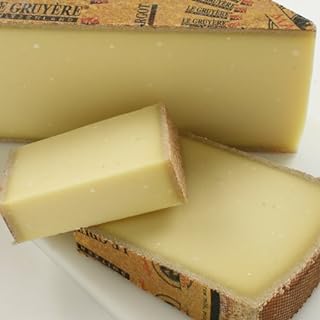
Gruyère cheese, a delightful Swiss creation, is renowned for its nutty flavor and smooth texture, making it a versatile ingredient in various culinary applications. Whether you're looking to elevate a simple cheese platter, add depth to a savory dish, or create a decadent fondue, serving Gruyère cheese requires a bit of know-how to truly appreciate its unique characteristics. From selecting the perfect accompaniment to understanding the ideal serving temperature, this guide will walk you through the best ways to enjoy this beloved cheese.
| Characteristics | Values |
|---|---|
| Cheese Type | Gruyère |
| Origin | Switzerland |
| Flavor Profile | Nutty, slightly sweet |
| Texture | Smooth, creamy |
| Aging Process | Aged for 6-12 months |
| Serving Temperature | Room temperature or slightly warmed |
| Pairing Suggestions | Bread, crackers, apples, pears |
| Wine Pairing | White wines like Chardonnay or Sauvignon Blanc |
| Melting Point | 150-160°F (65-70°C) |
| Fat Content | Approximately 27% |
| Protein Content | Approximately 20% |
| Calcium Content | High, around 800mg per 100g |
| Popular Uses | Fondue, raclette, grilled cheese sandwiches |
| Storage | Keep refrigerated in a cheese drawer or wrapped in wax paper |
| Shelf Life | Up to 2 months when stored properly |
| Nutritional Benefits | Good source of vitamins A and B12, riboflavin, and zinc |
| Allergen Information | Contains dairy, may contain traces of nuts |
Explore related products




What You'll Learn
- Pairing Suggestions: Ideal foods to complement Gruyère's nutty flavor, such as fruits, nuts, and wines
- Melting Techniques: Methods for perfectly melting Gruyère for dishes like fondue or grilled cheese
- Storage Tips: How to properly store Gruyère to maintain its freshness and flavor profile
- Health Benefits: Nutritional advantages of Gruyère, including its high protein and calcium content
- Culinary Uses: Versatile ways to incorporate Gruyère into various recipes, from appetizers to main courses

Pairing Suggestions: Ideal foods to complement Gruyère's nutty flavor, such as fruits, nuts, and wines
Gruyère cheese, with its rich, nutty flavor, pairs exceptionally well with a variety of foods and beverages. To enhance your culinary experience, consider these pairing suggestions:
Fruits: Fresh fruits like apples and pears provide a crisp, sweet contrast to Gruyère's savory notes. Dried fruits such as apricots and figs also complement the cheese's nuttiness, adding a chewy texture and concentrated sweetness.
Nuts: Almonds, walnuts, and hazelnuts are excellent choices to pair with Gruyère. Their earthy flavors and crunchy textures harmonize with the cheese's creamy consistency and nutty taste.
Wines: When it comes to wine pairings, Gruyère is quite versatile. For a classic match, try a dry Riesling or a crisp Sauvignon Blanc. These white wines cut through the cheese's richness, cleansing the palate. If you prefer red wine, a light-bodied Pinot Noir or a fruity Beaujolais can also work well, offering a balance of acidity and fruitiness.
Additional Pairings: For a more indulgent experience, pair Gruyère with a high-quality honey or a fruit preserve like quince or fig jam. The sweetness of these accompaniments brings out the cheese's subtle flavors. You can also experiment with different types of bread, such as a crusty baguette or a nutty whole grain loaf, to add varying textures to your cheese board.
Remember, the key to successful pairing is to find a balance of flavors and textures that complement each other. Don't be afraid to mix and match different options to discover your perfect Gruyère pairing.
Savor the Flavor: Perfect Sides for Your Cheese Steak Feast
You may want to see also
Explore related products




Melting Techniques: Methods for perfectly melting Gruyère for dishes like fondue or grilled cheese
Gruyère cheese, with its nutty flavor and smooth melting properties, is a popular choice for various dishes, particularly fondue and grilled cheese. To achieve the perfect melt, it's essential to understand the specific techniques and methods that cater to Gruyère's unique characteristics. Here, we delve into the art of melting Gruyère, providing you with expert tips and step-by-step instructions to elevate your cheese-based creations.
One of the key factors in melting Gruyère is temperature control. Unlike some other cheeses, Gruyère melts best at a relatively low temperature, typically between 150°F and 170°F (65°C and 75°C). This gentle heat allows the cheese to melt evenly without burning or becoming too greasy. When preparing fondue, it's crucial to maintain this temperature range throughout the cooking process. You can achieve this by using a fondue pot with a built-in thermometer or by frequently checking the temperature with a candy thermometer.
For grilled cheese sandwiches, the ideal method is to use a combination of direct and indirect heat. Start by preheating your grill or griddle to medium-high heat. Place the sandwich on the grill and cook for about 2-3 minutes on each side, or until the bread is golden brown and the cheese begins to melt. Then, move the sandwich to a cooler part of the grill or reduce the heat to medium-low. This will allow the cheese to continue melting without burning the bread. Keep an eye on the sandwich and adjust the heat as needed to ensure even melting.
Another important aspect of melting Gruyère is the addition of liquids. For fondue, you can enhance the melting process and add flavor by incorporating wine, beer, or broth. Start by adding a small amount of liquid to the cheese and stir gently. Gradually add more liquid as needed, being careful not to thin out the cheese too much. For grilled cheese, you can add a splash of milk or cream to the cheese before assembling the sandwich. This will help the cheese melt more smoothly and create a richer, creamier texture.
When it comes to serving Gruyère cheese, presentation is key. For fondue, consider using a decorative fondue pot or a hollowed-out bread loaf as a serving vessel. This not only adds visual appeal but also helps to keep the cheese warm. For grilled cheese sandwiches, try cutting them into triangles or strips for a more elegant presentation. You can also garnish the sandwiches with fresh herbs or a sprinkle of paprika for added color and flavor.
In conclusion, mastering the art of melting Gruyère cheese requires attention to detail and a gentle touch. By following these expert tips and techniques, you'll be able to create perfectly melted Gruyère dishes that are sure to impress. Whether you're serving fondue or grilled cheese, remember to focus on temperature control, the addition of liquids, and presentation to elevate your cheese-based creations to the next level.
Delicious Sides to Complement Your Philly Cheese Steak
You may want to see also
Explore related products


Storage Tips: How to properly store Gruyère to maintain its freshness and flavor profile
Proper storage is crucial for maintaining the freshness and flavor profile of Gruyère cheese. To ensure that your Gruyère remains in optimal condition, it is essential to follow these storage tips:
- Temperature Control: Gruyère cheese should be stored at a consistent temperature between 35°F and 45°F (1.6°C and 7.2°C). Fluctuations in temperature can cause the cheese to sweat, leading to mold growth and a decline in quality.
- Humidity Management: The ideal humidity level for storing Gruyère is between 60% and 70%. If the humidity is too low, the cheese can dry out and become brittle. Conversely, if the humidity is too high, it can promote mold growth.
- Wrapping Technique: When wrapping Gruyère cheese, it is best to use a combination of materials. Start by wrapping the cheese in wax paper or parchment paper to allow it to breathe while preventing direct contact with other surfaces. Then, wrap it in plastic wrap or aluminum foil to create a barrier against air and moisture.
- Storage Duration: Gruyère cheese can be stored for up to 6 months when properly wrapped and refrigerated. However, it is best to consume it within 2-3 months to enjoy its peak flavor and texture.
- Avoid Cross-Contamination: Store Gruyère cheese separately from other foods in the refrigerator to prevent the absorption of odors and flavors. Strong-smelling foods like onions, garlic, and fish can particularly affect the taste of the cheese.
- Monitor for Spoilage: Regularly inspect your Gruyère cheese for signs of spoilage, such as mold, sliminess, or an off odor. If you notice any of these signs, it is best to discard the cheese to avoid potential health risks.
By following these storage tips, you can ensure that your Gruyère cheese remains fresh, flavorful, and safe to consume. Proper storage not only extends the shelf life of the cheese but also enhances your overall culinary experience when serving it.
Delicious Pairings: What to Serve with Beer Cheese Dip
You may want to see also
Explore related products


Health Benefits: Nutritional advantages of Gruyère, including its high protein and calcium content
Gruyère cheese is renowned not only for its rich, nutty flavor and smooth texture but also for its impressive nutritional profile. One of the key health benefits of Gruyère is its high protein content. Protein is essential for building and repairing tissues in the body, and it plays a crucial role in maintaining muscle mass and bone health. A single serving of Gruyère cheese can provide a significant amount of protein, making it an excellent choice for individuals looking to increase their protein intake, such as athletes or those recovering from injuries.
In addition to its protein content, Gruyère is also an excellent source of calcium. Calcium is vital for strong bones and teeth, and it is involved in many other bodily functions, including muscle contractions and nerve signaling. Consuming adequate amounts of calcium can help prevent osteoporosis and other bone-related diseases. Gruyère cheese is particularly beneficial in this regard, as it contains a high concentration of calcium that is easily absorbed by the body.
Furthermore, Gruyère cheese contains a variety of other essential nutrients, including vitamins A, B12, and K, as well as minerals like phosphorus and magnesium. Vitamin A is important for maintaining healthy vision and immune function, while vitamin B12 is crucial for red blood cell formation and neurological health. Vitamin K plays a key role in blood clotting and bone health. Phosphorus is necessary for bone and teeth formation, and magnesium is involved in over 300 biochemical reactions in the body, including energy production and muscle function.
When incorporating Gruyère cheese into your diet, it is important to do so in moderation, as it is also high in fat and calories. However, its nutritional benefits make it a valuable addition to a balanced diet. You can enjoy Gruyère cheese on its own, grated over salads or pasta dishes, or melted in sandwiches and casseroles. Its versatility allows you to reap its health benefits in a variety of delicious ways.
Delicious Pairings: What to Serve with Ricotta Cheese Spread
You may want to see also
Explore related products


![Swiss Knight Cheese Fondue L’Originale, 14 oz | Authentic Swiss Cheese Fondue | Non-GMO | Naturally Lactose & Gluten Free | Product of Switzerland [Pack of 2]](https://m.media-amazon.com/images/I/71veL7MJPFL._AC_UL320_.jpg)


Culinary Uses: Versatile ways to incorporate Gruyère into various recipes, from appetizers to main courses
Gruyère cheese, with its rich, nutty flavor and smooth melting properties, is a versatile ingredient that can elevate a wide range of dishes. From appetizers to main courses, this Swiss cheese can be incorporated in numerous creative ways to add depth and complexity to your culinary creations.
For appetizers, consider using Gruyère in a cheese fondue, paired with a variety of dipping items such as bread, vegetables, and meats. Its excellent melting qualities make it ideal for this purpose. You can also create a Gruyère and prosciutto crostini by topping toasted baguette slices with thinly sliced prosciutto, a layer of Gruyère, and a drizzle of honey. Bake until the cheese is melted and bubbly for a delicious and elegant starter.
In main courses, Gruyère can be used to enhance the flavor of pasta dishes, such as a creamy Gruyère and mushroom fettuccine. Sauté sliced mushrooms with garlic and onions, then add cooked fettuccine and a sauce made from Gruyère, heavy cream, and chicken broth. Toss everything together and garnish with chopped parsley for a comforting and satisfying meal. Another option is to use Gruyère in a classic French onion soup, where it can be melted on top of crusty bread to create a delicious, gooey topping.
Gruyère can also be used in a variety of side dishes, such as a Gruyère and potato gratin. Thinly slice potatoes and layer them in a baking dish with Gruyère cheese, cream, and seasonings. Bake until the potatoes are tender and the cheese is golden brown on top. This dish pairs perfectly with roasted meats or fish.
When using Gruyère in your recipes, it's important to consider its flavor profile and melting properties. Gruyère has a distinct, slightly sweet and nutty taste that pairs well with a variety of ingredients, from meats and vegetables to fruits and nuts. Its smooth, creamy texture when melted makes it an excellent choice for dishes that require a rich, velvety sauce or topping.
In conclusion, Gruyère cheese is a versatile and delicious ingredient that can be used in a wide range of culinary applications. From appetizers to main courses, its rich flavor and excellent melting properties make it a valuable addition to any kitchen. Experiment with different recipes and techniques to discover the many ways Gruyère can enhance your cooking.
Delicious Pairings: What to Serve with Macaroni and Cheese
You may want to see also
Frequently asked questions
Gruyère cheese pairs well with a variety of accompaniments. For a cheese platter, consider serving it with fresh fruits like apples and pears, nuts such as almonds or walnuts, and a selection of crackers or bread. Its nutty flavor also complements honey and fig jam.
Yes, Gruyère cheese is excellent for melting and can be used in a variety of cooked dishes. It's a popular choice for fondue, grilled cheese sandwiches, and as a topping for baked potatoes or casseroles. Its smooth melting texture and rich flavor make it a versatile ingredient in many recipes.
To maintain the quality of Gruyère cheese, store it in the refrigerator wrapped in wax paper or plastic wrap to prevent it from drying out. It's best to consume it within a few weeks of purchase for optimal flavor and texture. If you need to store it for a longer period, you can freeze it, but be aware that the texture may change slightly upon thawing.