Bushra Griffith
Melting vegan cheese can be a bit tricky since it doesn't behave exactly like dairy cheese. Vegan cheese is typically made from plant-based ingredients like nuts, seeds, or soy, and it often requires a bit more attention to achieve that perfect, gooey texture. In this guide, we'll walk you through the best methods for melting vegan cheese, including the ideal temperatures and techniques to use. Whether you're looking to create a delicious vegan grilled cheese sandwich, a creamy cheese sauce, or just want to enjoy some melted vegan cheese on your favorite dish, we've got you covered. With a little practice and the right approach, you'll be able to achieve that satisfying, melty consistency that makes vegan cheese a great alternative to traditional dairy cheese.
Explore related products


What You'll Learn
- Choosing the Right Vegan Cheese: Select a high-quality, meltable vegan cheese for best results
- Preparation Techniques: Grate or slice the cheese finely to ensure even melting
- Heat Sources: Use a double boiler, microwave, or stovetop to gently heat the cheese
- Melting Tips: Add a splash of plant-based milk or oil to achieve a smoother texture
- Applications: Use melted vegan cheese in sandwiches, pizzas, or as a dip

Choosing the Right Vegan Cheese: Select a high-quality, meltable vegan cheese for best results
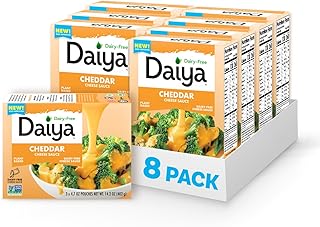
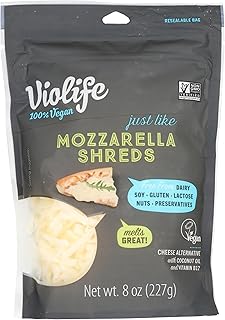
Selecting the right vegan cheese is crucial for achieving the desired melt and texture in your dishes. High-quality, meltable vegan cheeses are made from plant-based ingredients such as nuts, seeds, and soy, and are often fortified with vitamins and minerals. When choosing a vegan cheese, look for brands that specifically state they are meltable, as not all vegan cheeses have this property. Some popular meltable vegan cheese brands include Daiya, Follow Your Heart, and Violife.
It's also important to consider the flavor profile of the cheese, as vegan cheeses can range from mild to sharp. If you're new to vegan cheese, start with a mild flavor and gradually experiment with stronger flavors as you become more accustomed to the taste. Additionally, check the ingredient list to ensure the cheese doesn't contain any allergens or additives you're trying to avoid.
Once you've selected a high-quality, meltable vegan cheese, the next step is to properly store it. Vegan cheese should be stored in the refrigerator, wrapped tightly in plastic wrap or aluminum foil to prevent it from drying out. It's best to consume vegan cheese within a few weeks of purchase for optimal flavor and texture.
When it's time to melt the cheese, there are several methods you can use, including stovetop, oven, or microwave. The stovetop method involves placing the cheese in a saucepan over low heat, stirring constantly until melted. The oven method involves placing the cheese in a heatproof dish and baking it at a low temperature until melted. The microwave method involves placing the cheese in a microwave-safe dish and heating it in short intervals, stirring between each interval, until melted.
Regardless of the method you choose, it's important to melt the cheese slowly and stir frequently to prevent it from burning or becoming too thick. Once the cheese is melted, use it immediately in your desired recipe, as it will begin to harden and lose its meltability as it cools.
In conclusion, choosing the right vegan cheese and properly melting it can make a significant difference in the taste and texture of your vegan dishes. By selecting a high-quality, meltable cheese and following the proper melting techniques, you can achieve delicious, gooey vegan cheese that will satisfy even the most discerning palate.
Discover the Best Spots to Purchase Land O'Lakes Extra Melt Cheese
You may want to see also
Explore related products


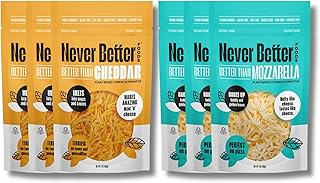

Preparation Techniques: Grate or slice the cheese finely to ensure even melting
Grating or slicing vegan cheese finely is a crucial step in ensuring even melting. This technique increases the surface area of the cheese, allowing it to melt more uniformly and quickly. When vegan cheese is grated or sliced thinly, it can easily spread and cover a larger area, which is particularly useful when making dishes like vegan pizzas or casseroles.
To grate vegan cheese, use a fine grater or a food processor with a grating attachment. For slicing, a sharp knife is essential to achieve thin, even slices. It's important to note that not all vegan cheeses are suitable for grating or slicing; some may be too soft or crumbly. In such cases, chilling the cheese in the refrigerator for about 30 minutes before grating or slicing can help firm it up, making the process easier and more effective.
When grating or slicing vegan cheese for melting, it's also helpful to consider the type of dish you're preparing. For instance, if you're making a vegan grilled cheese sandwich, you may want to slice the cheese thinly to ensure it melts evenly between the bread slices. On the other hand, if you're preparing a vegan cheese sauce, grating the cheese finely will help it melt smoothly into the sauce.
One common mistake to avoid when grating or slicing vegan cheese is to press down too hard, which can cause the cheese to crumble or stick to the grater or knife. Instead, use a gentle, consistent motion to grate or slice the cheese. Additionally, it's important to clean your grater or knife between uses to prevent any residue from affecting the taste or texture of your dish.
In summary, grating or slicing vegan cheese finely is an essential preparation technique that ensures even melting and improves the overall texture and flavor of your vegan dishes. By following these tips and considering the specific requirements of your recipe, you can achieve perfectly melted vegan cheese every time.
The Art of Melting Cheese to Perfection for Your Burger
You may want to see also
Explore related products


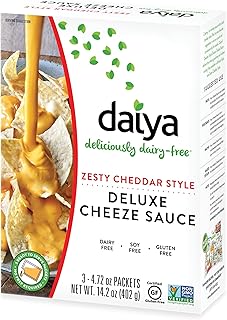


Heat Sources: Use a double boiler, microwave, or stovetop to gently heat the cheese
When melting vegan cheese, the choice of heat source can significantly impact the texture and flavor of the final product. A double boiler, microwave, or stovetop are all viable options, each with its own advantages and potential drawbacks.
Using a double boiler is a gentle and effective method for melting vegan cheese. This technique involves placing the cheese in a heatproof bowl set over a pot of simmering water. The indirect heat from the steam melts the cheese slowly and evenly, reducing the risk of burning or scorching. However, this method can be time-consuming and requires careful monitoring to ensure the water does not boil dry.
Microwaving vegan cheese is a quick and convenient option, but it can be tricky to achieve the desired consistency. To prevent the cheese from becoming too rubbery or oily, it's essential to use short bursts of heat and stir the cheese frequently. Start with 30-second intervals and adjust as needed until the cheese is fully melted.
Melting vegan cheese on a stovetop can provide more control over the heating process. Use a non-stick pan over low to medium heat and stir the cheese constantly to ensure even melting. Be cautious not to overheat the cheese, as this can lead to a grainy texture or burning.
Regardless of the chosen heat source, it's crucial to use a gentle heat to avoid altering the cheese's texture or flavor. Experimenting with different methods can help determine the best approach for specific types of vegan cheese and desired outcomes.
The Melting Mystery: Why Your Parmesan Cheese Won't Melt
You may want to see also
Explore related products


Melting Tips: Add a splash of plant-based milk or oil to achieve a smoother texture
To achieve a smoother texture when melting vegan cheese, incorporating a splash of plant-based milk or oil can be a game-changer. This technique not only enhances the creaminess but also helps in achieving an even melt. Start by selecting a high-quality vegan cheese that is designed to melt well. Then, depending on the recipe or desired consistency, add a small amount of plant-based milk or oil to the cheese before heating. This will help to break down the cheese's structure and create a more uniform texture.
When it comes to the actual melting process, it's crucial to use low to medium heat to prevent the cheese from burning or becoming too rubbery. Stirring the cheese constantly while it melts will also contribute to a smoother texture. If you're using a double boiler, ensure that the water is simmering gently and not boiling vigorously, as this can cause the cheese to separate or become grainy.
Another useful tip is to experiment with different types of plant-based milk or oil to find the one that works best for your specific cheese and recipe. For instance, some people find that soy milk or almond milk works wonders, while others prefer using a neutral-flavored oil like grapeseed or canola. Remember, a little goes a long way, so start with a small amount and adjust as needed to achieve your desired texture.
In terms of common mistakes to avoid, one of the biggest is overheating the cheese. This can cause it to become tough and stringy, rather than smooth and creamy. Additionally, be cautious not to add too much liquid, as this can dilute the cheese's flavor and make it less effective as a melting agent. By following these tips and experimenting with different techniques, you'll be well on your way to achieving perfectly melted vegan cheese with a smooth, creamy texture.
The Art of Melting Laughing Cow Cheese: A Delicious Guide
You may want to see also
Explore related products


Applications: Use melted vegan cheese in sandwiches, pizzas, or as a dip
Melted vegan cheese can be a versatile ingredient in various dishes, offering a dairy-free alternative that doesn't compromise on flavor or texture. One popular application is in sandwiches, where melted vegan cheese can add a creamy, gooey element that binds the other ingredients together. To achieve the perfect melt, it's important to choose a vegan cheese that is specifically designed for melting, as some varieties may not melt as smoothly or evenly as others. Look for brands that explicitly state their melting properties or experiment with different types to find your favorite.
When using melted vegan cheese in sandwiches, consider the other ingredients carefully to create a balanced flavor profile. For example, pairing the cheese with fresh vegetables, such as lettuce, tomato, and cucumber, can provide a refreshing contrast to the richness of the cheese. Alternatively, adding savory elements like grilled portobello mushrooms or marinated tofu can enhance the umami flavor and create a more satisfying meal.
In addition to sandwiches, melted vegan cheese can also be used to create delicious pizzas. Simply spread the melted cheese over a pizza crust, add your desired toppings, and bake until the cheese is bubbly and golden brown. One advantage of using vegan cheese is that it tends to melt more quickly than dairy cheese, which can save time when preparing pizzas. However, be cautious not to overcook the pizza, as this can cause the cheese to become too crispy or burnt.
Another creative way to use melted vegan cheese is as a dip. This can be a great option for parties or gatherings, as it allows guests to enjoy the cheese with a variety of dippable items, such as crackers, vegetables, or breadsticks. To make a vegan cheese dip, simply melt the cheese in a saucepan over low heat, stirring occasionally to prevent it from sticking or burning. You can also add additional ingredients to the dip, such as chopped herbs, spices, or even a splash of plant-based milk to achieve your desired consistency.
Overall, melted vegan cheese can be a delicious and versatile ingredient in a wide range of dishes. By choosing the right type of cheese and experimenting with different flavor combinations, you can create tasty and satisfying meals that cater to a variety of dietary preferences and restrictions.
The Irresistible Melt: Exploring the Creamy Delight of Cheese Itz
You may want to see also
Frequently asked questions
There are several methods to melt vegan cheese effectively. One popular method is using a double boiler, where you place the cheese in a heatproof bowl over a pot of simmering water. Another method is using a microwave, but be sure to monitor it closely to avoid burning. Additionally, some vegan cheeses melt well on a skillet or griddle over medium heat.
Vegan cheese may not melt as smoothly as dairy cheese because it lacks the natural fats and proteins found in dairy. These components contribute to the smooth, stretchy texture of melted dairy cheese. Vegan cheese manufacturers often use plant-based fats and proteins, which can result in a different melting consistency.
Yes, you can use vegan cheese in recipes that require melted dairy cheese. However, keep in mind that the texture and flavor may be slightly different. It's a good idea to experiment with different types of vegan cheese to find one that melts well and complements the flavors in your recipe.