Andy Montoya
Cream cheese frosting is a beloved topping for many desserts, particularly carrot cakes and red velvet cupcakes. However, what if you want to enjoy that rich, tangy flavor without using actual cream cheese? Whether you're lactose intolerant, vegan, or simply looking for a healthier alternative, there are several ways to make cream cheese frosting without cream cheese. In this guide, we'll explore various substitutes and techniques to achieve that signature taste and texture. From using plant-based cream cheese alternatives to incorporating unexpected ingredients like cottage cheese or yogurt, you'll be surprised at how easy it is to create a delicious cream cheese frosting without the traditional dairy product. So, let's get started and discover the secrets to making a cream cheese frosting that's both indulgent and inclusive!
Explore related products



What You'll Learn
- Alternative Ingredients: Explore substitutes like mascarpone, ricotta, or Greek yogurt for a similar texture and flavor
- Vegan Options: Use plant-based ingredients such as vegan butter and coconut cream to create a dairy-free version
- Flavor Enhancements: Add vanilla extract, lemon zest, or almond extract to boost the flavor profile of your frosting
- Texture Adjustments: Achieve the right consistency by incorporating powdered sugar gradually and using a hand mixer for blending
- Storage and Shelf Life: Learn how to store your homemade frosting properly to maintain freshness and prevent spoilage

Alternative Ingredients: Explore substitutes like mascarpone, ricotta, or Greek yogurt for a similar texture and flavor
Mascarpone cheese is a luxurious Italian cream cheese that can serve as an excellent substitute for traditional cream cheese in frosting recipes. Its rich, creamy texture and mild flavor profile make it an ideal choice for those looking to experiment with different ingredients. When using mascarpone, it's important to note that it has a slightly higher fat content than regular cream cheese, which can result in a denser, more velvety frosting. To achieve the best results, combine mascarpone with powdered sugar and a splash of vanilla extract, and beat until smooth and creamy.
Ricotta cheese, another Italian staple, offers a lighter, slightly grainy texture that can add an interesting dimension to your frosting. While it may not be as creamy as mascarpone or traditional cream cheese, ricotta can provide a refreshing contrast to the sweetness of the powdered sugar. To use ricotta in your frosting, simply mix it with powdered sugar, a pinch of salt, and a teaspoon of vanilla extract until well combined. You may need to adjust the amount of powdered sugar depending on the desired consistency.
Greek yogurt is a versatile and healthy alternative to cream cheese that can add a tangy flavor to your frosting. It's important to choose a full-fat Greek yogurt to achieve the best results, as it will provide a richer, creamier texture. When using Greek yogurt, you may need to add a bit more powdered sugar to balance out the tanginess. Simply mix the Greek yogurt with powdered sugar, a splash of vanilla extract, and a pinch of salt until smooth and creamy.
When exploring these alternative ingredients, it's crucial to keep in mind that each substitute will yield a slightly different flavor and texture. Be prepared to experiment and adjust the recipe accordingly to achieve your desired outcome. Additionally, consider the dietary restrictions and preferences of your guests when choosing a substitute, as some may have allergies or intolerances to certain ingredients.
In conclusion, mascarpone, ricotta, and Greek yogurt are all viable alternatives to traditional cream cheese in frosting recipes. Each ingredient offers a unique flavor and texture profile that can add an interesting twist to your baked goods. By experimenting with these substitutes, you can create delicious and visually appealing frostings that cater to a variety of tastes and dietary needs.
Delightful Cinnamon Sugar Cream Cheese: A Simple Recipe
You may want to see also
Explore related products




Vegan Options: Use plant-based ingredients such as vegan butter and coconut cream to create a dairy-free version
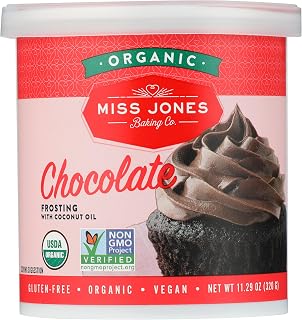
For those looking to create a vegan version of cream cheese frosting, there are several plant-based ingredients that can be used as substitutes. Vegan butter, made from plant oils such as coconut, palm, or soybean oil, can replace traditional butter in recipes. Coconut cream, which is the thick cream that forms at the top of a can of full-fat coconut milk when chilled, can be used in place of cream cheese. To make a vegan cream cheese frosting, start by creaming together the vegan butter and coconut cream until smooth and creamy. Then, gradually add powdered sugar and vanilla extract, beating until the frosting reaches the desired consistency.
Another option for a dairy-free cream cheese frosting is to use a vegan cream cheese alternative, such as Kite Hill or Miyoko's Kitchen brand cream cheese. These products are made from plant-based ingredients and can be used in a 1:1 ratio in place of traditional cream cheese in recipes. Simply follow the same steps as you would for a traditional cream cheese frosting, using the vegan cream cheese alternative in place of the regular cream cheese.
When making a vegan cream cheese frosting, it's important to note that the texture and flavor may be slightly different from a traditional cream cheese frosting. Vegan butter and coconut cream can create a slightly sweeter and more tropical flavor, while vegan cream cheese alternatives may have a tangier taste. Experiment with different brands and ingredients to find the combination that works best for your taste preferences.
In terms of decorating, vegan cream cheese frosting can be used in the same way as traditional cream cheese frosting. It can be piped onto cupcakes, spread onto cakes, or used as a filling between cake layers. Just be sure to store any leftover frosting in an airtight container in the refrigerator, as vegan ingredients can spoil more quickly than traditional dairy products.
Overall, creating a vegan cream cheese frosting is a simple and delicious way to cater to those with dietary restrictions or preferences. With a few key ingredient swaps, you can create a frosting that is just as creamy and flavorful as its traditional counterpart.
Unraveling the Mystery: Is Cream Cheese an Egg-Free Delight?
You may want to see also
Explore related products




Flavor Enhancements: Add vanilla extract, lemon zest, or almond extract to boost the flavor profile of your frosting
To elevate the taste of your cream cheese frosting substitute, consider incorporating flavor enhancers such as vanilla extract, lemon zest, or almond extract. These additions can significantly boost the flavor profile, making your frosting more complex and enjoyable. When using vanilla extract, opt for a high-quality, pure extract rather than imitation for the best results. Start with a small amount, about 1/2 teaspoon, and adjust to taste.
Lemon zest is another excellent option, particularly if you're looking to add a bright, citrusy note to your frosting. Use a fine grater to zest a fresh lemon, being careful not to include the bitter white pith. Add 1-2 teaspoons of lemon zest to your frosting mixture and mix well. You can also experiment with other citrus zests, such as orange or lime, for different flavor combinations.
Almond extract is a versatile flavor enhancer that pairs well with many other ingredients. It adds a subtle, nutty flavor that can complement the sweetness of your frosting. Use almond extract sparingly, as it can be quite potent. Start with 1/4 teaspoon and increase as needed. You might also consider combining almond extract with other flavorings, such as vanilla or lemon zest, for a more layered taste experience.
When incorporating these flavor enhancers, it's essential to mix them thoroughly with your frosting to ensure an even distribution of flavor. Allow the frosting to sit for a few minutes after adding the flavorings to let the flavors meld together. Taste and adjust as necessary to achieve your desired flavor balance.
Remember, the key to successful flavor enhancement is to experiment and find the combinations that work best for your taste preferences. Don't be afraid to try new flavorings or adjust the amounts to suit your liking. With a little creativity and some careful tasting, you can create a delicious and unique cream cheese frosting substitute that's sure to impress.
Indulge in the Best Pumpkin Rolls with Cream Cheese Filling: A Guide to Where to Buy Them
You may want to see also
Explore related products


Texture Adjustments: Achieve the right consistency by incorporating powdered sugar gradually and using a hand mixer for blending
To achieve the perfect texture in cream cheese frosting without using actual cream cheese, it's crucial to focus on the gradual incorporation of powdered sugar and the effective use of a hand mixer. Begin by ensuring that your butter is at room temperature, as this will facilitate smoother blending. Gradually add the powdered sugar, starting with a small amount and increasing incrementally. This method prevents the mixture from becoming too thick or clumpy.
As you add the sugar, use a hand mixer on a low setting to blend the ingredients. This tool is essential for achieving a creamy and smooth consistency, as it allows for thorough mixing without overworking the butter. Be cautious not to overmix, as this can lead to a frosting that is too airy and lacks the desired richness.
If you find that the frosting is still too thin, add more powdered sugar in small increments, continuing to blend with the hand mixer. Conversely, if the frosting becomes too thick, you can thin it out by adding a small amount of milk or lemon juice, blending until the desired consistency is reached.
Remember that the key to successful texture adjustments is patience and attention to detail. Take your time to gradually incorporate the sugar and carefully monitor the consistency of the frosting. With practice, you'll be able to achieve the perfect balance of sweetness and creaminess in your cream cheese frosting substitute.
Exploring the Halal Status of Cream Cheese: A Comprehensive Guide
You may want to see also
Explore related products




Storage and Shelf Life: Learn how to store your homemade frosting properly to maintain freshness and prevent spoilage
Proper storage is crucial for maintaining the freshness and quality of homemade frosting, especially when it's made without cream cheese. Unlike store-bought varieties, homemade frosting can be more susceptible to spoilage due to the absence of preservatives. To ensure your frosting stays fresh and safe to consume, follow these storage guidelines:
First, it's important to store the frosting in an airtight container to prevent air and contaminants from entering. This will help maintain the frosting's texture and prevent it from drying out or absorbing odors from other foods in the refrigerator. If you're using a plastic container, make sure it's food-grade and free of any cracks or leaks.
Next, consider the temperature at which you store the frosting. Ideally, homemade frosting should be stored in the refrigerator at a temperature between 35°F and 40°F (1.6°C and 4.4°C). This temperature range will help slow down the growth of bacteria and mold, which can cause spoilage. If you're not planning to use the frosting within a few days, you can also freeze it for longer-term storage. Just be sure to thaw it in the refrigerator overnight before using.
Another factor to consider is the shelf life of the frosting. Generally, homemade frosting without cream cheese can last for about 5 to 7 days when stored properly in the refrigerator. However, this can vary depending on the specific ingredients used and how well the frosting is mixed. If you notice any signs of spoilage, such as an off smell, discoloration, or mold growth, it's best to discard the frosting and make a fresh batch.
Finally, be mindful of cross-contamination when storing your frosting. Keep it away from raw meats, poultry, and seafood to prevent the transfer of harmful bacteria. It's also a good idea to label the container with the date it was made, so you can easily keep track of how long it's been stored.
By following these storage guidelines, you can help ensure that your homemade frosting without cream cheese stays fresh, delicious, and safe to enjoy for as long as possible.
Sweet and Savory Delights: Where to Find Honey Walnut Cream Cheese
You may want to see also
Frequently asked questions
The main ingredients needed are butter, powdered sugar, vanilla extract, and milk.
You can achieve a tangy flavor by adding a small amount of lemon juice or white vinegar to the frosting mixture.
The typical ratio is 1 cup of butter to 4 cups of powdered sugar.
Yes, this substitute can be used on any type of cake, but it pairs particularly well with carrot cake, red velvet cake, and spice cakes.
To ensure the frosting is smooth and creamy, make sure the butter is at room temperature before mixing, and gradually add the powdered sugar while mixing continuously. If the frosting is too thick, you can add a small amount of milk to thin it out.