Andy Montoya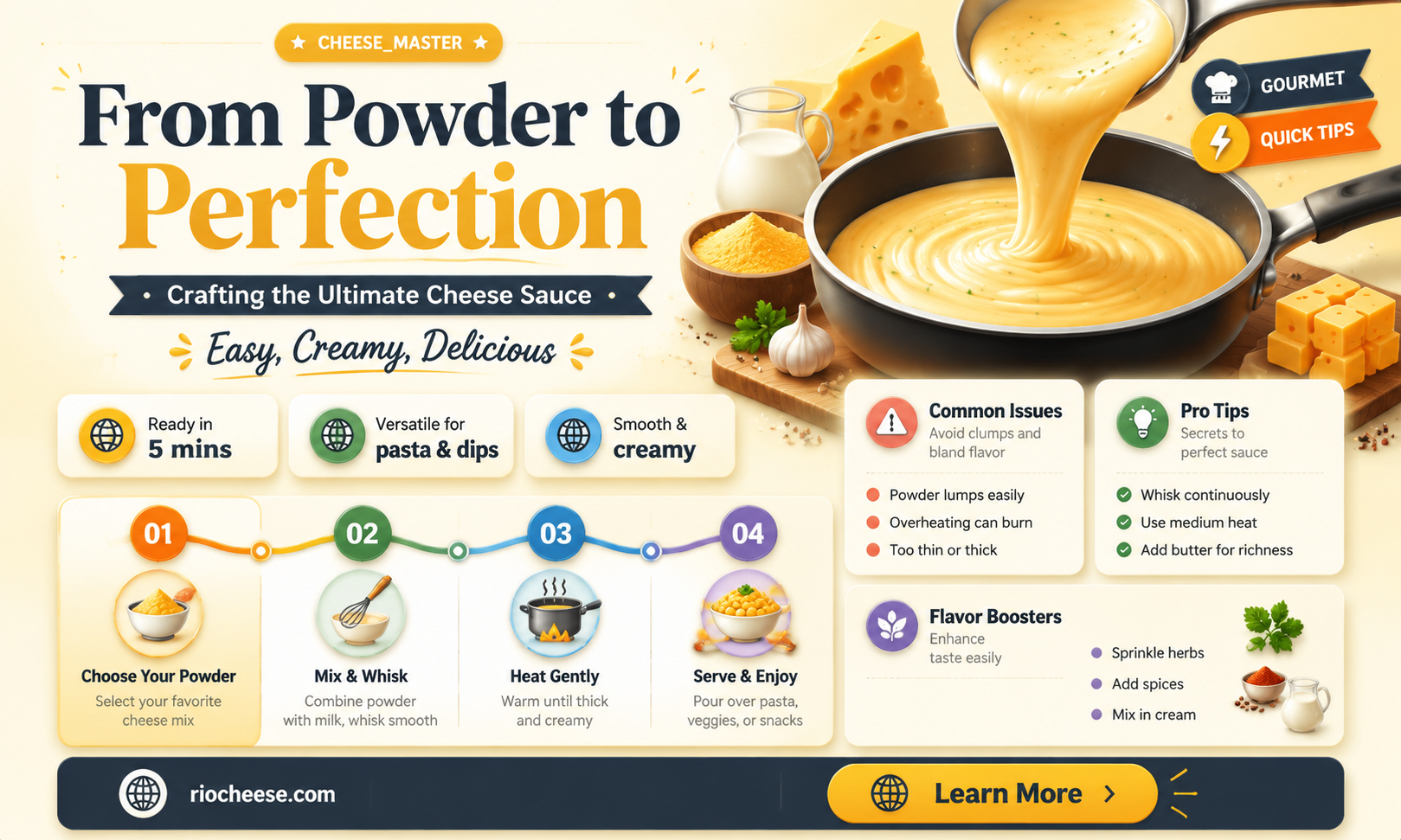
Making cheese sauce using cheese powder is a quick and convenient way to add a rich, cheesy flavor to a variety of dishes. Cheese powder, often used in boxed macaroni and cheese mixes, can be easily transformed into a creamy sauce with just a few simple ingredients. To start, you'll need to combine the cheese powder with a roux made from butter and flour, which will help thicken the sauce. Gradually adding milk while whisking continuously will create a smooth, velvety texture. Seasoning with salt, pepper, and additional spices like paprika or cayenne can enhance the flavor to your liking. This homemade cheese sauce can be used as a dip, a topping for vegetables or meats, or as a base for casseroles and other baked dishes.
Explore related products



What You'll Learn
- Gathering Ingredients: Assemble cheese powder, milk, butter, flour, and seasonings needed for the sauce
- Making a Roux: Melt butter, add flour, and cook until golden to create a thickening base
- Adding Milk: Gradually whisk in milk to the roux, ensuring a smooth consistency without lumps
- Incorporating Cheese Powder: Stir in cheese powder until fully dissolved and the sauce thickens
- Seasoning and Serving: Add salt, pepper, and other desired seasonings; serve warm over pasta or vegetables

Gathering Ingredients: Assemble cheese powder, milk, butter, flour, and seasonings needed for the sauce
To begin the process of making cheese sauce using cheese powder, it's essential to gather all the necessary ingredients beforehand. This ensures a smooth and efficient cooking process, allowing you to focus on the technique rather than scrambling for ingredients. The key components for a classic cheese sauce include cheese powder, milk, butter, flour, and various seasonings.
Cheese powder is the star of the show in this recipe, providing the rich, cheesy flavor that defines the sauce. When selecting cheese powder, opt for a high-quality brand that offers a good balance of flavor and texture. Some popular options include cheddar, mozzarella, or a blend of cheeses for a more complex taste profile.
Milk plays a crucial role in achieving the desired consistency for your cheese sauce. Whole milk is often preferred for its creaminess and ability to create a smooth, velvety texture. However, if you're looking to reduce the fat content, you can substitute with 2% or skim milk. Keep in mind that lower-fat milk may result in a slightly thinner sauce, so you may need to adjust the amount of flour used.
Butter adds richness and depth to the cheese sauce, enhancing its overall flavor. For the best results, use unsalted butter, as this allows you to control the saltiness of the sauce. If you only have salted butter on hand, reduce the amount of additional salt you add to the sauce to avoid over-seasoning.
Flour serves as a thickening agent, helping to create the perfect consistency for your cheese sauce. All-purpose flour is a versatile choice that works well in this recipe. When incorporating the flour, be sure to whisk it in gradually to avoid lumps and ensure a smooth, even texture.
Seasonings are the final touch that elevates your cheese sauce from good to great. Common seasonings include salt, pepper, garlic powder, and paprika. Feel free to experiment with different herbs and spices to create a unique flavor profile that suits your taste preferences.
By gathering and preparing these ingredients, you'll be well on your way to creating a delicious cheese sauce using cheese powder. Remember, the key to success lies in the quality of your ingredients and the care you take in combining them. Happy cooking!
Delicious Havarti: Versatile Uses for This Creamy Cheese Delight
You may want to see also
Explore related products



Making a Roux: Melt butter, add flour, and cook until golden to create a thickening base
To create a roux, begin by melting 2 tablespoons of unsalted butter in a saucepan over medium heat. Once the butter has melted completely, add 2 tablespoons of all-purpose flour, whisking continuously to ensure a smooth mixture. Cook the roux, stirring constantly, for about 1-2 minutes until it reaches a golden brown color. This process is crucial as it activates the thickening properties of the flour and removes any raw flour taste.
The key to a successful roux is maintaining the right temperature and consistency. If the heat is too high, the butter can burn and the flour can become bitter. Conversely, if the heat is too low, the roux may not thicken properly. Aim for a steady medium heat and adjust as necessary. Additionally, ensure that the flour is fully incorporated into the butter before adding any liquid, as lumps can form if the flour is not properly cooked.
Once the roux has reached the desired golden brown color, it's ready to be used as a thickening base for cheese sauce. Gradually whisk in milk or cream, starting with a small amount and increasing as needed to achieve the desired consistency. Be patient and continue whisking until the sauce is smooth and free of lumps.
When making cheese sauce using cheese powder, it's important to note that the roux serves as a foundational element that not only thickens the sauce but also enhances its flavor. The golden brown color of the roux indicates that it has been cooked long enough to develop a rich, nutty flavor that complements the cheesy taste of the sauce.
In summary, creating a roux involves melting butter, adding flour, and cooking until golden to create a thickening base. This process is essential for achieving the right consistency and flavor in cheese sauce made with cheese powder. By following these steps and paying close attention to temperature and technique, you can create a delicious and creamy cheese sauce that is perfect for a variety of dishes.
Exploring the Versatility of Basket Cheese in Culinary Delights
You may want to see also
Explore related products


Adding Milk: Gradually whisk in milk to the roux, ensuring a smooth consistency without lumps
Gradually whisking in milk to the roux is a critical step in making cheese sauce using cheese powder. This process requires attention to detail to ensure a smooth, lump-free consistency. Start by preparing your roux, which is a mixture of flour and fat (such as butter or oil), cooked until it reaches a light golden color. The roux serves as a thickening agent for your cheese sauce.
Once your roux is ready, begin adding the milk slowly while whisking continuously. This gradual incorporation of milk helps to prevent the formation of lumps. It's important to maintain a steady whisking motion to fully integrate the milk into the roux. If you add the milk too quickly, you risk creating a grainy or lumpy texture in your sauce.
As you whisk, ensure that the milk is at a moderate temperature; adding cold milk to hot roux can cause the mixture to seize and form lumps. Ideally, warm the milk slightly before adding it to the roux. This helps the ingredients blend more smoothly.
Continue whisking until the sauce reaches the desired consistency. If the sauce is too thick, you can add more milk, a little at a time, until it reaches the right thickness. Conversely, if the sauce is too thin, you can cook it for a few more minutes to allow it to thicken.
Finally, once the sauce has reached the desired consistency, it's time to add the cheese powder. Gradually stir in the cheese powder, ensuring it's fully dissolved before adding more. This will give your sauce a rich, cheesy flavor. Remember to taste and adjust the seasoning as needed.
Delicious Alternatives: What to Use Instead of Butter for Grilled Cheese
You may want to see also
Explore related products


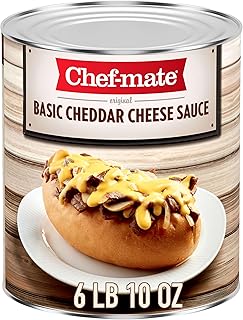

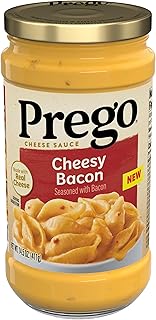

Incorporating Cheese Powder: Stir in cheese powder until fully dissolved and the sauce thickens
To achieve the perfect consistency and flavor in your cheese sauce, the incorporation of cheese powder is a crucial step. Begin by ensuring that the cheese powder is at room temperature; this will facilitate a smoother dissolution process. Gradually add the cheese powder to the sauce, stirring continuously with a whisk or a wooden spoon to prevent lumps from forming. It's essential to maintain a moderate heat throughout this process to avoid burning the cheese or causing it to clump.
As you stir, you'll notice the sauce beginning to thicken. This is due to the cheese powder's natural thickening properties, which are activated when combined with heat and liquid. Continue stirring until the cheese powder is fully dissolved and the sauce has reached your desired thickness. If the sauce becomes too thick, you can adjust the consistency by adding a small amount of milk or cream.
One common mistake to avoid is adding too much cheese powder at once, as this can lead to a grainy texture. Instead, add the powder in small increments, allowing each addition to dissolve completely before adding more. Additionally, be cautious not to overheat the sauce, as excessive heat can cause the cheese to separate and become oily.
For a more flavorful cheese sauce, consider using a combination of cheese powders, such as cheddar and Parmesan, or experiment with different seasonings like garlic powder, onion powder, or paprika. These additions can enhance the overall taste and make your cheese sauce more versatile for various dishes.
In summary, the key to successfully incorporating cheese powder into your sauce lies in patience and attention to detail. By following these steps and tips, you'll be able to create a rich, creamy, and flavorful cheese sauce that's perfect for any occasion.
Delicious and Easy: Mastering the Art of Cheese Wraps
You may want to see also
Explore related products


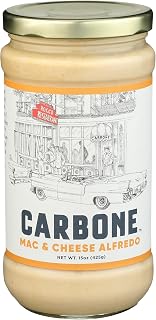
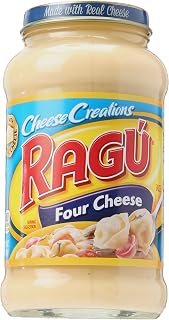
Seasoning and Serving: Add salt, pepper, and other desired seasonings; serve warm over pasta or vegetables
Once you've achieved the perfect consistency and flavor with your cheese sauce made from cheese powder, it's time to elevate it with seasoning and serving suggestions. The key to a well-rounded sauce lies in the balance of flavors, and this is where your culinary creativity comes into play. Start by adding a pinch of salt and a grind of black pepper to enhance the natural flavors of the cheese. Remember, a little goes a long way, so taste as you go to avoid overpowering the sauce.
For those who enjoy a bit of heat, consider adding a dash of cayenne pepper or red pepper flakes. If you prefer a more aromatic profile, dried herbs like thyme, oregano, or basil can add depth to the sauce. For a touch of tanginess, a squeeze of fresh lemon juice or a splash of white wine vinegar can brighten the flavors. When it comes to serving, the options are endless. Spoon the warm sauce over cooked pasta for a comforting meal, or drizzle it over steamed vegetables for a nutritious side dish. You can also use it as a dip for breadsticks or crackers, or even as a topping for baked potatoes.
To take your cheese sauce to the next level, consider experimenting with different types of cheese powder. For instance, a blend of cheddar and Parmesan can create a rich, complex flavor, while a single type of cheese like mozzarella can result in a milder, creamier sauce. Don't be afraid to mix and match to find your perfect combination. When serving, garnish with fresh herbs or grated cheese for an extra touch of elegance. With these seasoning and serving tips, you'll be able to transform your cheese sauce into a versatile and delicious addition to any meal.
Creative Ways to Repurpose Leftover Macaroni and Cheese
You may want to see also
Frequently asked questions
The basic ratio for making cheese sauce is typically 1 part cheese powder to 1 part milk. However, you can adjust this ratio to achieve your desired thickness and flavor intensity.
To prevent the cheese sauce from becoming too thick, you can add more milk gradually while stirring continuously. It's also important to cook the sauce over low to medium heat to avoid rapid thickening.
Yes, you can use different types of milk, such as whole milk, skim milk, or even non-dairy milk alternatives like almond milk or soy milk. Keep in mind that the type of milk you use may affect the flavor and texture of the cheese sauce.
To enhance the flavor of your cheese sauce, you can add ingredients like butter, flour, mustard, Worcestershire sauce, garlic powder, onion powder, or paprika. These additions can help create a richer, more complex flavor profile.