Frederic Melton
To heat up macaroni and cheese, you'll want to start by transferring the desired amount to a microwave-safe dish. If the macaroni and cheese is cold from refrigeration, cover the dish loosely with microwave-safe plastic wrap or a damp paper towel to help retain moisture. Microwave on high for about 1-2 minutes, or until the macaroni and cheese is heated through. Be sure to stir the macaroni and cheese halfway through the heating process to ensure even heating. If you prefer a crispy top, you can broil the macaroni and cheese in the oven for a few minutes after microwaving, watching carefully to avoid burning.
Explore related products


What You'll Learn
- Stovetop Method: Heat macaroni and cheese in a saucepan over medium heat, stirring frequently until warmed through
- Microwave Instructions: Place macaroni and cheese in a microwave-safe bowl, cover, and heat on high for 1-2 minutes
- Oven Baking: Transfer macaroni and cheese to a baking dish, top with breadcrumbs, and bake at 350°F for 20-25 minutes
- Adding Toppings: Enhance your macaroni and cheese with toppings like bacon bits, chopped herbs, or a sprinkle of paprika
- Preventing Lumpiness: To avoid lumps, whisk in a small amount of milk or cream before heating the macaroni and cheese

Stovetop Method: Heat macaroni and cheese in a saucepan over medium heat, stirring frequently until warmed through
To heat macaroni and cheese using the stovetop method, begin by selecting a saucepan that is large enough to hold the desired amount of macaroni and cheese without overflowing. It's important to use a saucepan with a heavy bottom to ensure even heating and prevent the cheese sauce from burning. Place the saucepan on the stove and set the heat to medium. This moderate heat setting will allow the macaroni and cheese to warm through gradually, preventing it from drying out or developing a skin on top.
Once the saucepan is on the heat, add the macaroni and cheese to it. If the macaroni and cheese is in a solid block, break it into smaller pieces to facilitate more even heating. Begin stirring the macaroni and cheese immediately to distribute the heat evenly throughout the dish. It's crucial to stir frequently to prevent the cheese sauce from sticking to the bottom of the saucepan and to ensure that the macaroni heats through uniformly.
As the macaroni and cheese heats, you may notice that the cheese sauce begins to thicken. This is a normal occurrence as the heat causes the cheese to melt and then thicken slightly. If the sauce becomes too thick, you can add a small amount of milk or cream to thin it out. However, be cautious not to add too much liquid, as this can cause the sauce to become runny.
Continue stirring the macaroni and cheese until it reaches the desired temperature. This process typically takes about 5-10 minutes, depending on the amount of macaroni and cheese and the heat setting. Once the macaroni and cheese is heated through, remove the saucepan from the heat and serve immediately. If you need to keep the macaroni and cheese warm for a longer period, you can transfer it to a heatproof dish and place it in a warm oven (around 200°F or 93°C) until ready to serve.
In summary, the stovetop method for heating macaroni and cheese involves using a saucepan over medium heat, stirring frequently, and monitoring the consistency of the cheese sauce. This method allows for even heating and helps maintain the creamy texture of the macaroni and cheese.
Macaroni and Cheese: A Potassium-Rich Comfort Food or Not?
You may want to see also
Explore related products



Microwave Instructions: Place macaroni and cheese in a microwave-safe bowl, cover, and heat on high for 1-2 minutes
To heat up macaroni and cheese in the microwave, start by transferring it to a microwave-safe bowl. This step is crucial to ensure that the container won't melt or release harmful chemicals when exposed to microwave radiation. Once the macaroni and cheese is in the bowl, cover it with a microwave-safe lid or plastic wrap to prevent splatters and promote even heating.
Next, place the bowl in the microwave and set the timer for 1-2 minutes, depending on the amount of macaroni and cheese and the power of your microwave. It's important to note that microwaves can vary significantly in terms of wattage, so you may need to adjust the heating time accordingly. For example, if you have a lower-powered microwave, you might need to heat the macaroni and cheese for closer to 2 minutes, while a higher-powered microwave may only require 1 minute.
During the heating process, it's a good idea to pause the microwave halfway through and stir the macaroni and cheese to ensure even heating. This will help prevent hot spots and cold areas, resulting in a more consistent temperature throughout the dish. After the heating time is complete, carefully remove the bowl from the microwave using oven mitts or a towel, as it may be hot.
Before serving, give the macaroni and cheese a final stir to distribute any melted cheese or sauce evenly. If you find that the macaroni and cheese is too dry or thick after microwaving, you can add a small amount of milk or cream to loosen it up. Conversely, if it's too runny, you can sprinkle some grated cheese on top to thicken it.
Remember, when reheating macaroni and cheese in the microwave, it's important to monitor the heating time closely to avoid overcooking or burning the dish. By following these simple steps, you can enjoy a quick and easy serving of macaroni and cheese that's just as delicious as when it was first made.
Exploring the Origins: Is Macaroni Cheese Truly Italian?
You may want to see also
Explore related products


Oven Baking: Transfer macaroni and cheese to a baking dish, top with breadcrumbs, and bake at 350°F for 20-25 minutes
Transferring your macaroni and cheese to a baking dish for oven baking is a classic method to achieve a crispy, golden-brown crust on top while ensuring the pasta remains tender and the cheese sauce stays rich and creamy. This technique is particularly useful when you want to elevate your mac and cheese from a simple stovetop dish to a more sophisticated, baked casserole that's perfect for gatherings or potlucks.
To begin, preheat your oven to 350°F (175°C). While the oven is heating up, prepare your macaroni and cheese according to your preferred recipe or using store-bought varieties. Once the pasta is cooked and mixed with the cheese sauce, transfer it to a baking dish. The dish should be large enough to hold the macaroni and cheese comfortably, allowing for some expansion during baking.
Before placing the dish in the oven, top the macaroni and cheese with a layer of breadcrumbs. This step is crucial for achieving that desirable crispy texture on top. You can use plain breadcrumbs or panko for a lighter, airier crust. Some recipes also suggest mixing the breadcrumbs with melted butter or olive oil to help them brown more evenly.
Place the baking dish in the preheated oven and bake for 20-25 minutes, or until the top is golden brown and the cheese sauce is bubbling around the edges. Keep an eye on the dish during baking to prevent overcooking, as ovens can vary in temperature and cooking times.
Once the macaroni and cheese is baked to perfection, remove it from the oven and let it cool for a few minutes before serving. This allows the cheese sauce to set slightly, making it easier to scoop and serve. Oven-baked macaroni and cheese is a comforting and delicious dish that's sure to be a hit at any meal.
Celebrating National Macaroni and Cheese Day: A Cheesy Delight
You may want to see also
Explore related products




Adding Toppings: Enhance your macaroni and cheese with toppings like bacon bits, chopped herbs, or a sprinkle of paprika
To elevate your macaroni and cheese, consider adding toppings that complement its rich, creamy flavor. Bacon bits, for instance, introduce a smoky, savory element that pairs well with the pasta's mild taste. Simply cook the bacon until crispy, chop it into small pieces, and sprinkle over the heated macaroni and cheese. Alternatively, chopped herbs like parsley or chives can add a fresh, aromatic twist. These herbs not only enhance the dish's visual appeal but also provide a burst of flavor that cuts through the cheese's richness. For a touch of spice, a sprinkle of paprika is an excellent choice. It adds a subtle heat and a vibrant red color that makes the dish more enticing. When adding toppings, be mindful of the quantities to avoid overpowering the macaroni and cheese's original flavor. A light hand is often best to maintain a balanced taste.
Mastering Creaminess: The Ultimate Macaroni and Cheese Guide
You may want to see also
Explore related products

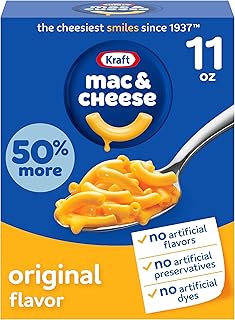


Preventing Lumpiness: To avoid lumps, whisk in a small amount of milk or cream before heating the macaroni and cheese
To prevent lumpiness in macaroni and cheese, it's essential to incorporate a small amount of milk or cream before heating. This technique helps to create a smoother, more uniform texture. When reheating macaroni and cheese, the starches in the pasta can cause the sauce to thicken and form lumps. By adding a liquid component like milk or cream, you're essentially thinning out the sauce, which makes it easier to heat evenly and prevents the formation of those pesky lumps.
The process is quite simple. Start by taking your macaroni and cheese out of the refrigerator and letting it sit at room temperature for a few minutes. This allows the pasta to absorb some of the sauce, making it less likely to become overly dry when reheated. Next, add a small amount of milk or cream – about 1/4 cup per serving – and whisk it in thoroughly. Make sure to break up any clumps of pasta and sauce as you mix.
Once you've incorporated the milk or cream, you can heat the macaroni and cheese in the microwave, oven, or on the stovetop. If using the microwave, cover the dish with a microwave-safe lid or plastic wrap, leaving a small vent for steam to escape. Heat on high for about 1-2 minutes, or until the macaroni and cheese is heated through. If using the oven, preheat to 350°F (175°C), cover the dish with aluminum foil, and bake for 20-25 minutes, or until heated through. On the stovetop, place the macaroni and cheese in a saucepan over medium heat, stirring occasionally, until it reaches your desired temperature.
It's important to note that while adding milk or cream can help prevent lumpiness, it may also slightly alter the flavor and consistency of your macaroni and cheese. If you prefer a thicker sauce, you may want to use less milk or cream, or even try using a roux (a mixture of flour and fat) to thicken the sauce before heating. Additionally, be careful not to overheat the macaroni and cheese, as this can cause the sauce to separate and become grainy.
By following these steps, you can ensure that your reheated macaroni and cheese is smooth, creamy, and lump-free – just as delicious as when it was first made.
The Great Carb Debate: Is Macaroni and Cheese a Starch?
You may want to see also
Frequently asked questions
To heat up macaroni and cheese in a microwave, transfer it to a microwave-safe dish and cover it loosely with a microwave-safe lid or plastic wrap. Heat on high for 1-2 minutes, stirring halfway through, until it's heated through. Be cautious when removing the dish as it may be hot.
Yes, you can heat up macaroni and cheese on the stovetop. Place the macaroni and cheese in a saucepan over low to medium heat. Stir occasionally to prevent sticking and burning. Heat until the cheese is melted and the pasta is heated through.
To prevent macaroni and cheese from drying out when reheating, you can add a splash of milk or cream to the dish before heating. This will help to keep the cheese sauce creamy and the pasta moist. Additionally, covering the dish while heating can help retain moisture.