Bushra Griffith
Macaroni and cheese is a beloved comfort food, but it can be a nightmare when it comes to keeping your clothes clean. Whether you're a parent dealing with a child's spill or an adult who's had a mishap, getting macaroni and cheese stains out of clothes can be a daunting task. The good news is that with the right techniques and tools, it's possible to remove even the most stubborn stains and keep your clothes looking their best. In this guide, we'll walk you through the step-by-step process of tackling macaroni and cheese stains, from immediate treatment to washing and drying your clothes.
Explore related products


What You'll Learn
- Immediate Action: Scrape off excess macaroni and cheese from the fabric using a blunt knife or spoon
- Pre-Treatment: Apply a stain remover or liquid laundry detergent directly to the stain and let it sit for 5-10 minutes
- Washing: Wash the stained garment in hot water with laundry detergent and a fabric softener to help lift the stain
- Natural Remedies: Use natural stain removers like white vinegar, baking soda, or lemon juice to tackle the stain without harsh chemicals
- Professional Cleaning: For stubborn stains, consider taking the garment to a professional cleaner who specializes in stain removal

Immediate Action: Scrape off excess macaroni and cheese from the fabric using a blunt knife or spoon
Upon encountering a macaroni and cheese stain on fabric, immediate action is crucial to prevent the stain from setting in. The first step is to scrape off any excess macaroni and cheese from the fabric using a blunt knife or spoon. This should be done carefully to avoid spreading the stain further or damaging the fabric. It's important to remove as much of the solid matter as possible before proceeding to the next steps of stain removal.
When scraping off the excess, it's advisable to work from the outside of the stain towards the center to minimize the risk of pushing the stain deeper into the fabric. Additionally, using a blunt utensil helps to avoid any potential cuts or tears in the material. Once the majority of the macaroni and cheese has been removed, the fabric can be gently blotted with a clean cloth or paper towel to absorb any remaining moisture.
It's essential to act quickly when dealing with food stains, as the longer they sit, the more difficult they become to remove. In the case of macaroni and cheese, the combination of carbohydrates, fats, and proteins can create a stubborn stain if not addressed promptly. By scraping off the excess immediately, you significantly improve the chances of successfully removing the stain without leaving any permanent marks on the fabric.
After scraping off the excess macaroni and cheese, the next steps typically involve treating the stain with a suitable cleaning agent and then washing the fabric as usual. However, the specific cleaning method may vary depending on the type of fabric and the severity of the stain. Always refer to the care label on the garment for guidance on the appropriate cleaning procedures.
In summary, immediate action is key when dealing with macaroni and cheese stains on fabric. By promptly scraping off the excess with a blunt knife or spoon, you can effectively minimize the stain's impact and increase the likelihood of successful removal. Remember to work carefully and methodically to avoid spreading the stain or damaging the fabric.
Discovering the Best Spots to Buy Cotija Cheese: A Comprehensive Guide
You may want to see also
Explore related products


Pre-Treatment: Apply a stain remover or liquid laundry detergent directly to the stain and let it sit for 5-10 minutes
Before diving into the main cleaning process, it's crucial to pre-treat the macaroni and cheese stain to increase the chances of complete removal. This initial step involves applying a stain remover or liquid laundry detergent directly to the affected area. The key here is to act quickly, as the longer the stain sets, the more difficult it becomes to remove.
When selecting a stain remover, opt for one that's specifically designed for food stains, as these products often contain enzymes that help break down the proteins and carbohydrates found in macaroni and cheese. If you prefer a more natural approach, liquid laundry detergent can also be effective. Be sure to check the care label of the garment to ensure that the chosen product is safe for the fabric.
To apply the stain remover or detergent, use a clean, white cloth or paper towel to gently dab the product onto the stain. Avoid rubbing, as this can cause the stain to spread or become embedded further into the fabric. Once the product is applied, let it sit for 5-10 minutes to allow it to penetrate the stain and begin the breakdown process.
During this waiting period, it's important to avoid washing the garment or applying any additional products, as this can interfere with the effectiveness of the pre-treatment. After the recommended time has passed, you can proceed to the next step in the cleaning process, which may involve rinsing the garment or applying a more targeted cleaning solution.
Remember, patience is key when it comes to stain removal. Allowing the pre-treatment to work for the full recommended time can make a significant difference in the final outcome. By following these steps, you'll be well on your way to removing that pesky macaroni and cheese stain from your clothing.
Discovering the Best Spots to Find Fresh Cheese Curds Near You
You may want to see also
Explore related products


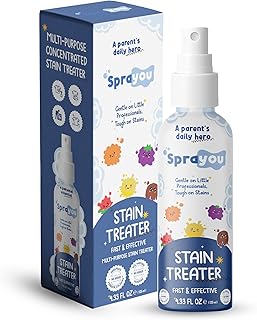


Washing: Wash the stained garment in hot water with laundry detergent and a fabric softener to help lift the stain
Hot water is a crucial component in the stain removal process because it helps to break down the proteins and carbohydrates in the macaroni and cheese, making it easier for the detergent to lift the stain. When washing the stained garment, it's important to use the hottest water setting that is safe for the fabric. Always check the care label on the garment to ensure that hot water won't damage or shrink the material.
Laundry detergent plays a vital role in stain removal by breaking down the oils and grease in the macaroni and cheese. Look for a detergent that contains enzymes, which are specifically designed to target protein-based stains like those from macaroni and cheese. Apply the detergent directly to the stain before washing to help loosen the stain particles.
Fabric softener can also aid in stain removal by helping to relax the fibers in the fabric, making it easier for the detergent to penetrate and lift the stain. However, it's important to note that fabric softener should only be used in the rinse cycle, not during the wash cycle, as it can interfere with the detergent's cleaning properties.
When washing the stained garment, it's best to use a heavy-duty wash cycle to ensure that the stain is thoroughly removed. If the stain persists after the first wash, repeat the process until the stain is completely gone. It's important to avoid using bleach on colored fabrics, as it can cause discoloration or damage to the material.
After washing, inspect the garment to ensure that the stain has been completely removed. If any stain remains, treat the area with a stain remover or a mixture of baking soda and water before washing again. Once the stain is gone, dry the garment according to the care label instructions to prevent any further damage or shrinkage.
Discover the Best Spots to Find Halloumi Cheese Near You
You may want to see also
Explore related products


Natural Remedies: Use natural stain removers like white vinegar, baking soda, or lemon juice to tackle the stain without harsh chemicals
Macaroni and cheese stains can be a stubborn nuisance on clothing, but resorting to harsh chemicals isn't always necessary. Natural remedies like white vinegar, baking soda, and lemon juice can be surprisingly effective at tackling these stains without damaging the fabric or the environment.
White vinegar is a versatile stain remover that can be used on most types of fabric. To use it, mix equal parts vinegar and water in a spray bottle and apply the solution directly to the stain. Let it sit for a few minutes before blotting the area with a clean cloth. For tougher stains, you can increase the concentration of vinegar or let it sit for a longer period.
Baking soda is another powerful natural stain remover. Create a paste by mixing baking soda with a small amount of water and apply it directly to the stain. Gently scrub the area with a soft brush or cloth and let the paste sit for about 30 minutes before rinsing it off with cold water. This method is particularly effective for removing dried, set-in stains.
Lemon juice is a natural bleaching agent that can help break down the pigments in macaroni and cheese stains. Apply fresh lemon juice directly to the stain and let it sit for a few minutes before rinsing it off with cold water. For best results, use lemon juice in combination with other natural stain removers, such as vinegar or baking soda.
When using natural stain removers, it's important to act quickly and treat the stain as soon as possible. The longer the stain sits, the more difficult it will be to remove. Additionally, always test the stain remover on a small, inconspicuous area of the fabric first to ensure it doesn't cause any damage or discoloration.
By using these natural remedies, you can effectively remove macaroni and cheese stains from your clothes without resorting to harsh chemicals. Not only are these methods gentler on the fabric and the environment, but they're also often more cost-effective and readily available in most households.
Discovering the Best Spots to Buy Authentic Gruyère Cheese
You may want to see also
Explore related products


Professional Cleaning: For stubborn stains, consider taking the garment to a professional cleaner who specializes in stain removal
Sometimes, despite your best efforts with home remedies and over-the-counter stain removers, a macaroni and cheese stain just won't budge. In these cases, it's time to call in the professionals. Taking your garment to a professional cleaner who specializes in stain removal can be the most effective way to restore your clothing to its original condition.
Professional cleaners have access to specialized equipment and cleaning solutions that are not available to the general public. They also have the expertise and experience to tackle even the toughest stains, like those caused by macaroni and cheese. When you take your garment to a professional cleaner, be sure to point out the stain and explain how it occurred. This information will help the cleaner choose the most appropriate cleaning method and solution for your specific situation.
One of the benefits of professional cleaning is that it can save you time and effort. Instead of spending hours trying to remove the stain yourself, you can simply drop off your garment and let the professionals handle it. Additionally, professional cleaning can help prevent further damage to your clothing. If you've been trying to remove the stain with harsh chemicals or abrasive scrubbing, you may be risking damage to the fabric. Professional cleaners know how to treat your clothing gently while still effectively removing the stain.
When choosing a professional cleaner, look for one who has experience with stain removal and who uses environmentally friendly cleaning methods. You may also want to check reviews and ask for recommendations from friends or family members. Remember, the cost of professional cleaning may vary depending on the size and type of garment, as well as the severity of the stain. However, in many cases, the peace of mind and the restored condition of your clothing are worth the investment.
Discovering Authentic Cheese: A Guide to the Best Sources
You may want to see also
Frequently asked questions
To remove macaroni and cheese stains from clothing, start by scraping off any excess food with a spoon or knife. Then, rinse the stain with cold water to remove as much of the sauce as possible. Apply a stain remover or a mixture of equal parts water and white vinegar to the area, let it sit for a few minutes, and then launder the garment as usual with detergent.
No, hot water can actually set the stain and make it more difficult to remove. Always use cold water when rinsing macaroni and cheese stains to prevent the proteins in the cheese from bonding with the fabric fibers.
Bleach can be effective for removing tough stains, but it's not recommended for all types of fabric. Check the care label on the garment to ensure it can be safely bleached. If it can, apply a small amount of bleach to the stain, let it sit for a few minutes, and then rinse thoroughly before laundering.