 Kamil Perry
Cheese grease stains on clothes can be a common and frustrating laundry challenge. Whether it's a drip from a grilled cheese sandwich or a splash from cooking, these stains can seem stubborn and difficult to remove. However, with the right techniques and cleaning agents, it's possible to effectively eliminate cheese grease from fabric. In this guide, we'll explore various methods to tackle these stains, from simple home remedies to more advanced cleaning solutions, ensuring your clothes remain clean and grease-free.
Explore related products


What You'll Learn
- Pre-treating cheese stains: Apply a stain remover or dish soap directly to the affected area before washing
- Using hot water: Wash the stained clothing in hot water to help break down and remove the cheese grease
- Adding baking soda: Include baking soda in the wash cycle to neutralize odors and enhance stain removal
- Employing vinegar: Use white vinegar as a natural fabric softener and deodorizer, aiding in grease removal
- Post-wash stain check: After washing, inspect the clothing to ensure the cheese grease stain has been completely removed

Pre-treating cheese stains: Apply a stain remover or dish soap directly to the affected area before washing
Pre-treating cheese stains is a crucial step in the process of removing them from clothing. The key to success lies in addressing the stain promptly and using the right products. When a cheese stain occurs, it's essential to act quickly to prevent the grease from setting into the fabric. The first step is to blot the stain gently with a clean cloth or paper towel to remove any excess cheese. Be careful not to rub the stain, as this can spread the grease further into the fabric.
Once the excess cheese has been removed, the next step is to apply a stain remover or dish soap directly to the affected area. Dish soap is particularly effective because it contains enzymes that break down grease. When applying the soap, be sure to cover the entire stain and work it into the fabric gently. Allow the soap to sit on the stain for a few minutes to give it time to penetrate and break down the grease.
After pre-treating the stain, it's important to wash the garment in the hottest water that's safe for the fabric. Hot water helps to further break down the grease and remove the stain. Be sure to check the care label on the garment to ensure that it can be washed in hot water. If the stain persists after washing, it may be necessary to repeat the pre-treatment process or try a different stain remover.
It's also important to note that some types of cheese stains may be more difficult to remove than others. For example, stains from hard cheeses like cheddar or parmesan may be more stubborn than those from soft cheeses like brie or camembert. In these cases, it may be necessary to use a more heavy-duty stain remover or to seek professional cleaning services.
In conclusion, pre-treating cheese stains with a stain remover or dish soap is an effective way to remove them from clothing. By acting quickly, using the right products, and following the proper washing procedures, it's possible to eliminate even the most stubborn cheese stains.
Discover the Best Spots to Find Creamy Mascarpone Cheese Near You
You may want to see also
Explore related products


Using hot water: Wash the stained clothing in hot water to help break down and remove the cheese grease
Hot water is a powerful tool in the fight against cheese grease stains on clothing. The high temperature of the water helps to break down the grease, making it easier to remove during the washing process. To effectively use hot water for stain removal, follow these steps:
- Pre-treat the stain: Before washing, apply a small amount of dish soap or a grease-fighting detergent directly to the stain. Gently rub the soap into the fabric using a soft brush or your fingers. This will help to loosen the grease and make it more susceptible to removal by hot water.
- Check the care label: Ensure that the clothing item can be safely washed in hot water. Some fabrics, such as wool or silk, may be damaged by high temperatures. If the care label indicates that hot water is not suitable, consider using a lower temperature or an alternative stain removal method.
- Wash in hot water: Place the stained clothing in the washing machine and set the water temperature to hot. Add your regular laundry detergent and wash the item according to the manufacturer's instructions. The hot water will help to break down the cheese grease, allowing the detergent to more effectively remove the stain.
- Inspect the stain after washing: Once the washing cycle is complete, check the stained area to see if the cheese grease has been removed. If the stain is still visible, repeat the pre-treatment and washing process. In some cases, you may need to use additional stain removal methods, such as applying a stain remover or using a different type of detergent.
When using hot water to remove cheese grease stains, it's important to act quickly. The longer the grease sits on the fabric, the more difficult it will be to remove. Additionally, be cautious not to use too much detergent, as this can lead to residue buildup on the fabric. By following these steps and being mindful of the care instructions for your clothing, you can effectively use hot water to remove cheese grease stains and keep your clothes looking clean and fresh.
Effective Methods to Remove Wax from Cheese: A Comprehensive Guide
You may want to see also
Explore related products
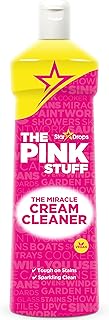


Adding baking soda: Include baking soda in the wash cycle to neutralize odors and enhance stain removal
Baking soda is a versatile household item that can be used to enhance your laundry routine, particularly when dealing with stubborn stains and odors. When added to the wash cycle, baking soda acts as a natural deodorizer and stain remover, making it an effective solution for getting cheese grease out of clothes.
To use baking soda for this purpose, simply add 1/2 cup of baking soda to your regular laundry detergent. This amount is sufficient for a standard load of laundry. If you're dealing with particularly stubborn stains, you can increase the amount to 1 cup. Be sure to dissolve the baking soda in warm water before adding it to the detergent to ensure it's fully incorporated into the wash cycle.
One of the benefits of using baking soda is that it's gentle on fabrics, making it suitable for use on a wide range of clothing items. However, it's always a good idea to check the care label of your garments before using any new cleaning products. Additionally, baking soda can be used in conjunction with other stain removal methods, such as pre-treating with dish soap or using a stain remover pen.
When it comes to drying your clothes, you can either air dry them or use a dryer. If you choose to use a dryer, be sure to clean the lint filter before starting the cycle to prevent any buildup of lint or debris. This will help ensure that your clothes come out clean and fresh-smelling.
In summary, adding baking soda to your wash cycle is a simple and effective way to neutralize odors and enhance stain removal when dealing with cheese grease on clothes. By following these steps, you can keep your garments looking and smelling their best.
Caught Red-Handed: The Blood and Cheese Scandal Unfolds
You may want to see also
Explore related products


Employing vinegar: Use white vinegar as a natural fabric softener and deodorizer, aiding in grease removal
Vinegar, particularly white vinegar, is a versatile household item that can be employed in various cleaning tasks. When it comes to fabric care, vinegar serves as a natural fabric softener and deodorizer, making it an excellent choice for removing stubborn odors and softening fabrics without the need for harsh chemicals.
To use vinegar as a fabric softener and deodorizer, simply add 1/2 cup of white vinegar to the rinse cycle of your washing machine. This will help to neutralize any lingering odors and leave your clothes feeling soft and fresh. For tougher odors or stains, you can create a vinegar-based cleaning solution by mixing equal parts vinegar and water in a spray bottle. Spray the solution directly onto the affected area, let it sit for a few minutes, and then launder as usual.
One of the key benefits of using vinegar in fabric care is its ability to aid in grease removal. The acidity of vinegar helps to break down grease and oil, making it easier to wash away. This is particularly useful for removing cheese grease from clothing, as cheese can leave behind a stubborn, oily residue. To tackle cheese grease stains, apply the vinegar-based cleaning solution directly to the stain, let it sit for 10-15 minutes, and then launder as usual. For particularly tough stains, you may need to repeat the process or use a stain remover specifically designed for grease.
When using vinegar in fabric care, it's important to note that it may not be suitable for all types of fabrics. Vinegar can be too acidic for delicate fabrics like silk or wool, so it's best to use it on cotton, polyester, and other durable fabrics. Additionally, always check the care label on your clothing before using any new cleaning products or methods.
In conclusion, vinegar is a natural, effective, and affordable solution for fabric care. Its ability to soften fabrics, remove odors, and aid in grease removal makes it a valuable addition to any laundry routine. By following these simple steps and precautions, you can harness the power of vinegar to keep your clothes looking and smelling their best.
Discover the Secret to Perfectly Aged Skeeter's Roof Cheese
You may want to see also
Explore related products

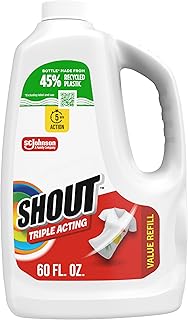


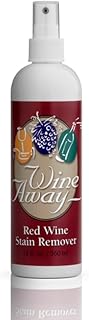

Post-wash stain check: After washing, inspect the clothing to ensure the cheese grease stain has been completely removed
After washing, it's crucial to perform a thorough post-wash stain check to ensure the cheese grease stain has been completely removed from the clothing. This step is often overlooked, but it's essential to prevent the stain from setting in permanently. To conduct a proper stain check, lay the garment flat on a clean surface and inspect it closely under good lighting. Look for any remaining traces of the stain, paying particular attention to the areas where the cheese grease was most concentrated.
If you notice any residual staining, it's important to address it immediately. Depending on the severity of the remaining stain, you may need to repeat the pre-treatment and washing process. For stubborn stains, consider using a stronger stain remover or consulting a professional cleaner. It's also a good idea to check the care label of the garment for any specific instructions on stain removal or to ensure that the cleaning method you've used is suitable for the fabric.
In some cases, the stain may appear to be removed after washing, but it could reappear once the garment is dry. This is why it's essential to inspect the clothing again after it has been dried. If the stain reappears, you may need to re-treat it with a stain remover and wash it again. It's important to be patient and persistent when dealing with cheese grease stains, as they can be particularly stubborn.
To avoid having to repeat the cleaning process multiple times, it's a good idea to catch the stain as soon as possible. If you're at a restaurant or event where cheese grease spills are likely to occur, keep a stain remover pen or wipes handy. These can be used to quickly treat the stain before it has a chance to set in. Additionally, be sure to wash the garment as soon as possible after the spill to give yourself the best chance of removing the stain completely.
In conclusion, the post-wash stain check is a critical step in the process of removing cheese grease from clothing. By being thorough and persistent, you can ensure that the stain is completely removed and that your garment is restored to its original condition. Remember to always check the care label and use the appropriate cleaning method for the fabric to avoid damaging the garment.
Exploring the Growth Potential of Swiss Cheese Plants: A Comprehensive Guide
You may want to see also
Frequently asked questions
To remove cheese grease from clothing, start by scraping off any excess grease with a butter knife or similar tool. Then, apply a small amount of dish soap directly to the stain and gently rub it in. Let it sit for a few minutes before rinsing with cold water. If the stain persists, you can try using a stain remover or washing the garment in hot water with laundry detergent.
While dish soap is generally the most effective for removing grease stains, you can also use other types of soap if dish soap is not available. Liquid hand soap or laundry detergent can work as alternatives. However, avoid using bar soap as it can leave a residue on the fabric.
For delicate fabrics, such as silk or wool, it's important to be gentle when removing a cheese grease stain. Start by blotting the stain with a clean cloth to remove as much grease as possible. Then, apply a small amount of mild detergent or soap to the stain and gently rub it in. Rinse the fabric with cold water and avoid wringing or twisting it. If the stain remains, consider taking the garment to a professional cleaner who specializes in delicate fabrics.


