Kamil Perry
Halloumi cheese, known for its firm texture and high melting point, is a popular ingredient in Mediterranean cuisine. Coating halloumi in breadcrumbs before cooking adds a delightful crunch to its naturally creamy interior. To prepare breaded halloumi, start by cutting the cheese into even slices or cubes. Dip each piece first in beaten egg, ensuring it's well coated, and then roll it in breadcrumbs, pressing gently to adhere. For an extra layer of flavor, you can mix herbs or spices into the breadcrumbs. Once breaded, the halloumi can be pan-fried in hot oil until golden brown and crispy on the outside, or baked in the oven for a healthier alternative. The result is a delicious appetizer or addition to salads and sandwiches, offering a satisfying contrast of textures and a rich, savory taste.
Explore related products


What You'll Learn
- Preparing the halloumi: Slice cheese into even pieces, ensuring uniform thickness for consistent cooking
- Breadcrumb mixture: Combine breadcrumbs with herbs, spices, and grated Parmesan for added flavor
- Dredging: Dip each halloumi slice in flour, then egg wash, and finally coat in breadcrumb mixture
- Cooking methods: Choose between pan-frying in olive oil or baking in the oven for a crispy exterior
- Serving suggestions: Pair breaded halloumi with salads, dips, or as a side dish for a complete meal

Preparing the halloumi: Slice cheese into even pieces, ensuring uniform thickness for consistent cooking
To prepare halloumi cheese for breadcrumb coating, it's crucial to start with even slices. This ensures that each piece cooks uniformly, preventing some slices from becoming too crispy while others remain undercooked. Begin by selecting a firm block of halloumi cheese. Using a sharp knife, slice the cheese into even pieces, approximately 1/4 inch thick. Consistency in thickness is key, as it allows the cheese to melt evenly when heated.
If the cheese is too soft or crumbly, chill it in the refrigerator for about 30 minutes to firm it up before slicing. This will make it easier to handle and reduce the likelihood of the cheese falling apart during the breading process. Once sliced, gently pat the cheese pieces dry with paper towels to remove any excess moisture. This step is important, as excess moisture can cause the breadcrumbs to become soggy and not adhere properly to the cheese.
Now, prepare your breadcrumb mixture. In a shallow dish, combine breadcrumbs with a pinch of salt, pepper, and any desired herbs or spices. You can use plain breadcrumbs for a classic flavor or seasoned breadcrumbs for added taste. In another dish, whisk together eggs and a splash of milk to create an egg wash. This wash will help the breadcrumbs stick to the cheese.
Dip each slice of halloumi cheese into the egg wash, ensuring it's fully coated. Then, press the cheese into the breadcrumb mixture, making sure the breadcrumbs adhere evenly to all sides. For an extra crispy coating, you can double-dip the cheese by repeating the egg wash and breadcrumb steps.
Once all the cheese slices are breaded, they're ready to be cooked. You can either pan-fry them in a bit of oil until golden brown or bake them in a preheated oven at 400°F (200°C) for about 10-12 minutes, flipping halfway through. The result will be deliciously crispy halloumi cheese with a gooey, melty center.
From Freezer to Feast: Mastering the Art of Frozen Cheese Pizza
You may want to see also
Explore related products


Breadcrumb mixture: Combine breadcrumbs with herbs, spices, and grated Parmesan for added flavor
To elevate the flavor profile of your breadcrumb mixture for halloumi cheese, consider incorporating a blend of herbs and spices. This not only enhances the taste but also adds a visually appealing touch to the dish. Start by combining dried herbs such as oregano, thyme, and rosemary with spices like paprika, garlic powder, and a pinch of cayenne pepper for a subtle kick.
Next, introduce freshly grated Parmesan cheese to the mixture. The Parmesan adds a rich, umami flavor that complements the savory notes of the halloumi. Aim for a ratio of about 1 cup of breadcrumbs to 1/4 cup of grated Parmesan. This ensures that the cheese is evenly distributed throughout the coating without overpowering the other ingredients.
When preparing the breadcrumb mixture, it's crucial to ensure that the breadcrumbs are of a medium to coarse texture. This provides a satisfying crunch when the halloumi is fried or baked. Avoid using overly fine breadcrumbs, as they may not adhere well to the cheese and could result in a less appealing texture.
To further enhance the mixture, consider adding a touch of olive oil or melted butter. This not only helps bind the ingredients together but also contributes to a golden-brown finish when cooking the halloumi. Be cautious not to add too much oil, as it can make the breadcrumbs soggy and compromise the crispiness.
In summary, a well-crafted breadcrumb mixture for halloumi cheese involves a thoughtful combination of herbs, spices, grated Parmesan, and the right texture of breadcrumbs. By following these guidelines, you can create a flavorful and visually appealing coating that elevates the overall taste of the dish.
Mastering the Art of Goat Cheese Brie: A Culinary Journey
You may want to see also
Explore related products


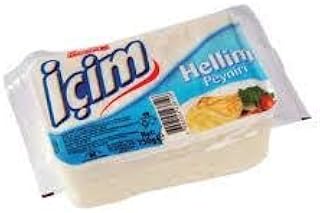
Dredging: Dip each halloumi slice in flour, then egg wash, and finally coat in breadcrumb mixture
Begin the dredging process by preparing your halloumi slices. Ensure they are evenly cut and patted dry to remove any excess moisture. This step is crucial as it helps the flour adhere better to the cheese, creating a more uniform coating.
Next, set up your dredging station. Place three shallow dishes in a row. The first dish should contain all-purpose flour, the second dish should hold a beaten egg wash (made by whisking together eggs and a splash of water or milk), and the third dish should be filled with a breadcrumb mixture. For the breadcrumb mixture, you can use plain breadcrumbs or add herbs and spices for extra flavor.
Dip each halloumi slice into the flour, ensuring it is fully coated. Shake off any excess flour before moving on to the egg wash. The egg wash acts as a binder, helping the breadcrumbs stick to the cheese. Make sure each slice is well-coated in the egg wash, then transfer it to the breadcrumb mixture. Press the breadcrumbs onto the cheese, ensuring an even and thorough coating.
Once all the halloumi slices are breaded, they are ready to be cooked. You can either fry them in hot oil until golden brown or bake them in the oven for a healthier alternative. The dredging process not only adds a delicious crispy coating to the halloumi but also helps to seal in the cheese's natural flavors, creating a delightful contrast between the crunchy exterior and the soft, gooey interior.
Savor the Flavor: Frozen Sausage, Egg, and Cheese Croissant Delight
You may want to see also
Explore related products


Cooking methods: Choose between pan-frying in olive oil or baking in the oven for a crispy exterior
Pan-frying halloumi cheese in olive oil offers a quick and efficient method to achieve a crispy exterior. Start by heating a non-stick frying pan over medium heat and add a generous drizzle of olive oil. Once the oil is hot, carefully place the breaded halloumi slices into the pan, ensuring they are not overcrowded. Cook for 2-3 minutes on each side, or until the breadcrumbs turn golden brown and crispy. Keep an eye on the cheese to prevent burning, adjusting the heat as necessary.
On the other hand, baking halloumi cheese in the oven provides a hands-off approach that still yields a deliciously crispy exterior. Preheat your oven to 400°F (200°C). Line a baking sheet with parchment paper and lightly spray it with cooking oil. Arrange the breaded halloumi slices in a single layer on the prepared baking sheet, leaving some space between each piece. Bake for 10-12 minutes, or until the breadcrumbs are golden brown and crispy. Flip the slices halfway through the baking time to ensure even cooking.
When choosing between these two cooking methods, consider your personal preferences and the desired texture of the halloumi cheese. Pan-frying offers a more immediate and interactive cooking experience, allowing you to monitor the cheese closely and adjust the heat as needed. This method also tends to result in a slightly crispier exterior due to the direct contact with the hot oil. However, baking is a more convenient option, especially when cooking for a larger group or when you want to minimize hands-on time in the kitchen. Both methods yield delicious results, so feel free to experiment and find the one that suits your cooking style best.
Microwave Magic: Perfectly Cooking Frozen Cheese Tortellini
You may want to see also
Explore related products


Serving suggestions: Pair breaded halloumi with salads, dips, or as a side dish for a complete meal
Halloumi cheese, once breaded and cooked to perfection, offers a delightful culinary versatility. One of the most appealing ways to enjoy this dish is by pairing it with a fresh, crisp salad. The juxtaposition of the warm, golden-brown halloumi against the cool, vibrant greens creates a harmonious balance of textures and temperatures. Consider adding a light vinaigrette or a tangy yogurt-based dressing to enhance the flavors without overpowering the delicate taste of the cheese.
For those who prefer a more indulgent approach, serving breaded halloumi with a variety of dips can transform the dish into a communal feast. Options like hummus, tzatziki, or even a spicy aioli can complement the richness of the cheese. When presenting the dips, arrange them in small bowls around the halloumi, allowing diners to mix and match according to their preferences. This setup not only adds visual appeal but also encourages interactive dining experiences.
Incorporating breaded halloumi as a side dish can elevate any meal, turning an ordinary dinner into a gourmet affair. Pair it with grilled meats, roasted vegetables, or even a hearty pasta dish. The key is to ensure that the halloumi doesn't overshadow the main course but rather enhances the overall flavor profile. Experiment with different seasonings and herbs in the breading to create a cohesive taste experience that complements the other components of the meal.
When serving breaded halloumi, presentation is crucial. Arrange the cheese sticks neatly on a platter, garnishing with fresh herbs or edible flowers for an extra touch of elegance. For a more rustic look, serve the halloumi in a cast-iron skillet or a wooden board, allowing the natural textures to shine through. Regardless of the presentation style, the goal is to create an inviting and appetizing display that entices diners to indulge in this delectable treat.
Revamping Comfort Food: Frozen Veggies in Creamy Mac and Cheese
You may want to see also
Frequently asked questions
To prepare halloumi cheese for breading, start by slicing it into even pieces. Then, pat the slices dry with paper towels to remove any excess moisture. This helps the breadcrumbs adhere better to the cheese during cooking.
For breading halloumi cheese, you can use either panko breadcrumbs or regular breadcrumbs. Panko breadcrumbs are lighter and crispier, resulting in a crunchier coating, while regular breadcrumbs provide a denser, more traditional breading.
To ensure the breadcrumbs stick to the halloumi cheese, you can use a dredging technique. First, coat the cheese slices in flour, then dip them in beaten eggs, and finally roll them in the breadcrumbs. The flour helps the egg wash adhere, and the egg wash helps the breadcrumbs stick to the cheese.
The best cooking method for breaded halloumi cheese is pan-frying. Heat a non-stick pan with a small amount of oil over medium heat. Place the breaded cheese slices in the pan and cook until golden brown and crispy on both sides, about 2-3 minutes per side.
Yes, you can bake breaded halloumi cheese instead of frying it. Preheat your oven to 400°F (200°C). Place the breaded cheese slices on a baking sheet lined with parchment paper. Bake for 10-15 minutes, or until the cheese is golden brown and crispy. Baking is a healthier alternative to frying, but it may not result in as crispy a coating.