Randy Chandler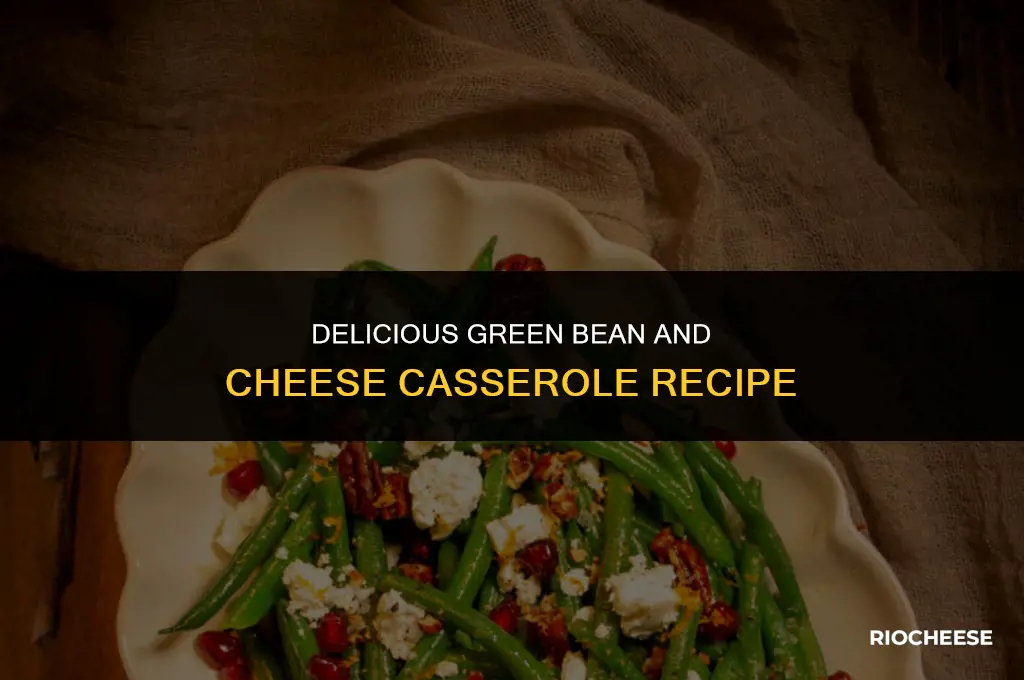
Green beans and cheese make a delightful combination that can be easily prepared in a variety of ways. Whether you're looking for a simple side dish or a more elaborate main course, this pairing offers a balance of crisp texture and rich flavor. In this guide, we'll explore different methods to cook green beans and incorporate cheese, ranging from classic stovetop techniques to innovative oven-baked recipes. You'll discover how to select the freshest green beans, the best types of cheese to use, and tips for achieving the perfect blend of flavors. Get ready to elevate your culinary skills and impress your taste buds with these delicious green bean and cheese creations!
Explore related products


What You'll Learn

Selecting Fresh Green Beans
To select the freshest green beans, look for vibrant green color and firm texture. Avoid beans with yellowing or browning, as these are signs of age and decreased nutritional value. Fresh green beans should snap cleanly when broken, indicating they are not overripe or woody. Choose beans that are free from blemishes, wrinkles, or soft spots, as these can affect both the taste and cooking time.
Consider the size and shape of the beans as well. Ideally, green beans should be slender and uniform in size, which ensures even cooking. Beans that are too thick or irregularly shaped may cook unevenly, leading to some pieces being overcooked while others remain undercooked. Additionally, avoid beans that are too long, as they may be more fibrous and less tender when cooked.
If possible, purchase green beans that are still attached to their stems, as this often indicates they were recently harvested. Detached beans can still be fresh, but they may have been sitting in the market for a longer period. When selecting detached beans, check the cut ends for any signs of drying or discoloration.
Store fresh green beans properly to maintain their quality. Keep them in a plastic bag in the refrigerator, ideally in the crisper drawer, which is designed to maintain high humidity. Green beans can last up to a week when stored correctly, but it's best to use them within a few days for optimal flavor and texture. Before cooking, rinse the beans thoroughly under cold water to remove any dirt or debris.
In summary, selecting fresh green beans involves examining their color, texture, size, and shape, as well as considering whether they are still attached to their stems. Proper storage is also crucial to maintaining their freshness. By following these guidelines, you can ensure that your green beans will be at their best when you're ready to cook them with cheese.
From Freezer to Feast: Mastering the Art of Frozen Macaroni Cheese
You may want to see also
Explore related products



Preparing the Green Beans
To prepare green beans for cooking, start by selecting fresh, firm pods that are free from blemishes or signs of wilting. The optimal length for green beans is about 4 to 6 inches, as they tend to cook more evenly and retain their texture better than longer or shorter beans. Once you've chosen your beans, rinse them thoroughly under cold running water to remove any dirt or debris.
Next, trim the ends of the green beans. This involves cutting off the stem end and the tip of the pod. Some people prefer to leave the tip intact for aesthetic reasons, but it's generally recommended to remove it as it can be tough and fibrous. After trimming, you can either leave the beans whole or cut them into smaller pieces, depending on your recipe and personal preference.
If you're planning to cook the green beans with cheese, it's a good idea to prepare the cheese in advance. Grate or slice the cheese of your choice – cheddar, mozzarella, and Parmesan are all popular options – and set it aside until you're ready to use it. This will save you time and effort when you're in the midst of cooking.
Before cooking, you may want to blanch the green beans to preserve their bright green color and crisp texture. To do this, bring a large pot of salted water to a boil, then add the beans and cook for about 2 to 3 minutes. After blanching, immediately transfer the beans to an ice bath to stop the cooking process and lock in their color and texture. Once the beans are cooled, drain them well and pat them dry with paper towels.
Now that your green beans are prepared, you can move on to cooking them using your preferred method – whether it's sautéing, roasting, or steaming. Remember to season the beans generously with salt, pepper, and any other herbs or spices you like. And don't forget to add the cheese at the appropriate time to create a delicious, gooey topping or filling.
Microwave Magic: Perfectly Cooking Frozen Cheese Tortellini
You may want to see also
Explore related products


Choosing the Right Cheese
The key to elevating your green bean dish lies in selecting the perfect cheese complement. While personal preference plays a significant role, understanding the flavor profiles and melting characteristics of different cheeses can guide your choice. For instance, a sharp cheddar can add a tangy contrast to the mild, earthy flavor of green beans, while a creamy mozzarella might overpower them. Consider the texture you desire; a cheese that melts well, like Gruyère or Fontina, can create a luscious, gooey topping, whereas a firmer cheese like Parmesan can add a salty, umami crunch.
When choosing cheese for your green bean dish, it's essential to consider the cooking method. If you're baking the green beans, a cheese with a high melting point, such as Gouda or Edam, will ensure that the topping doesn't burn before the beans are tender. On the other hand, if you're sautéing or steaming the green beans, a softer cheese like Brie or Camembert can be added at the end to gently melt over the warm beans without losing its delicate flavor.
Another factor to consider is the nutritional content of the cheese. If you're aiming for a healthier dish, opt for a lower-fat cheese like part-skim mozzarella or reduced-fat cheddar. However, keep in mind that these cheeses may not melt as smoothly or provide the same rich flavor as their full-fat counterparts. For a gourmet touch, you might experiment with artisanal cheeses like goat cheese or blue cheese, which can add unique flavors and textures to your green bean dish.
Ultimately, the right cheese for your green beans will depend on your personal taste, the cooking method, and the desired texture and flavor profile. Don't be afraid to mix and match different cheeses to find the perfect combination for your dish. Remember, the goal is to enhance the natural flavor of the green beans without overpowering them, so choose a cheese that complements rather than competes with the star ingredient.
Delicious Frozen Sausage Cheese Balls: A Simple Cooking Guide
You may want to see also
Explore related products


Combining Ingredients
To combine ingredients effectively for cooking green beans and cheese, start by preparing your workspace and tools. Ensure you have a clean cutting board, a sharp knife, a mixing bowl, and measuring cups and spoons. Begin by washing and trimming the green beans, then cut them into uniform pieces to ensure even cooking. Next, grate the cheese of your choice, such as cheddar or mozzarella, to incorporate it smoothly into the dish.
In a separate bowl, mix together any additional ingredients you plan to use, such as garlic, onions, or herbs. If you're using a recipe that calls for a sauce or seasoning blend, prepare that according to the instructions and set it aside. Once all your ingredients are prepped, you can begin the cooking process by sautéing the green beans in a pan with a bit of oil or butter until they're tender-crisp.
After the green beans are cooked to your desired level of doneness, add the grated cheese and any other prepared ingredients to the pan. Stir everything together until the cheese is melted and evenly distributed throughout the dish. If you're using a sauce or seasoning blend, add it now and continue to stir until all the flavors are well combined.
When combining ingredients, it's important to consider the cooking times and temperatures of each component. For example, if you're adding ingredients that cook quickly, like garlic or onions, you'll want to add them towards the end of the cooking process to avoid burning them. On the other hand, if you're using ingredients that take longer to cook, like potatoes or carrots, you'll want to add them earlier in the process to ensure they're cooked through.
Finally, taste the dish and adjust the seasoning as needed. You can add more salt, pepper, or herbs to enhance the flavor. Once you're satisfied with the taste, remove the dish from the heat and serve it immediately. Remember, the key to successfully combining ingredients is to be mindful of each component's cooking time and to adjust your technique accordingly to create a harmonious and delicious final product.
Delicious Frozen Fish & Cheese: A Simple Cooking Guide
You may want to see also
Explore related products


Cooking Techniques
Blanching is a crucial technique when preparing green beans for a dish with cheese. This process involves briefly boiling the green beans and then immediately transferring them to an ice bath to halt the cooking. Blanching helps to preserve the vibrant green color and crisp texture of the beans, which is essential for a visually appealing and texturally pleasing dish. To blanch green beans, bring a pot of salted water to a boil, add the trimmed beans, and cook for about 2-3 minutes until they are bright green and slightly tender. Then, drain the beans and plunge them into a bowl of ice water to stop the cooking process. After a few minutes, drain the beans again and pat them dry before proceeding with the recipe.
Another technique to consider is sautéing the green beans with garlic and olive oil. This method adds a rich, savory flavor to the beans that complements the creamy, salty taste of cheese. To sauté green beans, heat a skillet over medium-high heat and add a tablespoon of olive oil. Once the oil is hot, add minced garlic and cook for about 30 seconds until fragrant. Then, add the trimmed green beans and cook for about 5-7 minutes, stirring occasionally, until they are tender-crisp. Season the beans with salt and pepper to taste, and then remove from heat.
When combining green beans with cheese, it's important to consider the melting properties of the cheese. For a smooth, creamy texture, choose a cheese that melts well, such as cheddar, Gruyère, or mozzarella. To create a cheese sauce, start by making a roux with equal parts butter and flour, cooking it over medium heat until it turns a light golden color. Then, gradually whisk in milk, continuing to cook and stir until the sauce thickens. Add grated cheese to the sauce, stirring constantly until it melts and the sauce is smooth. Season with salt, pepper, and a pinch of nutmeg for added flavor.
For a more rustic, hearty dish, consider roasting the green beans with cheese. Toss the trimmed beans with olive oil, salt, and pepper, and then spread them out on a baking sheet. Roast in a preheated oven at 425°F (220°C) for about 15-20 minutes, or until the beans are tender and slightly caramelized. Then, sprinkle grated cheese over the beans and return to the oven for an additional 5-10 minutes, or until the cheese is melted and bubbly. This technique brings out the natural sweetness of the green beans and creates a deliciously crispy, cheesy topping.
Finally, when plating a dish of green beans and cheese, consider the presentation. Arrange the beans in a visually appealing manner, such as in a neat pile or a circular pattern. Top with the melted cheese sauce or grated cheese, and garnish with fresh herbs, such as parsley or chives, for added color and flavor. By paying attention to the presentation, you can elevate a simple dish of green beans and cheese into an elegant and appetizing meal.
Deliciously Crispy: The Ultimate Guide to Cooking Frozen Cheese Curds
You may want to see also
Frequently asked questions
The main ingredients needed are fresh green beans, cheese (typically grated or sliced), butter or oil for sautéing, and seasonings such as salt, pepper, and garlic powder.
To prepare the green beans, wash them thoroughly and trim the ends. You can leave them whole or cut them into smaller pieces, depending on your preference. Blanching the green beans in boiling water for a few minutes can help retain their bright green color and crisp texture.
One popular method is to sauté the green beans in butter or oil until they are tender-crisp. Then, add the cheese and continue cooking until the cheese is melted and evenly distributed over the green beans. Season with salt, pepper, and any additional seasonings you prefer. Serve hot as a delicious side dish.