 Patrick Oconnell
Indulge in the ultimate comfort food with a gourmet twist: macaroni and cheese. This classic dish gets an elevated makeover with rich, velvety cheese sauces, perfectly cooked pasta, and a variety of luxurious toppings. From truffle oil drizzles to crispy bacon bits, learn how to transform this simple staple into a decadent masterpiece. Discover the secrets to achieving the perfect cheese blend, the ideal pasta texture, and creative ways to customize your mac and cheese to suit your taste buds. Get ready to dive into a world of creamy, cheesy goodness that will leave you craving more.
| Characteristics | Values |
|---|---|
| Dish Name | Gourmet Macaroni and Cheese |
| Main Ingredients | Elbow macaroni, heavy cream, butter, flour, cheddar cheese, Gruyère cheese, Parmesan cheese, salt, black pepper, nutmeg |
| Cooking Method | Boiling pasta, making a roux, adding cream and cheese, seasoning, baking |
| Texture | Creamy, cheesy, slightly crunchy top |
| Flavor Profile | Rich, savory, umami, slightly spicy from black pepper, aromatic from nutmeg |
| Serving Size | 4-6 people |
| Preparation Time | 45 minutes |
| Baking Time | 20-25 minutes |
| Temperature | 375°F (190°C) for baking |
| Difficulty Level | Intermediate |
| Special Equipment | Large pot, colander, whisk, saucepan, baking dish, aluminum foil |
| Variations | Adding bacon bits, jalapeños, or breadcrumbs for extra texture and flavor |
| Nutritional Information | High in calories, fat, and carbohydrates, good source of protein and calcium |
| Cultural Origin | American comfort food with European cheese influences |
| Popularity | Very popular in the United States, often served in restaurants and at home |
| Pairing Suggestions | Pairs well with a side salad, garlic bread, or a light soup |
Explore related products


What You'll Learn
- Ingredients: High-quality cheeses, pasta types, cream, butter, flour, spices, and optional add-ins like bacon or lobster
- Cheese Selection: Combining different cheeses for depth of flavor, such as cheddar, Gruyère, and Parmesan
- Pasta Preparation: Cooking pasta al dente, draining, and tossing with oil to prevent sticking
- Sauce Making: Creating a roux, adding cream and cheese, and seasoning the sauce to perfection
- Baking and Serving: Transferring the mixture to a baking dish, topping with breadcrumbs, and baking until golden and bubbly

Ingredients: High-quality cheeses, pasta types, cream, butter, flour, spices, and optional add-ins like bacon or lobster
Selecting the right ingredients is crucial for elevating your macaroni and cheese from ordinary to gourmet. Start with high-quality cheeses that offer a rich, complex flavor profile. A blend of sharp cheddar, creamy Gruyère, and tangy Parmesan is a classic choice, but feel free to experiment with other varieties like Gouda, Fontina, or even blue cheese for a unique twist.
When it comes to pasta, choose a type that will hold up well to the creamy sauce and provide a satisfying texture. Elbow macaroni is a traditional option, but you can also try using penne, rigatoni, or even spiral pasta for a fun twist. Cook the pasta al dente according to the package instructions, then drain and set aside.
The sauce is the heart of any macaroni and cheese dish, and using high-quality cream and butter will make a significant difference in the final result. Start by melting butter in a saucepan over medium heat, then whisk in flour to create a roux. Gradually add the cream, whisking constantly to prevent lumps from forming. Once the sauce has thickened, it's time to add the cheese. Grate the cheese finely and add it to the sauce in batches, stirring until each batch is fully melted before adding the next.
Don't forget to season your sauce with a blend of spices to enhance the flavor. A pinch of salt, pepper, and nutmeg are essential, but you can also try adding paprika, cayenne pepper, or even a hint of garlic powder for extra depth. If you're feeling adventurous, consider adding some optional add-ins like crispy bacon bits, succulent lobster pieces, or even sautéed mushrooms or spinach for a gourmet touch.
Once your sauce is smooth and creamy, it's time to combine it with the cooked pasta. Stir gently to ensure the pasta is evenly coated, then transfer the mixture to a baking dish. If you're adding any optional toppings, sprinkle them over the top now. Finally, bake your macaroni and cheese in a preheated oven at 350°F (175°C) for 20-25 minutes, or until the top is golden brown and bubbly. Serve hot and enjoy your gourmet macaroni and cheese masterpiece.
Delicious Frozen Cheese Manicotti: A Simple Cooking Guide
You may want to see also
Explore related products




Cheese Selection: Combining different cheeses for depth of flavor, such as cheddar, Gruyère, and Parmesan
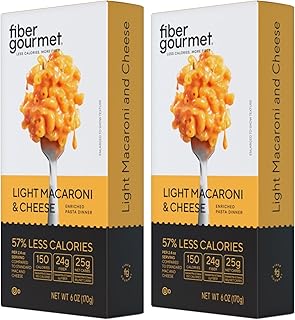
The art of selecting and combining cheeses for gourmet macaroni and cheese is a delicate balance of flavors, textures, and melting properties. A masterful blend can elevate the dish from a simple comfort food to a sophisticated culinary experience. When crafting your cheese selection, consider the distinct characteristics each type brings to the table.
Cheddar, with its sharp, tangy flavor, serves as an excellent base for the sauce. Its rich color and smooth melting qualities make it a crowd-pleaser. Gruyère, a Swiss cheese known for its nutty, slightly sweet taste, complements the cheddar beautifully. Its creamy texture and superior melting abilities add a luxurious mouthfeel to the dish. Parmesan, with its bold, salty flavor and granular texture, provides a savory depth that ties the other cheeses together.
To achieve the perfect blend, start by grating the cheeses separately to ensure even distribution throughout the sauce. A general rule of thumb is to use a 2:1:1 ratio of cheddar to Gruyère to Parmesan. However, feel free to experiment with different proportions to suit your taste preferences. When combining the cheeses, gently fold them into the sauce, allowing each type to melt and meld together before adding the next.
Remember, the key to a successful cheese blend is to balance the flavors without overpowering the dish. By carefully selecting and combining these three cheeses, you'll create a gourmet macaroni and cheese that's sure to impress even the most discerning palates.
Savor the Flavor: Frozen Sausage, Egg, and Cheese Croissant Delight
You may want to see also
Explore related products


Pasta Preparation: Cooking pasta al dente, draining, and tossing with oil to prevent sticking
To achieve the perfect al dente pasta for gourmet macaroni and cheese, it's crucial to master the cooking technique. Begin by bringing a large pot of salted water to a rolling boil. The ideal ratio of water to pasta is 4:1, ensuring the pasta cooks evenly without clumping. Once the water is boiling, add the pasta and stir gently to prevent sticking. For most types of pasta, aim for a cooking time of 8-10 minutes, but always check the package instructions for the specific variety you're using.
One common mistake is overcooking the pasta, which can lead to a mushy texture that doesn't hold up well in the final dish. To avoid this, test the pasta for doneness by biting into a piece; it should be firm but not crunchy. If you're unsure, err on the side of undercooking, as the pasta will continue to cook slightly after draining.
When the pasta is cooked to perfection, drain it in a colander lined with a clean kitchen towel to absorb excess moisture. This step is essential for preventing the pasta from becoming soggy when mixed with the cheese sauce. After draining, toss the pasta with a small amount of olive oil or melted butter to coat each piece lightly. This not only prevents sticking but also adds a subtle flavor that complements the richness of the cheese sauce.
For an extra touch of gourmet flair, consider adding a pinch of freshly grated Parmesan cheese or a sprinkle of chopped parsley to the pasta before tossing it with the oil. This will infuse the pasta with additional flavor and aroma, elevating the overall taste of your macaroni and cheese.
In summary, the key to preparing pasta for gourmet macaroni and cheese lies in cooking it al dente, draining it thoroughly, and tossing it with oil to prevent sticking. By following these steps and adding a few extra touches, you'll create a delicious foundation for your macaroni and cheese masterpiece.
Delicious Oven-Baked Frozen Cheese Ravioli: A Simple Recipe
You may want to see also
Explore related products


Sauce Making: Creating a roux, adding cream and cheese, and seasoning the sauce to perfection
To create a roux for gourmet macaroni and cheese, begin by melting 4 tablespoons of unsalted butter in a medium saucepan over medium heat. Once melted, whisk in 1/4 cup of all-purpose flour and cook, stirring constantly, for about 1 minute until the mixture forms a smooth paste. Gradually add 2 cups of whole milk, whisking continuously to prevent lumps. Bring the mixture to a simmer and cook for 3-4 minutes, stirring occasionally, until it thickens to a creamy consistency.
Next, add 2 cups of shredded sharp cheddar cheese and 1 cup of shredded Gruyère cheese to the roux. Stir gently until the cheese is fully melted and incorporated into the sauce. For an extra rich flavor, you can also add 1/2 cup of heavy cream at this stage. Once the cheese sauce is smooth and velvety, season it with salt, black pepper, and a pinch of nutmeg to taste.
To ensure the sauce is perfectly seasoned, start with a small amount of salt and pepper, then taste and adjust as needed. Remember that the cheese will also contribute to the saltiness of the sauce. If the sauce is too thick, you can thin it out with a little more milk or cream. Conversely, if it's too thin, you can simmer it for a few more minutes to reduce and thicken.
For a gourmet touch, consider adding a splash of truffle oil or a sprinkle of smoked paprika to the sauce. You can also experiment with different types of cheese, such as blue cheese or fontina, to create unique flavor profiles. Once the sauce is seasoned to perfection, it's ready to be combined with cooked macaroni and baked in the oven for a deliciously creamy and cheesy gourmet macaroni and cheese.
Delicious Frozen Giovanni Rana Lobster & Cheese: A Simple Recipe
You may want to see also
Explore related products



Baking and Serving: Transferring the mixture to a baking dish, topping with breadcrumbs, and baking until golden and bubbly
Once the macaroni and cheese mixture is prepared, it's time to transfer it to a baking dish. Choose a dish that is large enough to hold the mixture comfortably, allowing for even baking. A glass or ceramic baking dish is ideal, as it conducts heat well and allows you to monitor the browning of the top layer.
Before transferring the mixture, lightly grease the baking dish with butter or cooking spray to prevent sticking. Then, carefully pour the macaroni and cheese mixture into the dish, spreading it out evenly with a spatula. Be sure to scrape the sides of the pot to get every last bit of the creamy mixture.
Now, it's time to add the finishing touch: breadcrumbs. Crush some breadcrumbs (preferably panko for extra crunch) and sprinkle them evenly over the top of the macaroni and cheese. You can also mix in some grated Parmesan cheese and a drizzle of olive oil for added flavor and texture.
Place the baking dish in a preheated oven (around 375°F or 190°C) and bake for 20-25 minutes, or until the top is golden brown and bubbly. Keep an eye on it to avoid over-browning, as this can lead to a burnt flavor. Once it's done, remove the dish from the oven and let it cool for a few minutes before serving.
To serve, use a spatula or serving spoon to portion out the macaroni and cheese. The top layer should be crispy and golden, while the inside remains creamy and cheesy. This baked macaroni and cheese is perfect as a side dish or even as a main course, and it's sure to impress your guests with its gourmet presentation and flavor.
Mastering Goldbelly Macaroni and Cheese: A Gourmet Comfort Classic
You may want to see also
Frequently asked questions
For a gourmet macaroni and cheese, a blend of cheeses is often recommended. A combination of sharp cheddar for its rich flavor, Gruyère for its creamy texture, and Parmesan for a nutty, salty kick works beautifully. You can also experiment with other cheeses like Gouda, Fontina, or blue cheese to add unique flavors.
To achieve a creamy sauce, start by making a roux with equal parts butter and flour, cooking it until it's golden brown. Gradually whisk in milk, and continue cooking until the sauce thickens. Add your cheese blend and stir until it's fully melted and incorporated. For an extra creamy texture, you can also add a splash of heavy cream or use a mixture of milk and cream.
To elevate your macaroni and cheese, consider adding ingredients like crispy bacon bits, sautéed mushrooms, caramelized onions, or roasted tomatoes. You can also incorporate different herbs and spices, such as smoked paprika, cayenne pepper, or fresh thyme. For a crunchy texture, top your macaroni and cheese with breadcrumbs or crushed crackers before baking.
Cook your pasta in a large pot of salted boiling water until it's al dente, which means it should be tender but still have a slight bite. Drain the pasta well and return it to the pot. Toss the pasta with a little bit of oil or butter to prevent it from sticking together. Then, add the cooked pasta to your cheese sauce and stir until it's fully coated.


