 Patrick Oconnell
Gouda cheese, a popular Dutch cheese known for its rich, buttery flavor and smooth texture, is a versatile ingredient that can be used in a variety of dishes. Whether you're looking to create a delicious grilled cheese sandwich, add a savory touch to your salad, or simply enjoy it on its own, cooking with Gouda cheese can elevate your culinary creations. In this guide, we'll explore different methods of cooking with Gouda cheese, from melting it to perfection to incorporating it into baked goods and savory dishes. Discover the secrets to unlocking the full potential of this delectable cheese and take your cooking skills to the next level.
Explore related products


What You'll Learn

Selecting the right Gouda cheese
Gouda cheese, with its rich history and diverse varieties, can be a delightful addition to many dishes. However, selecting the right type of Gouda for your culinary needs requires a bit of knowledge about its characteristics and uses.
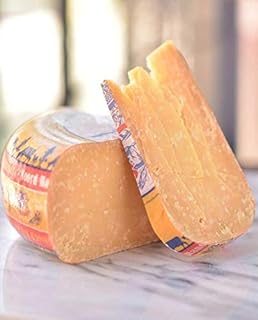
First, consider the age of the Gouda. Younger Goudas, typically aged for 4 to 6 months, have a milder flavor and a softer texture. They are excellent for snacking or adding to sandwiches. As Gouda ages, its flavor becomes more pronounced and its texture firmer. Aged Goudas, which can be over 2 years old, are often used for grating over pasta dishes or soups due to their strong, nutty flavor.
Next, think about the fat content. Gouda comes in various fat percentages, ranging from low-fat to full-fat. Lower-fat Goudas tend to have a milder taste and are less creamy, while full-fat Goudas are richer and more flavorful. The fat content also affects the melting properties of the cheese, with higher-fat Goudas melting more smoothly.
When selecting Gouda for cooking, it's also important to consider the specific dish you're preparing. For example, if you're making a cheese sauce, a younger, milder Gouda might be preferable to avoid overpowering the other flavors in the dish. On the other hand, if you're looking to add a bold, cheesy flavor to a casserole or baked dish, an aged, full-fat Gouda would be a better choice.
Finally, don't forget to consider the rind. Some Goudas have a natural rind, which can add a unique flavor and texture to the cheese. Others have a wax or plastic rind, which is typically removed before eating or cooking. The type of rind can affect the melting properties and overall taste of the cheese, so be sure to choose a Gouda with the rind that best suits your needs.
By taking these factors into account, you can select the perfect Gouda cheese for your next culinary creation, ensuring a delicious and satisfying result.
Mastering the Art of Goat Cheese Brie: A Culinary Journey
You may want to see also
Explore related products


Preparing the cooking environment
To prepare the cooking environment for making gouda cheese, it's essential to ensure a clean and sanitized workspace. This involves thoroughly washing all equipment, including pots, utensils, and cheese molds, with hot water and a mild detergent. After cleaning, all surfaces should be sanitized using a solution of water and bleach or a commercial sanitizer. This step is crucial to prevent contamination and ensure the quality and safety of the cheese.
Once the workspace is clean and sanitized, it's important to organize the area efficiently. This includes laying out all necessary ingredients and equipment within easy reach. The ingredients should be measured and prepared in advance, and the equipment should be arranged in a logical order to facilitate the cheese-making process. This organization will help streamline the process and reduce the risk of errors or contamination.
Temperature control is another critical aspect of preparing the cooking environment for making gouda cheese. The ideal temperature for cheese-making is between 68°F and 72°F (20°C and 22°C). It's important to maintain a consistent temperature throughout the process, as fluctuations can affect the quality of the cheese. Using a thermometer to monitor the temperature and adjusting the environment as needed can help ensure optimal conditions for cheese-making.
In addition to temperature control, humidity is also an important factor to consider. Gouda cheese requires a high humidity environment to develop its characteristic rind and flavor. A humidity level of around 80% is ideal. This can be achieved by using a humidifier or by placing a tray of water in the workspace. Monitoring the humidity level with a hygrometer and adjusting as needed will help create the perfect environment for aging the cheese.
Finally, it's important to minimize distractions and interruptions during the cheese-making process. This includes turning off phones and other electronic devices, and ensuring that the workspace is free from clutter and unnecessary items. A calm and focused environment will help ensure that the cheese-making process is carried out smoothly and efficiently.
By following these steps to prepare the cooking environment, cheese-makers can create the ideal conditions for making high-quality gouda cheese. A clean, organized, and controlled workspace will help prevent contamination, ensure consistency, and ultimately result in a delicious and well-crafted cheese.
Revamping Comfort Food: Frozen Veggies in Creamy Mac and Cheese
You may want to see also
Explore related products


Slicing and portioning the cheese
To slice and portion Gouda cheese effectively, it's essential to start with a sharp knife and a stable cutting board. The cheese should be at room temperature to ensure clean cuts without crumbling. Begin by trimming the rind, if desired, then slice the cheese into even wedges or blocks depending on your preference. For a more rustic presentation, you can also shave thin slices using a cheese plane or mandoline.
When portioning Gouda for a recipe, consider the melting properties of the cheese. Younger Goudas melt more smoothly and are ideal for sauces and soups, while aged Goudas hold their shape better and are perfect for sandwiches or cheese boards. For optimal flavor, pair the cheese with complementary ingredients such as fresh fruit, nuts, or a drizzle of honey.
To prevent the cheese from drying out after slicing, store it in an airtight container in the refrigerator. If you need to freeze the cheese, wrap it tightly in plastic wrap followed by a layer of aluminum foil to protect it from freezer burn. When ready to use, allow the cheese to thaw in the refrigerator overnight for best results.
In terms of portion sizes, a general rule of thumb is to allow about 1-2 ounces of cheese per person for a cheese board or appetizer. For recipes that require melted cheese, such as casseroles or grilled cheese sandwiches, use about 1/4 to 1/2 cup of shredded or thinly sliced Gouda per serving.
Remember that the key to enjoying Gouda cheese is to savor its rich, buttery flavor and smooth texture. By following these guidelines for slicing and portioning, you can ensure that each bite is as delicious as the last.
Mastering the Art of GF Macaroni and Cheese: A Delicious Guide
You may want to see also
Explore related products


Cooking techniques for Gouda
Gouda cheese, with its rich, buttery flavor and smooth texture, is a versatile ingredient that can be used in a variety of dishes. However, cooking with Gouda requires some specific techniques to ensure that its unique qualities are preserved and enhanced. One of the most important considerations when cooking with Gouda is temperature control. Unlike some other cheeses that can withstand high heat without losing their structure, Gouda is best cooked at lower temperatures to prevent it from becoming too greasy or losing its shape.
A popular method for cooking with Gouda is to use it in a cheese sauce. To make a simple Gouda cheese sauce, start by melting a small amount of butter in a saucepan over medium heat. Once the butter has melted, whisk in an equal amount of flour to create a roux. Cook the roux for a few minutes until it has a slightly golden color. Gradually add milk to the saucepan, whisking constantly to prevent lumps from forming. Continue cooking and stirring until the sauce has thickened. Finally, reduce the heat to low and stir in grated Gouda cheese until it has fully melted and the sauce is smooth.
Another technique for cooking with Gouda is to use it as a topping for dishes such as casseroles or gratins. In this case, it's important to grate the Gouda finely so that it melts evenly and quickly. You can also mix the grated Gouda with breadcrumbs and a little melted butter to create a crispy topping that adds texture as well as flavor to your dish.
When using Gouda in baked dishes, it's important to remember that it has a relatively low melting point. This means that it's best to add the Gouda towards the end of the baking process to prevent it from burning or becoming too greasy. You can also use a combination of Gouda and other cheeses with higher melting points, such as cheddar or Gruyère, to create a more complex flavor profile and better texture.
In conclusion, cooking with Gouda cheese requires careful attention to temperature and technique to ensure that its unique qualities are preserved. Whether you're making a cheese sauce, using it as a topping, or incorporating it into a baked dish, Gouda can add a rich, buttery flavor that elevates your culinary creations.
Delicious Frozen Cheese Tteokbokki: A Simple Cooking Guide
You may want to see also
Explore related products



Serving suggestions and pairings
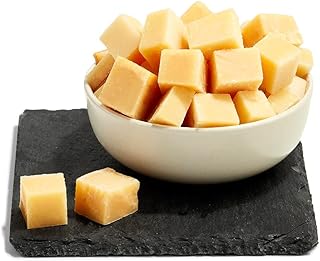
Gouda cheese, with its rich and creamy flavor profile, offers a versatile range of serving suggestions and pairings that can elevate any meal. One classic pairing is with fresh fruits, such as apples or pears, which complement the cheese's smooth texture and mild taste. For a more sophisticated option, consider pairing Gouda with a sweet and tangy chutney or jam, like fig or apricot, to add a layer of complexity to the flavor.
When it comes to beverages, a crisp white wine like Chardonnay or Sauvignon Blanc pairs beautifully with Gouda, enhancing its buttery notes. For beer enthusiasts, a light lager or pilsner can also be an excellent choice, as these beers have a refreshing quality that balances the cheese's richness. If you're looking for a non-alcoholic option, a sparkling water with a squeeze of lemon or lime can cleanse the palate between bites.
In terms of serving suggestions, Gouda can be a star ingredient in a cheese platter, especially when accompanied by a variety of crackers, nuts, and olives. You can also use it to make a decadent grilled cheese sandwich, paired with a side of tomato soup for a comforting meal. Another creative idea is to incorporate Gouda into a pasta dish, such as a creamy macaroni and cheese or a cheese-stuffed pasta shell bake.
For a unique twist, try serving Gouda with a drizzle of honey or maple syrup, which adds a touch of sweetness that contrasts nicely with the savory cheese. You can also experiment with different herbs and spices, like rosemary, thyme, or paprika, to infuse the cheese with additional flavors. Whether you're hosting a dinner party or simply looking for new ways to enjoy Gouda, these serving suggestions and pairings are sure to impress.
Delicious Frozen Chicken and Cheese Crispitos: A Simple Recipe
You may want to see also
Frequently asked questions
For a grilled cheese sandwich, start by preheating your pan or griddle over medium heat. Butter one side of each slice of bread, then place one slice, buttered side down, on the pan. Layer sliced gouda cheese on top, followed by the second slice of bread, buttered side up. Cook until the bread is golden brown and the cheese is melted, about 2-3 minutes per side.
To add gouda cheese to a pasta dish, first cook your pasta according to package instructions. While the pasta is cooking, melt some butter in a saucepan over medium heat. Add flour to create a roux, then gradually whisk in milk until the mixture thickens. Reduce heat to low and stir in grated gouda cheese until melted and smooth. Combine the cheese sauce with the cooked pasta and serve immediately.
When baking a dish with gouda cheese on top, preheat your oven to 375°F (190°C). Place the dish in the oven and bake until the cheese is melted and slightly browned, which usually takes about 10-15 minutes. Keep an eye on it to prevent burning.
Yes, gouda cheese can be used in a fondue. To make a gouda cheese fondue, start by rubbing a garlic clove around the inside of a fondue pot. Add a splash of white wine and bring it to a simmer over medium heat. Gradually add grated gouda cheese, stirring constantly until melted and smooth. If the mixture is too thick, add a little more wine. Once the fondue is ready, transfer it to a fondue burner and serve with bread, vegetables, or meats for dipping.
To make a gouda cheese sauce for vegetables, melt some butter in a saucepan over medium heat. Add flour to create a roux, then gradually whisk in milk until the mixture thickens. Reduce heat to low and stir in grated gouda cheese until melted and smooth. Season with salt, pepper, and any other desired spices. Serve the sauce over steamed or roasted vegetables for a delicious and creamy side dish.


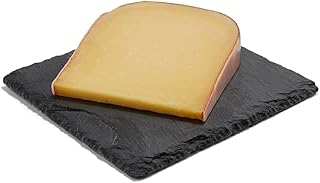
![Gouda Cheese is an award winning and beloved cheese. Imported from the Netherlands this young cheese carries over the rooted traditions of Dutch cheesemaking. Made with whole milk, it has a rich, buttery and slightly sweet flavor. It slices, shreds, and melts very well. It is excellent on a cheeseboard, in a casserole, as a topping or used in sauces and soups. [ 16 oz , 1 lb ]](https://m.media-amazon.com/images/I/51LRAJrwo+L._AC_UL320_.jpg)



![Edam Ball , Made the traditional way and has been enjoyed by generations. Made with part skim milk, it is more firm than gouda with a rich, buttery flavor and a smooth, creamy texture. Versatile, it can be sliced for sandwiches, shred for baking dishes, or cubed for salads. [ 30 oz , 1.8 lb ]](https://m.media-amazon.com/images/I/51HmT+t9haL._AC_UL320_.jpg)

