Randy Chandler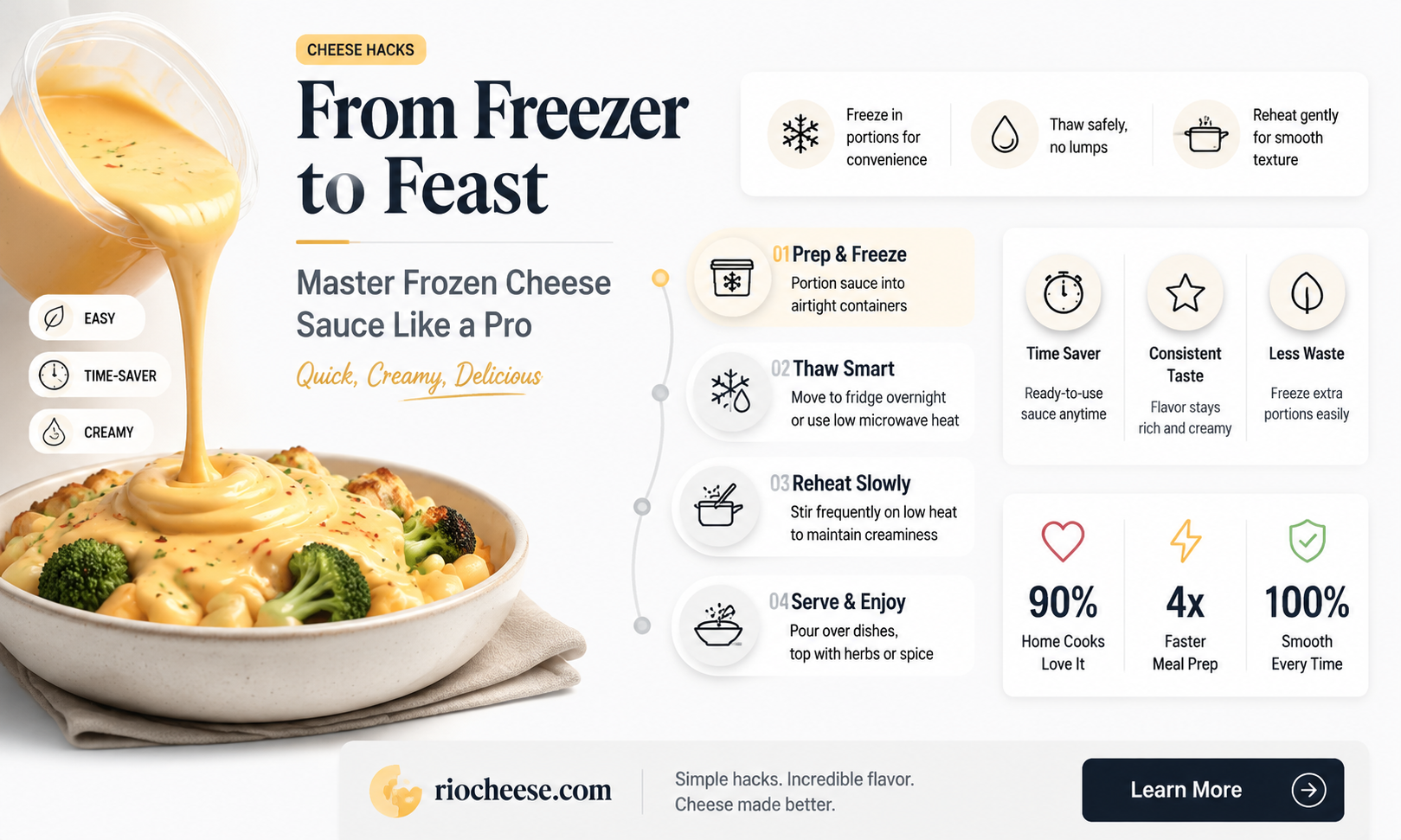
Cooking frozen cheese sauce can be a quick and easy way to add a creamy, cheesy flavor to your dishes. Whether you're looking to enhance your pasta, vegetables, or even your baked potatoes, frozen cheese sauce is a versatile ingredient that can be easily prepared. In this guide, we'll walk you through the simple steps to cook frozen cheese sauce, ensuring you achieve the perfect consistency and flavor every time. From thawing to heating, we'll cover all the essential tips and tricks to make your cooking experience a breeze. So, let's get started and discover how to transform your meals with the rich, velvety goodness of homemade cheese sauce!
Explore related products


What You'll Learn

Thawing frozen cheese sauce
For a quicker thawing method, place the frozen cheese sauce in a sealed plastic bag and submerge it in cold water. Change the water every 30 minutes to ensure consistent thawing. Avoid using hot water, as this can cause the cheese to melt unevenly and potentially curdle.
Once the cheese sauce has thawed, it's essential to reheat it properly to achieve the desired consistency. In a saucepan, gently heat the thawed cheese sauce over low to medium heat, stirring frequently to prevent lumps from forming. Adding a small amount of milk or cream can help thin out the sauce if it becomes too thick during the reheating process.
When reheating, be cautious not to overheat the cheese sauce, as this can cause it to separate or develop an unpleasant texture. The ideal temperature for serving cheese sauce is between 140°F and 160°F (60°C and 71°C), which ensures it remains smooth and creamy.
To enhance the flavor of the thawed cheese sauce, consider adding a pinch of salt, a dash of pepper, or a sprinkle of grated Parmesan cheese. These simple additions can elevate the taste and make the sauce more enjoyable.
In summary, thawing frozen cheese sauce involves a gradual process in the refrigerator or a quicker method using cold water. Proper reheating techniques and flavor enhancements can further improve the quality of the thawed cheese sauce, resulting in a delicious and satisfying dish.
Delicious Frozen Cheese Crepes: A Simple Cooking Guide
You may want to see also
Explore related products



Heating methods for cheese sauce
To heat cheese sauce effectively, it's crucial to understand the different methods available and their specific applications. One common approach is using a double boiler, which involves placing the frozen cheese sauce in a heatproof bowl over a pot of simmering water. This method ensures gentle and even heating, reducing the risk of scorching or separating the sauce. Another option is to use a microwave, but this requires careful monitoring to prevent overheating and splattering. It's advisable to microwave the sauce in short intervals, stirring frequently to achieve a smooth consistency.
When using a stovetop, it's essential to choose the right pan and heat setting. A non-stick saucepan or a heavy-bottomed pot can help distribute heat evenly and prevent sticking. Start with a medium-low heat and gradually increase it as the sauce thaws and begins to heat through. Constant stirring is key to achieving a uniform temperature and preventing the sauce from burning. For a more rustic texture, some chefs recommend using a cast-iron skillet, which can add a subtle smokiness to the sauce.
For those with an immersion blender, this tool can be a game-changer for heating and blending cheese sauce directly in the pot. Simply place the frozen sauce in a pot and use the immersion blender to puree it while gradually increasing the heat. This method not only heats the sauce but also ensures a silky-smooth texture. However, it's important to note that immersion blenders can create splashes, so it's advisable to use a splatter guard or blend the sauce in a deep pot to minimize mess.
In terms of timing, the heating process for frozen cheese sauce typically takes around 10-15 minutes, depending on the method used and the quantity of sauce. It's crucial to monitor the sauce closely during heating to prevent overcooking, which can lead to a grainy or separated texture. Once the sauce is heated through, it's best to serve it immediately or keep it warm in a double boiler or a heatproof bowl set over hot water.
In conclusion, the key to successfully heating frozen cheese sauce lies in choosing the right method for the equipment available and the desired texture. Whether using a double boiler, microwave, stovetop, or immersion blender, careful monitoring and gentle heating are essential to achieving a smooth, creamy sauce that's perfect for a variety of dishes.
Delicious Oven-Baked Frozen Cheese Ravioli: A Simple Recipe
You may want to see also
Explore related products


$13.45 $18.99


Stirring techniques to avoid lumps
To achieve a smooth and lump-free cheese sauce from frozen ingredients, it's crucial to employ specific stirring techniques. Begin by thawing the frozen cheese sauce in the refrigerator overnight or by gently heating it in a microwave-safe container, stirring every 30 seconds to ensure even thawing. Once the cheese sauce is thawed, transfer it to a saucepan over low to medium heat.
Use a whisk or a silicone spatula to stir the cheese sauce continuously, focusing on breaking up any solid chunks. It's essential to maintain a steady, gentle heat to prevent the cheese from burning or sticking to the bottom of the pan. Stir in a figure-eight motion, ensuring that you scrape the bottom and sides of the pan thoroughly. This technique helps to distribute heat evenly and prevents the formation of lumps.
If lumps do form, don't panic. Remove the pan from the heat and use an immersion blender to puree the cheese sauce until smooth. Alternatively, you can transfer the sauce to a blender and blend until the desired consistency is achieved. Be cautious when blending hot liquids, as they can cause splatters and burns.
To further prevent lumps, consider adding a thickening agent like cornstarch or flour to the cheese sauce. Mix the thickener with a small amount of cold water or milk to create a slurry, then gradually whisk it into the sauce. Cook the sauce for an additional 1-2 minutes, stirring constantly, until the thickener has dissolved and the sauce has reached the desired consistency.
Remember, patience is key when cooking frozen cheese sauce. Rushing the process can lead to uneven heating and lump formation. By following these stirring techniques and taking your time, you'll be able to create a smooth, creamy cheese sauce that's perfect for your culinary creations.
Delicious Frozen Cheese Rolls: A Simple Cooking Guide
You may want to see also
Explore related products


Seasoning and customizing cheese sauce
To elevate your frozen cheese sauce, start by understanding the base flavors. Most frozen cheese sauces have a mild, creamy taste that can be enhanced with various seasonings. Consider adding a pinch of cayenne pepper for a subtle kick or a dash of paprika for a smoky undertone. For a more complex flavor profile, mix in some dried herbs like thyme or oregano.
When customizing your cheese sauce, think about the dish you're pairing it with. If you're using it as a dip for vegetables, you might want to add a tangy element like a squeeze of lemon juice or a splash of Worcestershire sauce. For pasta dishes, consider incorporating some grated Parmesan or a sprinkle of Italian seasoning to complement the sauce's richness.
Don't be afraid to experiment with different types of cheese. While the frozen sauce provides a convenient base, you can enhance its flavor by stirring in some shredded cheddar, mozzarella, or even blue cheese. This will not only add depth to the sauce but also create a more luxurious texture.
Remember, the key to successful seasoning is to taste as you go. Start with small amounts of each ingredient and adjust to your liking. It's also important to note that some frozen cheese sauces may have specific heating instructions, so be sure to follow those carefully to achieve the best results.
Finally, consider the presentation of your cheese sauce. A sprinkle of chopped parsley or a drizzle of olive oil can add a touch of elegance, making your dish look as good as it tastes. With these tips, you'll be able to transform a simple frozen cheese sauce into a gourmet accompaniment for any meal.
From Freezer to Feast: Mastering the Art of Frozen Cheese Pizza
You may want to see also
Explore related products


Serving suggestions for cheese sauce dishes
To elevate your cheese sauce dishes, consider pairing them with a variety of complementary sides and mains. For a classic comfort food combo, serve your cheese sauce over steamed broccoli or cauliflower, which not only adds a nutritional boost but also provides a delightful textural contrast. Alternatively, drizzle the sauce over a baked potato for a hearty and satisfying meal.
For a more gourmet experience, try pairing your cheese sauce with grilled or roasted meats. The rich, creamy sauce pairs beautifully with the smoky flavors of grilled chicken or the savory notes of roasted beef. You can also experiment with different types of pasta, such as penne or fusilli, to create a decadent macaroni and cheese dish.
When it comes to serving, presentation is key. Consider garnishing your cheese sauce dishes with fresh herbs, such as parsley or chives, to add a pop of color and freshness. You can also sprinkle some grated Parmesan or cheddar cheese on top for an extra layer of flavor and texture.
To take your cheese sauce to the next level, try incorporating different flavor profiles. For a spicy kick, add some red pepper flakes or hot sauce to the mix. If you prefer a milder flavor, consider adding some garlic powder or onion powder for depth. You can also experiment with different types of cheese, such as Gruyère or fontina, to create a unique and personalized sauce.
Remember, the key to a great cheese sauce dish is balance. Whether you're serving it as a side or a main, make sure to pair it with ingredients that complement its rich and creamy texture. With these serving suggestions, you'll be able to create a variety of delicious and satisfying meals that are sure to impress.
Delicious Frozen Cheese Manicotti: A Simple Cooking Guide
You may want to see also
Frequently asked questions
The safest way to thaw frozen cheese sauce is to place it in the refrigerator overnight. This method ensures that the sauce thaws slowly and evenly, preventing any potential bacterial growth. Alternatively, you can thaw it in the microwave on a low power setting, stirring occasionally to ensure even thawing.
Yes, you can cook frozen cheese sauce directly without thawing it first. However, it's important to cook it on a low to medium heat to ensure that it melts and heats through evenly without burning. Stirring frequently will help achieve a smooth consistency.
The cooking time for frozen cheese sauce varies depending on the quantity and the heat level. Generally, it takes about 5-10 minutes for a small to medium amount of sauce to cook through on a low to medium heat. Be sure to stir frequently to prevent sticking and burning.
Frozen cheese sauce can be used in a variety of recipes. Some popular uses include:
- As a topping for baked potatoes or fries
- Mixed into pasta dishes for a creamy cheese sauce
- Poured over vegetables or meats for added flavor
- Used as a dip for breadsticks or crackers
- Incorporated into casseroles or gratins for a cheesy layer
Yes, you can refreeze cooked cheese sauce. Allow it to cool completely before transferring it to an airtight container or freezer bag. Label and date the container, and store it in the freezer for up to 3 months. When you're ready to use it again, simply thaw and reheat as desired.