 Randy Chandler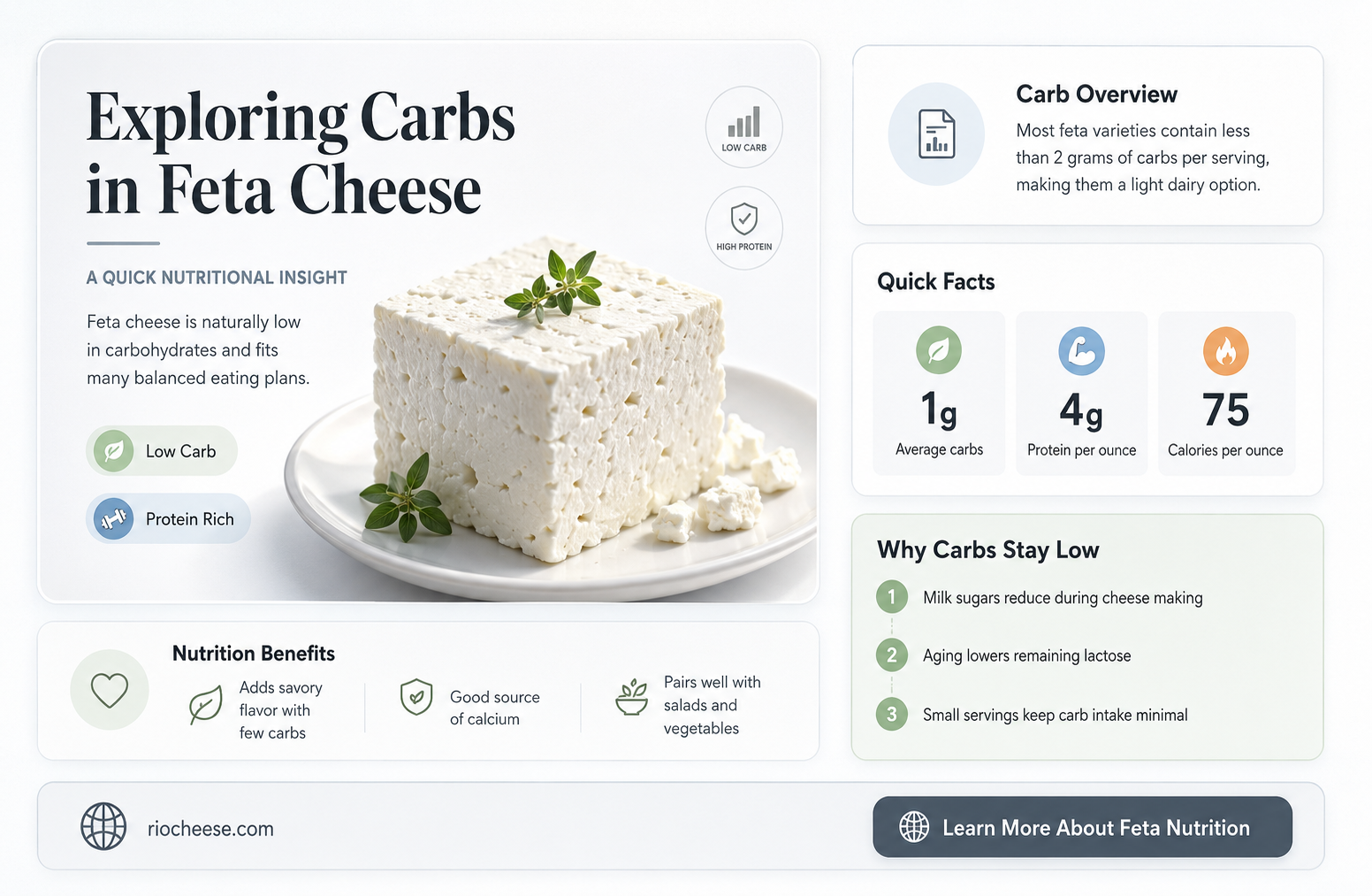
Feta cheese, a popular choice in Mediterranean cuisine, is known for its tangy flavor and crumbly texture. It's often used in salads, sandwiches, and as a garnish for various dishes. But for those monitoring their carbohydrate intake, it's essential to know how many carbs are in feta cheese. The good news is that feta cheese is relatively low in carbohydrates, making it a suitable option for those following a low-carb or ketogenic diet.
Explore related products


What You'll Learn
- Nutritional Breakdown: Feta cheese's macronutrient composition, focusing on carbohydrate content and its role in diet
- Comparison to Other Cheeses: How feta's carb content compares to other popular cheeses like cheddar or mozzarella
- Health Implications: The impact of feta cheese's carbohydrates on health, including blood sugar levels and dietary recommendations
- Serving Sizes and Portions: Typical serving sizes of feta cheese and their corresponding carbohydrate amounts
- Low-Carb Alternatives: Suggestions for low-carb alternatives to feta cheese for those on restricted carbohydrate diets

Nutritional Breakdown: Feta cheese's macronutrient composition, focusing on carbohydrate content and its role in diet
Feta cheese, a staple in Mediterranean cuisine, is renowned for its tangy flavor and crumbly texture. From a nutritional standpoint, it's primarily valued for its high protein and low carbohydrate content, making it a popular choice among those following low-carb diets. Typically, a 100-gram serving of feta cheese contains approximately 4 grams of carbohydrates, which is relatively low compared to other dairy products.
The macronutrient composition of feta cheese is predominantly fat and protein, with fat content ranging from 20% to 30% and protein content around 15% to 20%. The low carbohydrate content in feta cheese is due to the fermentation process, where lactic acid bacteria break down lactose, the primary sugar in milk, into lactic acid. This process significantly reduces the amount of residual lactose, resulting in a cheese that is lower in carbs than many other dairy options.
In terms of its role in the diet, feta cheese can be a versatile ingredient that adds flavor and nutrition without significantly impacting carbohydrate intake. For individuals managing their carb consumption, such as those with diabetes or following ketogenic diets, feta cheese can be an excellent choice. It provides essential nutrients like calcium, phosphorus, and vitamins B12 and K2, while its low carb content helps maintain dietary balance.
Moreover, the moderate fat content in feta cheese, particularly its proportion of monounsaturated fats, can contribute to heart health. Studies have shown that monounsaturated fats can help reduce bad cholesterol levels and lower the risk of heart disease. Therefore, incorporating feta cheese into a balanced diet can offer both taste and health benefits, especially for those looking to manage their carbohydrate intake while still enjoying dairy products.
In summary, feta cheese is a nutritious and flavorful dairy option that is low in carbohydrates, making it suitable for various dietary needs. Its macronutrient profile, rich in protein and moderate in fat, along with its minimal carb content, positions it as a beneficial ingredient for those seeking to maintain a balanced and health-conscious diet.
Savoring Flavor: Carbs in Chicken and Cheese Quesadilla Revealed
You may want to see also
Explore related products


Comparison to Other Cheeses: How feta's carb content compares to other popular cheeses like cheddar or mozzarella
Feta cheese, known for its tangy flavor and crumbly texture, is often a staple in Mediterranean diets. When comparing its carbohydrate content to other popular cheeses, feta stands out due to its relatively low carb count. Typically, a 100-gram serving of feta cheese contains about 4 grams of carbohydrates, which is significantly lower than many other cheeses.
For instance, cheddar cheese, a favorite in many households, contains approximately 7 grams of carbohydrates per 100 grams. Mozzarella, another widely consumed cheese, has around 3 grams of carbohydrates per 100 grams, making it slightly lower than feta but still within a similar range.
The low carbohydrate content of feta cheese makes it an attractive option for those following low-carb or ketogenic diets. Additionally, feta's high protein and fat content can contribute to feelings of fullness and satiety, which may aid in weight management.
However, it's essential to consider the overall nutritional profile of feta cheese. While it is low in carbs, it is also high in sodium and saturated fat. Therefore, moderation is key, especially for individuals monitoring their salt and fat intake.
In summary, feta cheese offers a lower carbohydrate alternative compared to cheeses like cheddar and mozzarella, making it a suitable choice for those looking to reduce their carb consumption while still enjoying the rich flavors of cheese.
Unveiling the Carb Content in Velveeta Cheese: A Nutritional Insight
You may want to see also
Explore related products


Health Implications: The impact of feta cheese's carbohydrates on health, including blood sugar levels and dietary recommendations
Feta cheese, a staple in Mediterranean cuisine, is known for its tangy flavor and crumbly texture. However, for individuals monitoring their carbohydrate intake, the carb content of feta cheese is a crucial consideration. A 100-gram serving of feta cheese typically contains around 4 grams of carbohydrates, making it a relatively low-carb option compared to other dairy products.
The impact of feta cheese's carbohydrates on health, particularly blood sugar levels, is significant. Due to its low glycemic index, feta cheese causes a gradual increase in blood sugar levels, which is beneficial for maintaining stable glucose levels. This makes feta cheese a suitable choice for individuals with diabetes or those following a low-carb diet.
Dietary recommendations for feta cheese vary depending on individual health goals and dietary needs. For those on a ketogenic diet, feta cheese can be a good source of fat and protein while keeping carbohydrate intake low. However, individuals with lactose intolerance or dairy allergies should avoid feta cheese or opt for lactose-free or vegan alternatives.
In terms of portion control, it's essential to be mindful of serving sizes. While a small amount of feta cheese can be a healthy addition to a salad or meal, excessive consumption can lead to an increase in calorie and fat intake. As with any food, moderation is key.
Overall, feta cheese can be a healthy and flavorful addition to a balanced diet when consumed in moderation and in accordance with individual dietary needs and health goals.
Savoring the Flavor: Carbs in a Bacon, Egg, and Cheese McGriddle
You may want to see also
Explore related products


Serving Sizes and Portions: Typical serving sizes of feta cheese and their corresponding carbohydrate amounts
Feta cheese is a popular dairy product known for its tangy flavor and crumbly texture. It's often used in salads, sandwiches, and as a garnish for various dishes. When it comes to serving sizes and portions, it's essential to understand the carbohydrate content to make informed dietary choices.
A typical serving size of feta cheese is about 1 ounce (28 grams). This amount contains approximately 1 gram of carbohydrates. However, it's important to note that the exact carbohydrate content may vary depending on the brand and type of feta cheese. Some varieties may have slightly higher or lower carbohydrate amounts, so it's always a good idea to check the nutrition label for specific information.
For those following a low-carbohydrate diet, feta cheese can be a suitable option due to its relatively low carb content. However, it's crucial to be mindful of portion sizes, as the carbohydrates can add up quickly if consumed in large amounts. Additionally, feta cheese is high in fat and calories, so moderation is key for maintaining a balanced diet.
In terms of practical tips, when measuring feta cheese for a recipe or meal, it's helpful to use a food scale to ensure accurate portion sizes. This is especially important if you're tracking your carbohydrate intake for dietary or health reasons. Furthermore, incorporating feta cheese into meals with other low-carbohydrate ingredients, such as vegetables and lean proteins, can help create a well-rounded and satisfying dish while keeping carbohydrate levels in check.
Overall, understanding the serving sizes and carbohydrate content of feta cheese is essential for making informed dietary choices. By being mindful of portion sizes and incorporating feta cheese into balanced meals, individuals can enjoy its delicious flavor while maintaining their dietary goals.
Sonic Cheese Sticks: A Tempting Treat with a Carb Count Twist
You may want to see also
Explore related products


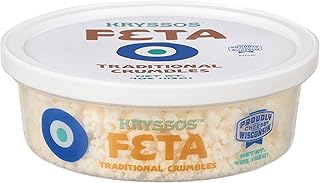
Low-Carb Alternatives: Suggestions for low-carb alternatives to feta cheese for those on restricted carbohydrate diets
For individuals adhering to a low-carb diet, finding suitable alternatives to feta cheese can be challenging due to its relatively high carbohydrate content. Feta cheese contains approximately 4 grams of carbs per 100 grams, which may not align with the dietary restrictions of those following ketogenic or other low-carb eating plans. To address this, several low-carb alternatives to feta cheese can be considered, each offering a unique flavor profile and nutritional benefits.
One popular low-carb alternative to feta cheese is goat cheese, which contains only about 1 gram of carbs per 100 grams. Goat cheese has a tangy, slightly sweet flavor that can complement a variety of dishes, from salads to baked goods. Another option is blue cheese, which has a strong, pungent taste and contains around 2 grams of carbs per 100 grams. Blue cheese can add a bold flavor to recipes and is often used in dressings, marinades, and as a topping for meats and vegetables.
For those looking for a milder flavor, cream cheese can be a suitable low-carb alternative to feta cheese, with approximately 2 grams of carbs per 100 grams. Cream cheese is versatile and can be used in both sweet and savory dishes, such as dips, spreads, and cheesecake recipes. Additionally, Neufchatel cheese, a soft cow's milk cheese, contains about 2 grams of carbs per 100 grams and can be used as a substitute for feta cheese in various recipes, offering a slightly tangy and creamy taste.
When selecting low-carb alternatives to feta cheese, it is essential to consider the overall nutritional content and flavor profile of each option to ensure it aligns with individual dietary needs and preferences. By exploring these alternatives, individuals on restricted carbohydrate diets can still enjoy a variety of flavorful and nutritious cheese options without compromising their dietary goals.
Unveiling the Carb Count in Your Favorite Cheese Enchilada
You may want to see also
Frequently asked questions
Feta cheese contains approximately 4 grams of carbohydrates per 100 grams.
Yes, feta cheese is considered low-carb due to its minimal carbohydrate content, making it a popular choice for low-carbohydrate diets.
The primary source of calories in feta cheese is fat, which contributes to its rich flavor and creamy texture.
Yes, feta cheese is suitable for a ketogenic diet as it is low in carbohydrates and high in fat, aligning with the macronutrient requirements of the diet.


