Andy Montoya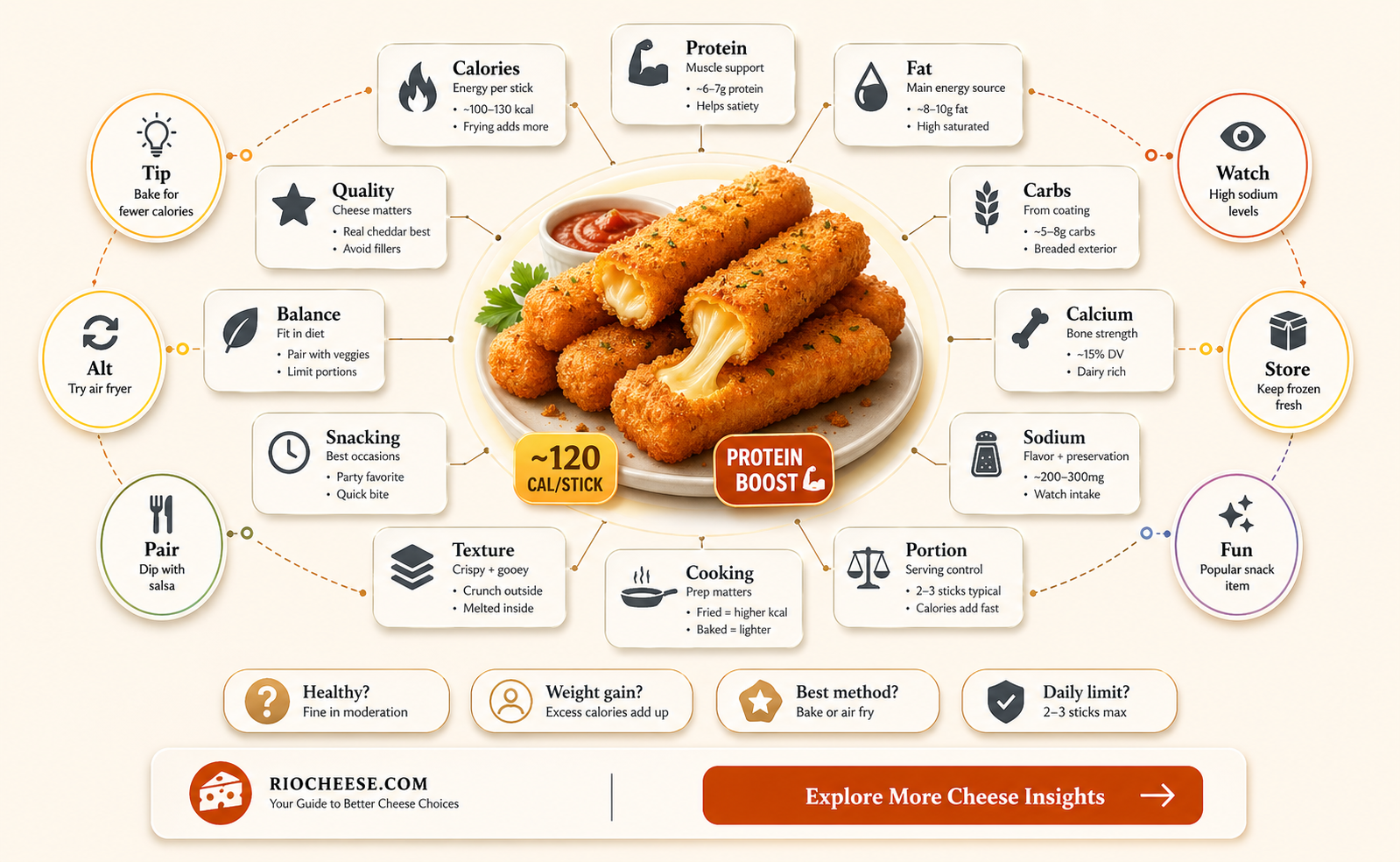
Cheddar cheese sticks are a popular snack known for their rich, savory flavor and convenient, portable size. They are typically made from cheddar cheese that has been processed and shaped into a stick form, often with added ingredients to enhance texture and shelf life. When considering the nutritional content of cheddar cheese sticks, one key aspect is their calorie count. The number of calories in a cheddar cheese stick can vary depending on the brand, size, and specific ingredients used. On average, a standard cheddar cheese stick contains around 100-120 calories. However, it's important to check the packaging for precise nutritional information, as some varieties may have higher or lower calorie counts. Understanding the calorie content of cheddar cheese sticks can help individuals make informed choices about their snacking habits and overall dietary intake.
Explore related products



What You'll Learn
- Nutritional Information: Caloric content, fat, protein, and carbohydrate breakdown of a cheddar cheese stick
- Portion Sizes: Variations in calories based on the size of the cheese stick
- Brand Comparisons: Calorie differences among popular cheddar cheese stick brands
- Dietary Considerations: Impact on daily caloric intake and suitability for specific diets (e.g., keto, low-carb)
- Health Benefits: Potential nutritional benefits of cheddar cheese sticks, such as calcium content and protein value

Nutritional Information: Caloric content, fat, protein, and carbohydrate breakdown of a cheddar cheese stick
A cheddar cheese stick typically contains around 100-120 calories, depending on the brand and size. The caloric content is primarily derived from fat and protein, with a small amount coming from carbohydrates. For instance, a standard 28-gram cheddar cheese stick may have approximately 8 grams of fat, 7 grams of protein, and 1 gram of carbohydrates. It's important to note that these values can vary slightly between different products, so checking the specific nutritional label is always the best practice for precise information.
The fat content in a cheddar cheese stick is mostly saturated fat, which should be consumed in moderation as part of a balanced diet. Saturated fats can raise LDL (bad) cholesterol levels, potentially increasing the risk of heart disease when consumed excessively. However, cheese also contains some unsaturated fats, which are considered healthier and can help improve cholesterol levels.
In terms of protein, a cheddar cheese stick provides a good source of this essential nutrient. Protein is vital for building and repairing tissues, making enzymes and hormones, and maintaining healthy bones, muscles, and skin. The protein in cheese is complete, meaning it contains all nine essential amino acids that the body cannot produce on its own.
Carbohydrates in a cheddar cheese stick are minimal, making it a suitable snack option for those following a low-carb or ketogenic diet. The small amount of carbohydrates present is primarily in the form of lactose, a natural sugar found in milk and dairy products. Some people may be lactose intolerant, meaning they have difficulty digesting lactose, which can lead to symptoms such as bloating, gas, and diarrhea.
When considering the nutritional information of a cheddar cheese stick, it's also important to think about portion control. While a single cheese stick can be a convenient and tasty snack, it's easy to overconsume calories and fat if multiple sticks are eaten in one sitting. As with any food, moderation is key to maintaining a healthy and balanced diet.
In summary, a cheddar cheese stick is a calorie-dense snack with a high fat and protein content and minimal carbohydrates. While it can be a nutritious addition to a balanced diet when consumed in moderation, it's important to be mindful of portion sizes and individual dietary needs. Always check the nutritional label for specific information about the product you are consuming.
Unraveling the Caloric Mystery of Mozzarella String Cheese
You may want to see also
Explore related products


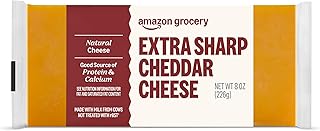


Portion Sizes: Variations in calories based on the size of the cheese stick
Cheese sticks come in various sizes, and understanding how portion sizes affect calorie intake is crucial for those monitoring their diet. A standard cheese stick typically measures around 3 inches in length and contains approximately 70-80 calories. However, larger or smaller sticks will have correspondingly higher or lower calorie counts. For instance, a 4-inch cheese stick may contain around 100-120 calories, while a 2-inch stick might have about 50-60 calories.
Manufacturers often produce cheese sticks in different sizes to cater to various consumer needs, from snack-sized portions to larger, more filling options. When selecting cheese sticks, it's essential to consider not only the calorie content but also the nutritional value, as some larger sticks may offer more protein and calcium despite having more calories.
To manage calorie intake effectively, it's advisable to choose portion sizes that align with your dietary goals. If you're aiming to reduce calorie consumption, opting for smaller cheese sticks or cutting larger ones into smaller portions can be a practical strategy. Conversely, if you need a more substantial snack, a larger cheese stick can provide the necessary energy boost while still being a convenient and portable option.
In summary, being mindful of portion sizes when it comes to cheese sticks is key to maintaining a balanced diet. By understanding the variations in calorie content based on size, you can make informed choices that support your nutritional needs and preferences.
Unveiling the Caloric Mystery of Colby Jack Cheese Sticks
You may want to see also
Explore related products


Brand Comparisons: Calorie differences among popular cheddar cheese stick brands
When examining the calorie content of popular cheddar cheese stick brands, it's clear that there are significant differences that can impact a consumer's dietary choices. For instance, a standard serving of cheddar cheese sticks from Brand A contains approximately 120 calories, while Brand B's equivalent serving size has around 90 calories. This 30-calorie difference may seem minor, but it can add up over time, especially for those who consume cheese sticks regularly as a snack.
One factor contributing to these calorie disparities is the varying fat content among brands. Some brands use full-fat cheddar cheese, which is higher in calories, while others opt for reduced-fat or skim-milk cheese to lower the calorie count. Additionally, the presence of additives and preservatives can also influence the overall calorie content. Brands that use more natural ingredients tend to have fewer calories compared to those with a longer list of artificial components.
Another aspect to consider is portion size. While most brands offer a standard serving size, some may provide larger or smaller portions, which can affect the calorie intake. For example, Brand C offers a "family-sized" pack with larger cheese sticks, resulting in a higher calorie count per serving compared to their regular-sized sticks.
To make informed choices, consumers should not only look at the calorie content but also consider the nutritional value and ingredient quality of the cheese sticks. Brands that use high-quality, natural ingredients may have a higher calorie count but could offer more nutritional benefits in the long run.
In conclusion, understanding the calorie differences among popular cheddar cheese stick brands can help consumers make more informed decisions about their snack choices. By considering factors such as fat content, additives, and portion size, individuals can select a brand that aligns with their dietary needs and preferences.
Explore related products


Dietary Considerations: Impact on daily caloric intake and suitability for specific diets (e.g., keto, low-carb)
Analyzing the dietary impact of a cheddar cheese stick requires a nuanced understanding of its nutritional profile. A standard cheddar cheese stick typically contains around 100-120 calories, with the majority of these calories coming from fat and protein. For individuals following a ketogenic diet, which emphasizes high-fat, low-carbohydrate intake, a cheddar cheese stick can be a suitable snack option. However, it's crucial to consider the overall daily caloric intake and ensure that the cheese stick fits within the individual's specific macronutrient goals.
In the context of a low-carb diet, the suitability of a cheddar cheese stick depends on the individual's carbohydrate tolerance and goals. While cheese is generally low in carbohydrates, some types of cheese sticks may contain added ingredients that increase the carb content. It's essential to read labels carefully and choose cheese sticks with minimal added sugars or starches. Additionally, portion control is key, as even low-carb foods can contribute to weight gain if consumed in excess.
For those following a calorie-restricted diet, such as individuals trying to lose weight, the caloric density of a cheddar cheese stick must be taken into account. While cheese can be a satisfying and nutritious food, its high calorie and fat content may not align with the goals of someone aiming to create a caloric deficit. In such cases, it may be more appropriate to opt for lower-calorie snack options or to enjoy cheese in moderation as part of a balanced meal.
Ultimately, the suitability of a cheddar cheese stick for a specific diet depends on various factors, including the individual's dietary goals, overall caloric intake, and macronutrient preferences. By considering these factors and making informed choices, individuals can incorporate cheese sticks into their diet in a way that aligns with their health objectives.
Explore related products


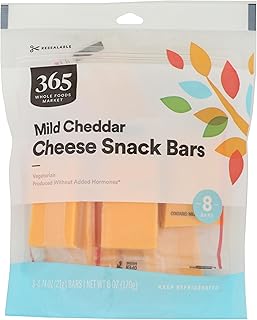


Health Benefits: Potential nutritional benefits of cheddar cheese sticks, such as calcium content and protein value
Cheddar cheese sticks are not only a tasty snack but also offer several nutritional benefits. One of the key advantages is their high calcium content. Calcium is essential for maintaining strong bones and teeth, and it also plays a crucial role in muscle function and nerve transmission. A single cheddar cheese stick can provide a significant portion of the recommended daily calcium intake, making it an excellent choice for individuals looking to boost their calcium levels.
In addition to calcium, cheddar cheese sticks are a good source of protein. Protein is vital for building and repairing tissues in the body, and it also helps to maintain muscle mass and support immune function. The protein content in cheddar cheese sticks can contribute to feelings of fullness and satisfaction, making them a nutritious snack option for those looking to manage their appetite and support their overall health.
Furthermore, cheddar cheese sticks contain essential vitamins and minerals such as vitamin A, vitamin B12, and phosphorus. Vitamin A is important for vision health and immune function, while vitamin B12 plays a role in red blood cell formation and neurological health. Phosphorus is necessary for bone health and energy production. These nutrients work together to support various bodily functions and contribute to overall well-being.
It's important to note that while cheddar cheese sticks offer nutritional benefits, they should be consumed in moderation as part of a balanced diet. They can be a convenient and satisfying snack, but it's essential to be mindful of portion sizes and to incorporate a variety of foods to ensure a well-rounded nutritional intake.
In summary, cheddar cheese sticks provide a range of nutritional benefits, including high calcium and protein content, as well as essential vitamins and minerals. When consumed as part of a balanced diet, they can contribute to overall health and well-being.
Frequently asked questions
A typical cheddar cheese stick contains around 70-80 calories.
Factors that can affect the calorie count include the size of the stick, the type of cheddar cheese used, and any additional ingredients or coatings.
The calorie content of a cheddar cheese stick is relatively low, making it a moderate snack option within a balanced diet. However, it's important to consider the overall nutritional profile, including fat and sodium content.