Frederic Melton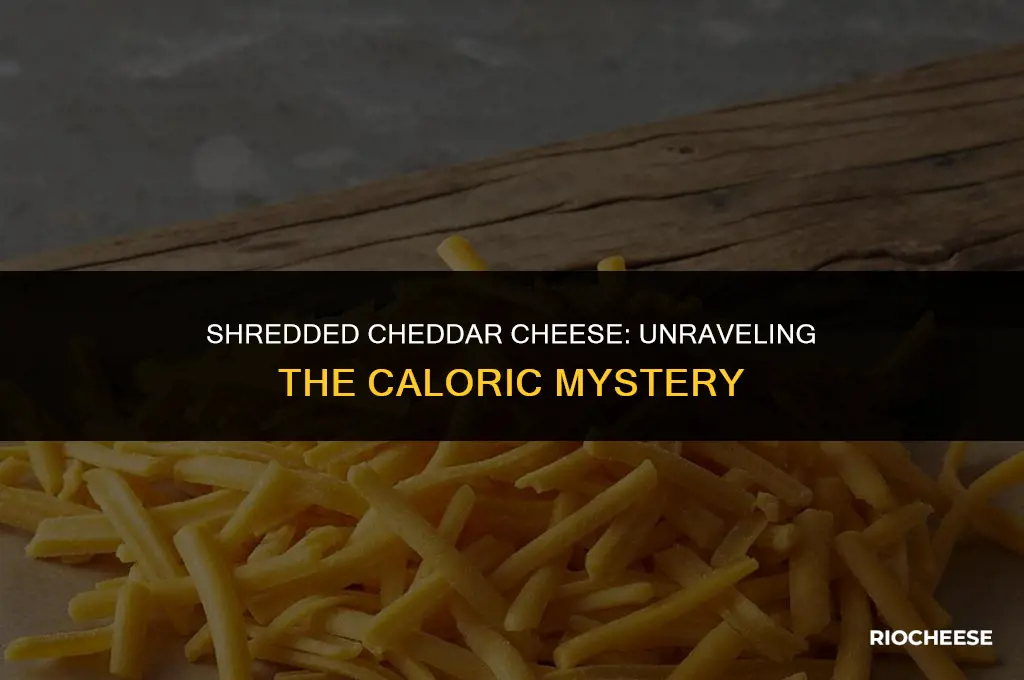
Shredded cheddar cheese is a popular ingredient in many dishes, from tacos to salads, and understanding its caloric content is essential for those monitoring their diet. The calorie count in shredded cheddar cheese can vary slightly depending on the brand and the specific type of cheddar used. Generally, a quarter cup of shredded cheddar cheese contains approximately 110-120 calories. This serving size also provides a good amount of protein, calcium, and fat. For those looking to manage their calorie intake, it's helpful to know that the calories in shredded cheddar cheese primarily come from fat and protein, with a small amount from carbohydrates.
Explore related products




What You'll Learn
- Serving Size: Understanding portion control for shredded cheddar cheese to manage calorie intake effectively
- Nutritional Breakdown: Exploring the macronutrient composition of shredded cheddar cheese, including fats, proteins, and carbohydrates
- Calorie Density: Examining how shredded cheddar cheese compares to other foods in terms of calorie density
- Brand Variations: Investigating potential differences in calorie content among various brands of shredded cheddar cheese
- Incorporation into Meals: Discovering ways to use shredded cheddar cheese in meals while maintaining a balanced calorie intake

Serving Size: Understanding portion control for shredded cheddar cheese to manage calorie intake effectively
Understanding portion control is crucial when it comes to managing calorie intake, especially for calorie-dense foods like shredded cheddar cheese. A serving size of shredded cheddar cheese is typically about 1/4 cup or 28 grams, which contains approximately 110 calories. However, it's easy to overestimate or underestimate portion sizes, leading to either excessive calorie consumption or inadequate nutrition.
To effectively manage calorie intake, it's important to be mindful of portion sizes and to use measuring tools when necessary. One practical tip is to use a food scale to weigh out the exact amount of shredded cheddar cheese needed for a recipe or meal. This can help prevent overconsumption and ensure that the correct amount of calories is being ingested.
Another strategy for portion control is to pre-portion shredded cheddar cheese into individual servings and store them in separate containers. This can make it easier to grab the correct amount when needed and can help prevent mindless snacking. Additionally, being aware of the calorie content of other ingredients in a meal can help balance out the overall calorie intake.
It's also important to consider the nutritional value of shredded cheddar cheese when managing calorie intake. While it is high in calories, it also provides protein, calcium, and other essential nutrients. Therefore, it's important to strike a balance between managing calorie intake and ensuring adequate nutrition.
In conclusion, understanding portion control for shredded cheddar cheese is key to managing calorie intake effectively. By using measuring tools, pre-portioning, and being mindful of the nutritional value, individuals can enjoy shredded cheddar cheese as part of a balanced diet without overconsuming calories.
Delicious Cheese Tortellini: Unraveling the Caloric Mystery
You may want to see also
Explore related products


Nutritional Breakdown: Exploring the macronutrient composition of shredded cheddar cheese, including fats, proteins, and carbohydrates
Shredded cheddar cheese is a popular dairy product known for its rich flavor and versatility in various dishes. To understand its nutritional value, it's essential to delve into its macronutrient composition. The primary macronutrients in shredded cheddar cheese are fats, proteins, and carbohydrates, each contributing to its overall caloric content.
Fats are the most abundant macronutrient in shredded cheddar cheese, accounting for a significant portion of its calories. The fat content in cheddar cheese can vary depending on the type and aging process, but it typically ranges from 30% to 40% by weight. This high fat content is primarily composed of saturated fats, which have been a subject of debate in terms of their impact on cardiovascular health. Despite this, fats are an essential part of the diet, providing energy and supporting various bodily functions.
Proteins are another crucial macronutrient found in shredded cheddar cheese. Protein content in cheddar cheese is relatively high, usually ranging from 20% to 25% by weight. Proteins are vital for building and repairing tissues, making enzymes and hormones, and maintaining a healthy immune system. The protein in cheddar cheese is primarily casein, a slow-digesting protein that can help with satiety and muscle recovery.
Carbohydrates are present in shredded cheddar cheese, albeit in smaller amounts compared to fats and proteins. The carbohydrate content typically ranges from 1% to 3% by weight. These carbohydrates are mainly in the form of lactose, a disaccharide that provides a quick source of energy. However, individuals with lactose intolerance may have difficulty digesting the lactose in cheddar cheese, leading to gastrointestinal discomfort.
In conclusion, the macronutrient composition of shredded cheddar cheese is predominantly fats and proteins, with a small amount of carbohydrates. Understanding this breakdown can help individuals make informed decisions about their dietary intake and portion sizes when consuming shredded cheddar cheese.
Delving into the Caloric Content of Chick-fil-A's Macaroni and Cheese
You may want to see also
Explore related products
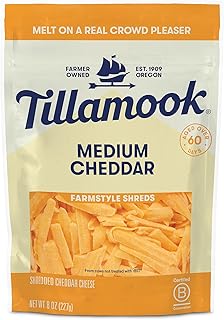


Calorie Density: Examining how shredded cheddar cheese compares to other foods in terms of calorie density
Shredded cheddar cheese, a popular topping for salads, soups, and casseroles, packs a significant caloric punch. But how does it compare to other foods in terms of calorie density? Calorie density refers to the number of calories per unit weight of a food. Foods with high calorie density provide a lot of calories in a small amount, while foods with low calorie density provide fewer calories per unit weight.
When comparing shredded cheddar cheese to other foods, it's essential to consider both its fat and protein content. Cheddar cheese is relatively high in fat, with about 30 grams of fat per 100 grams. However, it also contains a good amount of protein, with about 25 grams per 100 grams. This combination of fat and protein contributes to its high calorie density.
To put shredded cheddar cheese's calorie density into perspective, let's compare it to some other common foods. For example, fruits and vegetables tend to have low calorie density due to their high water content. Apples, for instance, have about 0.5 calories per gram, while broccoli has about 0.3 calories per gram. On the other hand, foods like nuts and seeds have high calorie density due to their high fat content. Almonds, for example, have about 5.7 calories per gram, while sunflower seeds have about 6.1 calories per gram.
In conclusion, shredded cheddar cheese has a relatively high calorie density compared to many other foods. This means that while it can be a delicious and satisfying addition to meals, it's essential to be mindful of portion sizes to avoid excessive calorie intake. When considering calorie density, it's helpful to think about the overall nutritional profile of a food, including its fat, protein, and fiber content, as well as its water content.
Unveiling the Caloric Mystery of Velveeta Cheese: A Nutritional Deep Dive
You may want to see also
Explore related products


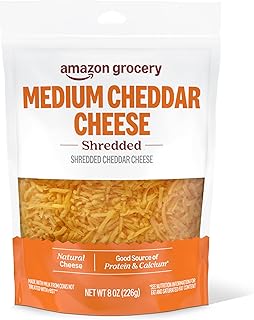


Brand Variations: Investigating potential differences in calorie content among various brands of shredded cheddar cheese
When examining the calorie content of shredded cheddar cheese, it's crucial to consider the variations that may exist among different brands. While the general calorie count for shredded cheddar cheese is well-documented, the specific nutritional profiles can differ significantly depending on the manufacturer. This investigation aims to shed light on these discrepancies and provide consumers with a more nuanced understanding of their dietary choices.
To begin this analysis, we must first identify the key factors that contribute to calorie variations in shredded cheddar cheese. These may include differences in fat content, moisture levels, and the presence of additives or preservatives. By scrutinizing the nutritional labels of various brands, we can start to piece together a more comprehensive picture of the calorie landscape.
One approach to this investigation would be to conduct a comparative analysis of the nutritional information provided by several leading brands of shredded cheddar cheese. This could involve creating a detailed table or chart that highlights the calorie content, fat content, and other relevant nutritional data for each brand. By visually representing this information, we can more easily identify patterns and outliers that may indicate significant differences in calorie content.
Another important aspect of this investigation would be to consider the potential impact of these calorie variations on consumers' dietary habits. For individuals who are closely monitoring their calorie intake, even small differences in the calorie content of their food choices can have a significant impact on their overall nutritional goals. By understanding these variations, consumers can make more informed decisions about which brands of shredded cheddar cheese to purchase and incorporate into their meals.
In conclusion, the investigation into brand variations in the calorie content of shredded cheddar cheese is a complex and multifaceted topic. By carefully analyzing the nutritional labels of different brands and considering the broader implications for consumers' dietary habits, we can gain a deeper understanding of this important food category and make more informed choices about our own nutrition.
Unveiling the Caloric Secrets of a Classic Cheese Burger and Fries Combo
You may want to see also
Explore related products
![Sharp Cheddar Finely Shredded Cheese , This easy to melt cheese comes pre-shredded, so it sprinkles evenly over any dish to add gooey goodness. Layer this finely shredded cheese in casseroles, sprinkle it over salads, use it on homemade pizzas or to make ordinary pasta dishes extraordinary. Each bag of cheese is resealable to help lock in flavor. [ 16 oz , 1 pound ] 2pk](https://m.media-amazon.com/images/I/61t6kM4RMwL._AC_UL320_.jpg)


Incorporation into Meals: Discovering ways to use shredded cheddar cheese in meals while maintaining a balanced calorie intake
Shredded cheddar cheese is a versatile ingredient that can add flavor and texture to a variety of meals. However, it's also calorie-dense, with approximately 110 calories per quarter cup. To incorporate shredded cheddar cheese into meals while maintaining a balanced calorie intake, it's essential to use it judiciously and pair it with nutrient-dense foods.
One effective strategy is to use shredded cheddar cheese as a topping for salads, soups, and baked potatoes. This allows you to add flavor without significantly increasing the calorie content of the meal. For example, a quarter cup of shredded cheddar cheese on top of a salad with mixed greens, cherry tomatoes, and grilled chicken adds a rich, savory element without pushing the calorie count over the top.
Another approach is to mix shredded cheddar cheese with other ingredients to create a more balanced meal. For instance, you could combine it with quinoa, black beans, and sautéed vegetables to make a hearty, protein-packed bowl. The cheese adds creaminess and flavor, while the other ingredients provide fiber, protein, and essential nutrients.
When using shredded cheddar cheese in cooking, it's also important to consider portion sizes. Measuring out a quarter cup or less per serving can help keep calorie intake in check. Additionally, opting for reduced-fat or part-skim shredded cheddar cheese can further reduce the calorie content without sacrificing too much flavor.
Incorporating shredded cheddar cheese into meals in a balanced way requires some creativity and mindfulness. By using it as a topping, mixing it with other ingredients, and being mindful of portion sizes, it's possible to enjoy the delicious taste of shredded cheddar cheese while maintaining a healthy calorie intake.
Unveiling the Caloric Secrets of Kraft Macaroni and Cheese Cups
You may want to see also
Frequently asked questions
A cup of shredded cheddar cheese typically contains around 450-500 calories, depending on the specific brand and fat content.
Approximately 112-125 calories are in 1/4 cup of shredded cheddar cheese, based on standard nutritional information.
The fat content significantly impacts the calorie count. Higher fat varieties of shredded cheddar cheese will have more calories than lower fat or reduced-fat versions.
Yes, there can be slight variations in calorie content between different brands due to differences in ingredients, processing methods, and fat content.
To incorporate shredded cheddar cheese into a balanced diet while managing calorie intake, consider using it sparingly as a topping or ingredient in dishes, and opt for lower fat varieties when possible. Pair it with nutrient-dense foods like vegetables, lean proteins, and whole grains to create a well-rounded meal.