Kamil Perry
An omelette with cheese is a popular breakfast choice known for its rich flavor and satisfying texture. When considering the caloric content of this dish, several factors come into play, including the number of eggs used, the type and amount of cheese, and any additional ingredients such as vegetables or meats. On average, a basic cheese omelette made with two large eggs and a moderate amount of shredded cheese can range from 250 to 350 calories. However, variations in ingredients and preparation methods can significantly impact the overall calorie count. For instance, adding vegetables like bell peppers or onions can increase the nutrient density while keeping the calorie count relatively low, whereas incorporating meats like bacon or sausage can substantially boost the calorie content. Understanding the caloric breakdown of an omelette with cheese can help individuals make informed dietary choices and maintain a balanced diet.
Explore related products




What You'll Learn
- Ingredients Breakdown: Understand the components of an omelette with cheese to calculate its caloric content
- Calorie Counting: Learn how to estimate the calories based on the quantity of each ingredient used
- Cheese Varieties: Discover how different types of cheese can affect the overall calorie count of your omelette
- Cooking Methods: Explore whether frying or baking your omelette impacts its calorie content
- Nutritional Balance: Find out how an omelette with cheese fits into a balanced diet and its nutritional benefits

Ingredients Breakdown: Understand the components of an omelette with cheese to calculate its caloric content
To calculate the caloric content of an omelette with cheese, we need to break down its components and understand the nutritional value of each ingredient. An omelette typically consists of eggs, cheese, and possibly additional fillings such as vegetables or meats. Let's start by examining the primary ingredients.
Eggs are a significant source of protein and contain essential vitamins and minerals. One large egg has approximately 70 calories. The number of eggs used in an omelette can vary, but a standard serving is usually made with 2-3 eggs. Therefore, the caloric contribution from eggs in an omelette can range from 140 to 210 calories.
Cheese is another key ingredient that adds flavor and texture to the omelette. It is also a good source of calcium and protein. The caloric content of cheese varies depending on the type and fat content. For example, cheddar cheese has about 115 calories per ounce, while mozzarella cheese has around 85 calories per ounce. Assuming an average of 1-2 ounces of cheese in an omelette, the caloric contribution from cheese can range from 85 to 230 calories.
In addition to eggs and cheese, an omelette may include various fillings such as vegetables, meats, or herbs. These ingredients can add flavor, texture, and nutritional value to the dish. For example, adding spinach or mushrooms can provide additional vitamins and minerals, while adding ham or bacon can increase the protein content. However, these fillings can also contribute additional calories, so it's essential to consider their nutritional value when calculating the overall caloric content of the omelette.
To get an accurate estimate of the caloric content of an omelette with cheese, it's important to consider the specific ingredients and their quantities. By understanding the nutritional value of each component, you can make informed choices about the ingredients you use and the portion sizes you consume. This knowledge can help you maintain a balanced diet and achieve your health and fitness goals.
Savoring Flavor: Caloric Breakdown of a Cheesy Smash Burger Delight
You may want to see also
Explore related products


Calorie Counting: Learn how to estimate the calories based on the quantity of each ingredient used
To accurately estimate the calories in an omelette with cheese, it's essential to understand the calorie content of each ingredient and how they contribute to the overall caloric count. The primary components of an omelette are eggs and cheese, with optional additions like vegetables, meats, or seasonings.
Eggs are a significant source of protein and contain approximately 70-80 calories per large egg. The exact calorie count can vary slightly depending on the size and type of egg used. For a basic two-egg omelette, you would start with around 140-160 calories from the eggs alone.
Cheese, on the other hand, is high in fat and calories. The calorie content of cheese varies widely depending on the type and fat content. For example, a slice of cheddar cheese (about 28 grams) contains around 115 calories, while a slice of mozzarella (also about 28 grams) has approximately 85 calories. If you're using a higher-fat cheese like Swiss or Gruyère, the calorie count could be even higher.
To estimate the total calories in your omelette, add the calories from the eggs and cheese together. If you're including additional ingredients like vegetables or meats, you'll need to factor in their calorie content as well. For instance, adding a slice of ham (about 30 calories) or some sautéed mushrooms (about 20 calories) will increase the overall calorie count.
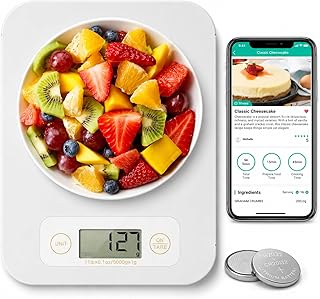
A practical tip for calorie counting is to use a food scale to measure the exact weight of each ingredient, especially if you're tracking your calorie intake closely. This will allow you to calculate the calories more accurately based on the specific quantities used. Additionally, using a non-stick pan or cooking spray instead of butter or oil can help reduce the calorie content of your omelette without sacrificing flavor.
In summary, estimating the calories in an omelette with cheese involves understanding the calorie content of each ingredient and adding them together. By being mindful of portion sizes and ingredient choices, you can create a delicious and satisfying omelette while staying within your calorie goals.
Unveiling the Caloric Secrets of Irresistible Cheese Sticks
You may want to see also
Explore related products


Cheese Varieties: Discover how different types of cheese can affect the overall calorie count of your omelette
The type of cheese you choose for your omelette can significantly impact its calorie content. For instance, a slice of cheddar cheese contains approximately 115 calories, while the same amount of mozzarella has about 85 calories. This difference can add up quickly, especially if you're using multiple slices or a generous amount of cheese.
When considering the calorie impact of different cheeses, it's essential to think about the fat content. Cheeses with higher fat content, such as cheddar, Swiss, and American, will generally have more calories than lower-fat options like mozzarella, feta, or cottage cheese. Additionally, some cheeses, like blue cheese or gorgonzola, have a strong flavor and are often used in smaller quantities, which can help reduce the overall calorie count.
Another factor to consider is the moisture content of the cheese. Cheeses with higher moisture content, such as mozzarella or provolone, tend to have fewer calories than drier cheeses like Parmesan or Romano. This is because the moisture content can dilute the fat and protein content, resulting in a lower calorie density.
To make a lower-calorie omelette with cheese, consider using a combination of cheeses with different fat and moisture contents. For example, you could use a small amount of a strong, flavorful cheese like blue cheese or feta, along with a lower-fat, higher-moisture cheese like mozzarella or provolone. This will allow you to achieve a satisfying cheese flavor without significantly increasing the calorie count.
Ultimately, the key to managing the calorie content of your cheese-filled omelette is to be mindful of the types and amounts of cheese you use. By choosing cheeses with lower fat and higher moisture content, and using them in moderation, you can enjoy a delicious omelette without worrying about excessive calorie intake.
Unveiling the Caloric Secrets of Your Favorite Cheese Block
You may want to see also
Explore related products





Cooking Methods: Explore whether frying or baking your omelette impacts its calorie content
Frying versus baking an omelette—does it make a difference in calorie content? The answer is yes, and understanding why can help you make healthier choices in the kitchen. When you fry an omelette, you typically use oil or butter to cook it in a pan. This method adds extra calories from the fat used in cooking. On the other hand, baking an omelette in the oven doesn't require any additional fat, making it a lower-calorie option.
Let's break it down further. A basic omelette made with two eggs contains approximately 140 calories. If you add cheese, that number increases depending on the type and amount of cheese used. For example, a slice of cheddar cheese adds about 115 calories, while a slice of Swiss cheese adds around 80 calories. Now, if you fry this omelette in a tablespoon of butter, you're adding another 102 calories. In contrast, baking the omelette without any added fat keeps the calorie count lower.
But what about the texture and taste? Frying an omelette often results in a crispier exterior and a softer interior, which some people prefer. Baking, on the other hand, can lead to a more uniform texture throughout. In terms of taste, frying can impart a richer flavor due to the butter or oil, while baking may result in a lighter, more delicate taste.
So, how can you reduce the calorie content of your omelette without sacrificing taste and texture? One option is to use a non-stick pan and cook your omelette with minimal oil or butter. Another is to bake your omelette in a muffin tin, which can help it set better and achieve a desirable texture. You can also experiment with different types of cheese to find lower-calorie options that still provide the flavor you enjoy.
In conclusion, the cooking method you choose for your omelette can significantly impact its calorie content. By opting for baking over frying and making mindful choices about cheese and fat usage, you can enjoy a delicious omelette while keeping your calorie intake in check.
Unveiling the Caloric Secrets of a Classic Cheese Burger and Fries Combo
You may want to see also
Explore related products


Nutritional Balance: Find out how an omelette with cheese fits into a balanced diet and its nutritional benefits
An omelette with cheese can be a nutritious addition to a balanced diet, offering a variety of essential nutrients. The eggs in the omelette are an excellent source of high-quality protein, vitamins, and minerals, including vitamin D, B vitamins, selenium, and choline. These nutrients are crucial for maintaining muscle mass, supporting brain function, and promoting overall health. The cheese adds additional protein, calcium, and fat to the dish, which can contribute to bone health and satiety. However, it's important to choose a cheese that is not overly high in saturated fat or sodium to maintain a healthy balance.
To make an omelette with cheese a more balanced meal, consider adding vegetables such as spinach, mushrooms, or bell peppers. These vegetables provide fiber, vitamins, and minerals that can enhance the nutritional profile of the dish. For example, spinach is rich in iron and vitamin K, while mushrooms offer B vitamins and antioxidants. Bell peppers are a good source of vitamin C and carotenoids. By incorporating a variety of vegetables, you can increase the nutrient density of the omelette and make it a more satisfying and well-rounded meal.
When preparing an omelette with cheese, it's important to use healthy cooking methods to preserve the nutrients in the ingredients. Avoid overcooking the eggs, as this can lead to the loss of some of their nutritional value. Instead, cook the omelette over medium heat and fold it gently to maintain its texture and nutrient content. You can also use a non-stick pan or a small amount of healthy oil, such as olive oil, to prevent sticking and reduce the need for excessive butter or margarine.
In terms of portion control, an omelette with cheese can be a filling and satisfying meal option. However, it's important to be mindful of the serving size, especially if you are watching your calorie intake. A standard omelette made with two eggs and a moderate amount of cheese can range from 200 to 300 calories, depending on the type of cheese used and any additional ingredients. To keep the calorie count in check, consider using egg whites or a combination of whole eggs and egg whites, and choose a lower-fat cheese option.
Overall, an omelette with cheese can be a delicious and nutritious part of a balanced diet when prepared with care and attention to ingredient choices. By incorporating vegetables, using healthy cooking methods, and practicing portion control, you can enjoy the benefits of this classic dish while maintaining a well-rounded and healthful eating plan.
Starbucks Grilled Cheese: A Caloric Delight or Dietary Dilemma?
You may want to see also
Frequently asked questions
A basic cheese omelette made with 2 large eggs and 1 ounce of cheddar cheese typically contains around 200-250 calories.
Factors that can affect the calorie count include the number and size of eggs used, the type and amount of cheese, any additional ingredients like vegetables or meats, and the cooking method (e.g., using butter or oil).
An omelette with cheese can be part of a low-calorie diet if made with moderation. Using egg whites instead of whole eggs, choosing lower-fat cheese, and avoiding added fats during cooking can help reduce the calorie content.
To make a healthier cheese omelette with fewer calories, consider using egg whites or a combination of whole eggs and egg whites, selecting a lower-fat cheese, incorporating vegetables for added nutrients and fiber, and cooking with minimal added fats.