Frederic Melton
Cheese curds, the fresh, moist pieces of curdled milk that are a key ingredient in cheese-making, have a relatively short shelf life. Typically, they are best consumed within a few days of production to ensure optimal flavor and texture. However, the exact duration can vary depending on factors such as storage conditions, the type of milk used, and the specific cheese-making process. Proper refrigeration is crucial to extending their freshness, and some cheese curds can last up to a week when stored at the right temperature. It's important to note that as cheese curds age, they will begin to dry out and lose their characteristic squeakiness, eventually hardening into cheese.
Explore related products


What You'll Learn
- Storage Conditions: Proper refrigeration and airtight containers are crucial for extending the shelf life of cheese curds
- Fresh vs. Aged: Fresh cheese curds typically last shorter than aged varieties, which have a longer shelf life
- Opened vs. Unopened: Once opened, cheese curds are more susceptible to spoilage and should be consumed within a few days
- Freezing Cheese Curds: Cheese curds can be frozen to prolong their freshness, but this may affect their texture
- Signs of Spoilage: Look for off odors, slimy texture, or mold growth as indicators that cheese curds have gone bad

Storage Conditions: Proper refrigeration and airtight containers are crucial for extending the shelf life of cheese curds
Cheese curds, the fresh, moist pieces of curdled milk, are a delightful snack but have a relatively short shelf life. To maximize their freshness and prevent spoilage, proper storage conditions are essential. The key factors in extending the life of cheese curds are maintaining the right temperature and using airtight containers.
Refrigeration is crucial for cheese curds as it slows down the growth of bacteria and mold that can cause spoilage. Cheese curds should be stored in the refrigerator at a temperature between 35°F and 40°F (1.6°C and 4.4°C). It's best to place them in the coldest part of the refrigerator, usually the bottom shelf, to ensure consistent temperature. If the cheese curds are not consumed within a few days, they can be frozen for longer storage. When freezing, it's important to wrap the cheese curds tightly in plastic wrap or aluminum foil to prevent freezer burn.
Airtight containers are equally important for preserving cheese curds. They help to prevent air and moisture from reaching the cheese curds, which can accelerate spoilage. When storing cheese curds in the refrigerator, place them in a covered container or wrap them tightly in plastic wrap. For longer storage in the freezer, airtight containers or freezer bags are recommended. It's also a good idea to label the containers with the date of storage to keep track of how long the cheese curds have been stored.
In addition to proper refrigeration and airtight containers, it's important to handle cheese curds hygienically to prevent contamination. Always wash your hands before handling cheese curds and use clean utensils. If you notice any signs of spoilage, such as an off odor, slimy texture, or mold, discard the cheese curds immediately.
By following these storage guidelines, you can enjoy fresh, delicious cheese curds for an extended period. Remember, proper storage not only helps to preserve the quality and taste of cheese curds but also ensures food safety.
Perfectly Melty: Mastering the Art of Microwaving Brie Cheese
You may want to see also
Explore related products


Fresh vs. Aged: Fresh cheese curds typically last shorter than aged varieties, which have a longer shelf life
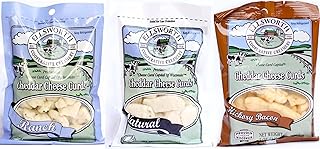
Fresh cheese curds, known for their squeaky texture and mild flavor, are a popular snack and ingredient in various dishes. However, their shelf life is notably shorter compared to aged cheese varieties. This is primarily due to the higher moisture content in fresh curds, which makes them more susceptible to bacterial growth and spoilage. Typically, fresh cheese curds can last anywhere from a few days to a week when stored properly in the refrigerator.
On the other hand, aged cheeses undergo a maturation process that involves the breakdown of proteins and fats, resulting in a firmer texture and more complex flavor profile. This aging process also contributes to a longer shelf life, as the reduced moisture content and increased acidity create an environment less conducive to bacterial growth. Aged cheeses can last several weeks to months, depending on the specific type and storage conditions.
When comparing fresh and aged cheese curds, it's important to consider the trade-off between shelf life and flavor. Fresh curds offer a unique texture and taste that is best enjoyed soon after production, while aged cheeses provide a more robust flavor and longer-lasting quality. Understanding the differences between these two types of cheese can help consumers make informed decisions about their purchases and storage practices.
In terms of storage, both fresh and aged cheese curds should be kept in the refrigerator to maintain their quality and safety. Fresh curds should be stored in an airtight container and consumed within a few days, while aged cheeses can be wrapped in wax paper or aluminum foil and stored in a cool, dry place for an extended period. Proper storage is crucial for preserving the taste and texture of cheese curds, regardless of whether they are fresh or aged.
In conclusion, the shelf life of cheese curds is significantly influenced by whether they are fresh or aged. Fresh cheese curds have a shorter shelf life due to their higher moisture content, while aged cheeses can last longer due to their reduced moisture and increased acidity. By understanding these differences and following proper storage guidelines, consumers can enjoy the unique qualities of both fresh and aged cheese curds while minimizing waste and ensuring food safety.
Savoring Flavor: The Shelf Life of Grated Parmesan Cheese
You may want to see also
Explore related products



Opened vs. Unopened: Once opened, cheese curds are more susceptible to spoilage and should be consumed within a few days
Once cheese curds are opened, their shelf life significantly decreases due to increased exposure to air, moisture, and potential contaminants. This makes them more susceptible to spoilage and bacterial growth, which can lead to foodborne illnesses if consumed after a certain period. It is crucial to understand the differences in storage requirements and consumption windows between opened and unopened cheese curds to ensure food safety and quality.
Unopened cheese curds, on the other hand, are protected by their packaging, which acts as a barrier against external factors that can accelerate spoilage. The packaging helps maintain the curds' freshness and prevents the growth of harmful bacteria. As a result, unopened cheese curds can last longer than their opened counterparts, typically up to a week or more when stored properly in the refrigerator.
When it comes to opened cheese curds, it is essential to consume them within a few days to minimize the risk of spoilage. Proper storage is key to extending their shelf life as much as possible. Opened cheese curds should be stored in an airtight container in the refrigerator to reduce exposure to air and moisture. It is also advisable to wrap them tightly in plastic wrap or aluminum foil before placing them in the container to further protect them from contaminants.
In addition to proper storage, it is important to pay attention to the appearance and smell of opened cheese curds. If they develop an off odor, discoloration, or slimy texture, it is a sign that they have spoiled and should be discarded immediately. Consuming spoiled cheese curds can lead to food poisoning, which can cause symptoms such as nausea, vomiting, diarrhea, and stomach cramps.
To maximize the shelf life of cheese curds, it is recommended to purchase them in smaller quantities, especially if they will be consumed over an extended period. This way, you can minimize the amount of time they spend in the refrigerator after opening. Additionally, consider using cheese curds in recipes that require them to be cooked, as heat can kill harmful bacteria and extend their shelf life.
In conclusion, understanding the differences between opened and unopened cheese curds is crucial for ensuring food safety and quality. By following proper storage guidelines and consuming opened cheese curds within a few days, you can enjoy their delicious taste and texture while minimizing the risk of spoilage and foodborne illnesses.
Mastering the Art of Cold Smoking Cheese: A Time-Honored Guide
You may want to see also
Explore related products


Freezing Cheese Curds: Cheese curds can be frozen to prolong their freshness, but this may affect their texture
Cheese curds, the fresh, moist pieces of curdled milk, are a delicacy for many. However, their shelf life is relatively short, typically lasting only a few days when refrigerated. Freezing cheese curds is a practical method to extend their freshness, allowing you to enjoy them for a longer period. But, as with many food preservation techniques, there are trade-offs to consider.
The process of freezing cheese curds is straightforward. First, drain the curds well to remove excess whey. Then, spread them out on a baking sheet lined with parchment paper to prevent sticking. Place the sheet in the freezer until the curds are solid, which usually takes about an hour. Once frozen, transfer the curds to an airtight container or freezer bag, labeling them with the date. Frozen cheese curds can last up to three months.
While freezing effectively preserves the curds, it can alter their texture. The freezing process causes the water in the curds to form ice crystals, which can lead to a slightly grainy or crumbly texture upon thawing. This change is generally more noticeable in fresh cheese curds, which have a higher moisture content. To minimize texture changes, it's best to freeze cheese curds as soon as possible after they are made or purchased.
When you're ready to use the frozen cheese curds, thaw them in the refrigerator overnight. This slow thawing process helps to maintain their texture and flavor. Avoid thawing cheese curds at room temperature or in hot water, as this can cause them to become rubbery or lose their shape.
In summary, freezing cheese curds is a useful technique for prolonging their shelf life, but it does come with a potential change in texture. By following proper freezing and thawing methods, you can enjoy cheese curds for an extended period while minimizing any negative effects on their quality.
Savoring Flavor: The Shelf Life of Blue Cheese Stuffed Olives
You may want to see also
Explore related products


Signs of Spoilage: Look for off odors, slimy texture, or mold growth as indicators that cheese curds have gone bad
Cheese curds, when fresh, have a mild, slightly tangy odor and a firm yet moist texture. As they begin to spoil, however, these characteristics change noticeably. One of the first signs of spoilage is an off odor, which can range from a strong, pungent smell to a sour, unpleasant one. This change in smell is often accompanied by a slimy texture, where the curds become excessively moist and lose their firmness. In some cases, mold growth may also be visible, appearing as white, green, or black spots on the surface of the curds.
To determine if cheese curds have gone bad, it's essential to inspect them closely for these signs of spoilage. Start by smelling the curds; if they have a strong, unpleasant odor, it's a good indication that they are no longer safe to eat. Next, gently press the curds; if they feel slimy or overly moist, this is another sign of spoilage. Finally, examine the curds visually for any mold growth or discoloration. If you notice any of these signs, it's best to discard the cheese curds to avoid potential foodborne illness.
It's important to note that the shelf life of cheese curds can vary depending on factors such as storage conditions, handling, and the type of cheese curds. Generally, fresh cheese curds can last for about 1-2 weeks when stored properly in the refrigerator. However, if you notice any signs of spoilage before this timeframe, it's crucial to err on the side of caution and discard them.
In addition to the signs of spoilage mentioned above, there are a few other indicators that cheese curds may have gone bad. For example, if the curds have become discolored, either turning yellow or developing dark spots, this can be a sign of bacterial growth. Similarly, if the curds have become excessively salty or have developed an off taste, this can also be an indication of spoilage.
To prevent cheese curds from spoiling too quickly, it's essential to store them properly. Keep them in an airtight container in the refrigerator, and avoid exposing them to strong odors or flavors, as these can be absorbed by the curds. Additionally, it's best to consume cheese curds within a week or two of purchase to ensure they are at their freshest and safest to eat.
Savoring Freshness: A Guide to Sliced Cheese Storage
You may want to see also
Frequently asked questions
Cheese curds typically last about 1 to 2 weeks when stored in the refrigerator in an airtight container.
Yes, cheese curds can be frozen. They will last up to 3 months in the freezer. Thaw them in the refrigerator before consuming.
Signs that cheese curds have gone bad include an off smell, slimy texture, or mold growth. If you notice any of these, it's best to discard them.
Cheese curds should be stored in an airtight container to prevent them from drying out or absorbing odors from other foods in the refrigerator.
Homemade cheese curds generally have a shorter shelf life than store-bought ones because they lack the preservatives often found in commercially produced curds. Homemade curds typically last about 1 week, while store-bought can last up to 2 weeks.