Bushra Griffith
Cottage cheese is a popular dairy product known for its creamy texture and mild flavor, making it a versatile ingredient in various recipes and a healthy snack option. However, like all perishable foods, cottage cheese has a limited shelf life, and its quality can deteriorate over time. The sell by date on the packaging is a crucial indicator of freshness, but it's not always clear how long cottage cheese remains safe and enjoyable to eat after this date has passed. In this article, we'll explore the factors that affect the shelf life of cottage cheese, provide guidelines on how long it typically lasts after the sell by date, and offer tips on how to store it properly to maintain its quality and safety.
Explore related products


What You'll Learn
- Factors Affecting Shelf Life: Temperature, storage conditions, and packaging impact how long cottage cheese remains safe to eat
- Signs of Spoilage: Look for discoloration, off odors, or mold growth as indicators that cottage cheese has gone bad
- Health Risks: Consuming spoiled cottage cheese can lead to foodborne illnesses, including nausea, vomiting, and diarrhea
- Proper Storage Tips: Keep cottage cheese refrigerated at 40°F (4°C) or below and consume within 1-2 weeks of opening
- Extending Shelf Life: Freezing cottage cheese can prolong its freshness, but be aware of potential texture changes upon thawing

Factors Affecting Shelf Life: Temperature, storage conditions, and packaging impact how long cottage cheese remains safe to eat
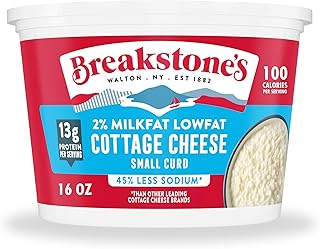
Cottage cheese, like many perishable dairy products, is sensitive to temperature fluctuations. The ideal storage temperature for cottage cheese is between 35°F and 40°F (1.6°C and 4.4°C). If stored at higher temperatures, the cheese can spoil more quickly, leading to a shorter shelf life. Conversely, storing cottage cheese at lower temperatures can help extend its shelf life, but it's important to note that freezing cottage cheese can alter its texture and consistency, making it less desirable for consumption.
In addition to temperature, storage conditions play a crucial role in the shelf life of cottage cheese. It should be stored in a clean, dry place, away from direct sunlight and strong odors, as these can also affect the cheese's quality and safety. Once opened, cottage cheese should be covered tightly with plastic wrap or aluminum foil and refrigerated promptly to prevent contamination and spoilage.
Packaging is another key factor in determining the shelf life of cottage cheese. The type of container used can impact how well the cheese is protected from external elements. For instance, cottage cheese sold in plastic tubs tends to have a longer shelf life than those sold in paper cartons, as plastic provides a more effective barrier against moisture and bacteria. Additionally, the integrity of the packaging is important; any signs of damage or tampering can compromise the cheese's safety and should be avoided.
Understanding these factors can help consumers make informed decisions about how to store and handle cottage cheese to maximize its shelf life. By maintaining proper storage conditions and paying attention to packaging, it's possible to enjoy cottage cheese safely for an extended period after its sell-by date. However, it's always important to use one's judgment and err on the side of caution when it comes to food safety. If in doubt, it's best to discard the product to avoid any potential health risks.
Understanding Cottage Cheese Expiration: A Guide to Freshness
You may want to see also
Explore related products


Signs of Spoilage: Look for discoloration, off odors, or mold growth as indicators that cottage cheese has gone bad
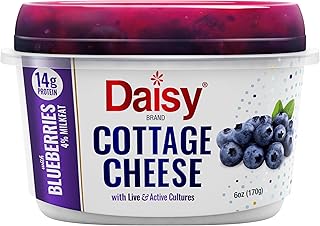
Cottage cheese, a popular dairy product, can spoil if not stored properly or consumed within a reasonable timeframe after its sell-by date. One of the primary indicators of spoilage is discoloration. Fresh cottage cheese should have a clean, white appearance. If you notice any yellowish or brownish hues, it's a sign that the cheese is past its prime. Additionally, the texture should be smooth and creamy; any lumps or curdling can also indicate spoilage.
Another key sign to look out for is off odors. Cottage cheese should have a mild, slightly tangy smell. If the odor is strong, pungent, or resembles ammonia, it's a clear indication that the cheese has gone bad. This is because as bacteria grow and multiply, they produce gases that can give off unpleasant smells.
Mold growth is perhaps the most obvious sign of spoilage. If you see any green, blue, or black spots on the surface of the cottage cheese, it's definitely time to discard it. Mold can produce mycotoxins, which can be harmful if ingested. It's important to note that even if the mold is only visible on the surface, it can have roots that extend deeper into the cheese, so it's best to err on the side of caution and throw it away.
In terms of timeframe, cottage cheese typically lasts about one to two weeks after the sell-by date if stored properly in the refrigerator. However, it's crucial to check for signs of spoilage regularly, as the exact shelf life can vary depending on factors such as temperature, humidity, and handling. If in doubt, it's always better to discard the product to avoid any potential health risks.
To prevent spoilage, it's essential to store cottage cheese in a sealed container in the coldest part of the refrigerator. Avoid leaving it out at room temperature for extended periods, as this can accelerate bacterial growth. Additionally, using clean utensils and avoiding cross-contamination with other foods can help prolong its freshness.
In conclusion, by being vigilant for signs of spoilage such as discoloration, off odors, and mold growth, you can ensure that you consume cottage cheese safely and enjoy its creamy goodness for as long as possible after the sell-by date. Remember, when in doubt, it's always best to throw it out.
The Shelf Life of Unopened Cottage Cheese: A Comprehensive Guide
You may want to see also
Explore related products


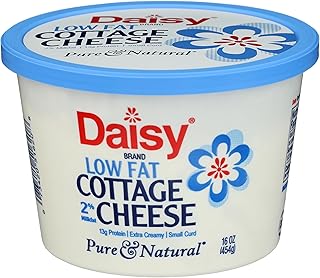

Health Risks: Consuming spoiled cottage cheese can lead to foodborne illnesses, including nausea, vomiting, and diarrhea
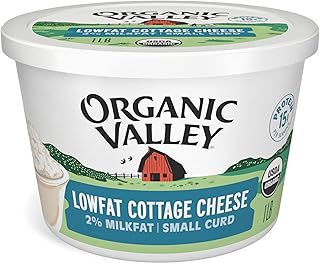
Consuming spoiled cottage cheese can lead to foodborne illnesses, posing significant health risks. The primary concern is the potential for bacterial contamination, which can result in symptoms such as nausea, vomiting, and diarrhea. These symptoms typically manifest within a few hours to a couple of days after ingestion, depending on the individual's immune system and the severity of the contamination.
One of the most common bacteria associated with spoiled dairy products, including cottage cheese, is Salmonella. This bacterium can multiply rapidly in the warm, moist environment of dairy products that have been left at room temperature for too long. Other potential pathogens include E. coli and Listeria monocytogenes, both of which can cause severe gastrointestinal distress and, in some cases, more serious health complications.
To minimize the risk of foodborne illness, it is crucial to adhere to proper food storage guidelines. Cottage cheese should be refrigerated at a temperature of 40°F (4°C) or below and consumed within one week of the sell-by date. If the cottage cheese has been left at room temperature for more than two hours, it should be discarded, as bacteria can multiply quickly in this time frame.
In addition to proper storage, it is important to pay attention to the sensory qualities of cottage cheese. If the product has an off odor, slimy texture, or mold growth, it should not be consumed. These signs indicate that the cottage cheese has spoiled and may be contaminated with harmful bacteria.
In the event of consuming spoiled cottage cheese and experiencing symptoms of foodborne illness, it is advisable to seek medical attention. A healthcare professional can provide appropriate treatment, which may include hydration, medication to alleviate symptoms, and, in severe cases, hospitalization.
By being vigilant about food storage and sensory inspection, individuals can significantly reduce the risk of foodborne illness associated with consuming spoiled cottage cheese.
Delicious Pairings: What to Have with Cottage Cheese
You may want to see also
Explore related products


Proper Storage Tips: Keep cottage cheese refrigerated at 40°F (4°C) or below and consume within 1-2 weeks of opening
Cottage cheese, a versatile and nutritious dairy product, requires careful storage to maintain its freshness and safety. The key to preserving its quality lies in adhering to specific refrigeration guidelines. To ensure that your cottage cheese remains good to eat, it's essential to keep it refrigerated at a temperature of 40°F (4°C) or below. This temperature range inhibits the growth of harmful bacteria, thereby extending the shelf life of the product.
Once opened, cottage cheese should be consumed within 1-2 weeks for optimal taste and texture. This timeframe is crucial because, even when stored properly, the natural enzymes in the cheese will begin to break down the proteins, leading to a change in consistency and flavor. It's important to note that these storage guidelines apply to both store-bought and homemade cottage cheese, as both are susceptible to spoilage if not kept under the correct conditions.
When storing cottage cheese, it's also advisable to keep it in its original container or transfer it to an airtight container to prevent it from absorbing odors from other foods in the refrigerator. Additionally, avoid cross-contamination by storing raw meats and poultry separately from the cottage cheese.
In summary, proper storage of cottage cheese involves maintaining a consistent refrigeration temperature and consuming the product within a short period after opening. By following these guidelines, you can enjoy the benefits of fresh, safe, and delicious cottage cheese while minimizing the risk of foodborne illness.
Delicious Daisy Cottage Cheese with Fruit: Your Ultimate Buying Guide
You may want to see also
Explore related products


Extending Shelf Life: Freezing cottage cheese can prolong its freshness, but be aware of potential texture changes upon thawing
Freezing cottage cheese is an effective method to extend its shelf life beyond the sell-by date. This preservation technique can keep the cheese fresh for several months. However, it's crucial to note that the texture of the cottage cheese may change upon thawing. The freezing process can cause the curds to become more solid and less creamy, which might affect the overall eating experience.
To freeze cottage cheese properly, it's recommended to use airtight containers or freezer bags to prevent freezer burn and maintain freshness. Before freezing, it's a good idea to drain any excess liquid from the cottage cheese to reduce the risk of ice crystal formation, which can further alter the texture. Label the containers with the date of freezing to keep track of how long the cheese has been stored.
When thawing frozen cottage cheese, it's best to do so slowly in the refrigerator to allow the cheese to regain its original consistency as much as possible. Avoid thawing at room temperature or using a microwave, as these methods can lead to uneven thawing and further texture changes. Once thawed, the cottage cheese should be consumed within a few days for the best quality and safety.
While freezing can be a useful technique for extending the shelf life of cottage cheese, it's important to consider the potential impact on texture and plan accordingly. For those who prefer the original texture of cottage cheese, it may be more suitable to consume it within a few days of the sell-by date or to explore other preservation methods that better maintain the cheese's natural consistency.
Blending Cottage Cheese to Perfection: A Smooth and Creamy Guide
You may want to see also
Frequently asked questions
Cottage cheese is generally safe to eat for up to one week after the sell-by date if it has been stored properly in the refrigerator.
Signs that cottage cheese has gone bad include an off smell, discoloration, the presence of mold, or if the texture becomes slimy or watery.
If the cottage cheese is past its sell-by date but still smells fine and shows no signs of spoilage, it is likely safe to consume. However, always use your best judgment and check for any other signs of deterioration.
To extend the shelf life of cottage cheese, store it in the refrigerator in a sealed container. Avoid cross-contamination by keeping it away from other foods with strong odors.
Freezing cottage cheese can alter its texture and make it grainy or watery when thawed. It's not recommended to freeze cottage cheese for long-term storage. Instead, refrigerate it and consume it within a week of the sell-by date.


![Small Curd 2% Milkfat Cottage Cheese , delicious, creamy, and packed with protein. Enjoyed on its own, as a side dish, a snack or an ingredient in a variety of recipes, low fat cheese is extremely versatile , Hand cut curds in a rich creamy dressing for a delicious cultured dairy experience , With protein and calcium, each serving of 2% Milkfat has 13g protein and 100 calories .. [ 32 oz , 2 lb ]](https://m.media-amazon.com/images/I/51XxK9r9diL._AC_UL320_.jpg)