Andy Montoya
Cheese, a beloved dairy product enjoyed worldwide, boasts an incredible array of flavors that can range from mild and creamy to sharp and pungent. But how does cheese acquire these diverse tastes? The flavor profile of cheese is influenced by several factors, including the type of milk used, the bacterial cultures added during fermentation, the aging process, and the environmental conditions in which it is produced. For instance, blue cheeses like Roquefort or Gorgonzola get their distinctive sharp flavor and blue veins from the introduction of Penicillium mold during the aging process. Similarly, hard cheeses such as Cheddar or Parmesan develop their robust flavors through extended aging, which allows the proteins and fats in the cheese to break down and create complex flavor compounds. Soft cheeses like Brie or Camembert, on the other hand, have a milder taste due to their shorter aging period and the use of different bacterial cultures. Additionally, the geographical location where the cheese is made can also impact its flavor, as local environmental factors and traditional production methods contribute to the unique characteristics of regional cheeses.
Explore related products


What You'll Learn
- Milk Source: Different animals (cow, sheep, goat) and their breeds influence the flavor profile of cheese
- Fermentation Process: The type and amount of bacteria or mold used in fermentation affect the taste and aroma
- Aging and Storage: The duration and conditions of aging (temperature, humidity) develop complex flavors and textures
- Additives and Herbs: Ingredients like garlic, herbs, spices, or wine can be added to impart unique flavors
- Production Region: Environmental factors and traditional methods specific to a region contribute to distinct cheese characteristics

Milk Source: Different animals (cow, sheep, goat) and their breeds influence the flavor profile of cheese
The flavor profile of cheese is significantly influenced by the milk source, with different animals and their breeds contributing unique characteristics. Cow's milk, for instance, is the most commonly used milk for cheese production and offers a mild, creamy flavor. However, the specific breed of cow can also impact the taste. For example, milk from Holstein cows tends to be lower in fat and protein, resulting in a milder flavor, while milk from Jersey cows is higher in fat and protein, leading to a richer, more buttery taste.
Sheep's milk, on the other hand, is known for its strong, distinctive flavor. Cheeses made from sheep's milk, such as Roquefort and Pecorino, often have a bold, tangy taste due to the higher levels of lactic acid in the milk. Goat's milk cheeses, like Chevre and Feta, are characterized by their sharp, tangy flavor, which comes from the unique fatty acid profile of goat's milk.
The breed of sheep or goat can also affect the flavor of the cheese. For instance, milk from the Merino sheep breed is known for its high fat content and mild flavor, while milk from the Jacob sheep breed has a stronger, more robust taste. Similarly, goat breeds like the Saanen are known for their mild, creamy milk, whereas breeds like the Nubian produce milk with a stronger, more pungent flavor.
In addition to the animal and breed, factors such as the animal's diet, age, and health can also influence the flavor of the milk and, consequently, the cheese. For example, sheep that graze on a diet rich in herbs and grasses will produce milk with a more complex flavor profile than those fed a diet of grain.
Understanding the impact of milk source on cheese flavor is crucial for cheese makers and enthusiasts alike. By selecting specific breeds and managing the animals' diet and health, cheese makers can create a wide range of flavor profiles, from mild and creamy to bold and tangy. This knowledge also allows cheese enthusiasts to appreciate the nuances of different cheeses and make informed choices when selecting cheeses for their palate.
Banish Cheese Odor: A Guide to Fresh, Smell-Free Toenails
You may want to see also
Explore related products



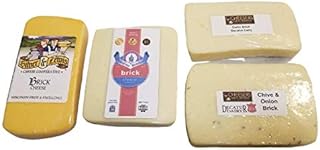


Fermentation Process: The type and amount of bacteria or mold used in fermentation affect the taste and aroma
The fermentation process is a critical component in cheese making that significantly influences the final product's taste and aroma. This process involves the use of specific bacteria or molds, which convert lactose in milk into lactic acid, leading to the characteristic tangy flavor of cheese. The type of bacteria or mold used, along with the quantity, plays a crucial role in determining the cheese's unique flavor profile.
For instance, the bacterium Lactobacillus bulgaricus is commonly used in the production of yogurt and some types of cheese, imparting a mild, slightly tangy flavor. In contrast, the mold Penicillium roqueforti is responsible for the strong, pungent aroma and flavor of blue cheeses like Roquefort and Gorgonzola. The amount of these microorganisms used can also affect the intensity of the flavors; a higher concentration typically results in a more pronounced taste and aroma.
The fermentation process is carefully controlled to ensure the desired flavor profile is achieved. Factors such as temperature, pH level, and the duration of fermentation are all critical in influencing the activity of the bacteria or mold. For example, a lower temperature may slow down the fermentation process, leading to a milder flavor, while a higher temperature can accelerate it, resulting in a stronger taste.
In addition to the type and amount of bacteria or mold, the specific strain used can also impact the cheese's flavor. Different strains of the same species can produce varying levels of certain compounds, such as esters and aldehydes, which contribute to the cheese's aroma and taste. This is why cheese makers often use specific strains that have been selected for their ability to produce the desired flavor characteristics.
Overall, the fermentation process is a complex and nuanced aspect of cheese making that requires careful consideration and control. By understanding the role of bacteria and mold in this process, cheese makers can manipulate the conditions to create a wide range of flavors and aromas, from mild and creamy to strong and pungent.
Discovering Authentic Cheese: A Guide to the Best Sources
You may want to see also
Explore related products




Aging and Storage: The duration and conditions of aging (temperature, humidity) develop complex flavors and textures
Cheese aging is a delicate process that significantly impacts the final flavor profile. The duration of aging can range from a few weeks to several years, depending on the type of cheese being produced. During this time, the cheese undergoes a series of biochemical reactions that contribute to the development of its unique flavors and textures.
Temperature and humidity play crucial roles in the aging process. For instance, hard cheeses like Parmesan are typically aged at higher temperatures (around 50-54°F or 10-12°C) and lower humidity levels (about 50-60%) to promote the formation of a firm texture and sharp flavor. In contrast, soft cheeses such as Brie are aged at cooler temperatures (around 45-48°F or 7-9°C) and higher humidity levels (about 80-90%) to maintain their creamy texture and mild flavor.
The aging environment also affects the cheese's flavor development. For example, cheeses aged in wooden barrels may acquire subtle notes of vanilla and oak, while those aged in caves can develop earthy and nutty flavors due to the presence of mold and bacteria in the air.
Another factor to consider is the turning and rubbing of the cheese during the aging process. This practice helps to distribute the moisture evenly throughout the cheese, preventing the formation of cracks and ensuring a consistent texture. Additionally, it allows the rind to develop properly, which can contribute to the overall flavor profile.
In conclusion, the aging and storage conditions of cheese are critical in determining its final flavor and texture. By carefully controlling factors such as temperature, humidity, and aging environment, cheesemakers can create a wide range of delicious and unique cheeses.
Unlocking the Secrets of Iridium Cheese in Stardew Valley
You may want to see also
Explore related products


Additives and Herbs: Ingredients like garlic, herbs, spices, or wine can be added to impart unique flavors
Cheese enthusiasts often marvel at the vast array of flavors available in the world of cheese. While the primary taste of cheese is determined by the milk source, aging process, and bacterial cultures used, additives and herbs play a crucial role in creating unique and complex flavor profiles. Ingredients like garlic, herbs, spices, and wine can be added to cheese during the production process to infuse it with distinct and aromatic qualities.
One popular method of flavoring cheese is through the use of herbs and spices. These can be incorporated into the cheese mixture during the curdling process or sprinkled on top of the cheese rind before aging. Herbs such as dill, chives, and parsley are commonly used to create fresh and zesty flavors, while spices like paprika, cumin, and black pepper add a touch of heat and earthiness. For example, a dill-infused cheese would have a bright, slightly sweet flavor that pairs well with fish and salads, while a pepper-spiced cheese would offer a bold, spicy kick that complements hearty meats and robust wines.
Garlic is another popular additive that can significantly enhance the flavor of cheese. It can be added to the cheese mixture in its raw, minced form, or as a powdered ingredient. Garlic-infused cheese is prized for its pungent, savory flavor that can elevate a variety of dishes, from pasta sauces to grilled meats. When using garlic, it's important to balance the amount added to avoid overpowering the other flavors in the cheese.
Wine is a more sophisticated additive that can impart a rich, complex flavor to cheese. It is typically added to the cheese mixture during the aging process, allowing the flavors to meld together over time. Wine-infused cheeses can range from fruity and floral to earthy and nutty, depending on the type of wine used. For instance, a cheese aged in red wine might have notes of dark fruit and tannins, while a cheese aged in white wine could exhibit flavors of green apple and citrus.
In addition to these common additives, cheese makers may also experiment with other ingredients to create unique flavor combinations. For example, some cheeses are made with beer, which can add a malty, hoppy character, while others are infused with truffle oil for a luxurious, earthy taste. The possibilities are endless, and the art of cheese making allows for endless creativity and innovation in flavor development.
When exploring the world of flavored cheeses, it's important to consider the quality and source of the additives used. High-quality, natural ingredients will result in a more authentic and enjoyable flavor experience. Additionally, understanding the flavor profiles of different additives can help cheese enthusiasts make informed choices when selecting cheeses for their culinary creations. By appreciating the role of additives and herbs in cheese making, one can gain a deeper understanding and appreciation for the diverse and delicious world of cheese.
Discovering the Best Spots to Buy Authentic Gruyère Cheese
You may want to see also
Explore related products


Production Region: Environmental factors and traditional methods specific to a region contribute to distinct cheese characteristics
Cheese production is deeply intertwined with the region in which it is made. Environmental factors such as climate, soil quality, and local flora significantly influence the characteristics of cheese. For instance, the high humidity and mild temperatures of regions like Normandy in France are ideal for the production of soft, bloomy cheeses like Camembert. The unique soil composition and the specific grasses that grow in these areas contribute to the distinct flavors and textures of the cheese.
Traditional methods specific to a region also play a crucial role in shaping cheese characteristics. These methods, often passed down through generations, include specific techniques for milk collection, curdling, aging, and storage. For example, in the Swiss Alps, the traditional method of making Gruyère involves using raw milk from cows that graze on high-altitude pastures. The cheese is then aged in caves, which provide a stable temperature and humidity level, contributing to its nutty and slightly sweet flavor profile.
In addition to environmental factors and traditional methods, the local culture and history of a region can also influence cheese production. Cheese-making traditions are often closely tied to the identity of a region, and local producers may use specific techniques or ingredients that reflect their cultural heritage. For instance, in Italy, the production of Parmigiano-Reggiano is regulated by strict guidelines that ensure the cheese is made using traditional methods and local ingredients. This not only preserves the unique characteristics of the cheese but also supports the local economy and culture.
Understanding the impact of production region on cheese characteristics can help consumers appreciate the diversity and complexity of different cheeses. It also highlights the importance of supporting local cheese producers, who often face challenges from industrialization and globalization. By choosing cheeses that are made using traditional methods and local ingredients, consumers can help preserve the unique flavors and cultural heritage of different regions.
Discovering the Best Spots to Buy Cotija Cheese: A Comprehensive Guide
You may want to see also
Frequently asked questions
Cheese acquires its various flavors through a combination of factors including the type of milk used, the bacterial cultures added during fermentation, the aging process, and any additional ingredients or treatments applied during production.
Bacterial cultures are essential in cheese making as they ferment the lactose in milk, producing lactic acid and other compounds that contribute to the cheese's flavor profile. Different cultures can impart unique flavors, ranging from mild and creamy to sharp and tangy.
The aging process allows cheese to develop more complex flavors as enzymes break down proteins and fats, creating new flavor compounds. The length of aging and the conditions under which the cheese is aged (such as temperature and humidity) can significantly influence the final flavor profile, resulting in anything from soft and mild to hard and pungent cheeses.