Patrick Oconnell
Vegan cheese, a plant-based alternative to traditional dairy cheese, has gained popularity among those following a vegan diet or seeking lactose-free options. One common question about vegan cheese is whether it melts like its dairy counterpart. The melting properties of vegan cheese can vary depending on the ingredients used, such as soy, almonds, or cashews, and the manufacturing process. Some vegan cheeses are specifically designed to melt well, mimicking the gooey texture of melted dairy cheese, while others may not melt as smoothly or at all. Factors like fat content, moisture levels, and the presence of melting agents like agar-agar or carrageenan can influence the melting behavior of vegan cheese.
Explore related products


What You'll Learn
- Ingredients in Vegan Cheese: Plant-based oils, nuts, seeds, soy, and tapioca starch are common ingredients
- Melting Properties: Vegan cheese melts due to the presence of oils and starches that soften when heated
- Types of Vegan Cheese: Some types, like those made from nuts or soy, melt better than others
- Uses in Cooking: Vegan cheese can be used in pizzas, sandwiches, and casseroles for a melty texture
- Comparison to Dairy Cheese: Vegan cheese melts differently due to its plant-based composition, offering a unique texture and flavor

Ingredients in Vegan Cheese: Plant-based oils, nuts, seeds, soy, and tapioca starch are common ingredients
Vegan cheese, a dairy-free alternative to traditional cheese, is crafted from a variety of plant-based ingredients. The most common components include plant-based oils, nuts, seeds, soy, and tapioca starch. These ingredients are chosen for their ability to mimic the texture, flavor, and melting properties of dairy cheese. Plant-based oils, such as coconut oil and canola oil, provide a creamy texture and help the cheese melt smoothly. Nuts and seeds, like almonds, cashews, and sunflower seeds, add a rich, nutty flavor and contribute to the cheese's firmness. Soy is often used for its protein content, which helps in creating a stretchy, meltable consistency. Tapioca starch, derived from the cassava plant, is a key ingredient for achieving the desired meltability and stretchiness in vegan cheese.
The combination of these ingredients allows vegan cheese to melt in a way that is similar to dairy cheese, making it a versatile option for various culinary applications. However, it's important to note that not all vegan cheeses are created equal, and the melting properties can vary depending on the specific blend of ingredients used. Some vegan cheeses may melt more smoothly than others, and the taste can also differ significantly between brands and types.
When choosing a vegan cheese for melting, it's best to look for products that are specifically designed for this purpose. These cheeses often contain a higher percentage of plant-based oils and tapioca starch, which enhance their melting capabilities. Additionally, some vegan cheeses may include other ingredients, such as nutritional yeast, to improve the flavor profile and mimic the savory taste of dairy cheese.
In conclusion, the ingredients in vegan cheese play a crucial role in determining its melting properties and overall taste. By understanding the common components used in vegan cheese production, consumers can make informed choices when selecting a product that best suits their culinary needs and preferences.
Unraveling the Science: Is Melting Cheese a Chemical Transformation?
You may want to see also
Explore related products


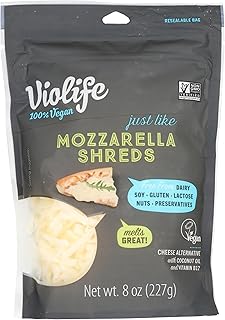
Melting Properties: Vegan cheese melts due to the presence of oils and starches that soften when heated
Vegan cheese melts primarily due to the presence of oils and starches that soften when heated. This process is fundamentally different from how dairy cheese melts, as vegan cheese does not contain the same proteins and fats found in animal-derived products. Instead, plant-based oils such as coconut oil, canola oil, or soy oil are used to mimic the melting properties of dairy fats. These oils have lower melting points, which allows vegan cheese to melt at a similar temperature to dairy cheese.
In addition to oils, starches play a crucial role in the melting process of vegan cheese. Starches, derived from plants like potatoes, corn, or tapioca, act as thickening agents and help to create a smooth, stretchy texture when heated. This combination of oils and starches allows vegan cheese to achieve a melt that is both visually and texturally similar to that of traditional dairy cheese.
The melting properties of vegan cheese can vary depending on the specific ingredients and manufacturing process used. Some vegan cheeses may melt more smoothly and evenly, while others may have a slightly grainy or uneven texture. This variation is due to the different types and proportions of oils and starches used, as well as other ingredients such as proteins from nuts, seeds, or legumes.
When using vegan cheese in cooking or baking, it is important to consider its melting properties. For example, some vegan cheeses may be better suited for applications where a smooth, even melt is desired, such as in grilled cheese sandwiches or macaroni and cheese. Others may be more appropriate for dishes where a slightly firmer texture is preferred, such as in salads or as a topping for pizzas.
Overall, the melting properties of vegan cheese are a result of the careful combination of plant-based oils and starches. This unique blend of ingredients allows vegan cheese to melt in a way that is both functional and appealing, making it a versatile and delicious alternative to dairy cheese for those following a plant-based diet.
The Melting Mystery: What Happens to Cheese Curds When Heated?
You may want to see also
Explore related products
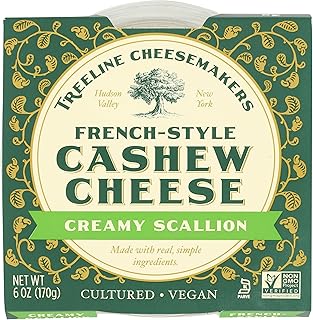


Types of Vegan Cheese: Some types, like those made from nuts or soy, melt better than others
Vegan cheese has come a long way in recent years, with a wide variety of options now available to consumers. One of the most common questions about vegan cheese is whether it melts, and the answer is not straightforward. Some types of vegan cheese melt exceptionally well, while others do not. The melting properties of vegan cheese largely depend on the ingredients used to make it.
Cheeses made from nuts, such as cashew or almond cheese, tend to have good melting properties. This is because nuts contain natural oils that help the cheese to melt smoothly when heated. Soy-based cheeses are another good option for melting, as they often contain added oils that enhance their meltability. These cheeses are popular choices for vegan pizza, grilled sandwiches, and other dishes where melted cheese is desired.
On the other hand, some types of vegan cheese do not melt as well. Cheeses made from coconut oil, for example, tend to have a higher melting point and may not melt as smoothly as nut- or soy-based cheeses. Similarly, cheeses made from rice or other grains may not have the same melting properties as those made from nuts or soy. It's important to note that even within the same category, different brands and varieties of vegan cheese may have different melting properties.
When choosing a vegan cheese for melting, it's best to look for products that are specifically labeled as "meltable" or "melting cheese." These products are typically formulated to have the best possible melting properties. Additionally, it's important to experiment with different types of vegan cheese to find the ones that work best for your particular needs and preferences.
In conclusion, while not all types of vegan cheese melt well, there are plenty of options available that do. By choosing the right type of vegan cheese and experimenting with different brands and varieties, you can enjoy delicious, melted vegan cheese in a variety of dishes.
Easy and Creamy: Melting Velveeta Cheese in a Crock Pot
You may want to see also
Explore related products


Uses in Cooking: Vegan cheese can be used in pizzas, sandwiches, and casseroles for a melty texture
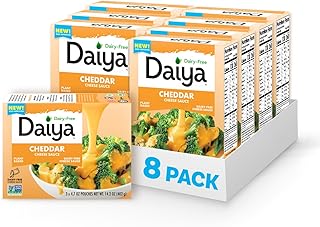
Vegan cheese has revolutionized the culinary world by offering a plant-based alternative that can mimic the melting properties of traditional dairy cheese. One of the most popular uses of vegan cheese is in pizzas, where it can achieve a gooey, stretchy texture that is reminiscent of mozzarella. To get the best results, it's important to choose a high-quality vegan mozzarella that is specifically designed for melting. Brands like Daiya and Follow Your Heart offer excellent options that can withstand high temperatures without burning or becoming too greasy.
In addition to pizzas, vegan cheese is also a great addition to sandwiches. Whether it's a grilled cheese or a panini, vegan cheese can provide a creamy, rich flavor that complements a variety of fillings. For a more indulgent experience, try using a vegan cheddar or American cheese, which tend to have a sharper flavor profile. When melting vegan cheese in a sandwich, it's important to use a non-stick pan or griddle to prevent sticking and to ensure even melting.
Casseroles are another dish where vegan cheese can shine. Its ability to melt and brown makes it an excellent topping for baked dishes like lasagna, mac and cheese, and shepherd's pie. When using vegan cheese in casseroles, it's important to consider the cooking time and temperature, as some vegan cheeses may melt more quickly than others. To achieve a perfectly golden-brown top, try broiling the casserole for a few minutes after baking.
One of the key benefits of using vegan cheese in cooking is its versatility. Unlike traditional dairy cheese, which can be limited by its melting point and texture, vegan cheese can be used in a wide range of dishes without compromising on flavor or performance. This makes it an excellent choice for vegans and non-vegans alike who are looking to experiment with new recipes and ingredients.
When shopping for vegan cheese, it's important to read the labels and choose products that are specifically designed for melting. Some vegan cheeses may not melt as well as others, and using the wrong type can result in a less-than-desirable texture. Additionally, be mindful of the ingredients used in vegan cheese, as some products may contain allergens or additives that may not be suitable for everyone.
In conclusion, vegan cheese is a versatile and delicious ingredient that can be used in a variety of dishes, from pizzas and sandwiches to casseroles and beyond. With the right product and cooking techniques, it can provide a melty, gooey texture that is sure to satisfy even the most discerning palate.
Discover the Best Spots to Purchase Land O'Lakes Extra Melt Cheese
You may want to see also
Explore related products


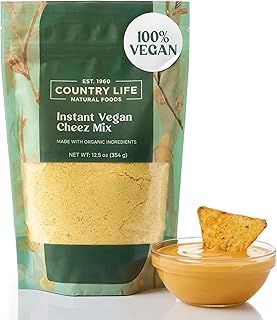
Comparison to Dairy Cheese: Vegan cheese melts differently due to its plant-based composition, offering a unique texture and flavor
Vegan cheese, due to its plant-based composition, exhibits distinct melting properties compared to dairy cheese. This difference is primarily attributed to the absence of casein, a protein found in dairy that plays a crucial role in the melting process. In dairy cheese, casein proteins denature and form a stretchy, gooey texture when heated. Vegan cheeses, on the other hand, rely on alternative proteins and fats derived from plants, which can result in a different mouthfeel and melting behavior.
One of the key aspects that sets vegan cheese apart is its texture. While some vegan cheeses are designed to mimic the stretchiness of dairy cheese, others may have a softer, creamier consistency or a firmer, more crumbly texture. This variety allows vegan cheese to cater to different culinary preferences and applications, from pizzas and sandwiches to salads and dips.
Flavor-wise, vegan cheese can offer a unique taste profile that differs from dairy cheese. Plant-based cheeses often incorporate a blend of ingredients such as nuts, seeds, and soy, which can impart a nutty, earthy, or slightly tangy flavor. Additionally, vegan cheeses may be fortified with vitamins and minerals, such as vitamin B12 and calcium, to enhance their nutritional value.
When comparing vegan cheese to dairy cheese, it's essential to consider the specific type of vegan cheese, as the melting properties and flavor can vary significantly between brands and varieties. Some vegan cheeses are specifically formulated to melt well, while others may be better suited for grating or crumbling. Experimenting with different types of vegan cheese can help individuals find the perfect match for their taste preferences and culinary needs.
In conclusion, vegan cheese melts differently than dairy cheese due to its plant-based composition, offering a unique texture and flavor. This difference presents an opportunity for culinary exploration and innovation, as vegan cheese can be used in a variety of ways to enhance and diversify plant-based diets.
The Melting Mystery: Unveiling Boursin Cheese's Perfect Melt
You may want to see also
Frequently asked questions
Vegan cheese can melt, but it often doesn't melt as smoothly or uniformly as regular cheese due to the different ingredients used. Some vegan cheeses are specifically designed to melt better than others.
Vegan cheeses made from nuts, such as cashew or almond cheese, and those made from soy tend to melt better than those made from coconut oil or other plant-based fats.
To improve the melting quality of vegan cheese, you can try using a cheese alternative specifically designed for melting, or you can add a small amount of vegan butter or oil to help it melt more smoothly.
Yes, melted vegan cheese is safe for lactose intolerant individuals as it does not contain lactose. However, it's always important to check the ingredients to ensure there are no other allergens present.