Kamil Perry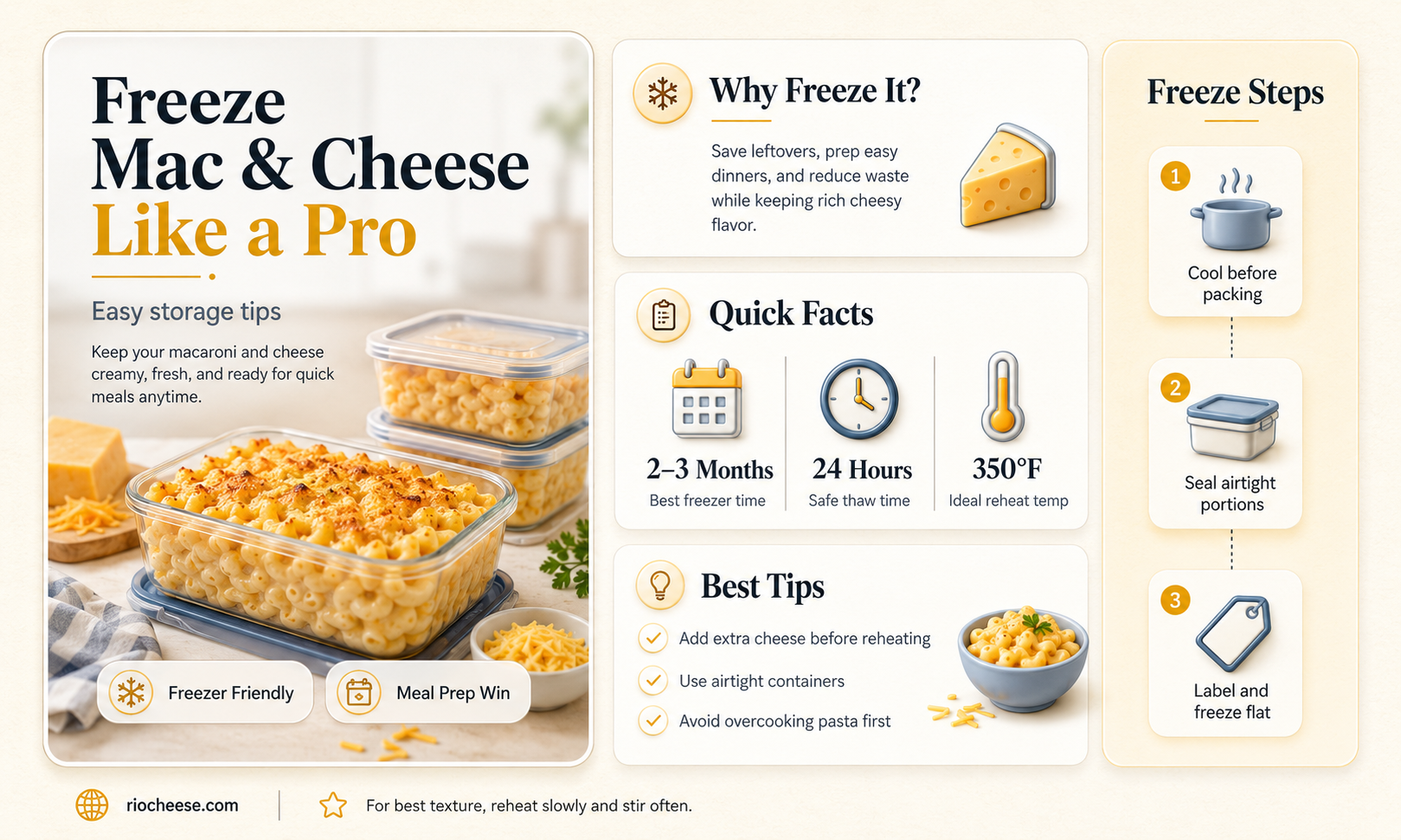
Macaroni and cheese is a beloved comfort food, but when it comes to freezing, there are some important considerations to keep in mind. While it is possible to freeze macaroni and cheese, the process can affect its texture and flavor. The pasta may become mushy or absorb too much moisture, and the cheese sauce can separate or lose its creamy consistency. However, with the right techniques and precautions, you can successfully freeze macaroni and cheese and enjoy it at a later time. In this article, we'll explore the best methods for freezing and reheating macaroni and cheese, as well as some tips for maintaining its quality and taste.
Explore related products



What You'll Learn
- Freezing Methods: Best techniques for freezing macaroni and cheese to maintain quality and texture
- Thawing Instructions: Safest and quickest ways to thaw frozen macaroni and cheese without compromising taste
- Storage Tips: Optimal containers and storage conditions to keep macaroni and cheese fresh in the freezer
- Reheating Options: Various methods to reheat frozen macaroni and cheese, including oven, stove, and microwave
- Freezer-Friendly Recipes: Variations of macaroni and cheese recipes that are specifically designed for freezing and reheating

Freezing Methods: Best techniques for freezing macaroni and cheese to maintain quality and texture
To maintain the quality and texture of macaroni and cheese when freezing, it's crucial to follow specific techniques. One effective method is to cool the macaroni and cheese rapidly before freezing. This can be achieved by spreading it out on a baking sheet and placing it in the refrigerator for about 30 minutes. Rapid cooling helps prevent the formation of ice crystals, which can alter the texture.
Another technique is to add a stabilizer to the macaroni and cheese before freezing. Ingredients like heavy cream or sour cream can help maintain the creamy texture and prevent separation. It's also advisable to mix in some grated cheese, as this will help the dish retain its flavor and structure when reheated.
When freezing macaroni and cheese, it's important to use airtight containers or freezer bags to prevent freezer burn. Label the containers with the date, so you can keep track of how long the macaroni and cheese has been stored. For best results, consume the frozen macaroni and cheese within 3-4 months.
Thawing the macaroni and cheese properly is also key to maintaining its quality. The safest method is to thaw it in the refrigerator overnight. If you're short on time, you can thaw it in the microwave, but be sure to stir it frequently to ensure even heating. Reheating the macaroni and cheese in a saucepan over low heat, stirring occasionally, will help restore its creamy texture.
In summary, by following these freezing methods and techniques, you can maintain the quality and texture of your macaroni and cheese, ensuring it remains a delicious and satisfying meal even after being frozen and reheated.
Kraft's Macaroni and Cheese Recipe: A Change in Flavor?
You may want to see also
Explore related products


Thawing Instructions: Safest and quickest ways to thaw frozen macaroni and cheese without compromising taste
To thaw frozen macaroni and cheese safely and quickly without compromising its taste, it's essential to use the right methods. One of the most effective ways is to thaw it in the refrigerator overnight. This method ensures that the macaroni and cheese thaws at a consistent, safe temperature, preventing any potential bacterial growth. Simply transfer the frozen macaroni and cheese from the freezer to the refrigerator and let it sit for about 8-12 hours. Once thawed, you can reheat it in the microwave or on the stovetop as desired.
Another quick method is to use the microwave, but this requires careful monitoring to avoid overheating or drying out the macaroni and cheese. Place the frozen macaroni and cheese in a microwave-safe dish and cover it with a microwave-safe lid or plastic wrap, leaving a small vent for steam to escape. Microwave on the defrost setting for about 5-7 minutes, checking every 2 minutes to ensure even thawing. After thawing, let it stand for a minute before reheating it fully in the microwave or on the stovetop.
If you're in a hurry, you can also thaw macaroni and cheese by placing it in a sealed plastic bag and submerging it in cold water. This method speeds up the thawing process significantly. Make sure the bag is tightly sealed to prevent water from entering and changing the texture of the macaroni and cheese. Submerge the bag in cold water and change the water every 30 minutes to maintain a consistent temperature. This method can thaw the macaroni and cheese in about 30 minutes to an hour, depending on the size of the portion.
It's important to note that once thawed, macaroni and cheese should be reheated to an internal temperature of at least 165°F (74°C) to ensure food safety. Always use a food thermometer to check the temperature before consuming. Additionally, avoid refreezing thawed macaroni and cheese, as this can lead to a loss of quality and potential food safety issues.
In summary, the safest and quickest ways to thaw frozen macaroni and cheese without compromising taste include thawing in the refrigerator overnight, using the microwave with careful monitoring, or employing the cold water method for rapid thawing. Each method has its advantages and should be chosen based on your specific needs and time constraints.
Exploring the Vegetarian Status of Kraft Macaroni and Cheese
You may want to see also
Explore related products





Storage Tips: Optimal containers and storage conditions to keep macaroni and cheese fresh in the freezer
To ensure your macaroni and cheese remains fresh and delicious when frozen, it's crucial to use the right containers. Opt for airtight, freezer-safe containers that are specifically designed to prevent freezer burn and maintain the quality of the food. Glass or heavy-duty plastic containers with tight-fitting lids are excellent choices. Avoid using metal containers, as they can react with the acidic ingredients in the macaroni and cheese, leading to an unpleasant taste.
Before freezing, allow the macaroni and cheese to cool completely to room temperature. This step is essential to prevent the formation of ice crystals, which can damage the texture of the pasta and cheese sauce. Once cooled, transfer the macaroni and cheese to your chosen containers, leaving about an inch of space at the top to allow for expansion during freezing.
Label the containers with the date of preparation, as well as the contents, to ensure you can easily identify them in the freezer. It's also a good idea to portion the macaroni and cheese into individual servings, making it easier to thaw and reheat only what you need.
When it comes to storage conditions, aim to keep the macaroni and cheese at a consistent freezer temperature of 0°F (-18°C) or below. Fluctuations in temperature can cause the food to thaw and refreeze, leading to a loss of quality. Store the containers in the coldest part of the freezer, away from the door, to minimize the risk of temperature changes.
Finally, it's important to note that while macaroni and cheese can be stored in the freezer for up to 3-4 months, its quality may start to decline after about 2 months. For the best results, try to consume the frozen macaroni and cheese within this timeframe. When you're ready to reheat, thaw the macaroni and cheese in the refrigerator overnight, then reheat it in the oven or on the stovetop until it's hot and bubbly.
Debunking the Myth: Macaroni and Cheese as a Vegetable?
You may want to see also
Explore related products
![Goodles Cheddy Mac Creamy Cheddar and Macaroni Pasta - Nutrient Packed with Real Cheese, Fiber, Protein, Prebiotics, Plants, & Vegetables | Non-GMO, Organic Ingredients [Cheddy Mac, 6 oz. 1 Pack]](https://m.media-amazon.com/images/I/71WpxmocD7L._AC_UL320_.jpg)


Reheating Options: Various methods to reheat frozen macaroni and cheese, including oven, stove, and microwave
To reheat frozen macaroni and cheese effectively, it's essential to consider the method that best preserves its texture and flavor. The oven, stove, and microwave each offer unique advantages and require specific techniques to achieve optimal results.
Oven reheating is ideal for restoring the crispy top layer that often forms when macaroni and cheese is initially baked. Preheat your oven to 350°F (175°C) and transfer the frozen macaroni and cheese to an oven-safe dish. Cover the dish with aluminum foil to prevent the top from burning before the rest of the dish is heated through. Place the dish in the oven and let it reheat for approximately 20-25 minutes, or until the internal temperature reaches 165°F (74°C). Remove the foil during the last 5 minutes to allow the top to crisp up.
Stove reheating is a good option if you want to add some extra flavor or ingredients to your macaroni and cheese. Place the frozen macaroni and cheese in a saucepan over low heat. Add a splash of milk or cream to help loosen the mixture and prevent it from sticking to the pan. Stir occasionally until the macaroni and cheese is heated through, which should take about 10-15 minutes. Be careful not to overheat, as this can cause the mixture to thicken and lose its creamy texture.
Microwave reheating is the quickest method, but it can sometimes result in a less desirable texture. Place the frozen macaroni and cheese in a microwave-safe dish and cover it with a microwave-safe lid or plastic wrap, leaving a small vent for steam to escape. Microwave on high for 2-3 minutes, or until the macaroni and cheese is heated through. Be cautious when removing the dish from the microwave, as it can be very hot. Stir the macaroni and cheese to redistribute the heat and let it sit for a minute before serving.
Each reheating method has its pros and cons, and the best choice depends on your personal preferences and the equipment available. Regardless of the method you choose, it's important to monitor the reheating process closely to ensure that your macaroni and cheese is heated evenly and doesn't lose its creamy, comforting texture.
Quick and Creamy: Perfecting Kraft Mac and Cheese in the Microwave
You may want to see also
Explore related products


Freezer-Friendly Recipes: Variations of macaroni and cheese recipes that are specifically designed for freezing and reheating
One of the most effective ways to ensure macaroni and cheese freezes well is to prepare it with freeze-friendly ingredients and techniques. For instance, using a roux-based cheese sauce rather than a bechamel can help prevent the sauce from separating when reheated. Additionally, incorporating stabilizers like cornstarch or flour can help maintain the sauce's consistency. When it comes to the pasta, it's best to use a type that holds up well to freezing and reheating, such as elbow macaroni or penne.
Before freezing, it's crucial to cool the macaroni and cheese thoroughly to prevent the formation of ice crystals, which can affect the texture. Portion the cooled macaroni and cheese into airtight containers or freezer bags, making sure to remove as much air as possible before sealing. Label the containers with the date and contents, and store them in the freezer for up to three months.
When you're ready to reheat the macaroni and cheese, transfer the frozen portion to a microwave-safe dish or a saucepan. If using a microwave, cover the dish with a microwave-safe lid or plastic wrap, leaving a small vent for steam to escape. Microwave on high for 2-3 minutes, or until the macaroni and cheese is heated through. If using a saucepan, add a splash of milk or cream to help loosen the sauce, and heat over medium heat, stirring occasionally, until the macaroni and cheese is heated through.
For an extra layer of convenience, you can also prepare individual servings of macaroni and cheese in muffin tins or small ramekins. This allows for easy portioning and reheating, making it a great option for busy weeknights or meal prep. Simply follow the same freezing and reheating instructions as above, adjusting the cooking time as needed for the smaller portions.
In conclusion, with the right ingredients, techniques, and storage methods, macaroni and cheese can freeze and reheat beautifully, providing a convenient and delicious meal option. By following these freezer-friendly tips, you can enjoy your favorite comfort food anytime, without sacrificing taste or texture.
Culver's Menu Mystery: Macaroni and Cheese Edition
You may want to see also
Frequently asked questions
Yes, macaroni and cheese can be frozen, but the texture and flavor may change slightly upon thawing. It's best to freeze it in an airtight container for up to three months.
To reheat frozen macaroni and cheese, you can either microwave it or bake it in the oven. If microwaving, cover it with a microwave-safe lid or plastic wrap and heat on medium power for 5-7 minutes, stirring occasionally. If baking, preheat the oven to 350°F (175°C), cover the dish with aluminum foil, and bake for 30-40 minutes, or until heated through.
To maintain the quality of macaroni and cheese when freezing, consider the following tips:
- Cool the macaroni and cheese completely before freezing to prevent ice crystals from forming.
- Use a shallow container to freeze the macaroni and cheese, as this will help it freeze more evenly and quickly.
- Label the container with the date and contents for easy identification.
- When thawing, do so in the refrigerator overnight to allow it to thaw slowly and evenly.