 Kamil Perry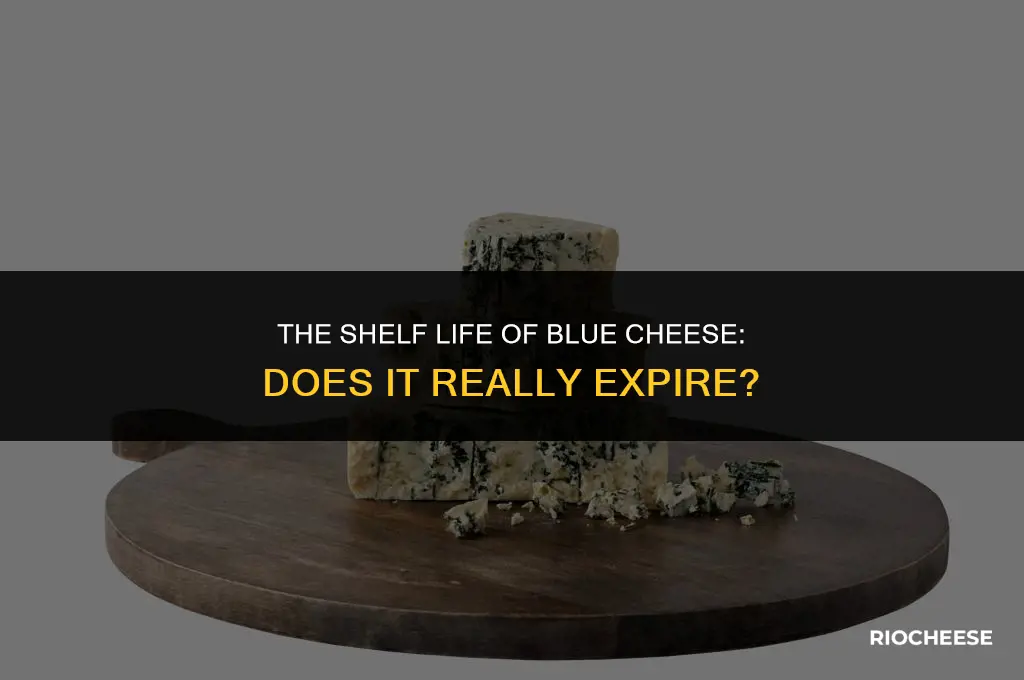
Blue cheese, known for its distinctive pungent smell and sharp flavor, is a type of cheese that undergoes a natural aging process. This process involves the growth of mold cultures, which contribute to its unique characteristics. However, this also raises the question of whether blue cheese can expire. The answer is yes, blue cheese can expire, but its shelf life is generally longer than other types of cheese due to the mold cultures that inhibit the growth of harmful bacteria. Proper storage is crucial to maintain its quality and safety. Blue cheese should be stored in the refrigerator, tightly wrapped to prevent it from drying out or absorbing odors from other foods. If stored correctly, blue cheese can last for several weeks to a few months past its sell-by date. It's important to note that while the mold in blue cheese is safe to eat, other molds that may grow on cheese can be harmful, so it's always best to inspect the cheese before consuming it.
Explore related products


What You'll Learn
- Storage Conditions: Proper storage methods to extend blue cheese shelf life, including temperature and humidity recommendations
- Signs of Spoilage: Indicators that blue cheese has expired, such as mold growth, odor changes, or texture alterations
- Shelf Life: Typical expiration periods for blue cheese, varying by type and packaging
- Health Risks: Potential health hazards associated with consuming expired blue cheese, including foodborne illnesses
- Usage Tips: Suggestions for using blue cheese before it expires, like incorporating it into recipes or freezing for later use

Storage Conditions: Proper storage methods to extend blue cheese shelf life, including temperature and humidity recommendations
Proper storage is crucial to extending the shelf life of blue cheese and maintaining its quality. The ideal temperature for storing blue cheese is between 35°F and 38°F (1.6°C and 3.3°C). This temperature range slows down the aging process and prevents the cheese from becoming too soft or developing off-flavors. It's important to note that blue cheese should not be stored in the refrigerator door, as the temperature in this area can fluctuate significantly, leading to inconsistent aging and potential spoilage.
Humidity also plays a key role in blue cheese storage. The recommended humidity level is between 70% and 80%. This level of humidity helps to prevent the cheese from drying out and cracking, while also inhibiting the growth of unwanted mold. To maintain the proper humidity, blue cheese can be wrapped in wax paper or aluminum foil, which allows for some air circulation while still retaining moisture. Alternatively, the cheese can be stored in a humidity-controlled drawer or container.
In addition to temperature and humidity, it's important to store blue cheese away from strong odors and flavors, as it can easily absorb these from its surroundings. This means avoiding storage near items like onions, garlic, or fish. Blue cheese should also be kept away from direct sunlight, as exposure to UV light can cause the cheese to deteriorate more quickly.
When it comes to storage duration, blue cheese can typically be stored for up to 6 months if properly wrapped and stored under the right conditions. However, it's important to regularly inspect the cheese for any signs of spoilage, such as mold, sliminess, or an off smell. If any of these signs are present, the cheese should be discarded immediately.
In summary, to extend the shelf life of blue cheese, it should be stored at a temperature between 35°F and 38°F, with a humidity level of 70% to 80%. It should be kept away from strong odors, direct sunlight, and fluctuations in temperature. Regular inspection for signs of spoilage is also crucial to ensure the cheese remains safe to eat.
The Melting Enigma: Unraveling the Mystery of Blue Cheese
You may want to see also
Explore related products


Signs of Spoilage: Indicators that blue cheese has expired, such as mold growth, odor changes, or texture alterations
Blue cheese, known for its distinctive pungent smell and veined appearance, can indeed expire. While it's a type of cheese that is intentionally aged with mold cultures, there are signs of spoilage that indicate it has gone beyond its prime consumption period. One of the primary indicators is an unusual change in odor. Typically, blue cheese has a strong, sharp smell, but if it begins to emit an off-putting, sour, or ammonia-like odor, it's a clear sign that the cheese has spoiled.
Another indicator is the presence of mold growth outside of the characteristic blue veins. If you notice green, black, or white mold on the surface of the cheese, it's a sign that the cheese has been contaminated with unwanted bacteria or fungi. This mold can spread quickly, compromising the quality and safety of the cheese.
Texture alterations are also a key sign of spoilage. Fresh blue cheese should have a crumbly yet moist texture. If the cheese becomes excessively dry, hard, or slimy, it's an indication that it has expired. Sliminess, in particular, is a sign of bacterial overgrowth, which can produce harmful toxins.
In terms of timeframe, blue cheese typically lasts for about 3 to 4 weeks when stored properly in the refrigerator. However, this can vary depending on the specific type of blue cheese and storage conditions. It's crucial to check the cheese regularly for any signs of spoilage, especially after it has been opened and exposed to air.
To prevent spoilage, it's important to store blue cheese in a cool, dry place, preferably in the crisper drawer of the refrigerator. Wrapping it tightly in plastic wrap or aluminum foil can help to maintain its freshness and prevent unwanted mold growth. Additionally, it's best to consume blue cheese within a few weeks of purchase to ensure optimal quality and flavor.
In summary, while blue cheese is a durable and flavorful variety, it's not immune to spoilage. By being aware of the signs of expiration, such as changes in odor, mold growth, and texture alterations, you can ensure that you consume blue cheese at its best and avoid potential health risks associated with spoiled food.
Exploring Dairy Alternatives: Is Blue Cheese Lactose-Free?
You may want to see also
Explore related products



Shelf Life: Typical expiration periods for blue cheese, varying by type and packaging
Blue cheese, known for its distinctive pungent aroma and sharp flavor, has a shelf life that can vary significantly based on several factors. Typically, blue cheese can last anywhere from 3 to 8 weeks when stored properly in the refrigerator. However, this timeframe can be influenced by the specific type of blue cheese, as well as the packaging and storage conditions.
For instance, a wedge of blue cheese that is still in its original rind and has not been cut into will generally last longer than a pre-crumbled or pre-sliced variety. This is because the rind acts as a natural barrier against air and contaminants, helping to preserve the cheese's freshness. Additionally, blue cheeses that are aged for a longer period before being sold, such as Gorgonzola or Roquefort, may have a shorter shelf life once opened compared to milder varieties like Stilton or Danish blue cheese.
Packaging also plays a crucial role in determining the shelf life of blue cheese. Vacuum-sealed or tightly wrapped cheese will last longer than cheese that is loosely wrapped or exposed to air. Once opened, it is important to rewrap the cheese tightly in plastic wrap or aluminum foil to prevent it from drying out or absorbing odors from other foods in the refrigerator.
Proper storage is essential to maximizing the shelf life of blue cheese. It should be stored in the coldest part of the refrigerator, ideally in a crisper drawer where the humidity can be controlled. Blue cheese should not be stored near strong-smelling foods, as it can easily absorb these odors. Additionally, it is important to check the cheese regularly for signs of spoilage, such as mold that is not part of the original blue veining, an off smell, or a slimy texture.
In conclusion, while blue cheese does have a finite shelf life, there are several steps that can be taken to extend its freshness. By understanding the factors that influence its shelf life and following proper storage guidelines, blue cheese enthusiasts can enjoy their favorite varieties for an extended period.
The Perfect Pairing: Blue Cheese and Buffalo Wings Explained
You may want to see also
Explore related products


Health Risks: Potential health hazards associated with consuming expired blue cheese, including foodborne illnesses
Consuming expired blue cheese can pose several health risks, primarily due to the potential growth of harmful bacteria and molds. One of the most significant concerns is the risk of foodborne illnesses, which can occur when bacteria such as Salmonella, Listeria, or E. coli contaminate the cheese. These bacteria can cause symptoms ranging from mild gastrointestinal discomfort to severe illness, and in some cases, can even be life-threatening, particularly for vulnerable populations such as the elderly, young children, and individuals with weakened immune systems.
In addition to bacterial contamination, expired blue cheese may also develop harmful molds that can produce mycotoxins. These toxins can cause a range of health issues, including allergic reactions, respiratory problems, and in severe cases, organ damage. It is important to note that not all molds are harmful, but distinguishing between safe and dangerous molds can be challenging without proper testing.
The risk of foodborne illness from expired blue cheese is heightened by the fact that the cheese is often stored at room temperature, which can facilitate the growth of bacteria and molds. Furthermore, the strong flavor and aroma of blue cheese can mask the signs of spoilage, making it difficult for consumers to detect when the cheese has gone bad.
To minimize the risk of foodborne illness, it is crucial to follow proper storage guidelines for blue cheese. This includes storing the cheese in the refrigerator at a temperature below 40°F (4°C), wrapping it tightly to prevent exposure to air and contaminants, and consuming it within a reasonable timeframe. It is also important to inspect the cheese regularly for signs of spoilage, such as changes in color, texture, or odor, and to discard any cheese that appears to be expired or contaminated.
In conclusion, while blue cheese can be a delicious and nutritious addition to a balanced diet, it is essential to be aware of the potential health risks associated with consuming expired cheese. By following proper storage guidelines and being vigilant for signs of spoilage, consumers can enjoy blue cheese safely and minimize the risk of foodborne illnesses.
The Great Debate: Stilton's Place in the Blue Cheese Family
You may want to see also
Explore related products


Usage Tips: Suggestions for using blue cheese before it expires, like incorporating it into recipes or freezing for later use
Blue cheese, with its distinctive pungent flavor and creamy texture, is a versatile ingredient that can be used in a variety of dishes before it expires. One effective way to utilize blue cheese is to incorporate it into recipes that benefit from its strong flavor profile. For instance, you can crumble it over salads for a tangy dressing alternative, mix it into pasta dishes for a rich and savory sauce, or use it as a topping for baked potatoes or grilled meats. Additionally, blue cheese can be blended into dips and spreads, providing a bold and creamy element that pairs well with crackers, vegetables, or fruits.
Another practical tip for using blue cheese before it expires is to freeze it for later use. Freezing blue cheese can help preserve its flavor and texture, allowing you to enjoy it even after its expiration date. To freeze blue cheese, simply wrap it tightly in plastic wrap or aluminum foil and place it in a freezer-safe bag or container. When you're ready to use it, thaw it in the refrigerator overnight or at room temperature for a few hours. Keep in mind that the texture of blue cheese may change slightly after freezing, becoming a bit crumbly, but its flavor will remain intact.
Furthermore, blue cheese can be used to make delicious and unique desserts. Yes, you read that right – desserts! Blue cheese pairs surprisingly well with sweet ingredients, creating a delightful contrast of flavors. You can use it to make blue cheese ice cream, blue cheese cheesecake, or even blue cheese cookies. These desserts are not only a creative way to use up expiring blue cheese but also a conversation starter at any dinner party or gathering.
In addition to these usage tips, it's important to note that proper storage can also help extend the shelf life of blue cheese. To keep blue cheese fresh, store it in the refrigerator, preferably in the crisper drawer, where the humidity is higher. Make sure to wrap it tightly to prevent it from drying out or absorbing odors from other foods. By following these storage and usage tips, you can make the most of your blue cheese before it expires, reducing food waste and enjoying its unique flavor in a variety of dishes.
Exploring the Bold Flavors: Cheeses That Rival Blue Cheese
You may want to see also
Frequently asked questions
Yes, blue cheese does expire. Like all perishable foods, it has a limited shelf life and should be consumed before the expiration date to ensure safety and quality.
Blue cheese that has expired may show signs such as an off smell, slimy texture, or mold growth that is not part of the cheese's natural veining. If in doubt, it's best to err on the side of caution and discard the cheese.
Consuming expired blue cheese can lead to foodborne illness, as harmful bacteria may have grown on the cheese. Symptoms can include nausea, vomiting, diarrhea, and stomach cramps. It's important to always check the expiration date and store cheese properly to minimize the risk of foodborne illness.


