Randy Chandler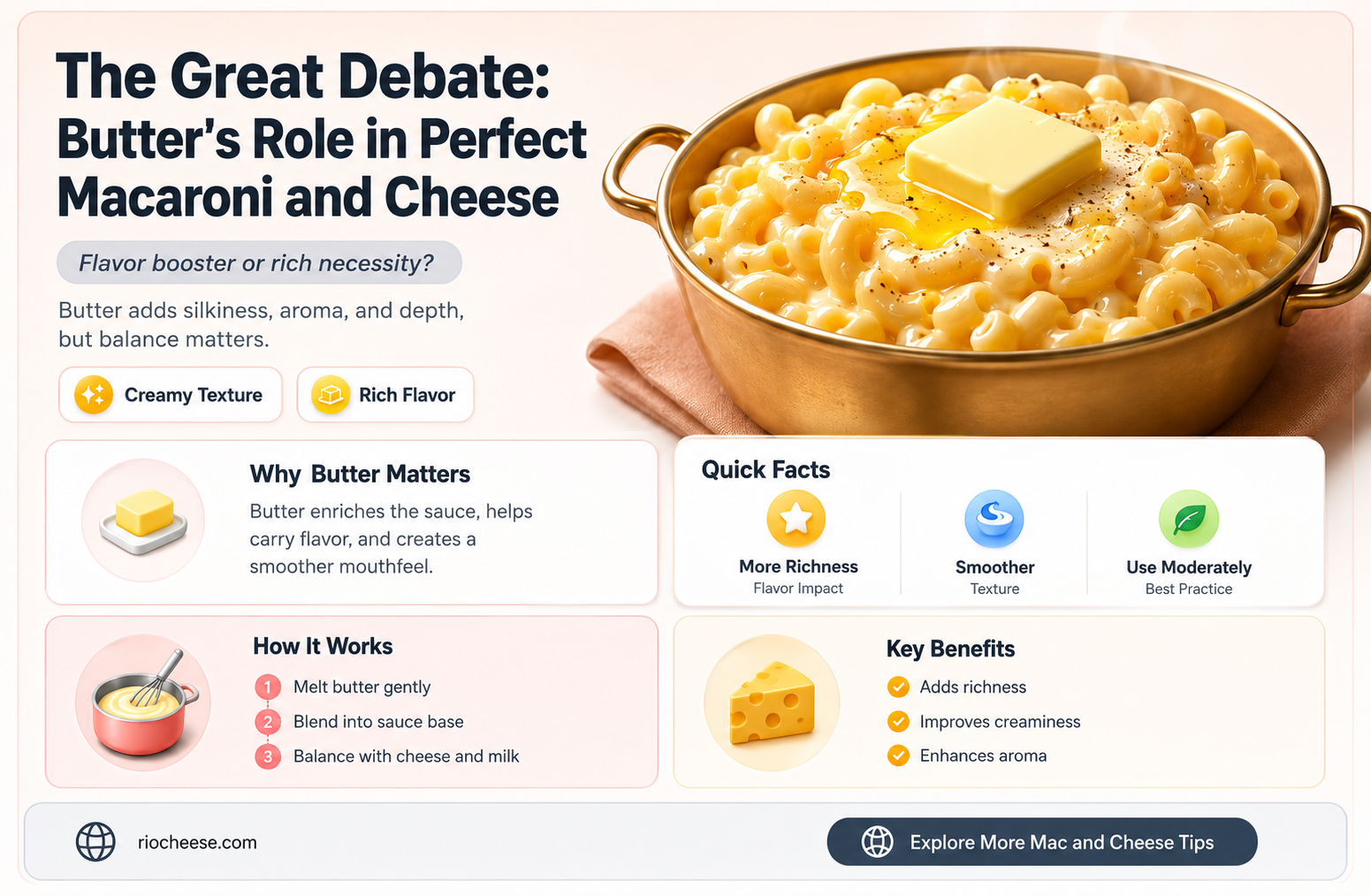
Macaroni and cheese is a beloved comfort food that has sparked numerous culinary debates, one of which centers around the inclusion of butter. While traditional recipes often call for butter to enhance the richness and flavor of the dish, modern variations and health-conscious adaptations may omit it or substitute it with other ingredients. The question of whether or not to include butter in macaroni and cheese ultimately comes down to personal preference and dietary considerations. Some argue that butter adds a luxurious texture and depth of flavor that is irreplaceable, while others contend that it can be omitted without sacrificing taste. In this discussion, we'll explore the different perspectives on this contentious issue and delve into the culinary science behind the role of butter in macaroni and cheese.
Explore related products


What You'll Learn
- Traditional Recipes: Explore classic mac and cheese recipes, their ingredients, and cooking methods
- Butter's Role: Understand the purpose of butter in enhancing flavor and texture
- Health Considerations: Discuss the nutritional implications of adding butter to macaroni and cheese
- Alternative Ingredients: Suggest substitutes for butter to accommodate dietary restrictions or preferences
- Culinary Variations: Examine regional or gourmet twists on mac and cheese that incorporate or exclude butter

Traditional Recipes: Explore classic mac and cheese recipes, their ingredients, and cooking methods
Traditional macaroni and cheese recipes often call for butter as a key ingredient. The butter serves multiple purposes: it adds richness and flavor to the dish, helps to create a smooth and creamy cheese sauce, and can also be used to coat the pasta before adding the cheese mixture. In many classic recipes, butter is melted in a saucepan before flour is added to create a roux, which is then combined with milk and cheese to form the sauce. Some variations may call for butter to be added directly to the pasta along with the cheese, or used as a topping before baking the dish.
One popular traditional recipe for macaroni and cheese includes the following ingredients: 8 ounces of elbow macaroni, 4 tablespoons of unsalted butter, 1/4 cup of all-purpose flour, 1 teaspoon of salt, 1/4 teaspoon of black pepper, 2 cups of whole milk, and 2 cups of shredded cheddar cheese. To prepare this dish, the macaroni is boiled until al dente, then drained and set aside. In a separate saucepan, the butter is melted over medium heat, and the flour, salt, and pepper are whisked in to create a roux. The milk is gradually added, whisking constantly until the mixture thickens. Finally, the shredded cheese is added and stirred until melted and smooth. The cooked macaroni is then combined with the cheese sauce and served hot.
While butter is a common ingredient in traditional macaroni and cheese recipes, there are some variations that omit it or use alternative ingredients. For example, some recipes may call for oil or margarine instead of butter, or use a combination of butter and cream cheese for added richness. Additionally, some modern adaptations of the dish may incorporate different types of cheese, such as Gruyère or mozzarella, or add extra ingredients like bacon, jalapeños, or breadcrumbs for added texture and flavor.
In conclusion, traditional macaroni and cheese recipes often include butter as a key ingredient, but there are many variations and adaptations of the dish that may omit it or use alternative ingredients. Whether or not to include butter in macaroni and cheese ultimately comes down to personal preference and the specific recipe being used.
Cheesy Toppings: The Great Shepherd's Pie Debate
You may want to see also
Explore related products


Butter's Role: Understand the purpose of butter in enhancing flavor and texture
Butter plays a crucial role in enhancing the flavor and texture of macaroni and cheese. Its rich, creamy taste adds depth to the dish, complementing the sharpness of the cheese and the mildness of the pasta. When melted, butter creates a smooth, velvety sauce that coats the macaroni evenly, preventing the cheese from becoming too thick or clumpy. Additionally, butter's fat content helps to balance the starchiness of the pasta, resulting in a more satisfying mouthfeel.
In terms of texture, butter contributes to the overall richness and creaminess of macaroni and cheese. As it melts, it creates a luxurious sauce that envelops the pasta, making each bite feel indulgent and comforting. The fat in butter also helps to tenderize the pasta slightly, ensuring that it's not too firm or chewy. Furthermore, butter's emulsifying properties help to blend the cheese and pasta together seamlessly, creating a harmonious and cohesive dish.
When incorporating butter into macaroni and cheese, it's essential to use the right amount to achieve the desired flavor and texture. Too little butter may result in a dry, bland dish, while too much can make it overly greasy and heavy. A general rule of thumb is to use about 2-3 tablespoons of butter for every cup of pasta. This amount provides enough richness and flavor without overpowering the other ingredients.
In conclusion, butter is a key ingredient in macaroni and cheese, enhancing both its flavor and texture. By understanding the purpose of butter in this dish, you can create a more delicious and satisfying meal. Remember to use the right amount of butter and to melt it properly to achieve the best results. With these tips in mind, you'll be well on your way to making the perfect macaroni and cheese.
The Great Mac and Cheese Debate: Milk or No Milk?
You may want to see also
Explore related products


Health Considerations: Discuss the nutritional implications of adding butter to macaroni and cheese
Adding butter to macaroni and cheese can significantly enhance its flavor and texture, but it also has nutritional implications that should be considered. From a health perspective, butter is high in saturated fats, which can contribute to increased cholesterol levels when consumed in excess. This is particularly important for individuals who are already managing high cholesterol or heart disease.
On the other hand, butter also contains some essential nutrients, such as vitamins A, D, E, and K, as well as small amounts of minerals like calcium and phosphorus. These nutrients are important for various bodily functions, including bone health and immune system support. However, the amounts of these nutrients in butter are relatively small compared to other sources, and the potential benefits may not outweigh the risks associated with its high saturated fat content.
When considering the nutritional implications of adding butter to macaroni and cheese, it's also important to think about the overall dietary context. If the dish is part of a balanced meal that includes plenty of vegetables, lean proteins, and whole grains, the addition of a small amount of butter may not have a significant negative impact on overall health. However, if the dish is consumed as part of a diet that is already high in saturated fats and low in nutrient-dense foods, the addition of butter could exacerbate existing health risks.
In terms of portion control, it's important to be mindful of how much butter is being added to the dish. A small amount, such as a tablespoon or two, may not significantly impact the nutritional profile of the meal. However, larger amounts can quickly increase the calorie and saturated fat content, making the dish less healthy overall.
Ultimately, the decision to add butter to macaroni and cheese should be made with consideration of individual health needs and dietary goals. For those who are looking to reduce their saturated fat intake or manage specific health conditions, there may be healthier alternatives to butter that can still enhance the flavor of the dish. For others, the addition of a small amount of butter may be a reasonable indulgence as part of a balanced diet.
Ricotta's Role in Lasagna: A Cheesy Debate Uncovered
You may want to see also
Explore related products


![Mac Yourself | Delicious Cheddar Cheese Sauce Mix | Perfect Cheese Powder for Macaroni, Nachos, Veggies and More | 9.3 oz [Pack of 2]](https://m.media-amazon.com/images/I/71YXa4qvdAL._AC_UL320_.jpg)


Alternative Ingredients: Suggest substitutes for butter to accommodate dietary restrictions or preferences
For those looking to make macaroni and cheese without butter due to dietary restrictions or preferences, there are several alternative ingredients that can be used to achieve a similar creamy texture and rich flavor. One popular substitute is olive oil, which can be used in a 1:1 ratio to replace butter in most recipes. Olive oil adds a subtle fruity flavor to the dish and is a heart-healthy option.
Another alternative is coconut oil, which has a high smoke point and can add a unique tropical taste to the macaroni and cheese. When using coconut oil, it's best to start with a small amount and adjust to taste, as it has a strong flavor that can overpower the dish if used in excess.
For a dairy-free option, cashew butter can be used as a substitute for regular butter. Cashew butter is made by blending cashews into a smooth, creamy paste and can be used in a 1:1 ratio to replace butter. It adds a nutty flavor to the macaroni and cheese and provides a good source of healthy fats and protein.
Those who are looking to reduce their saturated fat intake can opt for avocado oil, which has a mild flavor and a high smoke point. Avocado oil can be used in a 1:1 ratio to replace butter and adds a subtle buttery taste to the dish without the added saturated fat.
Finally, for a vegan option, vegan butter substitutes made from plant-based oils can be used in place of regular butter. These substitutes are specifically designed to mimic the taste and texture of butter and can be used in a 1:1 ratio in most recipes.
When using any of these alternative ingredients, it's important to keep in mind that the flavor and texture of the macaroni and cheese may be slightly different from the traditional recipe. However, with a little experimentation and adjustment, it's possible to create a delicious and satisfying dish that accommodates dietary restrictions or preferences.
From Mozzarella to Parmesan: The Ultimate Guide to Lasagna Cheese
You may want to see also
Explore related products


Culinary Variations: Examine regional or gourmet twists on mac and cheese that incorporate or exclude butter
In the realm of culinary variations, macaroni and cheese takes on a multitude of forms, each region or gourmet chef adding their unique twist to this classic comfort food. The inclusion or exclusion of butter is a key element in these variations, significantly impacting the flavor profile and texture of the dish.
One notable regional variation is the Southern-style mac and cheese, which often incorporates a generous amount of butter into the roux, the base of the cheese sauce. This addition of butter not only enriches the sauce but also contributes to a smoother, creamier texture. In contrast, some Northern variations might opt for a lighter approach, using less butter or even substituting it with other fats like olive oil or bacon grease to create a distinct flavor.
Gourmet twists on mac and cheese can also play with the concept of butter inclusion. For instance, a truffle-infused mac and cheese might use butter as a vehicle for the truffle oil, enhancing the luxurious flavor of the dish. On the other hand, a vegan mac and cheese might exclude butter altogether, instead using plant-based alternatives like vegan butter or coconut oil to achieve a similar richness.
The decision to include or exclude butter in macaroni and cheese ultimately comes down to personal preference and the desired flavor profile. Whether aiming for a rich, creamy Southern-style dish or a lighter, more gourmet variation, understanding the role of butter in mac and cheese can help home cooks and chefs alike create their perfect version of this beloved dish.
The Truth About Shredded Cheese: Sawdust or Not?
You may want to see also
Frequently asked questions
Yes, butter is often used in macaroni and cheese recipes to add richness and flavor. It's typically melted and combined with flour to create a roux, which is then mixed with milk to form the cheese sauce.
The amount of butter used in macaroni and cheese can vary depending on the recipe, but a common amount is about 1/4 to 1/2 cup of butter for every 2 cups of milk.
Yes, there are several substitutes for butter in macaroni and cheese. You can use margarine, oil, or even bacon grease. However, keep in mind that these substitutes may affect the flavor and texture of the dish.