Bushra Griffith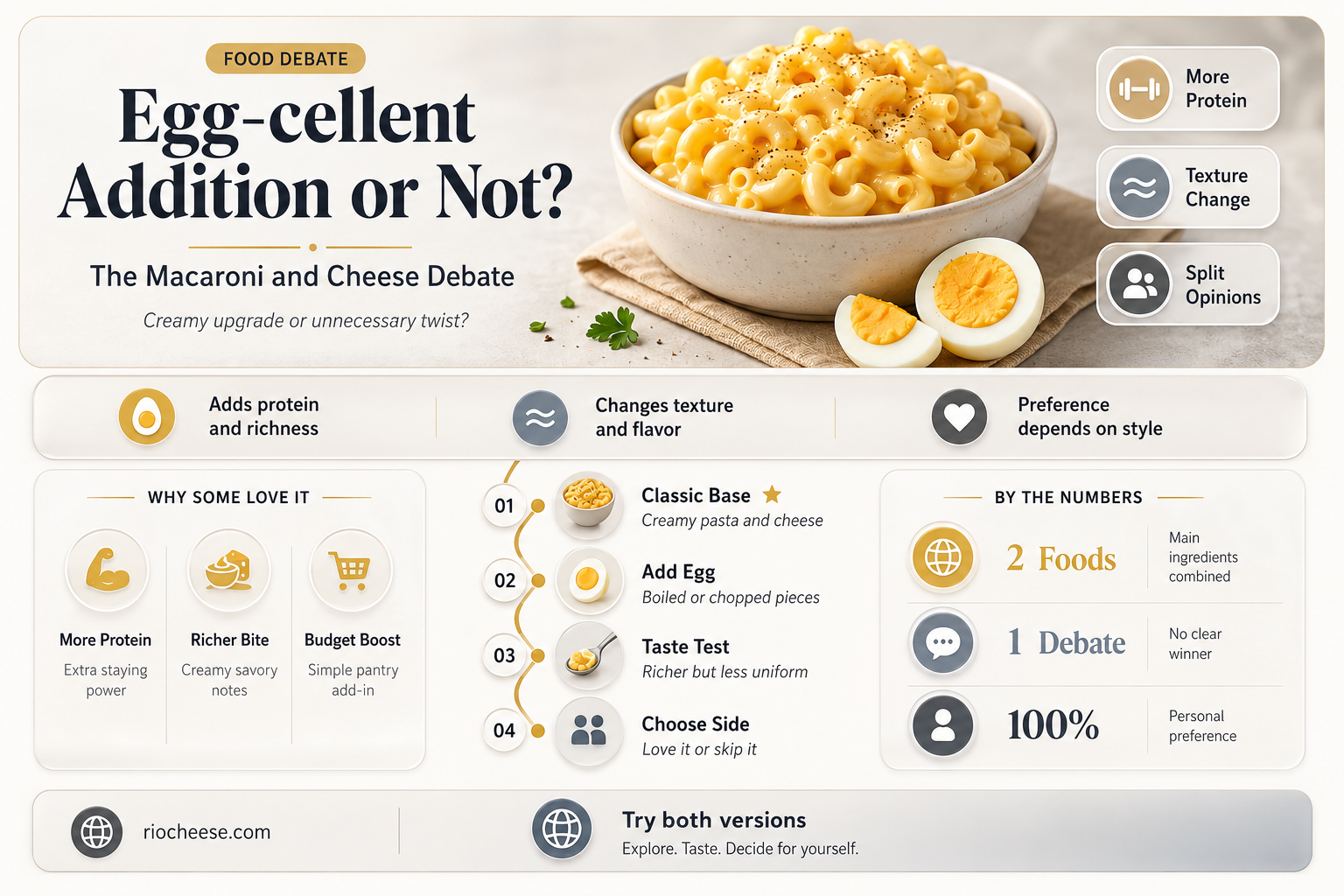
Macaroni and cheese is a beloved comfort food that has been a staple in many households for generations. While the classic recipe typically consists of pasta, cheese sauce, and sometimes breadcrumbs or other toppings, there's an ongoing debate about whether or not eggs should be included in the dish. Some recipes call for beaten eggs to be mixed into the cheese sauce, while others omit them entirely. So, do you have to put eggs in macaroni and cheese? The answer is not straightforward, as it largely depends on personal preference and the specific recipe being followed.
What You'll Learn
- Traditional Recipe: Discusses the classic macaroni and cheese recipe, typically excluding eggs
- Egg-Based Variations: Explores recipes where eggs are added for richness and texture
- Nutritional Considerations: Evaluates the impact of adding eggs on the dish's nutritional value
- Culinary Techniques: Describes methods for incorporating eggs into macaroni and cheese, if desired
- Regional Differences: Highlights how macaroni and cheese recipes vary by region, some including eggs

Traditional Recipe: Discusses the classic macaroni and cheese recipe, typically excluding eggs
The traditional macaroni and cheese recipe is a beloved classic that has been passed down through generations. It typically consists of elbow macaroni, butter, flour, milk, and cheese, with seasonings like salt, pepper, and sometimes paprika for added flavor. This recipe does not usually include eggs, which is a common misconception. The absence of eggs in the traditional recipe is due to the fact that they are not necessary to achieve the desired creamy texture and rich flavor. Instead, the roux (a mixture of butter and flour) acts as a thickening agent, while the milk and cheese provide the necessary moisture and flavor.
One of the reasons why eggs are often thought to be a required ingredient in macaroni and cheese is because they are commonly used in other baked pasta dishes, such as lasagna and frittatas. However, in these dishes, eggs serve a different purpose, such as binding ingredients together or adding protein. In macaroni and cheese, the primary goal is to create a creamy, cheesy sauce that coats the pasta perfectly, and eggs are not needed to achieve this.
Another reason why eggs might be included in some macaroni and cheese recipes is to add richness and depth of flavor. However, this is not the traditional approach, and the classic recipe relies on the combination of butter, flour, milk, and cheese to create a velvety sauce. If you are looking to make a traditional macaroni and cheese dish, it is best to stick to the original recipe and avoid adding eggs, as they can alter the texture and flavor of the dish.
In conclusion, the traditional macaroni and cheese recipe does not require eggs, and the classic combination of butter, flour, milk, and cheese is all you need to create a delicious and creamy pasta dish. By sticking to the original recipe, you can enjoy the authentic taste and texture of this beloved comfort food.
Mastering the Art of Keeping Macaroni and Cheese Warm
You may want to see also
Egg-Based Variations: Explores recipes where eggs are added for richness and texture
Incorporating eggs into macaroni and cheese recipes is a culinary technique that adds a luxurious richness and a velvety texture to the dish. This method, often seen in gourmet or homemade variations, involves beating eggs and integrating them into the cheese sauce, which creates a custard-like consistency. The eggs not only enhance the flavor profile but also contribute to a more decadent mouthfeel, making the macaroni and cheese more indulgent.
One popular egg-based variation is the addition of beaten eggs to the cheese sauce just before baking. This technique, commonly used in recipes like Alton Brown's "Baked Macaroni and Cheese," involves tempering the eggs with a small amount of the hot cheese sauce to prevent curdling, then mixing them thoroughly into the remaining sauce. The dish is then baked until the top is golden brown and the sauce is bubbly, resulting in a crispy crust that contrasts beautifully with the creamy interior.
Another approach is to use eggs in the initial preparation of the cheese sauce. In this method, eggs are whisked together with seasonings and a small amount of milk or cream, then slowly incorporated into the melted cheese over low heat. This creates a smooth, emulsified sauce that coats the pasta evenly and provides a rich, custardy base for additional ingredients like bacon, jalapeños, or various cheeses.
When using eggs in macaroni and cheese, it's important to consider the potential risks associated with undercooked eggs, such as salmonella. To mitigate these risks, it's recommended to use pasteurized eggs or to ensure that the eggs are cooked thoroughly during the baking process. Additionally, tempering the eggs properly when adding them to the hot cheese sauce can help prevent curdling and ensure a smooth, creamy texture.
In conclusion, egg-based variations of macaroni and cheese offer a delightful twist on the classic comfort food. By adding eggs to the cheese sauce, either before or during baking, home cooks can create a richer, more indulgent dish that is sure to impress. With proper technique and attention to food safety, incorporating eggs into macaroni and cheese can elevate the dish to new heights of flavor and texture.
Culver's Menu Mystery: Macaroni and Cheese Edition
You may want to see also
Nutritional Considerations: Evaluates the impact of adding eggs on the dish's nutritional value
Adding eggs to macaroni and cheese can significantly enhance its nutritional value. Eggs are a rich source of high-quality protein, vitamins, and minerals. Specifically, they provide essential amino acids, vitamin D, choline, and selenium, which are crucial for various bodily functions. Incorporating eggs into the dish can help balance the macronutrient profile, offering a more complete meal.
From a nutritional standpoint, the addition of eggs can increase the dish's protein content, making it more satiating and potentially aiding in muscle repair and growth. The vitamins and minerals found in eggs contribute to overall health, supporting immune function, brain health, and bone strength. However, it's important to consider the cooking method, as frying eggs can add extra calories and fat, while boiling or poaching them can retain more nutrients.
When evaluating the impact of eggs on the nutritional value of macaroni and cheese, it's also essential to consider the type of cheese used. Some cheeses are higher in fat and calories than others, which can affect the overall nutritional profile of the dish. Opting for a lower-fat cheese or using a smaller amount can help balance the calorie content while still providing the desired flavor and texture.
In conclusion, adding eggs to macaroni and cheese can be a nutritious choice, offering a range of essential nutrients and enhancing the dish's protein content. By selecting the right cooking method and type of cheese, one can create a more balanced and healthful meal.
Exploring Halal Options: Is Kraft Macaroni and Cheese Compliant?
You may want to see also
Culinary Techniques: Describes methods for incorporating eggs into macaroni and cheese, if desired
Incorporating eggs into macaroni and cheese can enhance its richness and texture, offering a creamy consistency that many find appealing. One method is to whisk beaten eggs into the cheese sauce before combining it with the pasta. This technique requires careful temperature control to prevent the eggs from curdling. Another approach is to use an egg wash to coat the pasta before baking the macaroni and cheese, which can create a delightful crispy crust on top.
When using eggs in macaroni and cheese, it's essential to consider the potential risks associated with undercooked eggs, such as salmonella. Ensuring that the eggs are fully incorporated into the hot cheese sauce can help mitigate these risks. Additionally, using high-quality, fresh eggs can improve the overall flavor and texture of the dish.
For those who prefer a lighter version of macaroni and cheese, using egg whites instead of whole eggs can be a suitable alternative. This substitution can reduce the calorie and fat content without significantly compromising the dish's taste. However, it's important to note that egg whites may not provide the same level of creaminess as whole eggs.
In summary, while incorporating eggs into macaroni and cheese is not mandatory, it can certainly elevate the dish's taste and texture. By following proper techniques and considering safety precautions, eggs can be a valuable addition to this classic comfort food.
Kraft's Macaroni and Cheese Recipe: A Change in Flavor?
You may want to see also
Regional Differences: Highlights how macaroni and cheese recipes vary by region, some including eggs
In the Southern United States, macaroni and cheese is often prepared with a custard-like base, which includes eggs, milk, and butter. This method results in a creamy, rich dish that is a staple at many family gatherings and holiday meals. The eggs in this recipe help to thicken the sauce and add a velvety texture that is characteristic of Southern-style macaroni and cheese.
In contrast, the Northeastern United States, particularly in areas like New England, macaroni and cheese is typically made with a cheese sauce that does not include eggs. Instead, the sauce is thickened with a roux made from flour and butter, and then combined with milk and cheese. This method results in a slightly different texture, with a more pronounced cheese flavor and a less creamy consistency compared to the Southern version.
In the Midwest, there is a variation of macaroni and cheese that includes both eggs and a cheese sauce. This recipe often calls for the eggs to be beaten and mixed into the cheese sauce, which is then combined with the cooked pasta. The result is a dish that has the richness of the Southern version, but with a slightly different flavor profile due to the inclusion of the cheese sauce.
In other parts of the world, such as Europe, macaroni and cheese recipes can vary significantly. In the United Kingdom, for example, the dish is often made with a béchamel sauce, which does not typically include eggs. Instead, the sauce is made with butter, flour, and milk, and then combined with cheese and pasta. This method results in a dish that is similar to the Northeastern United States version, but with a slightly different flavor profile due to the use of different types of cheese.
Overall, the inclusion of eggs in macaroni and cheese recipes is a matter of regional preference and tradition. Each method has its own unique characteristics and flavor profiles, and the choice of whether or not to include eggs ultimately comes down to personal taste and cultural background.
Popeyes' Menu Mystery: Is Macaroni and Cheese a Staple?
You may want to see also
Frequently asked questions
No, eggs are not a traditional ingredient in macaroni and cheese. The classic recipe typically includes pasta, cheese, milk or cream, and a thickening agent like flour or cornstarch.
If you're looking for an egg substitute in macaroni and cheese, you can use a mixture of flour and milk to create a roux, which will thicken the sauce. Another option is to use a commercial egg substitute or simply omit the eggs and adjust the recipe accordingly.
Some recipes for macaroni and cheese include eggs to add richness, creaminess, and structure to the dish. Eggs can help bind the cheese and pasta together, creating a more cohesive and velvety texture.
Adding eggs to macaroni and cheese increases the protein content of the dish, as eggs are a good source of protein. However, it also adds calories and fat, so it's important to consider your dietary needs and preferences when deciding whether or not to include eggs in your recipe.