Bushra Griffith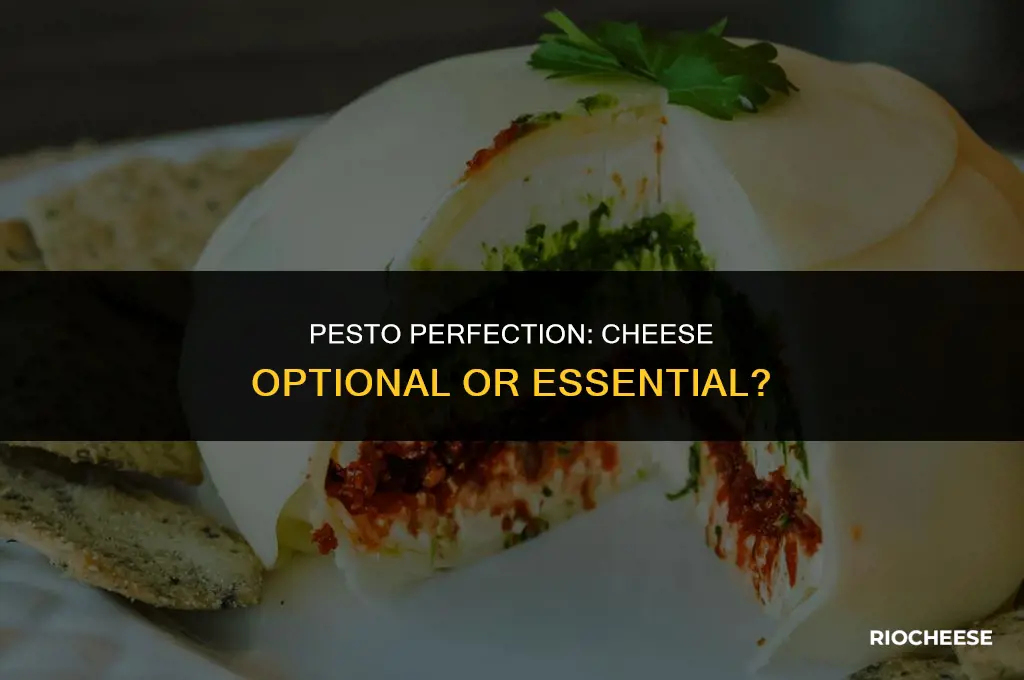
Pesto, a vibrant and flavorful Italian sauce, traditionally consists of fresh basil, garlic, pine nuts, Parmesan cheese, and olive oil. While cheese is a classic component that adds richness and depth to the sauce, it's not strictly mandatory. Whether or not to include cheese in your pesto ultimately depends on your personal taste preferences and dietary requirements. If you're lactose intolerant, vegan, or simply prefer a lighter sauce, you can omit the cheese or substitute it with a dairy-free alternative. However, keep in mind that cheese contributes to the sauce's signature taste and texture, so its absence may result in a noticeably different flavor profile.
Explore related products


$16.55 $21.95


What You'll Learn
- Ingredient Flexibility: Explore alternatives to cheese in pesto for dietary restrictions or preferences
- Nutritional Considerations: Analyze the health benefits and drawbacks of adding cheese to pesto
- Flavor Profile: Discuss how cheese impacts the taste of pesto and suggest complementary ingredients
- Culinary Traditions: Examine the historical and regional use of cheese in pesto recipes
- Preparation Tips: Offer advice on how to incorporate cheese into pesto for optimal texture and flavor

Ingredient Flexibility: Explore alternatives to cheese in pesto for dietary restrictions or preferences
For those with dietary restrictions or preferences, the traditional inclusion of cheese in pesto can be a point of contention. Fortunately, there are several alternatives that can be used to create a delicious and satisfying pesto without cheese. One popular option is to use nutritional yeast, which has a nutty, cheesy flavor and can be easily blended into the pesto. Another alternative is to use a plant-based cheese substitute, such as vegan mozzarella or parmesan. These products are made from a variety of ingredients, including nuts, seeds, and soy, and can provide a similar texture and flavor to traditional cheese.
When exploring cheese alternatives in pesto, it's important to consider the overall flavor profile of the dish. For example, if using nutritional yeast, you may want to add a bit more salt or umami-rich ingredients, such as miso paste or soy sauce, to balance out the flavor. Additionally, you may want to experiment with different herbs and spices to find the perfect combination for your taste preferences.
One of the benefits of using cheese alternatives in pesto is that it can make the dish more accessible to those with lactose intolerance or dairy allergies. Additionally, using plant-based ingredients can make the pesto more environmentally friendly and sustainable. However, it's important to note that some cheese alternatives may not melt or blend as smoothly as traditional cheese, so you may need to adjust the consistency of your pesto accordingly.
In conclusion, there are many delicious and creative ways to make pesto without cheese. By exploring different alternatives and experimenting with flavors, you can create a pesto that is both satisfying and suitable for a variety of dietary needs and preferences. Whether you're using nutritional yeast, plant-based cheese substitutes, or a combination of ingredients, the key is to find the right balance of flavors and textures that work for you.
The Great Cheese Debate: Perfecting Your Burger Toppings
You may want to see also
Explore related products


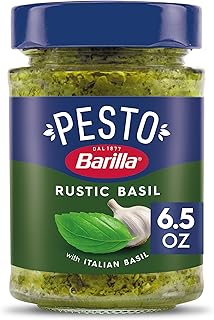


Nutritional Considerations: Analyze the health benefits and drawbacks of adding cheese to pesto
Adding cheese to pesto can significantly enhance its nutritional profile, particularly by increasing its protein and calcium content. Cheese, especially hard varieties like Parmesan, is a rich source of protein, which is essential for muscle repair and growth. Additionally, cheese is an excellent source of calcium, vital for bone health and nerve function. When incorporated into pesto, these nutrients can make the sauce not only more flavorful but also more nutritious.
However, it's important to consider the potential drawbacks. Cheese can also be high in saturated fat and sodium, which, when consumed in excess, can contribute to health issues such as heart disease and high blood pressure. Furthermore, for individuals who are lactose intolerant or have a dairy allergy, adding cheese to pesto can make it unsuitable for consumption.
From a caloric perspective, cheese adds more calories to pesto, which can be a consideration for those monitoring their caloric intake. A balanced approach is key; using cheese in moderation can help maximize its health benefits while minimizing potential drawbacks.
In terms of specific recommendations, if you're looking to boost the protein and calcium content of your pesto without significantly increasing its fat and sodium levels, consider using a moderate amount of a lower-fat cheese option, such as part-skim mozzarella or reduced-fat feta. Alternatively, nutritional yeast can be used as a cheese substitute to add a cheesy flavor without the associated fat and sodium.
Ultimately, the decision to add cheese to pesto should be based on individual dietary needs and preferences. For those who can tolerate dairy and are looking to enhance the nutritional value of their pesto, cheese can be a beneficial addition. However, it's crucial to be mindful of portion sizes and to choose cheese options that align with your overall health goals.
The Great Debate: Cheese on Pulled Pork Sandwiches - Yes or No?
You may want to see also
Explore related products


Flavor Profile: Discuss how cheese impacts the taste of pesto and suggest complementary ingredients
Cheese plays a pivotal role in defining the flavor profile of traditional pesto. Its rich, savory notes and creamy texture enhance the overall taste experience, adding depth and complexity to the dish. The saltiness of cheese also helps to balance the herbaceous and garlicky flavors of pesto, creating a harmonious blend that is both satisfying and indulgent.
When considering the impact of cheese on pesto, it's essential to think about the type of cheese used. Parmesan, for instance, is a classic choice that imparts a sharp, nutty flavor, while Pecorino Romano offers a slightly milder, more buttery taste. Other cheeses, such as mozzarella or ricotta, can also be incorporated to achieve a creamier consistency and a milder flavor profile.
In addition to cheese, there are several complementary ingredients that can elevate the taste of pesto. Pine nuts, for example, add a subtle nuttiness and a satisfying crunch, while fresh basil provides a bright, aromatic note that cuts through the richness of the cheese. Garlic, another key component, offers a pungent, slightly spicy flavor that enhances the overall savory profile of the dish.
To further customize the flavor of pesto, consider incorporating other ingredients such as sun-dried tomatoes, olives, or roasted red peppers. These additions can introduce new layers of flavor, from sweet and tangy to briny and earthy, allowing you to tailor the dish to your specific taste preferences.
Ultimately, while cheese is not strictly necessary in pesto, its inclusion can significantly enhance the flavor and texture of the dish. By experimenting with different types of cheese and complementary ingredients, you can create a pesto that is uniquely yours, bursting with flavor and complexity.
The Truth About Shredded Cheese: Sawdust or Not?
You may want to see also
Explore related products

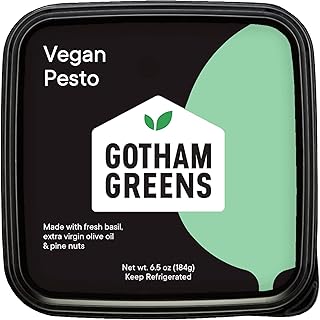


Culinary Traditions: Examine the historical and regional use of cheese in pesto recipes
Pesto, a vibrant green sauce originating from the Liguria region of Italy, has a rich culinary history that dates back centuries. Traditionally, pesto is made with fresh basil, garlic, pine nuts, Parmesan cheese, and olive oil. The inclusion of cheese, particularly Parmesan, is deeply rooted in Italian culinary traditions and adds a salty, umami flavor that complements the freshness of the basil and the crunch of the pine nuts.
Historically, cheese has been an integral part of pesto recipes, with Parmesan being the cheese of choice due to its availability and popularity in the Liguria region. However, the use of cheese in pesto is not just limited to Parmesan. Other Italian cheeses, such as Pecorino Romano or Grana Padano, can also be used, each bringing its own unique flavor profile to the sauce.
Regionally, the use of cheese in pesto can vary. In some parts of Italy, particularly in the north, other types of cheese like Gorgonzola or Taleggio might be incorporated into pesto recipes, adding a creamy texture and a more pungent flavor. In coastal areas, where seafood is a staple, cheese might be omitted altogether, or a smaller amount might be used to allow the flavors of the seafood to shine through.
In modern times, the question of whether cheese is necessary in pesto has become a topic of debate. Some argue that cheese is an essential component that adds depth and richness to the sauce, while others believe that pesto can be just as delicious without it, especially for those who are lactose intolerant or following a vegan diet.
Ultimately, the decision to include cheese in pesto comes down to personal preference and dietary needs. However, understanding the historical and regional use of cheese in pesto recipes can provide valuable insight into the traditional preparation of this beloved Italian sauce.
Elevate Your Brie: Gourmet Toppings for a Decadent Cheese Experience
You may want to see also
Explore related products
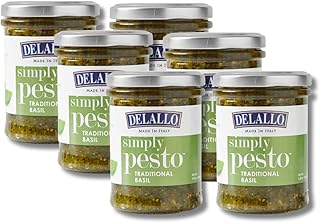


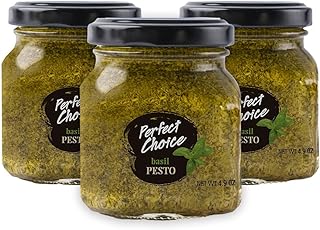
Preparation Tips: Offer advice on how to incorporate cheese into pesto for optimal texture and flavor
To achieve the perfect blend of cheese in your pesto, it's essential to consider both the type and the texture of the cheese you're using. Harder cheeses like Parmesan are often grated finely to ensure they blend seamlessly into the sauce without creating lumps. Softer cheeses, such as mozzarella or ricotta, can be added in small chunks or dollops, depending on the desired consistency.
When incorporating cheese into your pesto, it's best to do so gradually. Start by adding a small amount and blend thoroughly before adding more. This will help you achieve a smooth, even texture throughout the sauce. Additionally, consider the saltiness of the cheese you're using, as this can affect the overall flavor balance of the pesto. If using a very salty cheese, you may want to reduce the amount of salt you add to the sauce.
Another tip for optimal cheese incorporation is to ensure that the cheese is at room temperature before adding it to the pesto. This will help it blend more easily and evenly into the sauce. If you're using a food processor to make your pesto, you can add the cheese in small batches while the processor is running, which will help to create a smooth, consistent texture.
Finally, don't be afraid to experiment with different types of cheese in your pesto. While traditional recipes often call for Parmesan, you can try using other cheeses like Pecorino Romano, Asiago, or even blue cheese to create a unique flavor profile. Just remember to adjust the amount of salt and other seasonings accordingly to achieve the perfect balance of flavors.
The Great American Debate: Cheese on Apple Pie - Yes or No?
You may want to see also
Frequently asked questions
No, you don't have to put cheese in your pesto. Traditional pesto is made without cheese, but it's common to add grated Parmesan or Pecorino for extra flavor.
The main ingredients of traditional pesto are fresh basil, garlic, pine nuts, olive oil, and sometimes grated cheese.
Yes, you can use other types of nuts such as almonds, walnuts, or cashews if pine nuts are not available or too expensive.
To store homemade pesto, place it in an airtight container and cover the surface with a thin layer of olive oil. Refrigerate for up to a week or freeze for up to 3 months.
Pesto can be used in a variety of ways, such as a sauce for pasta, a spread for sandwiches, a topping for pizza, a marinade for meats, or a dip for vegetables and chips.