Frederic Melton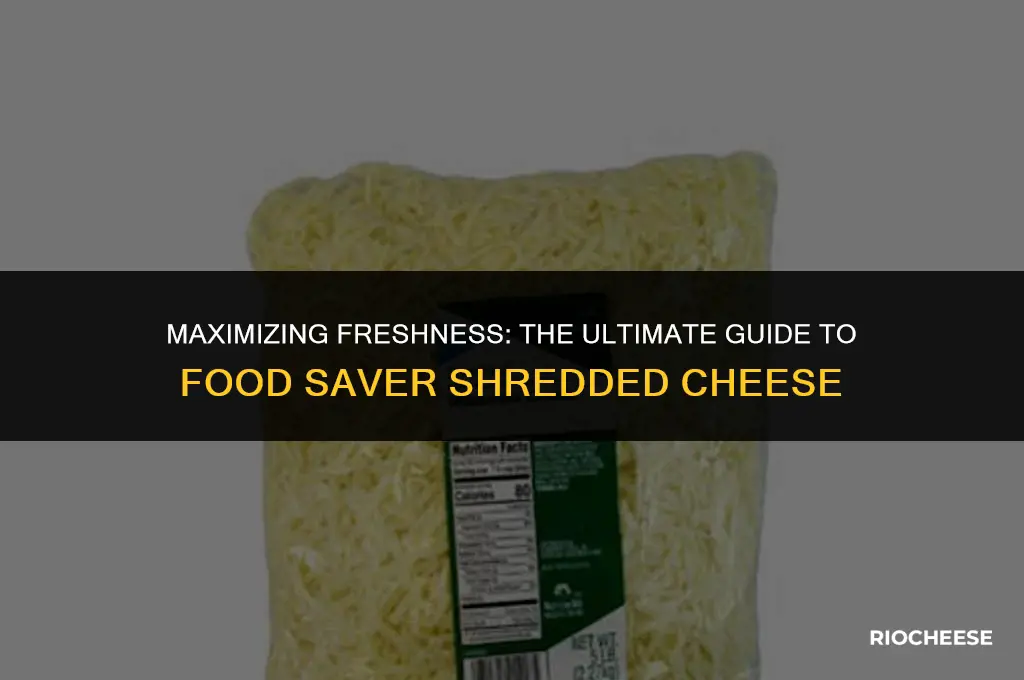
When it comes to preserving the freshness and quality of shredded cheese, using a food saver can be a game-changer. A food saver, also known as a vacuum sealer, works by removing the air from the packaging, creating a tight seal that helps prevent oxidation and bacterial growth. This method is particularly effective for shredded cheese, which has a larger surface area exposed to air compared to solid blocks of cheese. By using a food saver, you can extend the shelf life of your shredded cheese, maintain its flavor and texture, and reduce the risk of mold or spoilage. This is especially useful for those who buy shredded cheese in bulk or prefer to shred their own cheese at home. With proper storage techniques, you can enjoy your shredded cheese for a longer period without compromising on taste or safety.
Explore related products


What You'll Learn
- Storage Tips: Optimal conditions for storing shredded cheese to maintain freshness and prevent spoilage
- Freezing Instructions: How to properly freeze shredded cheese to extend its shelf life
- Thawing Methods: Safe and effective ways to thaw frozen shredded cheese for immediate use
- Usage Ideas: Creative culinary suggestions for incorporating shredded cheese into various dishes
- Nutritional Information: Breakdown of the nutritional content of shredded cheese, including calories and protein

Storage Tips: Optimal conditions for storing shredded cheese to maintain freshness and prevent spoilage
Storing shredded cheese properly is crucial to maintaining its freshness and preventing spoilage. The key to optimal storage lies in controlling moisture, temperature, and exposure to air. Shredded cheese should be stored in an airtight container to minimize its contact with air, which can lead to oxidation and a change in flavor. A vacuum-sealed bag or a container with a tight-fitting lid is ideal for this purpose.
Temperature plays a significant role in the storage of shredded cheese. It should be kept in the refrigerator at a consistent temperature between 35°F and 40°F (1.6°C and 4.4°C). Fluctuations in temperature can cause the cheese to spoil faster. If you plan to store the cheese for an extended period, consider freezing it. Frozen shredded cheese can last up to 6 months. When freezing, it's important to spread the cheese out in a single layer on a baking sheet before transferring it to an airtight container or freezer bag. This prevents the cheese from clumping together and allows for easier portioning when needed.
Moisture control is another critical factor in storing shredded cheese. Excess moisture can lead to mold growth, while too little moisture can cause the cheese to dry out and lose its texture. To maintain the right level of moisture, you can place a piece of paper towel or a clean cloth inside the storage container to absorb any excess moisture. Be sure to change the paper towel or cloth regularly to prevent it from becoming saturated.
It's also important to label and date the storage container or bag so that you can keep track of how long the cheese has been stored. This helps ensure that you use the cheese before it spoils. Additionally, when storing different types of shredded cheese, it's best to keep them separate to prevent the flavors from mingling.
In summary, to maintain the freshness and prevent spoilage of shredded cheese, store it in an airtight container in the refrigerator at a consistent temperature between 35°F and 40°F, control moisture levels by using a paper towel or cloth, and label and date the container or bag. For long-term storage, freezing is an option, but be sure to spread the cheese out in a single layer before freezing to prevent clumping.
The Cheesy Traveler: Can You Really Fly with Cheese?
You may want to see also
Explore related products


Freezing Instructions: How to properly freeze shredded cheese to extend its shelf life
To properly freeze shredded cheese and extend its shelf life, it's essential to follow specific instructions that ensure the cheese remains fresh and safe to consume. First, portion the shredded cheese into airtight containers or freezer bags, making sure to remove as much air as possible before sealing. This step is crucial in preventing freezer burn and maintaining the cheese's texture and flavor.
Next, label the containers or bags with the date of freezing, as well as the type of cheese, to keep track of its freshness and avoid confusion later on. It's recommended to use the frozen cheese within 3-6 months for optimal quality, although it can be stored for up to a year without significant degradation.
When you're ready to use the frozen cheese, allow it to thaw in the refrigerator overnight or at room temperature for a few hours. Avoid thawing the cheese in hot water or in the microwave, as this can cause it to melt unevenly and potentially spoil. Once thawed, the cheese can be used in any recipe that calls for shredded cheese, such as pizzas, casseroles, or sandwiches.
One common mistake to avoid is refreezing thawed cheese, as this can lead to the growth of harmful bacteria and compromise the cheese's safety. If you have excess thawed cheese, it's best to use it within a few days or discard it.
By following these freezing instructions, you can effectively extend the shelf life of shredded cheese and enjoy its convenience and versatility in a variety of dishes. Remember to always prioritize food safety and proper storage techniques to ensure the best possible results.
Sky-High Snacks: The Do's and Don'ts of Flying with Meat and Cheese
You may want to see also
Explore related products


Thawing Methods: Safe and effective ways to thaw frozen shredded cheese for immediate use
To safely and effectively thaw frozen shredded cheese, it's crucial to avoid methods that can compromise its texture and flavor. One recommended approach is to transfer the frozen cheese from its packaging to an airtight container or resealable plastic bag. This prevents any moisture from seeping in, which could lead to an undesirable texture once thawed. Place the container or bag in the refrigerator and allow the cheese to thaw slowly overnight. This gradual process ensures that the cheese retains its original consistency and taste.
Another method, suitable for more immediate use, involves using a cold water bath. Submerge the sealed package of frozen cheese in a bowl of cold water, changing the water every 30 minutes to maintain a consistent temperature. This technique speeds up the thawing process while still preserving the cheese's quality. It's important to note that this method should only be used if you plan to use the cheese immediately after thawing, as leaving it at room temperature for an extended period can lead to bacterial growth.
Microwaving frozen shredded cheese is generally not recommended, as it can cause the cheese to melt unevenly and lose its texture. However, if you must use a microwave, place the cheese in a microwave-safe bowl and use the defrost setting, stirring every 30 seconds to ensure even thawing. Be cautious not to overheat the cheese, as this can result in a grainy texture and diminished flavor.
In summary, the key to safely thawing frozen shredded cheese lies in using methods that maintain its temperature and prevent moisture absorption. Whether you choose the slow and steady refrigerator method, the quicker cold water bath, or the less ideal microwave approach, it's essential to monitor the thawing process closely to achieve the best results. By following these guidelines, you can ensure that your frozen shredded cheese is ready for use while retaining its original quality and taste.
The Surprising Truth: Can You Really Catch Fish with Cheese?
You may want to see also
Explore related products


Usage Ideas: Creative culinary suggestions for incorporating shredded cheese into various dishes
Shredded cheese is a versatile ingredient that can elevate a wide range of dishes. One creative way to incorporate it is by using it as a topping for baked goods. For instance, sprinkling shredded cheese over a quiche or a savory scone before baking can add a delightful crunch and depth of flavor. Another idea is to mix shredded cheese into your favorite pancake or waffle batter for a cheesy breakfast twist.
In the realm of comfort foods, shredded cheese can be a game-changer. Try adding it to your macaroni and cheese recipe for an extra layer of creaminess and richness. You can also use it to make a cheesy potato gratin or as a topping for a hearty bowl of chili. For a more gourmet approach, incorporate shredded cheese into a risotto or use it to create a cheese-crusted fish dish.
When it comes to snacks, shredded cheese can be the star of the show. Consider making cheese crisps by melting shredded cheese on a baking sheet and then breaking it into pieces once cooled. These can be a delicious and crunchy accompaniment to a charcuterie board or a salad. You can also use shredded cheese to make stuffed mushrooms or as a filling for homemade crackers.
Shredded cheese can also be used to add flavor to sauces and soups. For example, stirring shredded cheese into a tomato sauce can create a rich and creamy texture, perfect for pasta dishes. Similarly, adding shredded cheese to a broccoli cheddar soup can enhance its flavor and make it even more comforting.
Lastly, don't forget about using shredded cheese in sandwiches and wraps. It can add a melty, gooey element that ties all the ingredients together. Try using it in a grilled cheese sandwich with a twist, such as adding sliced apples or pears for a sweet and savory combination. Or, sprinkle shredded cheese over a chicken Caesar wrap for an extra burst of flavor.
Discovering Imported Cheese Delights in Buenos Aires
You may want to see also
Explore related products


Nutritional Information: Breakdown of the nutritional content of shredded cheese, including calories and protein
Shredded cheese, a versatile and popular ingredient in many cuisines, offers a range of nutritional benefits. Understanding its nutritional content is crucial for those looking to manage their diet effectively. A typical serving of shredded cheese, which is about 1/4 cup or 28 grams, contains approximately 110-120 calories. The calorie content can vary slightly depending on the type of cheese, with cheddar and mozzarella being among the most common varieties used for shredding.
In terms of protein, shredded cheese is a good source, providing around 7-8 grams per serving. Protein is essential for muscle repair and growth, making cheese a beneficial addition to a balanced diet. However, it's important to note that cheese also contains a significant amount of fat, with around 8-10 grams per serving, of which 3-4 grams are saturated fat. Saturated fat should be consumed in moderation as it can contribute to increased cholesterol levels and heart disease risk when eaten excessively.
Shredded cheese also contains calcium, which is vital for strong bones and teeth. A serving of shredded cheese provides about 200-250 milligrams of calcium, which is roughly 20-25% of the recommended daily intake for adults. Additionally, cheese is a source of vitamins A and B12, as well as riboflavin and zinc. These nutrients play various roles in maintaining overall health, including supporting the immune system and promoting healthy skin.
When considering the nutritional content of shredded cheese, it's also important to be mindful of portion sizes. While cheese can be a healthy addition to meals, overconsumption can lead to an excessive intake of calories, fat, and sodium. Moderation is key, and incorporating cheese into a well-rounded diet that includes a variety of fruits, vegetables, whole grains, and lean proteins is recommended for optimal nutrition.
Cheesy Travels: A Guide to Flying with Dairy to the Philippines
You may want to see also
Frequently asked questions
Yes, you can use a food saver to store shredded cheese. It helps to keep the cheese fresh by removing air from the packaging and creating an airtight seal.
When stored properly with a food saver, shredded cheese can last up to 6 months in the freezer and 2-3 weeks in the refrigerator.
Using a food saver for shredded cheese helps to prevent freezer burn, reduces waste by keeping the cheese fresh for longer, and maintains the quality and taste of the cheese.