Patrick Oconnell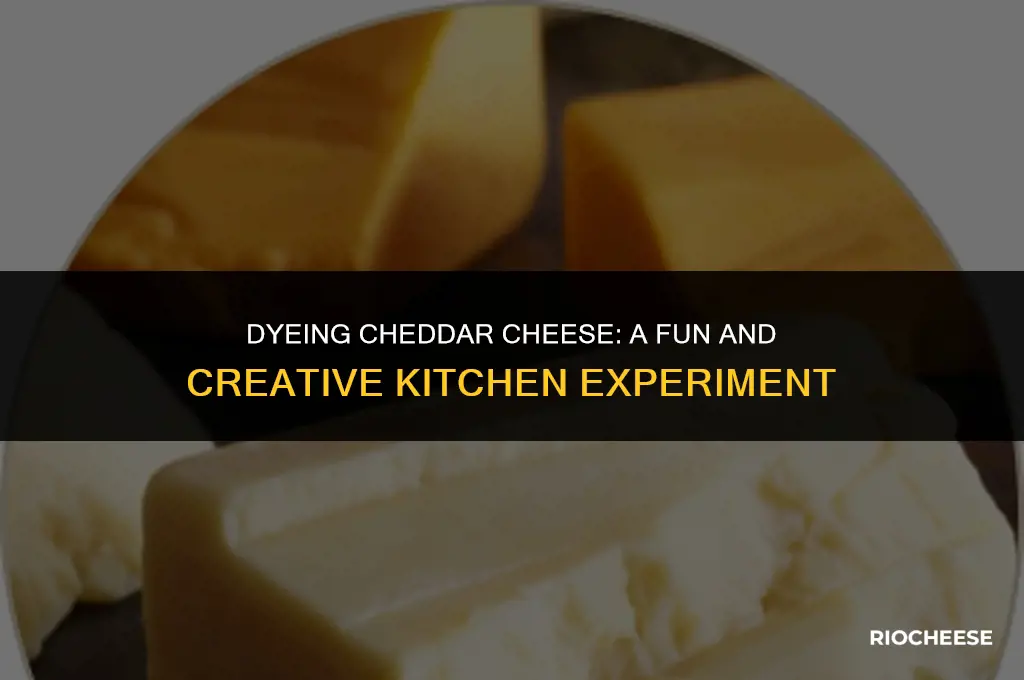
When it comes to culinary creativity, the question of whether you can dye cheddar cheese with food coloring often arises. The short answer is yes, but there are some important considerations to keep in mind. Cheddar cheese, known for its rich flavor and vibrant orange hue, can indeed be tinted with food dye to achieve a variety of colors. However, the type of dye used and the method of application can significantly impact the final result. Some food dyes may not mix well with the cheese's natural oils, leading to uneven coloring or an unappetizing appearance. Additionally, the intensity of the color may vary depending on the concentration of the dye and the duration of the coloring process. It's also worth noting that while food dye is generally safe for consumption, some people may have sensitivities or allergies to certain dyes. Therefore, it's essential to use high-quality, food-grade dyes and to follow proper safety guidelines when experimenting with colored cheese.
Explore related products


What You'll Learn
- Natural vs. Artificial Dyes: Explore the differences between using natural and artificial food dyes for coloring cheddar cheese
- Safety Considerations: Discuss the safety aspects and potential health concerns associated with consuming food-dyed cheese
- Dyeing Techniques: Provide step-by-step instructions on how to effectively dye cheddar cheese using various methods
- Color Options: List and describe the range of colors that can be achieved when dyeing cheddar cheese
- Culinary Uses: Suggest creative culinary applications for dyed cheddar cheese in dishes and presentations

Natural vs. Artificial Dyes: Explore the differences between using natural and artificial food dyes for coloring cheddar cheese
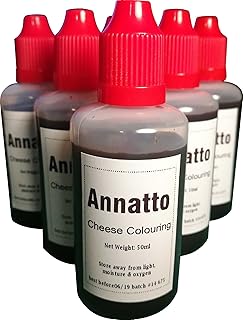
The choice between natural and artificial dyes for coloring cheddar cheese is a significant one, impacting not only the visual appeal but also the flavor, cost, and consumer perception of the final product. Natural dyes, derived from plants, minerals, and other organic sources, offer a range of vibrant colors and are often perceived as healthier and more environmentally friendly. Common natural dyes for cheese include annatto, which provides a bright yellow to orange hue, and paprika, which offers a reddish color. These dyes are typically more expensive than their artificial counterparts and may require more precise application to achieve consistent coloring.
Artificial dyes, on the other hand, are synthetic compounds created in a laboratory. They are often more cost-effective, provide more intense and uniform colors, and have a longer shelf life than natural dyes. However, they can be a source of controversy due to concerns about potential health risks and environmental impact. Some artificial dyes have been linked to hyperactivity in children and allergic reactions in sensitive individuals. Regulatory bodies, such as the FDA, closely monitor the use of artificial dyes in food products to ensure they are safe for consumption.
When considering which type of dye to use for coloring cheddar cheese, manufacturers must weigh the benefits and drawbacks of each option. Natural dyes may appeal to consumers seeking organic or non-GMO products, while artificial dyes can offer more consistent coloring and lower production costs. Additionally, the choice of dye can affect the flavor profile of the cheese, as some natural dyes may impart subtle flavors or aromas.
In terms of application, natural dyes often require more careful handling and storage to maintain their potency and prevent spoilage. Artificial dyes, being more stable, can be easier to incorporate into the cheese-making process. Manufacturers must also consider the potential impact of dye choice on the cheese's marketability, as consumer preferences and trends can shift over time.
Ultimately, the decision to use natural or artificial dyes for coloring cheddar cheese involves a complex interplay of factors, including cost, consumer demand, regulatory considerations, and the desired aesthetic and sensory qualities of the final product. By carefully evaluating these factors, cheese manufacturers can make informed choices that meet their production goals and consumer expectations.
Discover the Nearest Chuck-E-Cheese in Los Angeles: A Fun-Filled Guide
You may want to see also
Explore related products



Safety Considerations: Discuss the safety aspects and potential health concerns associated with consuming food-dyed cheese
Consuming food-dyed cheese, particularly cheddar, raises several safety considerations and potential health concerns. One primary concern is the use of artificial dyes, which may contain harmful chemicals that can cause allergic reactions or other adverse health effects. These dyes are often added to enhance the visual appeal of the cheese, but their long-term impact on human health is not fully understood. It is crucial to check the ingredient list and opt for natural dyes or coloring agents whenever possible to minimize these risks.
Another safety aspect to consider is the potential for cross-contamination during the dyeing process. If the equipment used to dye the cheese is not properly sanitized, it can lead to the growth of harmful bacteria, such as Salmonella or E. coli. These bacteria can cause foodborne illnesses, which can be particularly dangerous for vulnerable populations like the elderly, young children, and individuals with weakened immune systems. To mitigate this risk, it is essential to ensure that the cheese is produced in a facility that follows strict food safety guidelines and uses clean, sanitized equipment.
Additionally, the consumption of food-dyed cheese may pose a risk to individuals with specific dietary restrictions or allergies. For example, some food dyes are derived from animal sources, which can be problematic for vegetarians or vegans. Others may contain gluten or other allergens that can trigger allergic reactions in sensitive individuals. It is important to carefully read the ingredient list and consult with a healthcare professional if there are any concerns about potential allergens or dietary restrictions.
In conclusion, while food-dyed cheese can be a visually appealing and tasty addition to many dishes, it is essential to consider the potential safety risks and health concerns associated with its consumption. By choosing natural dyes, ensuring proper food safety practices, and being aware of dietary restrictions, individuals can enjoy food-dyed cheese while minimizing the associated risks.
Can You Feed Regular String Cheese to Dogs?
You may want to see also
Explore related products



Dyeing Techniques: Provide step-by-step instructions on how to effectively dye cheddar cheese using various methods
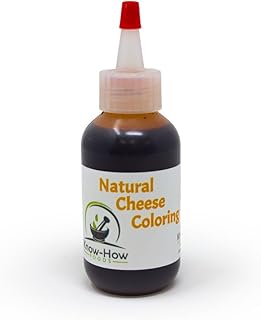
To effectively dye cheddar cheese, begin by selecting a food-safe dye that is appropriate for dairy products. Natural dyes such as annatto or turmeric can be used, or synthetic food coloring can be chosen for more vibrant hues. Ensure that the dye is in a form that can be easily mixed into the cheese, such as a powder or liquid.
Next, prepare the cheese by shredding or grating it into small pieces. This will allow the dye to be more evenly distributed throughout the cheese. In a mixing bowl, combine the shredded cheese with the dye, using a ratio of 1 teaspoon of dye per 1 cup of cheese. Mix thoroughly to ensure that the dye is evenly incorporated.
For a more intense color, the cheese can be heated before adding the dye. Heat the shredded cheese in a double boiler or microwave, stirring frequently, until it reaches a temperature of 100-110°F (38-43°C). Be careful not to overheat the cheese, as this can cause it to melt or become rubbery. Once the cheese is heated, add the dye and mix thoroughly.
Allow the dyed cheese to cool and set before using it. This will help the dye to set and prevent it from bleeding or fading when the cheese is cut or served. Store the dyed cheese in an airtight container in the refrigerator to maintain its color and freshness.
When using dyed cheese in recipes, be aware that the color may bleed or fade when the cheese is melted or heated. To prevent this, the cheese can be mixed with a small amount of cornstarch or flour before melting. This will help to stabilize the color and prevent it from bleeding into other ingredients.
Cheesy Travels: Can You Fly with Dairy Delights in Hand Luggage?
You may want to see also
Explore related products


Color Options: List and describe the range of colors that can be achieved when dyeing cheddar cheese
Cheddar cheese, known for its rich, golden hue, can be transformed into a vibrant spectrum of colors using food dyes. This practice, while not traditional, is increasingly popular in culinary arts and food presentation. The range of achievable colors is vast, limited only by the types of food coloring used and the desired intensity.
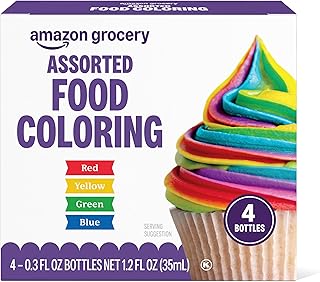
Natural food colorings, such as those derived from beet juice, turmeric, or spirulina, offer a range of earthy tones. Beet juice, for instance, can impart a deep red or pink color, while turmeric provides a bright yellow. Spirulina, a blue-green algae, offers a unique blue or green hue. These natural dyes are often preferred for their health benefits and subtle flavor enhancements.
Artificial food dyes, on the other hand, provide a more extensive and vivid color palette. Common artificial colors include Red 40, Yellow 5, and Blue 1, which can create bold and bright shades. These dyes are highly concentrated and can achieve intense colors with minimal usage. However, they are often subject to health and safety regulations due to their synthetic nature.
When dyeing cheddar cheese, the process involves mixing the dye with the cheese curds before they are fully formed. This ensures an even distribution of color throughout the cheese. The intensity of the color can be controlled by the amount of dye used and the duration of the mixing process. For a marbled effect, different colored dyes can be added in layers or swirls.
It's important to note that while the color of the cheese can be dramatically altered, the taste and texture remain largely unchanged. The primary impact of food dye on cheddar cheese is aesthetic, making it a popular choice for themed events, creative culinary presentations, and educational purposes.
In conclusion, the color options for dyeing cheddar cheese are virtually limitless, ranging from natural, earthy tones to vibrant, artificial hues. The process is straightforward and allows for a high degree of creativity in food presentation. Whether for artistic expression or practical purposes, dyeing cheddar cheese offers a fascinating way to explore the intersection of color and cuisine.
Mastering the Art of Grating Swiss Cheese: Tips and Tricks
You may want to see also
Explore related products


Culinary Uses: Suggest creative culinary applications for dyed cheddar cheese in dishes and presentations
Dyed cheddar cheese can be a vibrant addition to various culinary creations, offering both visual appeal and a rich, creamy flavor. One creative application is in themed parties or events, where the cheese can be dyed to match the color scheme or motif. For example, orange-dyed cheddar could be used for a Halloween party, while green-dyed cheddar might be perfect for a St. Patrick's Day celebration.
In terms of specific dishes, dyed cheddar can be grated over salads, soups, or pasta dishes to add a pop of color and enhance the presentation. It can also be used in sandwiches or wraps, where the colorful cheese can be a fun surprise for diners. For a more sophisticated application, dyed cheddar can be incorporated into cheese boards or charcuterie platters, where its vibrant hue can complement other colorful ingredients like fruits, nuts, and cured meats.
When it comes to presentation, dyed cheddar can be molded into various shapes using cookie cutters or silicone molds, making it a versatile ingredient for creating visually striking appetizers or snacks. It can also be used to make colorful cheese crisps by thinly slicing the cheese and baking it until crispy, which can then be served as a crunchy accompaniment to dips or spreads.
In addition to its visual appeal, dyed cheddar can also be used to add flavor to dishes. For instance, a spicy red-dyed cheddar could be used in a cheese sauce for buffalo wings, while a mild green-dyed cheddar might be perfect for a pesto pasta dish. The key is to experiment with different colors and flavors to find unique combinations that suit individual tastes and preferences.
Overall, dyed cheddar cheese offers a fun and creative way to elevate dishes and presentations, whether for casual gatherings or more formal events. By thinking outside the box and exploring different culinary applications, cooks can make the most of this colorful and flavorful ingredient.
Discovering Imported Cheese Delights in Buenos Aires
You may want to see also
Frequently asked questions
Yes, you can use food dye to color cheddar cheese. However, it's important to use food-safe dyes and follow proper guidelines to ensure the cheese remains safe to eat.
The best type of food dye for coloring cheddar cheese is a liquid or gel-based dye that is specifically labeled as food-safe. Avoid using non-food-safe dyes or those that are not designed for use with dairy products.
To properly mix food dye into cheddar cheese, start by shredding or grating the cheese. Then, mix the dye with a small amount of water or milk to create a paste. Gradually add the dye mixture to the cheese, stirring until the color is evenly distributed.
Yes, it is safe to consume cheddar cheese that has been dyed with food coloring, as long as the dye used is food-safe and the cheese has been properly mixed and stored. However, it's always a good idea to check the label of the dye and follow any specific instructions or guidelines provided.