Andy Montoya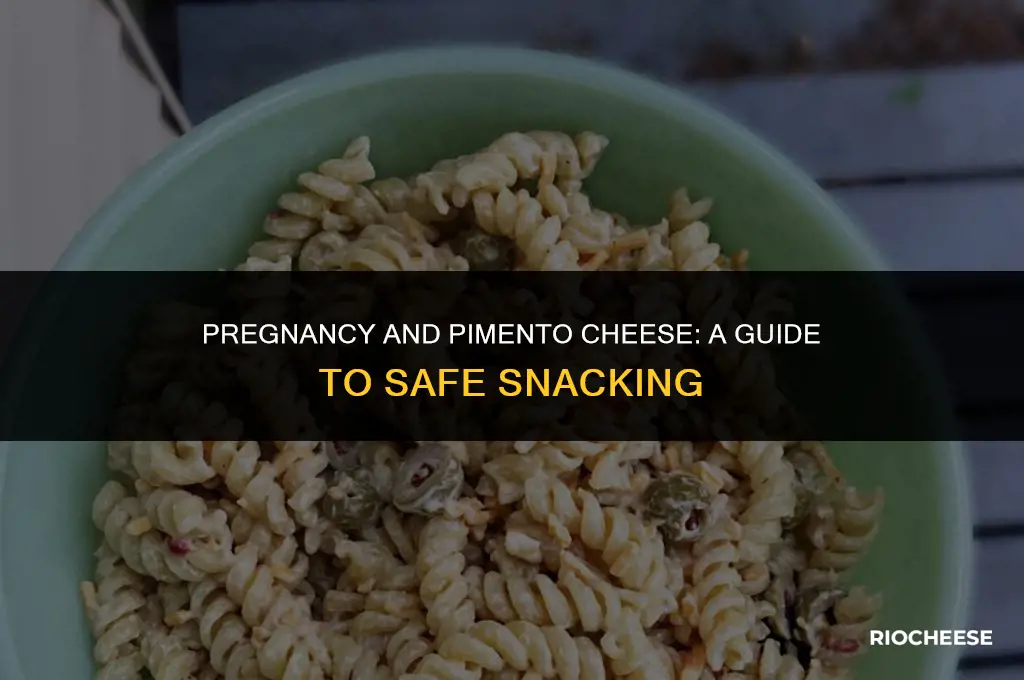
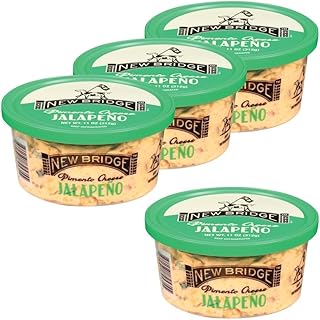
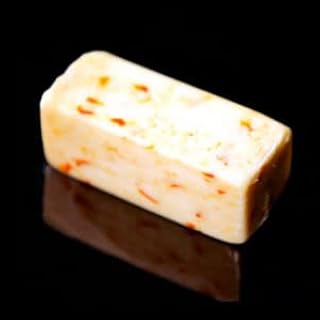
When considering the safety of consuming pimento cheese during pregnancy, it's essential to understand the ingredients and potential risks involved. Pimento cheese is a popular spread made from cheese, mayonnaise, and pimentos, which are small, sweet red peppers. While cheese can be a good source of protein and calcium for pregnant women, it's crucial to ensure that it's made from pasteurized milk to avoid the risk of foodborne illnesses like listeriosis. Mayonnaise, on the other hand, is typically safe to consume during pregnancy as long as it's made with pasteurized eggs. Pimentos are also generally considered safe. However, it's always a good idea to check with your healthcare provider about any specific dietary concerns or restrictions you may have during pregnancy.
Explore related products


What You'll Learn
- Nutritional Benefits: Pimento cheese offers protein, calcium, and vitamins, essential for fetal development
- Safety Concerns: Ensure the cheese is pasteurized to avoid harmful bacteria like Listeria
- Allergen Considerations: Check for any allergens in the pimento cheese, such as nuts or spices
- Sodium Content: Monitor sodium intake as excessive consumption can lead to health issues
- Moderation Key: Enjoy pimento cheese in moderation as part of a balanced diet

Nutritional Benefits: Pimento cheese offers protein, calcium, and vitamins, essential for fetal development
Pimento cheese, a popular spread in the Southern United States, is made from cheese, mayonnaise, and pimentos. It's not only delicious but also packed with nutrients that are beneficial for pregnant women. One of the key nutritional benefits of pimento cheese is its protein content. Protein is essential for fetal development, as it helps build and repair tissues. Pregnant women need about 71 grams of protein per day, and a serving of pimento cheese can contribute to this requirement.
In addition to protein, pimento cheese is a good source of calcium. Calcium is crucial for the development of the baby's bones and teeth. It also plays a role in muscle function, nerve signaling, and hormonal secretion. Pregnant women need about 1,000 milligrams of calcium per day, and pimento cheese can help meet this need.
Pimento cheese also contains vitamins that are important for fetal development. For example, it's a source of vitamin A, which is necessary for the development of the baby's vision, immune system, and skin. It also contains vitamin B12, which is essential for the production of red blood cells and the development of the baby's nervous system.
However, it's important to note that pimento cheese is also high in fat and calories. Pregnant women should consume it in moderation as part of a balanced diet. It's also crucial to ensure that the cheese used in the spread is pasteurized to avoid the risk of foodborne illnesses.
In conclusion, pimento cheese can be a nutritious addition to a pregnant woman's diet, providing essential nutrients like protein, calcium, and vitamins. However, it should be consumed in moderation and as part of a balanced diet. Always consult with a healthcare provider for personalized dietary advice during pregnancy.
Pregnancy and Velveeta: A Guide to Safe Cheese Consumption
You may want to see also
Explore related products


Safety Concerns: Ensure the cheese is pasteurized to avoid harmful bacteria like Listeria
During pregnancy, ensuring food safety is paramount to protect both the mother and the developing fetus. One critical concern is the risk of harmful bacteria, such as Listeria, which can be present in certain foods, including cheese. Listeria infection, also known as listeriosis, can lead to severe complications for pregnant women, including miscarriage, stillbirth, and premature delivery. Therefore, it is essential to take precautions when consuming cheese during pregnancy.
To mitigate the risk of Listeria infection, it is crucial to choose pasteurized cheese. Pasteurization is a process that involves heating the cheese to a specific temperature to kill harmful bacteria, including Listeria. This process does not affect the taste or nutritional value of the cheese but significantly reduces the risk of foodborne illness. When shopping for cheese, look for labels that indicate the cheese has been pasteurized. If you are unsure, consult with the store staff or check the manufacturer's website for more information.
In addition to choosing pasteurized cheese, it is also important to handle and store cheese properly to prevent contamination. Always wash your hands thoroughly before and after handling cheese. Use separate cutting boards and utensils for cheese and other foods to avoid cross-contamination. Store cheese in the refrigerator at a temperature of 40°F (4°C) or below, and discard any cheese that has been left at room temperature for more than two hours.
While pasteurized cheese is generally considered safe to eat during pregnancy, it is still important to consume it in moderation. Cheese can be high in calories, fat, and sodium, which can contribute to weight gain and other health issues if consumed excessively. As a general guideline, aim to include a variety of foods in your diet and limit your intake of cheese to a few servings per week.
In conclusion, ensuring the cheese you consume during pregnancy is pasteurized is a crucial step in protecting yourself and your baby from the risk of Listeria infection. By choosing pasteurized cheese, handling it properly, and consuming it in moderation, you can enjoy this delicious food while minimizing potential health risks.
Is Babybel Cheese Safe to Eat During Pregnancy?
You may want to see also
Explore related products


![Original Cheese Spread , Authentic southern flavor , served as a hot or cold dip, sandwich spread or burger topping. It is made with 100% real Wisconsin sharp cheddar and Hellmann's Mayonnaise. [ 20 oz , 1.25 lb ]](https://m.media-amazon.com/images/I/41aiKHkJpcL._AC_UL320_.jpg)

Allergen Considerations: Check for any allergens in the pimento cheese, such as nuts or spices
It's crucial to scrutinize the ingredients of pimento cheese for any potential allergens before consuming it during pregnancy. Allergic reactions can be more severe during this time, and certain allergens may pose risks to both the mother and the developing fetus. Common allergens found in pimento cheese include nuts, which are often used as a garnish or mixed into the cheese for added texture, and spices, which can cause reactions in sensitive individuals.
To ensure safety, carefully read the ingredient list on the packaging of store-bought pimento cheese. If you're making your own, be mindful of the ingredients you're using and consider alternatives if you have a history of allergies or sensitivities. For example, if you're allergic to nuts, you can substitute sunflower seeds or pumpkin seeds for a similar crunch. If spices are a concern, try using milder alternatives or reducing the overall amount used in the recipe.
If you have a severe food allergy, it's advisable to consult with your healthcare provider before consuming pimento cheese or any other new food during pregnancy. They can provide personalized advice based on your specific situation and medical history. Additionally, consider keeping an allergy journal to track any reactions you may experience, which can help you identify potential allergens and avoid them in the future.
In some cases, it may be necessary to conduct an allergy test to determine if you're allergic to any specific ingredients in pimento cheese. This can be especially important if you have a family history of allergies or if you've experienced unexplained symptoms after consuming certain foods. Remember, it's always better to err on the side of caution when it comes to your health and the health of your unborn child.
Can Hermit Crabs Eat Cheese? A Crustacean's Dairy Dilemma
You may want to see also
Explore related products




Sodium Content: Monitor sodium intake as excessive consumption can lead to health issues
During pregnancy, it's crucial to pay close attention to sodium intake. High levels of sodium consumption can lead to increased blood pressure, which may result in complications such as preeclampsia. Pimento cheese, a popular spread, can be a significant source of sodium. A single serving of pimento cheese (about 2 tablespoons) can contain upwards of 200 milligrams of sodium, which is roughly 8% of the recommended daily intake for pregnant women.
To manage sodium intake while enjoying pimento cheese, consider the following strategies: First, opt for low-sodium varieties of pimento cheese when possible. These versions typically contain about half the sodium of regular pimento cheese. Second, be mindful of portion sizes. Instead of spreading pimento cheese liberally, use it sparingly or consider using it as a garnish rather than a main spread. Third, balance your diet by incorporating more low-sodium foods, such as fresh fruits, vegetables, and lean proteins.
It's also important to read food labels carefully. Look for products that are labeled as "low sodium" or "reduced sodium." Additionally, be aware of hidden sources of sodium in other foods you may consume, such as processed meats, canned goods, and condiments. By being proactive about monitoring your sodium intake, you can enjoy foods like pimento cheese in moderation while maintaining a healthy diet during pregnancy.
Remember, moderation is key. While it's not necessary to completely eliminate pimento cheese from your diet, it's essential to consume it in reasonable amounts. If you have concerns about your sodium intake or how it may affect your pregnancy, consult with your healthcare provider for personalized advice.
Guinea Pigs and Cheese: A Guide to Safe Snacking
You may want to see also
Explore related products


Moderation Key: Enjoy pimento cheese in moderation as part of a balanced diet
Pimento cheese, a popular spread made from cheese, mayonnaise, and pimentos, can be a delicious addition to a balanced diet. However, for pregnant women, it's essential to consume it in moderation. This is primarily due to the high-fat content and potential risks associated with excessive mayonnaise consumption during pregnancy.
One of the key concerns with consuming too much mayonnaise is the risk of salmonella contamination. Although the risk is relatively low, pregnant women are more susceptible to foodborne illnesses, which can have serious consequences for both the mother and the fetus. To minimize this risk, it's crucial to ensure that any mayonnaise-based products, including pimento cheese, are stored properly and consumed within a reasonable timeframe.
Another consideration is the calorie content of pimento cheese. Pregnancy often increases appetite, and it's easy to overindulge in high-calorie foods. Consuming pimento cheese in moderation can help pregnant women manage their calorie intake and maintain a healthy weight gain during pregnancy.
To enjoy pimento cheese safely during pregnancy, it's recommended to limit consumption to a few times a week and to pair it with healthier options, such as whole-grain crackers or fresh vegetables. Pregnant women should also consider making their own pimento cheese using low-fat mayonnaise or Greek yogurt to reduce the overall fat content.
In conclusion, while pimento cheese can be a tasty treat during pregnancy, it's essential to consume it in moderation as part of a balanced diet. By being mindful of portion sizes and pairing it with healthier options, pregnant women can enjoy pimento cheese safely without compromising their health or the health of their unborn child.
Savoring Grilled Cheese with Braces: A Delicious Possibility?
You may want to see also
Frequently asked questions
Yes, you can eat pimento cheese while pregnant as long as it is made with pasteurized cheese and mayonnaise. However, it's important to check the ingredients and ensure that the cheese is not made from unpasteurized milk, which can contain harmful bacteria like Listeria.
Eating pimento cheese made from unpasteurized cheese during pregnancy can pose a risk of Listeria infection, which can lead to miscarriage, stillbirth, or serious illness in the newborn. It's crucial to avoid any foods made from unpasteurized dairy products during pregnancy to minimize this risk.
To ensure the pimento cheese you eat is safe during pregnancy, check the label or ask the manufacturer if the cheese is made from pasteurized milk. You can also make your own pimento cheese using pasteurized cheese and mayonnaise. Additionally, always store pimento cheese in the refrigerator and consume it within a few days of opening to prevent bacterial growth.