Bushra Griffith
Chickens are known for their diverse diet, which primarily consists of seeds, insects, and various plants. However, when it comes to dairy products like cheese, it's essential to understand the nutritional and digestive implications for these birds. Chickens lack the enzymes necessary to digest lactose, a sugar found in milk and cheese, which can lead to digestive issues if consumed in large quantities. While small amounts of cheese might not harm a chicken, it's generally not recommended as a regular part of their diet. Instead, providing a balanced diet that includes grains, vegetables, and protein sources like insects or specially formulated chicken feed is crucial for their health and well-being.
Explore related products


What You'll Learn
- Nutritional value: Cheese provides protein, calcium, and fat, but its nutritional benefits for chickens are debated
- Lactose intolerance: Chickens may have difficulty digesting lactose in cheese, leading to potential health issues
- Types of cheese: Some cheeses are safer for chickens than others, depending on their fat and salt content
- Moderation: Cheese should be fed to chickens in moderation, as excessive consumption can lead to obesity and other health problems
- Alternatives: Other sources of protein and calcium, such as insects or leafy greens, may be more suitable for chickens than cheese

Nutritional value: Cheese provides protein, calcium, and fat, but its nutritional benefits for chickens are debated
Cheese is a dairy product that is rich in several essential nutrients. It contains a significant amount of protein, which is vital for muscle growth and repair. Calcium, another abundant nutrient in cheese, is crucial for bone health. Additionally, cheese is a good source of fat, which can provide energy and support various bodily functions. However, when it comes to feeding cheese to chickens, its nutritional benefits are a topic of debate.
On one hand, some argue that cheese can be a valuable addition to a chicken's diet due to its high protein and calcium content. Protein is essential for the growth and development of chickens, particularly during their early stages of life. Calcium is also important for the development of strong bones and eggshells in laying hens. The fat content in cheese can provide chickens with a source of energy, which is especially beneficial during colder months when they may require more calories to maintain their body temperature.
On the other hand, critics argue that cheese may not be the best choice for chickens due to its high fat and sodium content. Excessive fat intake can lead to obesity and other health issues in chickens, such as fatty liver disease. Furthermore, the high sodium content in some types of cheese can be detrimental to a chicken's health, potentially leading to dehydration and kidney problems. It is also worth noting that chickens have a different digestive system than humans and may not be able to process some of the proteins and fats found in cheese as efficiently.
In conclusion, while cheese does provide some valuable nutrients, its nutritional benefits for chickens are debated. It is important for chicken owners to carefully consider the potential risks and benefits before deciding to include cheese in their birds' diets. If cheese is offered, it should be done so in moderation and as part of a balanced diet that meets the specific nutritional needs of the chickens.
Pregnancy and Velveeta: A Guide to Safe Cheese Consumption
You may want to see also
Explore related products




Lactose intolerance: Chickens may have difficulty digesting lactose in cheese, leading to potential health issues
Chickens, like many birds, are lactose intolerant, meaning they lack the enzymes necessary to digest lactose, a sugar found in milk and dairy products like cheese. This intolerance can lead to a range of health issues if chickens consume lactose-containing foods. Symptoms of lactose intolerance in chickens may include diarrhea, abdominal pain, and bloating. In severe cases, it can even lead to dehydration and electrolyte imbalances, which can be life-threatening.
The primary concern with feeding cheese to chickens is the high lactose content. While some cheeses have lower lactose levels than others, most contain enough to cause problems for lactose-intolerant birds. Additionally, cheese is often high in fat and salt, which can contribute to other health issues in chickens, such as obesity and hypertension.
It's important for chicken owners to be aware of their birds' dietary needs and limitations. While chickens can eat a variety of foods, it's crucial to avoid giving them anything that could cause digestive upset or other health problems. Instead, owners should focus on providing a balanced diet that includes a mix of grains, vegetables, and protein sources that are safe for chickens to consume.
In cases where a chicken has already consumed cheese or another lactose-containing food, it's essential to monitor the bird closely for signs of distress. If symptoms of lactose intolerance appear, it may be necessary to seek veterinary care to ensure the chicken's health and well-being.
Overall, while cheese may seem like a tasty treat for chickens, it's best to avoid feeding it to them due to the potential health risks associated with lactose intolerance. By being mindful of their dietary needs and providing a balanced, lactose-free diet, chicken owners can help ensure the health and happiness of their feathered friends.
Can Bearded Dragons Eat Cheese? A Comprehensive Guide
You may want to see also
Explore related products



Types of cheese: Some cheeses are safer for chickens than others, depending on their fat and salt content
Cheeses vary widely in their nutritional content, and this variability can significantly impact their safety for chickens. High-fat cheeses, such as cream cheese or triple cream brie, can lead to obesity and related health issues in chickens if consumed regularly. On the other hand, low-fat cheeses like part-skim mozzarella or reduced-fat cheddar can be safer options in moderation.
Salt content is another critical factor to consider. Cheeses with high salt content, such as feta or blue cheese, can lead to dehydration and electrolyte imbalances in chickens. It's essential to monitor the amount of high-salt cheese given to chickens and ensure they have access to plenty of fresh water.
Some cheeses, like cottage cheese and ricotta, are relatively low in both fat and salt, making them safer choices for chickens. However, it's still important to feed these cheeses in moderation as part of a balanced diet.
When feeding cheese to chickens, it's crucial to avoid moldy or spoiled cheeses, as these can contain harmful toxins. Additionally, some chickens may be lactose intolerant, so it's essential to monitor their reactions to cheese and adjust their diet accordingly.
In summary, while some cheeses can be safely fed to chickens in moderation, it's crucial to consider the fat and salt content, avoid moldy or spoiled cheeses, and monitor the chickens' reactions to ensure their health and well-being.
The Surprising Truth About Expired String Cheese: Safe or Not?
You may want to see also
Explore related products


Moderation: Cheese should be fed to chickens in moderation, as excessive consumption can lead to obesity and other health problems
While cheese can be a nutritious treat for chickens, it's crucial to emphasize the importance of moderation. Overfeeding cheese to chickens can lead to a range of health issues, primarily due to its high fat and calorie content. Chickens that consume excessive amounts of cheese may become overweight or obese, which can result in decreased mobility, respiratory problems, and a shortened lifespan.
In addition to obesity, excessive cheese consumption can also lead to nutritional imbalances in chickens. Cheese is low in certain essential nutrients that chickens require, such as fiber and some vitamins and minerals. If cheese makes up too large a portion of a chicken's diet, it can displace more nutritious foods, leading to deficiencies and potential health problems.
To ensure that chickens can enjoy cheese safely, it's important to limit the amount and frequency of cheese feeding. As a general guideline, cheese should make up no more than 10% of a chicken's total diet. It's also a good idea to offer cheese as an occasional treat rather than a regular part of their daily feed. This will help prevent overconsumption and reduce the risk of health issues.
When feeding cheese to chickens, it's important to choose the right type. Hard cheeses, such as cheddar or parmesan, are lower in fat and calories than soft cheeses like brie or camembert. Additionally, it's a good idea to grate or crumble the cheese before feeding it to chickens, as this will make it easier for them to eat and digest.
In conclusion, while cheese can be a tasty and nutritious treat for chickens, it's essential to feed it in moderation to prevent health problems. By limiting the amount and frequency of cheese feeding, and choosing the right type of cheese, chicken owners can ensure that their feathered friends can enjoy this delicious treat safely.
Passover Dairy Dilemma: Is Cheese on the Menu?
You may want to see also
Explore related products


Alternatives: Other sources of protein and calcium, such as insects or leafy greens, may be more suitable for chickens than cheese
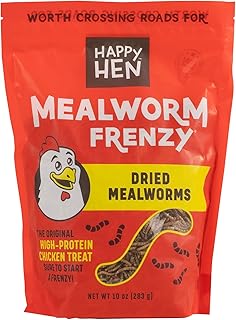
Chickens, as omnivores, have a diverse diet that can include various sources of protein and calcium. While cheese is often considered a treat for chickens, it's essential to explore alternative sources that may be more suitable for their nutritional needs. Insects, for instance, are a natural part of a chicken's diet and provide a rich source of protein. Mealworms, crickets, and grasshoppers are easily accessible and can be fed to chickens in moderation. These insects not only offer protein but also essential micronutrients that contribute to the overall health of the chickens.
Leafy greens, such as kale, spinach, and collard greens, are excellent sources of calcium for chickens. These vegetables can be fed fresh or cooked, and they provide additional benefits like vitamins A, C, and K. It's crucial to ensure that the leafy greens are free from pesticides and other harmful chemicals, as chickens can be sensitive to such substances. Moreover, the greens should be chopped or shredded to make them easier for the chickens to consume and digest.
Another alternative source of calcium for chickens is eggshells. Crushed eggshells can be sprinkled over their feed or provided as a separate supplement. This not only helps in meeting their calcium requirements but also aids in the digestion process. It's important to note that eggshells should be clean and free from any contaminants to avoid health issues.
When considering alternatives to cheese in a chicken's diet, it's vital to focus on providing a balanced and varied diet. This ensures that the chickens receive all the necessary nutrients for optimal growth and health. It's also essential to introduce new foods gradually and monitor the chickens' response to avoid any digestive upset or allergic reactions.
In conclusion, while cheese can be a treat for chickens, it's beneficial to explore alternative sources of protein and calcium that may be more suitable for their dietary needs. Insects, leafy greens, and eggshells are viable options that can contribute to a well-rounded and nutritious diet for chickens. By providing a diverse range of foods, chicken owners can ensure that their feathered friends receive the best possible care and nutrition.
Sweet or Savory: Can Sugar Gliders Indulge in Cheese?
You may want to see also
Frequently asked questions
Yes, chickens can eat cheese, but it should be given in moderation. Cheese is high in fat and salt, which can be harmful to chickens if consumed in large quantities.
Chickens can eat a variety of cheeses, including cheddar, mozzarella, and parmesan. However, it's important to avoid giving them moldy or blue cheese, as these can be toxic.
Cheese should be given to chickens as an occasional treat, not as a regular part of their diet. A small amount once or twice a week is sufficient.
Cheese is a good source of protein and calcium for chickens. It can also help to improve their bone health and egg production.
Yes, there are some risks associated with giving cheese to chickens. Cheese is high in fat and salt, which can lead to obesity and other health problems if consumed in excess. Additionally, some cheeses, such as moldy or blue cheese, can be toxic to chickens.