 Kamil Perry
Cheese crackers are a popular snack enjoyed by many for their savory flavor and crunchy texture. However, for those monitoring their carbohydrate intake, the question arises: are there carbs in cheese crackers? The answer is yes, cheese crackers do contain carbohydrates, which are an essential macronutrient providing energy to the body. While the exact amount of carbs can vary depending on the specific brand and ingredients used, a typical serving of cheese crackers can contain anywhere from 10 to 20 grams of carbohydrates. It's important for individuals, especially those with dietary restrictions or health conditions like diabetes, to be aware of the carb content in their snacks to make informed choices about their diet.
Explore related products


$14.97 $21.35


What You'll Learn
- Nutritional Content: Cheese crackers primarily contain refined flour, cheese, and fats. Carbs are present as part of the flour
- Carbohydrate Types: The carbs in cheese crackers are mostly simple carbohydrates, providing quick energy but potentially causing blood sugar spikes
- Health Considerations: Consuming cheese crackers in moderation is key. They can be part of a balanced diet but are not a significant source of essential nutrients
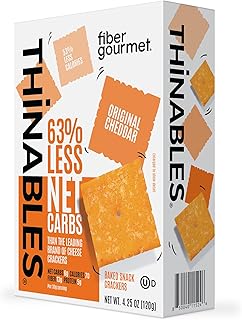
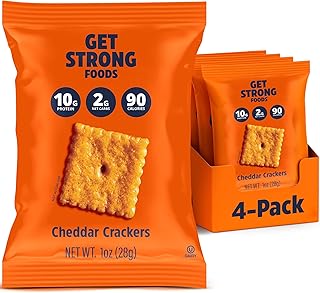
- Alternatives for Low-Carb Diets: For those on low-carb diets, alternatives like vegetable sticks with cheese or low-carb crackers made from almond flour can be considered
- Portion Control: It's important to monitor portion sizes. A typical serving of cheese crackers can range from 10-20 grams of carbs, depending on the brand and amount consumed

Nutritional Content: Cheese crackers primarily contain refined flour, cheese, and fats. Carbs are present as part of the flour
Cheese crackers, a popular snack choice, are primarily composed of refined flour, cheese, and fats. The refined flour used in these crackers is a significant source of carbohydrates. During the refining process, the flour is stripped of its bran and germ, leaving behind a product that is high in starch and low in fiber. This refined starch is easily broken down by the body into glucose, contributing to the cracker's carbohydrate content.
In addition to the refined flour, cheese crackers also contain cheese, which is a source of both protein and fat. The cheese used in these crackers is often processed and may contain added sugars and preservatives. The fats present in cheese crackers can be both saturated and unsaturated, depending on the type of cheese and additional ingredients used.
It's important to note that while cheese crackers do contain carbohydrates, they are not a significant source of essential nutrients like vitamins, minerals, and fiber. Consuming cheese crackers in moderation as part of a balanced diet is generally acceptable, but it's important to be mindful of portion sizes and to balance them with other nutrient-dense foods.
When considering the nutritional content of cheese crackers, it's also important to look at the overall dietary pattern. For individuals following a low-carbohydrate or ketogenic diet, cheese crackers may not be the best choice due to their high carbohydrate content. However, for those who are not strictly limiting their carbohydrate intake, cheese crackers can be enjoyed in moderation as part of a balanced diet.
In summary, cheese crackers primarily contain refined flour, cheese, and fats, with carbohydrates present as part of the flour. While they can be enjoyed in moderation, it's important to be mindful of portion sizes and to balance them with other nutrient-dense foods to maintain a healthy and balanced diet.
Mozzarella Cheese Sticks: A Low-Carb Snack Option
You may want to see also
Explore related products




Carbohydrate Types: The carbs in cheese crackers are mostly simple carbohydrates, providing quick energy but potentially causing blood sugar spikes
The carbohydrates in cheese crackers are predominantly simple carbohydrates. These are composed of one or two sugar molecules, which the body can break down and absorb quickly. This rapid absorption can lead to a swift increase in blood sugar levels, often referred to as a blood sugar spike. Such spikes can be particularly problematic for individuals with diabetes or those who are trying to manage their blood sugar levels.
Simple carbohydrates, like those found in cheese crackers, are often associated with processed foods. They can provide a quick source of energy, which might be beneficial in certain situations, such as before or after intense physical activity. However, relying heavily on simple carbohydrates can lead to fluctuations in blood sugar levels and may not provide the sustained energy that complex carbohydrates offer.
Complex carbohydrates, in contrast, are made up of longer chains of sugar molecules. They take longer for the body to digest and absorb, leading to a more gradual increase in blood sugar levels. This slower absorption rate can help maintain stable energy levels over a longer period. Examples of complex carbohydrates include whole grains, legumes, and vegetables.
In the context of cheese crackers, the predominance of simple carbohydrates means that while they can provide a quick energy boost, they may not be the best choice for sustained energy or for those who need to monitor their blood sugar levels closely. It's important to consider the type of carbohydrates when making dietary choices, especially for individuals with specific health concerns or dietary goals.
To mitigate the potential blood sugar spikes from consuming cheese crackers, one could pair them with foods that contain complex carbohydrates or fiber. This combination can help slow down the absorption of the simple sugars, leading to a more balanced blood sugar response. Additionally, being mindful of portion sizes and incorporating physical activity into one's routine can further help manage blood sugar levels effectively.
Savoring the Flavor: Carbs in a Sausage, Egg, and Cheese McGriddle
You may want to see also
Explore related products


$4.32


Health Considerations: Consuming cheese crackers in moderation is key. They can be part of a balanced diet but are not a significant source of essential nutrients
Cheese crackers, while a popular snack, should be consumed with health considerations in mind. They are often high in carbohydrates, which can contribute to weight gain and blood sugar spikes if eaten excessively. However, they can also be part of a balanced diet when consumed in moderation.
One of the main concerns with cheese crackers is their lack of essential nutrients. They are typically low in vitamins, minerals, and fiber, which are crucial for maintaining good health. This means that while they may provide a quick energy boost, they do not offer much in terms of long-term nutritional benefits.
To incorporate cheese crackers into a healthy diet, it's important to practice portion control. Limiting the amount of cheese crackers consumed can help prevent overconsumption of carbohydrates and calories. Additionally, pairing cheese crackers with healthier options, such as fruits or vegetables, can help balance out the snack and provide additional nutrients.
It's also worth noting that some cheese crackers may contain added sugars or unhealthy fats, which can further impact their nutritional value. When choosing cheese crackers, it's best to opt for varieties that are low in added sugars and made with healthier fats, such as whole grain or baked options.
In conclusion, while cheese crackers can be enjoyed as part of a balanced diet, it's important to consume them in moderation and be mindful of their nutritional content. By practicing portion control and choosing healthier varieties, cheese crackers can be a satisfying snack without negatively impacting overall health.
Unveiling the Truth: Carbs in Beer Cheese Explained
You may want to see also
Explore related products


Alternatives for Low-Carb Diets: For those on low-carb diets, alternatives like vegetable sticks with cheese or low-carb crackers made from almond flour can be considered
For individuals adhering to low-carb diets, finding suitable snack alternatives can be a challenge. Traditional cheese crackers, while delicious, are often high in carbohydrates, making them off-limits for those trying to maintain a low-carb lifestyle. However, there are several alternatives that can satisfy the craving for a crunchy, cheesy snack without derailing dietary goals.
One popular option is vegetable sticks paired with cheese. This combination provides the satisfying crunch of raw vegetables like celery, cucumber, or bell peppers, along with the rich, creamy taste of cheese. For added flavor, one can opt for flavored cheeses or even make a homemade cheese dip using cream cheese, herbs, and spices.
Another alternative to consider is low-carb crackers made from almond flour. These crackers are specifically designed to be low in carbohydrates and high in healthy fats and protein. They can be enjoyed on their own or paired with cheese, hummus, or other low-carb dips. When selecting low-carb crackers, it's essential to read the ingredient list carefully to ensure they align with dietary needs and preferences.
In addition to these options, there are various other low-carb snack alternatives available, such as nuts, seeds, and low-carb protein bars. The key is to find snacks that are both satisfying and align with individual dietary goals. By exploring different options and experimenting with flavors and textures, those on low-carb diets can enjoy a variety of delicious and nutritious snacks without compromising their health objectives.
Crunchy Delight or Carb Culprit? The Truth About Cheese Puffs
You may want to see also
Explore related products


Portion Control: It's important to monitor portion sizes. A typical serving of cheese crackers can range from 10-20 grams of carbs, depending on the brand and amount consumed
Cheese crackers, while a popular snack, can be a significant source of carbohydrates, making portion control essential for those monitoring their carb intake. A standard serving of cheese crackers typically contains between 10 to 20 grams of carbohydrates, varying by brand and the quantity consumed. This range highlights the importance of checking nutritional labels and measuring portions accurately.
For individuals following a low-carb diet, such as those with diabetes or those adhering to a ketogenic diet, understanding the carb content in cheese crackers is crucial. Consuming too many carbs can lead to spikes in blood sugar levels and hinder the body's ability to enter a state of ketosis, where it burns fat for fuel instead of carbohydrates. Therefore, it's advisable to limit the intake of cheese crackers or opt for low-carb alternatives.
To effectively manage portion sizes, one can use measuring tools like kitchen scales or measuring cups. Additionally, mindful eating practices, such as savoring each cracker and eating slowly, can help prevent overeating. Planning snacks in advance and pre-portioning them into individual servings can also aid in maintaining control over carb consumption.
In summary, portion control is key when it comes to enjoying cheese crackers while managing carbohydrate intake. By being aware of serving sizes and implementing strategies to monitor consumption, individuals can still enjoy this snack without compromising their dietary goals.
Exploring the Nutritional Landscape: Eggs, Cheese, Sausage, and Carbs
You may want to see also
Frequently asked questions
Yes, cheese crackers typically contain carbohydrates. The exact amount can vary depending on the brand and type, but most cheese crackers are made with flour, which is a source of carbs.
A standard serving of cheese crackers, which is often about 1 ounce or 28 grams, can contain anywhere from 15 to 25 grams of carbohydrates. It's important to check the nutrition label for the specific product you're consuming.
Yes, there are low-carb alternatives to traditional cheese crackers. Some brands offer cheese crackers made with almond flour or other nut-based flours, which are lower in carbohydrates. Additionally, you can find recipes online to make your own low-carb cheese crackers using ingredients like cheese, eggs, and low-carb flours.


