Patrick Oconnell
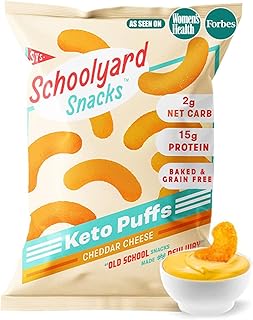
Cheese crisps are a popular snack among those following low-carb diets due to their high protein and fat content, coupled with minimal carbohydrate presence. Typically made by baking or frying thin slices of cheese until crispy, they offer a satisfying crunch similar to potato chips but with significantly fewer carbs. For individuals monitoring their carbohydrate intake, cheese crisps can be an excellent alternative to traditional snacks, providing the necessary nutrients without compromising dietary goals. However, it's essential to consider the type of cheese used, as some varieties may contain more carbs than others. Additionally, portion control is key, as cheese crisps can be calorie-dense. Overall, cheese crisps can be a delicious and suitable option for those on low-carb diets when consumed mindfully.
Explore related products


What You'll Learn
- Nutritional Information: Cheese crisps' carb content varies by brand and type. Generally, they are lower in carbs than traditional snacks
- Ingredients: Main ingredients include cheese, seasoning, and sometimes additional flavorings. Check labels for hidden carbs
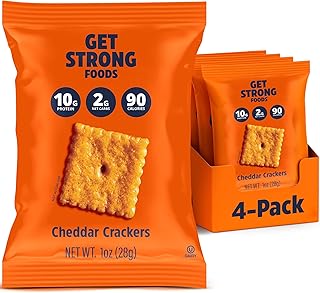
- Comparison to Other Snacks: Compared to chips or crackers, cheese crisps often have fewer carbs, making them a popular low-carb alternative
- Health Benefits: They can be a good source of protein and calcium, but watch out for high sodium and fat content
- Homemade Options: Making cheese crisps at home allows control over ingredients and portion sizes, ensuring they fit within a low-carb diet

Nutritional Information: Cheese crisps' carb content varies by brand and type. Generally, they are lower in carbs than traditional snacks
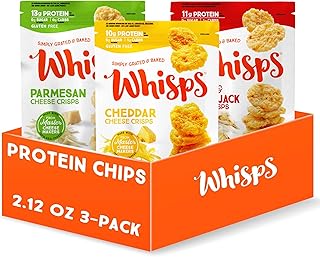
Cheese crisps, a popular snack choice, exhibit varying carbohydrate content depending on the brand and type. This nutritional variability is a critical consideration for individuals monitoring their carb intake, such as those following a ketogenic or low-carb diet. Generally, cheese crisps are marketed as a lower-carb alternative to traditional snacks like potato chips or crackers. However, the actual carb content can range significantly, from as low as 1 gram per serving to upwards of 10 grams, depending on the ingredients and preparation methods used by different manufacturers.
When evaluating the carb content of cheese crisps, it's essential to look beyond the total carbohydrate count and consider the net carbs, which are calculated by subtracting fiber and sugar alcohols from the total carbs. Net carbs provide a more accurate representation of the snack's impact on blood sugar levels and overall carb intake. Additionally, some cheese crisps may contain hidden sources of carbs, such as added sugars or starches, which can contribute to a higher overall carb content.
To make informed choices, consumers should carefully read nutrition labels and ingredient lists, paying close attention to serving sizes and the specific types of cheese and other ingredients used. It's also beneficial to compare different brands and types of cheese crisps to identify those that best align with individual dietary needs and preferences. For those seeking the lowest-carb options, choosing cheese crisps made with high-fat, low-carb cheeses like cheddar or mozzarella, and avoiding those with added sugars or starches, can help minimize carb intake while still enjoying a satisfying snack.
In conclusion, while cheese crisps can be a lower-carb snack option, their nutritional content varies widely by brand and type. By carefully examining nutrition labels and ingredient lists, and focusing on net carbs rather than total carbs, individuals can make informed choices that support their dietary goals and preferences.
Savoring the Flavor: Carbs in a Sausage, Egg, and Cheese McGriddle
You may want to see also
Explore related products


Ingredients: Main ingredients include cheese, seasoning, and sometimes additional flavorings. Check labels for hidden carbs
Cheese crisps are a popular snack among those following a low-carb diet, but it's essential to scrutinize the ingredients list to ensure they align with your dietary goals. The primary components of cheese crisps typically include cheese, seasoning, and occasionally additional flavorings. However, it's crucial to be aware of potential hidden carbs that may be lurking in these seemingly innocent ingredients.
When examining the cheese content, it's important to note that not all cheeses are created equal in terms of carb content. For instance, hard cheeses like cheddar, Swiss, and Parmesan tend to be lower in carbs compared to softer cheeses like mozzarella or feta. Additionally, some cheese crisps may contain cheese blends or processed cheese, which can have added carbs or fillers.
Seasonings can also be a source of hidden carbs. While many herbs and spices are low in carbs, some seasoning blends may contain added sugars, starches, or other carb-containing ingredients. It's essential to read the labels carefully and opt for products with simple, straightforward seasoning lists.
Additional flavorings, such as artificial flavors or natural flavor enhancers, can also contribute to the carb content of cheese crisps. These ingredients may not be immediately obvious sources of carbs, but they can add up over time. When in doubt, it's best to choose products with minimal added flavorings or to make your own cheese crisps at home using low-carb ingredients.
In conclusion, while cheese crisps can be a delicious and convenient low-carb snack, it's crucial to be mindful of the ingredients and potential hidden carbs. By carefully reading labels and choosing products with simple, low-carb ingredients, you can enjoy cheese crisps without compromising your dietary goals.
Unraveling the Mystery: Carbs in Cheese Explained
You may want to see also
Explore related products


Comparison to Other Snacks: Compared to chips or crackers, cheese crisps often have fewer carbs, making them a popular low-carb alternative
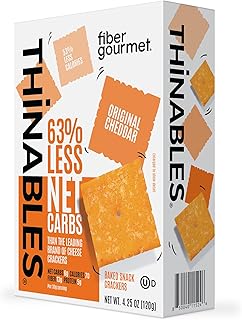
Cheese crisps have emerged as a favored snack among those following low-carb diets, primarily due to their significantly lower carbohydrate content compared to traditional snacks like chips and crackers. While a typical serving of potato chips can contain upwards of 15 grams of carbs, cheese crisps often have less than 5 grams per serving, making them an attractive alternative for individuals looking to reduce their carb intake without sacrificing the crunchy texture and savory flavor they enjoy.
One of the key advantages of cheese crisps is their simplicity. Made primarily from cheese, these snacks avoid the additives and preservatives often found in other low-carb options. This minimal ingredient list not only appeals to health-conscious consumers but also ensures that cheese crisps fit well within the dietary restrictions of various low-carb eating plans, such as the ketogenic diet and Atkins diet.
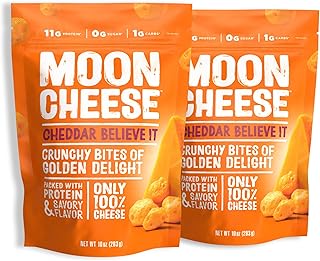
Moreover, cheese crisps offer a higher protein content than many other snacks, which can help promote satiety and support muscle health. For example, a 1-ounce serving of cheese crisps can provide around 7-10 grams of protein, depending on the brand and type of cheese used. This protein content is particularly beneficial for those who may struggle to meet their daily protein needs while adhering to a low-carb diet.
In terms of flavor, cheese crisps come in a variety of options, ranging from mild cheddar to sharp parmesan, and even blends that incorporate herbs and spices. This diversity allows consumers to find a flavor profile that suits their taste preferences, making cheese crisps a versatile snack choice. Additionally, the rich, cheesy flavor can help curb cravings for less healthy, carb-heavy snacks.
When comparing cheese crisps to other popular low-carb snacks, such as vegetable sticks or nuts, cheese crisps stand out for their convenience and portability. They require no preparation and can easily be packed for on-the-go snacking, making them a practical option for busy individuals. Furthermore, cheese crisps have a longer shelf life than fresh vegetables, reducing the risk of spoilage and waste.
In conclusion, cheese crisps offer a compelling combination of low carbohydrate content, high protein, and rich flavor, making them a popular choice among those following low-carb diets. Their simplicity, variety, and convenience set them apart from other snack options, providing a satisfying and healthy alternative for individuals looking to manage their carb intake.
Savoring Flavor: Carbs in Chicken and Cheese Quesadilla Revealed
You may want to see also
Explore related products


Health Benefits: They can be a good source of protein and calcium, but watch out for high sodium and fat content
Cheese crisps can indeed offer some health benefits, particularly in terms of protein and calcium content. Protein is essential for muscle repair and growth, and calcium is crucial for bone health. However, it's important to note that not all cheese crisps are created equal. The nutritional value can vary significantly depending on the type of cheese used, the manufacturing process, and any additional ingredients.
One of the main concerns with cheese crisps is their potential high sodium content. Excessive sodium intake can lead to high blood pressure and other cardiovascular issues. It's also worth noting that some cheese crisps may contain high levels of saturated fat, which can contribute to heart disease when consumed in large quantities. Therefore, while cheese crisps can be a tasty snack, they should be consumed in moderation as part of a balanced diet.
When choosing cheese crisps, it's advisable to opt for varieties made from lower-fat cheeses and those that are lower in sodium. Additionally, checking the ingredient list for any unnecessary additives or preservatives can help make a healthier choice. Pairing cheese crisps with a side of fresh vegetables or a piece of fruit can also help balance out the snack, providing additional nutrients and fiber.
In conclusion, while cheese crisps can offer some health benefits, it's crucial to be mindful of their potential drawbacks. By choosing wisely and consuming them in moderation, they can be a part of a healthy and balanced diet.
Delicious Dilemma: Is Pimento Cheese a Low-Carb Delight?
You may want to see also
Explore related products



Homemade Options: Making cheese crisps at home allows control over ingredients and portion sizes, ensuring they fit within a low-carb diet
Making cheese crisps at home is a simple and effective way to enjoy a low-carb snack. By controlling the ingredients and portion sizes, you can ensure that these crisps fit perfectly within your dietary requirements. To start, choose a low-carb cheese such as cheddar, mozzarella, or parmesan. These cheeses have a higher fat content and lower lactose levels, making them ideal for a low-carb diet.
To make the crisps, preheat your oven to 350°F (175°C). Line a baking sheet with parchment paper and place small mounds of grated cheese on it, ensuring they are spread out evenly. Bake for 10-15 minutes, or until the cheese is melted and slightly browned. Allow the crisps to cool completely before serving. This method allows you to create a crispy, flavorful snack without the need for additional carbohydrates.
One of the benefits of making cheese crisps at home is the ability to customize the recipe to your liking. You can add herbs, spices, or even nuts to the cheese mixture for added flavor and texture. For example, mixing in some crushed red pepper flakes or dried herbs like oregano or basil can give your crisps an extra kick. Additionally, you can experiment with different types of cheese to find your preferred taste and texture.
When making cheese crisps at home, it's important to be mindful of portion sizes. While these snacks are low in carbs, they can be high in calories and fat. To keep your snack in line with your dietary goals, consider using a smaller baking sheet or making individual servings. You can also pair your cheese crisps with a side of vegetables or a protein source to create a more balanced snack.
In conclusion, homemade cheese crisps are a delicious and low-carb snack option that can be easily customized to fit your taste preferences and dietary needs. By controlling the ingredients and portion sizes, you can enjoy a guilt-free snack that satisfies your cravings without derailing your diet.
Delicious and Nutritious: Carbs in Scrambled Eggs with Cheese
You may want to see also
Frequently asked questions
Yes, cheese crisps are generally considered low carb because they are made primarily from cheese, which is naturally low in carbohydrates.
A serving of cheese crisps usually contains around 1-2 grams of carbohydrates, depending on the brand and ingredients used.
The main ingredients in cheese crisps are cheese, often a blend of different cheeses, and sometimes additional flavorings or spices. They may also contain ingredients like egg whites or milk proteins to help bind the cheese together.
Yes, cheese crisps can be a good snack option for people following a ketogenic diet because they are low in carbs and high in fat and protein, which aligns with the macronutrient requirements of a keto diet.